For a temporary DIY solution, salt brine can melt ice because sodium chloride lowers water’s freezing point, but it still carries the same chloride-related concerns as rock salt. Rubbing-alcohol mixtures may lower freezing temperature but are flammable and can be harmful if pets ingest them. Sand, grit, and wood ash provide traction rather than reliably melting ice. Many popular home remedies—including vinegar, baking soda, sugary drinks, and fertilizer—have limited evidence or important surface, pet, or environmental drawbacks. For regular winter use, a purpose-designed deicer or traction product is generally more predictable than an improvised household recipe.
FHWA distinguishes chemical deicers from abrasives such as sand, while Poison Control classifies sand, gravel, kitty litter, and wood ash primarily as traction materials. (EPA Nepis)
Key Takeaways About Homemade Ice Melt
Salt or salt brine can melt ice by lowering the freezing point of water, but it remains a chloride-based treatment.
Sodium chloride dissolution itself does not generate useful deicing heat; its dissolution in water is slightly endothermic.
Rubbing alcohol can lower a water mixture’s freezing point, but isopropyl alcohol is flammable and can poison pets if swallowed.
Sand, grit, kitty litter, and wood ash primarily provide traction, not dependable ice melting.
Baking soda is sodium bicarbonate and may provide limited freezing-point depression or traction, but it is not a high-performance ice melt.
Beet-derived winter products are commonly blended with salt or brine rather than used as universally salt-free deicers.
Fertilizer should not be recommended casually as a sidewalk deicer because nutrient runoff can affect water systems.
Vinegar and sugary drinks lack strong support as reliable driveway deicers and may create residue, staining, or surface issues.
For areas used by pets, review the full formulation rather than assuming a household ingredient is automatically safer. (Pet Poison Helpline)
Listen to the Article: Audio Version Available
Snow is accumulating on your driveway, sidewalk, and the steps to the front door, and you are out of rock salt or ice melter. You need something down to stop the snow from turning into ice. But what can one use in a pinch?
Homemade Ice Control: Melting vs Traction
Chemical deicing
These methods lower the freezing point of water and can help break the bond between ice and a surface.
Examples:
sodium chloride brine;
some alcohol/water solutions;
purpose-designed chemical deicers.
Anti-icing
A treatment applied before ice bonds strongly to the pavement to make later removal easier.
Traction
These methods primarily improve grip rather than chemically melt the ice.
Examples:
sand;
grit;
kitty litter;
wood ash;
Ice Traction;
Walk On Ice.
FHWA describes abrasives primarily as materials for improving friction, not as deicing chemicals. (EPA Nepis)
Why Choose DIY Homemade Ice Melt Over Commercial Products?
Homemade ice melts (salt, vinegar, alcohol, baking soda) can be useful in a pinch, but they vary greatly in effectiveness, surface safety, and pet/environmental risk. Many DIY mixes offer limited melt power or pose unintended hazards — for example, regular table salt can corrode concrete and harm plants and pets, while isopropyl alcohol is toxic if ingested by animals.
The ingestion of any chloride-based deicer can cause varying degrees of symptoms and health issues, and prolonged paw pad exposure to a chloride-based deicer can cause chemical burns.
Choosing a Non-Toxic De-Icer for Your Home
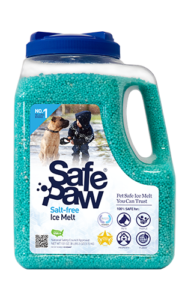
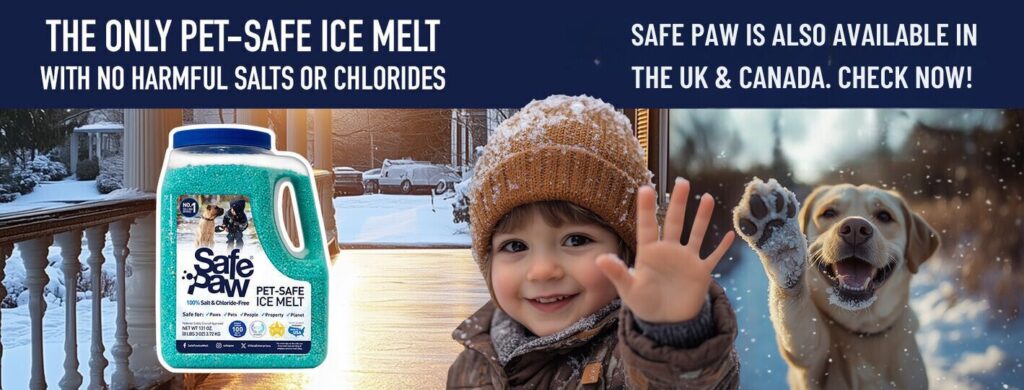
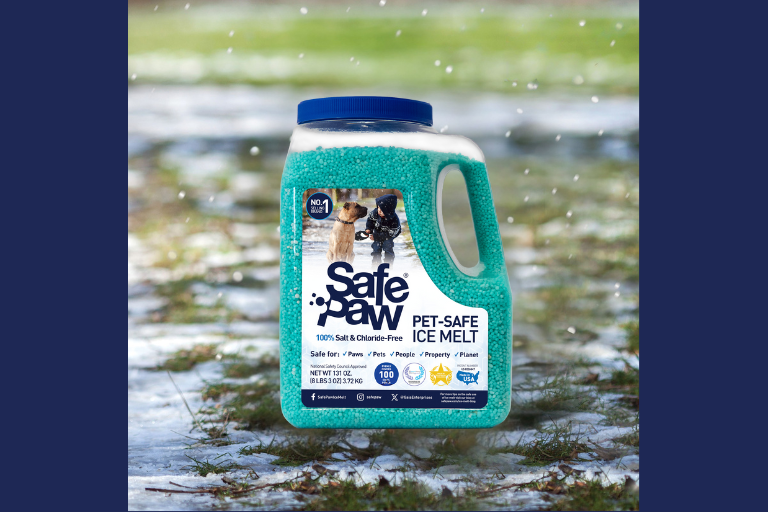
Pet Safe Ice Melt – Safe Paw
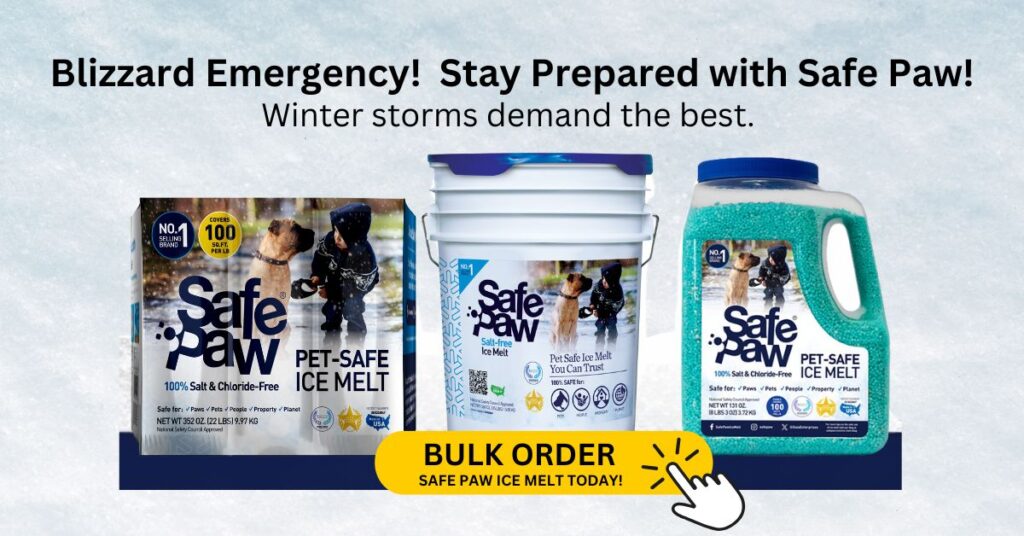
The Original and the #1 Pet and Child Safe Ice Melt for over 20 years. Guaranteed environmentally safe – will not harm waterways and sensitive wetlands.
Homemade Ice Melt and Eco-Friendly Ice Melt Options
As environmental awareness grows, so does the interest in eco-friendly ice melt options. Here are a few effective choices:
Listed below are the best homemade ice melt quick fixes when store-bought brands are unavailable. Each remedy will be listed from best to worse for their deicing abilities, with pros and cons, ending with a closing comment. So here is the list of homemade ice melting solutions.
1. Using Table Salt or Salt Brine to Melt Ice on Driveways
Salt-brine ice melt is a traditional way of melting ice. In this approach, a saturated solution of salt and water is used to treat the surface right before the snowfall. Apart from salt-brine ice melt, many use tavle salt, kosher salt and sea salt.
Will table salt melt ice? Yes, it will. Sodium chloride melts ice by dissolving into available water and forming brine with a lower freezing point than pure water. Dissolving sodium chloride in water is actually slightly endothermic, so heat generation is not the primary deicing mechanism. (ACS Publications). In other words, this chemical reaction hinders the advancement of the water’s freezing process. The table salt does melt ice, and this is why road crews use it for deicing.
While salt is readily available and effective at melting ice by lowering the freezing point of water, it can be highly corrosive. It damages concrete, metal surfaces, and can harm the paws of pets. Additionally, salt runoff can negatively impact vegetation and local waterways, contributing to environmental degradation. Moreover, salt brine solutions require precise preparation to be effective, and even then, they might not provide the consistent melting needed during intense cold snaps.
Pros:
An effective homemade de-icer.
Grained salt, like kosher salt, is useful for traction.
Cons:
Salt in a substantial amount is considered caustic and toxic.
Environmentally harmful, in moderate and large quantities, to plants, animals, water wells, drinking water, aquatic ecosystems, and humans.
Excessive usage of deicing salts can corrode metals and ruin concrete, asphalt, and natural stone.
2. How to Make a Rubbing Alcohol DIY Ice Melt
Rubbing alcohol lowers the freezing point of water but has a different hazard profile from salt. It is flammable, can irritate exposed tissue, and can cause poisoning if pets ingest sufficient amounts.
DIY Formula: 2 parts 70% isopropyl alcohol + 1 part water + a few drops of dish soap.
Pros:
Best Homemade Ice Melt Isopropyl alcohol ice melt is another excellent option for those looking for a natural ice melt. All you need to do is- mix one part water with two parts 70% isopropyl alcohol and a few drops of dish soap to create a solution that prevents ice from bonding strongly to surfaces.
Rubbing alcohol or Isopropyl ALCOHOL has a freezing temperature at about -20 degrees Fahrenheit. It slows the freezing process of water in ice and snow. Isopropyl alcohol can be found in most commercial ice melt and windshield deicing products.
If you mix a little dish soap into your alcohol ice melt, the melted ice will be less likely to freeze again. The hot water aids in the melting process, which is especially vital in below-freezing temperatures. Increase the amount of isopropyl alcohol to as much as 4 tbsp in extremely cold temperatures or for thick ice.
Rubbing alcohol is bad for dogsand other pets. Pets exposed to substances like isopropyl alcohol can experience digestive upset or skin irritation if they come into contact with treated surfaces. It can cause vomiting, confusion, incoordination, collapse, respiratory depression, and seizures in pets if consumed.
The biggest way in which this mixture fails as a solution to your ice melt requirements is its inability to melt the ice. Not just isopropyl alcohol or rubbing alcohol, all homemade mixes lack the required compounds that minimize harm to our loving pets if ingested.
Pros:
Suitable as an ice melt
Less harmful than salt
Cons:
More Than Moderate Quantities Can Cause Skin, Eye, And Lung Irritation.
The rubbing alcohol de-icer can damageyour delicate surfaces if you use too little alcohol at frigid temperatures. It can result in even more ice accumulating.
Not safe for pets
3. Using Fertilizer as a Homemade Sidewalk Ice Melt
Fertilizer is not recommended as a routine household deicer. Although some fertilizer salts may affect freezing behavior, using fertilizer for winter ice control can introduce unnecessary nutrients into runoff and provides inconsistent deicing performance.
Pros:
Somewhat effective as an ice melt
Cons:
Harmful when ice liquefies and fertilizer run-off enters municipal sewers and waterways that negatively affect nearby ecosystems.
4. Baking Soda as a Limited DIY Ice-Control Option
Baking soda is sodium bicarbonate. It may provide some freezing-point depression and surface texture, but it is substantially less effective than purpose-designed deicers. Large ingestion also should not be treated as harmless because excessive sodium bicarbonate can cause sodium and acid-base disturbances. (Poison Control)
Pros
Less alkaline than salt
Cons
Not very effective as an ice melt
5. Beet Juice: A Natural Pet Safe Ice Melt Homemade Option
Beet-derived additives can be blended with salt or brine to improve adherence and reduce the amount of salt lost from a roadway. A beet-based treatment is not automatically salt-free or chloride-free; its safety and environmental profile depends on the complete formulation.
EPA specifically describes beet derivatives being mixed with brine or used to treat salt. (EPA Nepis)
Pros
A homemade pet safe ice melt solution
Cons
It will leave your walkways and driveways with a purple hue.
After every application, you need to clean and wash the surface to avoid staining.
6. Can Sugary Soda Be Used as an Ice Melt Homemade Fix?
Beverages with a lot of sugar can double as an ice melt. You can spray Kool-Aid, soda, fruit juice, or any other sugary drink on ice and snow to help it melt more quickly. You can use this alternative if your house is out of both regular salt and plain sugar, and you need to deice your sidewalk and driveway quickly.
Sugary liquids may modestly alter freezing behavior but are not practical driveway deicers. They can leave sticky residue, contain dyes, attract dirt, and lack reliable performance data for winter surface management.
Pros
Can be an alternative to salt and sugar for melting ice
Cons
Not very effective as an ice melt
Artificial dyes are not good for your outdoors and indoors
Can even damage your car paint
7. Homemade Ice Melt Salt and Vinegar Recipe with Wood Ash
Vinegar, a mild acid, can lower the freezing point of water and is effective in preventing re-freeze. A simple vinegar ice melt solution involves mixing vinegar with water in a 1:1 ratio and applying it to icy surfaces.
This ice melt recipe using white vinegar, wood ash, and water is not only great at melting ice and it’s also gentle on plants.
Collect 2 cups of wood ash from your fireplace to melt this ice. Fill a gallon bucket halfway with water, then add the wood ash. Allow the mixture to settle for at least one night. Clear out all of the wood ash that is still floating in the morning.
Pour the contents of the old bucket into a new one, discarding the clumps of wood ash at the bottom. Stir in 2 cups white vinegar until thoroughly combined. Pour it into a spray bottle once it’s thoroughly combined. But as mentioned earlier, homemade solutions can be a good temporary fix but not a permanent solution. For instance, high concentrations of vinegar can harm soil acidity and vegetation
Pros
Can be used as an ice melt for old and new ice
Cons
You need to burn enough wood first to make this natural ice melt
Do not provide traction
After reading the details above, you could conclude that the best homemade ice melt may not be best for the environment. There is a growing concern that man-made chemicals and pollutants could destroy the environment to a point of no return. Thus, the movement of Going Green revolutionaries has emerged in the 21st century promoting clean energy solutions and alternatives to harsh chemicals being used today.
Technological advancements for producing greener products have increased over the past years. Products that are safe for families, pets, and the environment.
Best Homemade Ice Melt Options: Pros and Cons Compared
DIY Method
Melts Ice?
Main Advantage
Main Limitation
Salt / salt brine
Yes
Proven freezing-point depression
Chloride, corrosion, pet and runoff concerns
Rubbing alcohol mixture
Can lower freezing point
Remains liquid at low temperatures
Flammable; toxic if ingested; inconsistent driveway performance
Important Limitations of Homemade Ice Melt Recipes
Household availability does not mean a substance is appropriate for winter deicing. DIY recipes usually have not been standardized for concentration, melting capacity, concrete compatibility, pet exposure, runoff, or very-low-temperature performance.
Do not mix household chemicals indiscriminately. Some cleaning products can react dangerously when combined. Use only ingredients whose interactions are understood and never combine bleach with acids, ammonia, or other cleaning agents. (Poison Control)
Do not assume “natural” means pet-safe. Isopropyl alcohol, excessive sodium bicarbonate, fertilizers, and other household substances can cause health effects when swallowed. (Pet Poison Helpline)
Is there an environmentally safe ice melt?
The answer is yes. And the name of the product is Safe Paw Ice Melt. Utilizing natural ingredients found in nature this break-through eco-friendly ice melter product is safe for families, pets, and the surrounding ecosystems.
Pros:
An excellent ice melt.
Will not harm humans, pets, or the environment
Cons:
That only a few of the Earth’s populace will recognize the value of this product.
Homemade Ice Melt Ingredients: Pet Safety and Surface Considerations
DIY Ingredient
Pet Exposure Consideration
Surface / Environmental Consideration
Sodium chloride
Paw irritation; significant ingestion can raise sodium levels
Chloride runoff and corrosion
Isopropyl alcohol
Toxic if sufficiently ingested
Flammable; may affect finishes
Baking soda
Large ingestion can cause sodium/alkalosis problems
How Safe Paw Compares to Calcium Chloride Ice Melt and DIY Mixes
The comparison of ice melt will help you understand the various compositions and capabilities of different products, allowing you to make the best decision for your home.
When comparing ice melters, one of the most important aspects to consider is the surface of the substance being treated. If you are treating your home’s wooden deck, you should avoid using ice melt that contains chlorides.
As chloride can damage the wood’s fastening system, and the brine solution can attract moisture to the wood’s pores, causing it to freeze and produce black ice.
The next element to consider is the appropriate amount of melter to employ, as excessive usage of a melter can result in run-off difficulties, with chemicals seeping into the environment and contaminating the environment.
Are Homemade Ice Melts Safe for Dogs and the Environment?
While they may seem gentler, many homemade solutions still carry risks:
Some homemade blends leave residues that attract dirt or stain surfaces.
For pet safety, surface protection, and long-term reliability, a purpose-designed, non-chloride formula may offer superior performance.
While many homemade mixes seem safer, they can still leach chemicals into the soil or water table. Even “natural” substances like vinegar and fertilizer alter soil pH and aquatic ecosystems when overused
Is Safe Paw More Effective Than Homemade Ice Melt for Driveways?
Ice Melt Type
Effective Temp Range
Corrosive?
Pet-Safe?
Environmental Impact
Key Notes
Table Salt (NaCl)
~15 °F and above
Yes
❌
High
Common but damaging
Calcium Chloride
Down to ~-25 °F
Yes
❌
High
Very effective but harsh
Isopropyl Alcohol Mix
~-20 °F (ideal mix)
Low
⚠️
Moderate
DIY; still risk to pets
Beet Juice Mix
Depends on brine strength
No
✅
Low
Safe but stains/slow
Safe Paw Ice Melt
Approx -2 °F
No
✅
Low
Non-chloride, pet-safe, non-corrosive
Many commonly used ice-melts contain sodium chloride, potassium chloride, calcium chloride and magnesium chloride—all of which are highly toxic to dogs if ingested.
Ice and Snow Everywhere? Stock Up on Safe Paw – the ONLY Pet Safe Ice Melt you can trust
Gaia Enterprises Inc. delivers 100% pet-safe and environmentally friendly winter products. Safe Paw, our flagship product, is the #1 selling pet-safe ice melt that does not harm pets, safe if ingested, and safe on all types of concrete.
Homemade Ice Melt Recipes
Creating your own homemade ice melt recipe can be a fun and practical project. Here’s a simple recipe:
Combine 2 quarts of warm water, 6 drops of dish soap, and 2 ounces of rubbing alcohol in a bucket.
Stir the mixture until thoroughly combined.
Apply to your driveway or sidewalks before a snowfall for easier snow removal.
This DIY deicer is gentle on various surfaces, including wood and concrete, and significantly safer for the environment compared to many commercial deicers.
How Cold Does It Have to Be to Snow? Understanding Ice Melt Effectiveness
Many people assume it must be freezing for snow to fall, but the answer to how cold does it have to be to snow is more nuanced than you’d think. Snow typically forms when temperatures are at or below 32°F (0°C), but snow can still fall when ground temperatures are slightly above freezing if the air aloft is colder. Interestingly, very cold air (well below 0°F) holds less moisture, making snow less likely during extreme cold snaps.
In practical terms, the sweet spot for snowfall tends to be between 20°F and 30°F. These are also the same conditions where traction loss, ice buildup, and slippery surfaces become most dangerous around homes. This is precisely when most homeowners look for ice melt products. But here’s the catch—many conventional products don’t perform well unless it’s already extremely cold. Worse, they introduce chemicals like chloride that harm plants, corrode concrete, and burn your pets’ paws.
That’s why pet safe ice melt like Safe Paw is such a critical upgrade. It begins working effectively at temperatures around 10°F–15°F and continues to function as snow accumulates and melts—without relying on harmful salts. The dual-action formula of Safe Paw means you’re not just waiting for snow to fall; you’re proactively preventing buildup and re-freezing at those ideal snow-producing temperatures.
Using Pet Safe Ice Melt: A Proactive Approach to Winter Prep
Ever heard the term “snow bunny meaning”? While it’s often used playfully to describe someone who thrives in winter activities—skiing, snowboarding, or just reveling in snow days—it has another layer for homeowners. A snow bunny in home care terms is someone proactive, prepped, and protective—especially when it comes to choosing safe solutions for pets, kids, and the planet.
This mindset leans toward using pet safe ice melt solutions like Safe Paw before the storm hits. The product not only starts working on contact but provides extended protection—up to 72 hours—meaning a single application can outlast multiple rounds of snowfall or melt-freeze cycles. Plus, unlike homemade fixes or salt-based products, Safe Paw’s crystal core penetrates ice while offering surface traction, all without any risk to the paws of your snow-loving dog or the delicate paws of your indoor cat that might venture out.
“Snow bunny” care is about taking those extra steps—checking forecasts, applying ahead of time, and using products that won’t leave toxic residue behind. It’s about knowing how cold does it have to be to snow, and being ready with the right tools. That’s where Safe Paw steps in—not just as a product, but as part of a winter routine built on trust, effectiveness, and responsibility.
Safe Paw isn’t just an ice melt — it’s a commitment to pet safety, environmental responsibility, and effective winter protection.
About Safe Paw and Gaia Enterprises
Founded over 30 years ago, Gaia Enterprises pioneered Safe Paw, the first non-toxic, pet-safe ice melt. Led by chemical engineer Steve Greenwald, Gaia’s mission is to develop eco-friendly solutions that safeguard homes, animals, and ecosystems — from the ground up.
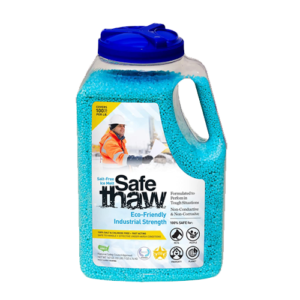
Safe Paw is manufactured by Gaia Enterprises Inc., founded by Steve Greenwald, a chemical engineer with over 30 years in pet-safe product development. Gaia Enterprises also produces Safe Thaw (industrial ice melt) and Walk On Ice (traction agent) — completing a full suite of eco-safe winter solutions.
Conclusion
Homemade ice melts can help in a pinch — but they often fall short in performance, safety, or both. If you’re seeking a long-term solution that’s safer for pets, children, and the environment, a tested, non-chloride product like Safe Paw may offer the best balance of effectiveness and peace of mind.
Get ready for winter with the ONLY Pet Safe Ice Melt you can trust
Salt brine is one of the more predictable household deicing methods because sodium chloride lowers the freezing point of water. However, it has the same chloride-related drawbacks as conventional rock salt. For situations where chemical deicing is not appropriate, mechanical removal and traction may be better options.
Yes. Table salt is sodium chloride, the same primary chemical as rock salt. It lowers water’s freezing point by forming brine. It does not work because it releases substantial heat. (PubMed Central (PMC))
I would not classify it as pet-safe. Isopropyl alcohol can cause poisoning if ingested and may cause symptoms including vomiting, incoordination, low blood pressure, breathing difficulties, and neurological effects. (Pet Poison Helpline)
Baking soda may have a small effect on freezing behavior and can provide some surface texture, but it is not a strong deicer. It is sodium bicarbonate, and large ingestion should not be considered harmless. (Poison Control)
Beet-derived products are commonly used as additives to salt or brine, where they may improve adherence and reduce salt loss. A beet-based treatment is not necessarily salt-free. (EPA Nepis)
No. Sand primarily increases traction. It does not chemically lower the freezing point of water. (Poison Control)
It depends on the ingredients. Salt, isopropyl alcohol, fertilizer, and other household materials can create different exposure concerns. Even products described as “pet safe” should be used carefully and paw residue should be cleaned after walks. (ASPCA)
Do not assume a homemade recipe is safer for new concrete. The current Safe Paw FAQ recommends avoiding ice-melt application on concrete less than 12 months old and using mechanical removal or traction instead. (Safe Paw Ice Melter)
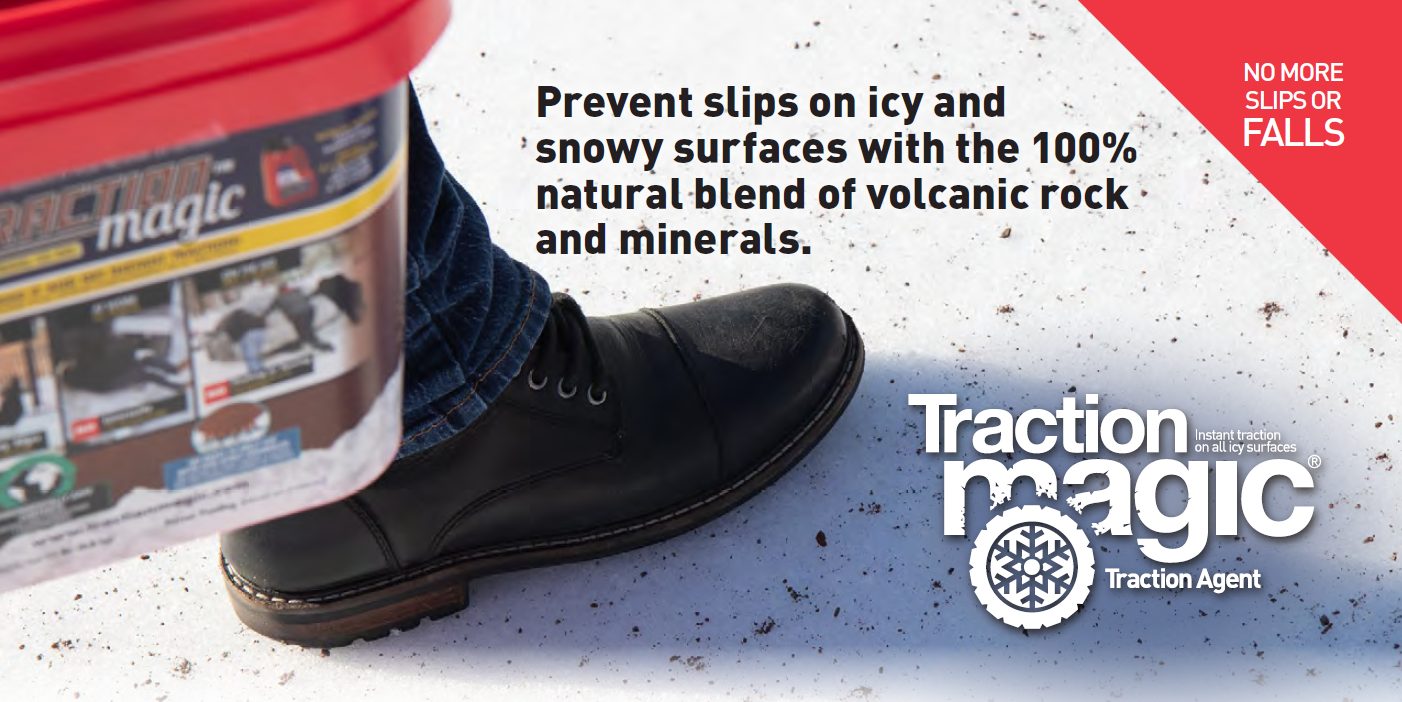
Stay safe on slippery surfaces with a product that’s 100% natural and safe for pets, people, and your property. Use Traction Magic on sidewalks, steps, or as instant traction for your car.
Imagine an ice melt you can put down and never worry about. It won’t harm pets, kids and your property. That’s Safe Thaw. Unlike anything else on the market, Safe Thaw can change how winter affects our planet.
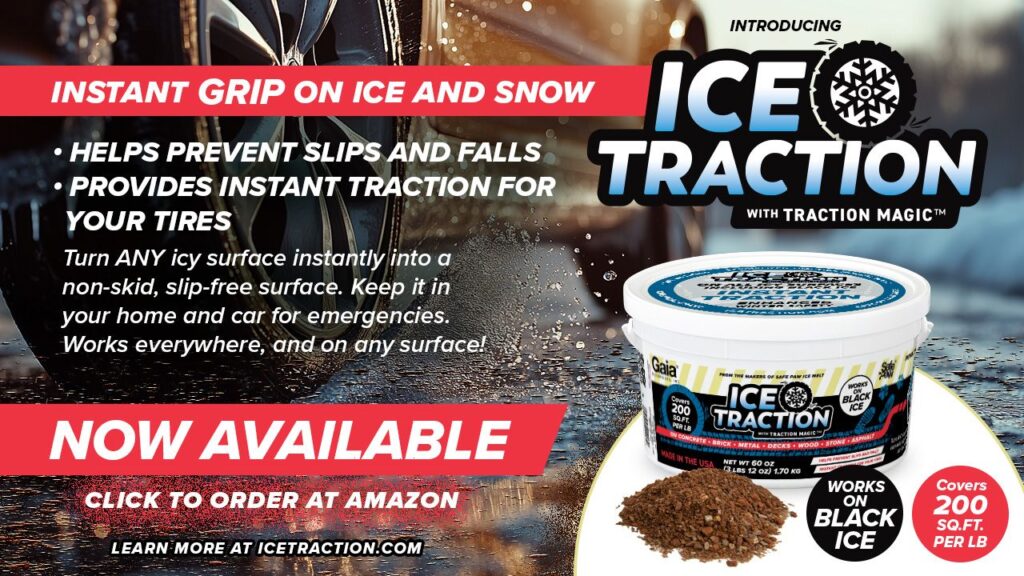
Ice Traction (with Traction Magic™) is your go-to winter solution for driveways, walkways, parking lots — and even black ice on the road. Unlike salt or ice melts, it delivers instant grip on snow and slippery surfaces with no wait time. Just spread and go.
Imagine an ice melt you can put down and never worry about. It won’t harm pets, kids and your property. That’s Safe Thaw. Unlike anything else on the market, Safe Thaw can change how winter affects our planet.