Winter Snow Forecast: 3 Things to Check in Your Ice Melt for Trex Decks
0 comments
What Should You Use on a Trex Deck in Winter?
Start with mechanical snow removal using a broom or plastic shovel. Trex states that calcium chloride or rock salt may be used to melt ice on its decking and should be rinsed off when practical; never use a metal snow shovel because it can scratch the surface. If you prefer to limit chloride exposure around pets, plants, metal fixtures or runoff areas, consider a chloride-free deicer whose label specifically confirms compatibility with composite decking.
Key Takeaways
Use a broom or plastic shovel to clear loose snow; avoid metal snow shovels on Trex decking.
Trex currently allows calcium chloride or rock salt for ice removal and advises rinsing residue when practical.
Check the care instructions for your specific Trex product line and the deicer label before use.
Pet and environmental considerations are separate from deck-material compatibility; choose and apply deicers with both in mind.
Use only the amount needed and remove residue/slush after the ice has loosened.
Do not assume that “chloride-free” automatically means suitable for every composite deck; confirm surface compatibility.
Article’s Audio Version
When winter arrives, homeowners with Trex decking may worry about the impact of ice and snow on their beautiful outdoor spaces. In this comprehensive guide, we will explore the importance of using the right ice melt for Trex decking. Discover how to effectively melt ice off your Trex deck while keeping it safe, well-maintained, and free from damage.
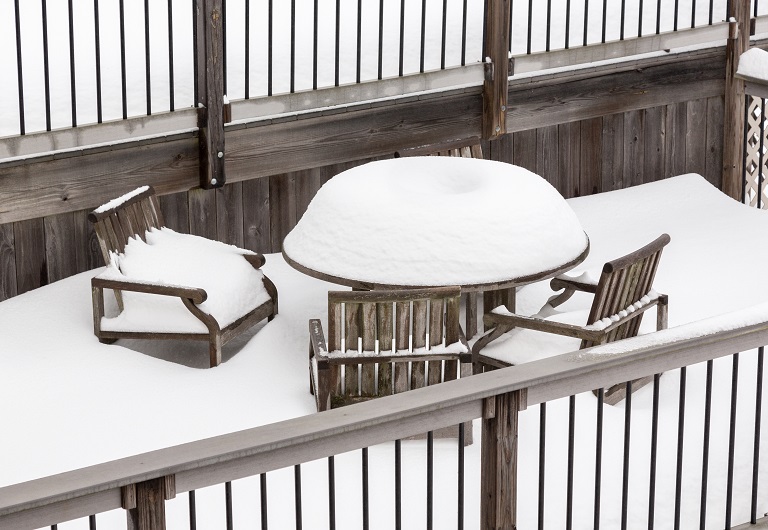
Your composite deck adds aesthetic value to your home. Maybe it’s the best corner in your home where you enjoy your family time. For decking, Trex is a popular choice as it gives you the eye-catching look of rich wood with the durability of a composite. It certainly looks beautiful when covered in snow, but we can’t leave it like this.
Homeowners from countries with knee-deep snow are worried about cleaning snow and ice from their decks in the frigid weather.
When winter weather hits, Trex deck owners often face a challenge — how to remove ice safely without damaging the surface or harming pets and plants. In this guide, you’ll learn what makes an ice melt safe for Trex decking, which products to avoid, and how to ensure your deck stays strong, clean, and beautiful through every freeze.
Is Ice Melt Safe for Trex Decking? Why Your Composite Deck Needs Special Care
Trex composite decking is built for durability, but harsh winter products like rock salt and calcium chloride can still cause long-term issues. According to Trex®, sodium chloride and calcium chloride de-icers can discolor or damage composite boards when overused. These chloride-based chemicals also speed up surface corrosion and void product warranties in many cases.
Trex Surface Guidance vs. Other Winter Considerations
Trex surface-care instructions answer one question: what can be used on the decking material itself. Homeowners may also want to consider pet contact, nearby vegetation, metal fixtures, runoff and cleanup. These factors should be evaluated separately. A deicer permitted by the deck manufacturer may still require careful application and cleanup around surrounding areas, while a chloride-free product should still be checked for compatibility with the specific composite surface.
How to Remove Snow and Melt Ice Off a Trex Deck Safely
1- Preparing Your Deck for the Winter Snow Melter
Before the snow hits, there are a few steps that you can take to prepare it for the season. Start by cleaning your deck by sweeping leaves, pine needles, and any other debris with the help of a firm bristled broom or a leaf blower. Remove any furniture if kept on it so that it does not corrode or come in the way while cleaning the snow.
2- Manual Removal: Can You Put Ice Melt on Trex Decking After Shoveling?
Although conventional, shoveling is a popular method of clearing snow and ice from your deck. If you are using a shovel, make sure to use the one with a plastic blade. Even some plastic shovels that have a sharp metal blade can scratch and damage the surface. When you are clearing the snow with a shovel, remember to use it in a path parallel to the deck board.
3- Choosing the Right Ice Melt for Trex Decks
Another quick and easy way to get clean your Trex deck is using an ice melt. An important point to note here is that not every ice melt is safe for your deck. If you must use an ice melt, choose one specifically labeled safe for composite decking. Avoid rock salt (sodium chloride), calcium chloride, or magnesium chloride — they may bleach color, stain, or corrode fasteners.
Is Ice Melt Safe for Trex Decking?
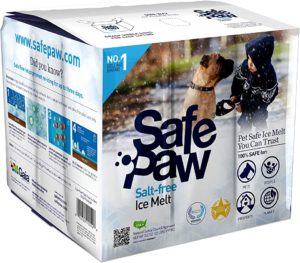
Yes — but only certain types. Trex confirms that chloride-free, non-corrosive ice melts can be used on their decks. Products like Safe Paw meet this standard because they are 100% salt-free and chloride-free, meaning they won’t harm deck boards or railings.
Unlike traditional snow salt, Safe Paw works down to -2°F, thanks to its patented crystalline amide core and glycol infusion. It is People & Pet Safe, Non-Corrosive, has Long Shelf Life, and an Excellent Spread Rate.
Can You Put Ice Melt on Trex Decking Without Damaging the Surface?
Can you put ice melt on Trex boards? The answer is yes, but it is essential to choose the right product and apply it correctly. Look for ice melts specifically labeled as “Ice Melt for Trex Decking” to ensure compatibility. Avoid using traditional rock salt or ice melts containing calcium chloride, as they can cause discoloration or other damage to your deck.
Get ready for winter with the ONLY Pet Safe Ice Melt you can trust
Most ice melts function by lowering the freezing point of water. However, chloride-based melts like rock salt release heat rapidly, causing microfractures on composite boards during refreeze cycles.
Safe Paw, by contrast, uses a non-exothermic reaction. It breaks surface tension to loosen ice, while its traction agent prevents slips — all without corroding decking or affecting color integrity.
The Original and the #1 Child and Pet Safe Ice Melt for over 20 years. Guaranteed environmentally safe – will not harm waterways and sensitive wetlands.
Sweep away loose snow with a broom or use a plastic snow shovel. Push the shovel in a direction that minimizes scraping across the board surface.
Do not use a metal snow shovel or metal-edged tool that can scratch or gouge the decking.
For remaining ice, use a deicer permitted by the Trex care instructions for your decking and follow the deicer label directions.
Apply only the amount needed to loosen the bonded ice rather than repeatedly adding more material.
After the ice loosens, sweep or remove slush and residue. Where Trex instructions call for rinsing, rinse when practical and conditions allow safe drainage.
Recheck stairs, shaded areas, deck entrances and high-traffic paths for refreezing.
Winter Trex Deck Methods: Advantages and Limitations
Method
Advantages
Limitations
Most useful when
Broom
No deicer residue; low scratch risk
Works best on loose/light snow
Light fresh snowfall
Plastic shovel
Removes deeper snow mechanically
Can still scratch if used aggressively; avoid metal edges
Moderate snow accumulation
Rock salt (sodium chloride)
Trex care guidance permits its use for ice melting
Leaves salt residue; chloride exposure may matter for runoff, plants, pets or metal nearby
Bonded ice where label and site conditions are appropriate
Calcium chloride
Trex care guidance permits its use for ice melting
Chloride exposure and residue still require consideration
Cold-weather ice where label instructions permit
Chloride-free deicer
Avoids adding chloride from the deicer
Performance and composite compatibility vary by formulation
When limiting chloride exposure is a specific goal
Traction grit
Improves grip without needing to melt ice
Does not remove ice; cleanup may be needed
Temporary traction or when melting is not desirable
Important Trex Winter-Care Limitations
Trex products and generations may have different care details, so check the instructions for the specific decking you own. Never use a metal snow shovel on Trex decking. Deicers should be used according to their labels and the deck manufacturer’s instructions. Chloride-free does not automatically mean residue-free, pet-safe, plant-safe or suitable for every composite product. Avoid unsupported claims that any treatment can never stain, corrode, fade or damage a surface under all conditions.
Gaia Enterprises Inc. delivers 100% pet-safe and environmentally friendly winter products. Safe Paw, our flagship product, is the #1 selling pet-safe ice melt that does not harm pets, safe if ingested, and safe on all types of concrete.
Ice Melt and Trex Decking
Can you use ice melt on Trex? Yes, but choosing the right type is crucial to avoid damage. Trex decking, known for its durability and low maintenance, still requires careful consideration during winter. Composite decking can be susceptible to damage from harsh chemicals found in many traditional ice melts.
Safe Ice Melt for Trex Deck
For safe ice melt for Trex deck, look for products specifically labeled as safe for composite materials. These products will not leave harmful residues or cause the fading and deterioration associated with chloride-based products. Regular cleaning post-application helps maintain the integrity and beauty of your deck.
Winter Maintenance
Winter care for Trex decking involves more than just the occasional clean-up. Regular inspections to check for ice accumulation and the careful removal of snow can prevent long-term damage. Utilize tools that won’t scratch or gouge the deck surface.
The Best Ice Melt for Composite Decking: Pet Safe and Chloride-Free
The best ice melt for Trex isn’t just effective at melting ice; it’s also kind to the material. Avoid calcium chloride and other chloride-based products which can corrode composite decking. Instead, opt for melts that use natural ingredients which are gentler yet still effective.
When selecting an ice melt product, consider ones that are labeled as non-corrosive and free from harsh chemicals. These types of ice melt will help you maintain your deck’s aesthetics and integrity through the freezing months without the worry of damaging your investment.
This approach ensures that your Trex deck remains a safe and enjoyable place throughout winter, blending functionality with peace of mind. Always remember to read product labels carefully to confirm compatibility with composite decking and follow manufacturers’ guidelines for the best results.
Is Snow Salt or Rock Salt Safe for Trex Decking?
While traditional rock salt or snow salt may be effective at melting ice, it is not recommended for use on Trex decking. These products can cause discoloration, corrosion, and other forms of damage to the deck’s surface. Stick to ice melts specifically designed for Trex decking to ensure the safety and longevity of your outdoor space.
Why You Should Avoid Calcium Chloride Ice Melt and Traditional Salts
If you’re tempted to sprinkle snow salt on your Trex deck after a sudden freeze or snowfall, it’s time to rethink that move. While snow salt—often another name for rock salt or sodium chloride—might work fast on driveways and roads, it’s far too aggressive for composite decking. The harsh chemical composition of traditional snow salt can discolor Trex boards, cause surface corrosion, and even lead to premature breakdown of your deck’s finish. And once the damage is done, it’s difficult and costly to reverse.
Winter in some regions can be unpredictable, and while Atlanta snow forecasts might not suggest constant snowfall, surprise storms can still leave decks icy and unsafe. Homeowners in milder climates might reach for any available deicer, like snow salt or even table salt, to get the job done quickly. But just because something melts ice doesn’t mean it’s safe for your outdoor surfaces.
So, will table salt melt ice? Absolutely—it lowers the freezing point of water, which helps break down ice. But the real question is whether you should use it. Like snow salt, table salt is highly corrosive and not designed for composite decking. Over time, salt residue can seep into crevices, damaging both the structural integrity and appearance of your deck. That’s why Trex and composite deck manufacturers strongly recommend against using any form of chloride-based or untested salt.
The EPA and Family Handyman both warn that sodium chloride can harm concrete, metal, and composite materials over time.
Why Safe Paw is the Safest Pet Safe Ice Melt for Your Home
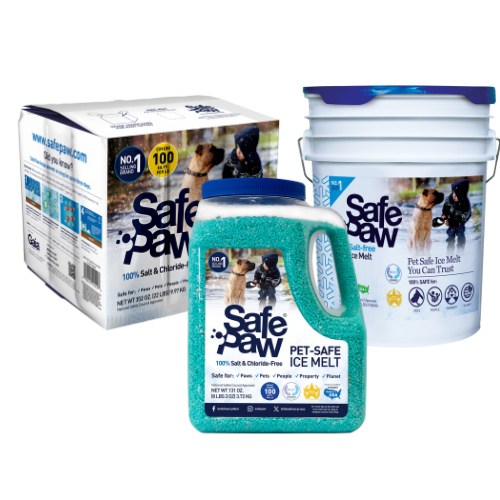
Developed by Gaia Enterprises, Safe Paw is the world’s first People & Pet Safe ice melt. It’s safe to use around children, animals, and plants — and fully compatible with Trex decking.
Key Benefits
Effective to -2°F
People & Pet Safe
Non-Corrosive
Long Shelf Life
Excellent Spread Rate
Environmentally Friendly
Chloride & Salt-Free
Traditional ice melts can irritate pet paws or cause illness if ingested. Non-chloride, pet-safe products like Safe Paw offer safer alternatives.
Proactive Deck Protection: The “Snow Bunny” Guide to Trex Care
Let’s dig into the fun side of winter prep—understanding the snowbunny meaning in the world of outdoor care. Traditionally, a “snow bunny” refers to someone who loves snow but might be more style than function when it comes to actual winter sports. In the context of home maintenance, however, snowbunny meaning takes on a smarter spin—it’s the homeowner who embraces winter gracefully but responsibly, keeping their Trex deck in pristine condition no matter the forecast.
Being a “snow bunny” homeowner means choosing safety over shortcuts. It means ignoring myths like “will table salt melt ice on Trex?” and instead turning to chloride-free, pet-safe solutions like Safe Paw. Just because a product melts snow doesn’t mean it protects your investment. This mindset is especially crucial in areas like Georgia, where Atlanta snow forecasts might not call for long winters but do bring sharp cold snaps that catch unprepared decks—and homeowners—off guard.
A snow bunny doesn’t just focus on function—they’re mindful of form, materials, and long-term effects. They’re the first to prep their outdoor space with non-corrosive, eco-friendly products that won’t harm their kids, pets, or decking. So if that sounds like you, congratulations—you’ve redefined snowbunny meaning for a new era of responsible winter living.
Being a modern snow bunny means balancing comfort and responsibility — caring for your home, pets, and planet at once.
What Trex Says vs. Additional Factors to Check
Question
Trex manufacturer guidance
Additional consideration
How should loose snow be removed?
Plastic shovel may be used; never use a metal snow shovel
A broom can work for light snow; avoid tools with metal edges
Can rock salt be used?
Trex says rock salt can melt ice on the deck
Use efficiently; consider residue, runoff, nearby plants, pets and metal
Can calcium chloride be used?
Trex says calcium chloride can melt ice on the deck
Follow product directions and cleanup guidance
Should residue be removed?
Trex advises rinsing off when first practical
Avoid creating refreezing or drainage problems while rinsing
What about chloride-free deicers?
Trex page does not make chloride-free a universal requirement
Check the product label for composite-deck compatibility and other site concerns
Choose the Approach by Situation
Situation
Practical approach
Light fresh snow
Use a broom or plastic shovel before snow compacts.
Deeper accumulation
Use a plastic snow shovel; avoid metal edges or blades.
Bonded ice
Use an ice-melting material permitted by the deck manufacturer and follow its label.
Chloride exposure is a concern
Consider a chloride-free deicer that is labeled compatible with composite decking.
Pet traffic across the deck
Limit residue and prevent pets from licking treated snow/slush; follow veterinary guidance for accidental exposure.
Nearby plants or runoff-sensitive area
Use only the amount needed and manage residue/runoff carefully.
Temporary grip needed
Use a suitable traction material, understanding that it does not melt the ice.
Pet Safe Ice Melt – Safe Paw
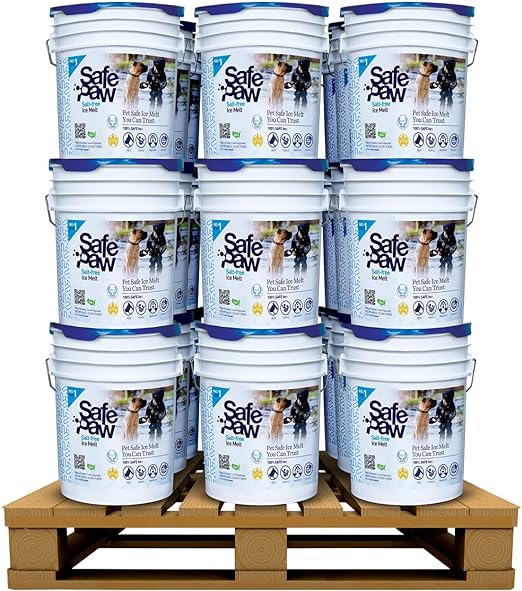
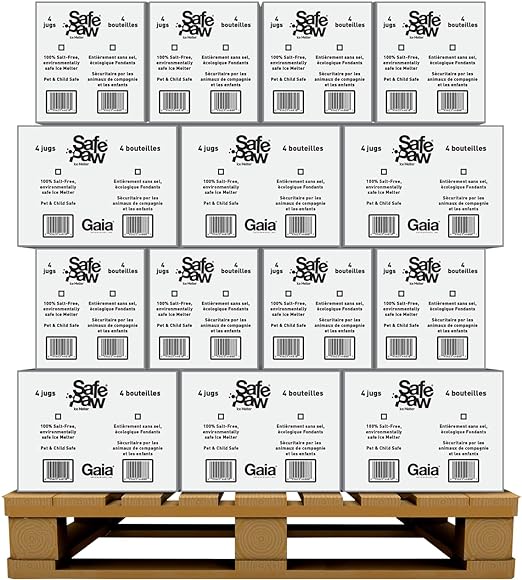
Safe Paw, Child Plant Dog Paw & Pet Safe Ice Melt -35lb, 36 Pails
Protecting your Trex deck from winter damage means making smart choices—not just about snow removal but about what you use to melt ice safely. Snow salt and table salt may be convenient, but they can compromise the quality and appearance of your deck. Instead, follow the lead of modern “snow bunnies” who prioritize sustainable care.
Your Trex deck deserves protection that matches its premium quality. While snow salt and table salt may melt ice fast, they also damage composite boards and endanger pets and plants.
Smart homeowners — the real “snow bunnies” — choose Safe Paw, the chloride-free, non-corrosive ice melt that’s effective down to -2°F, People & Pet Safe, and eco-friendly.
Protect your deck. Protect your pets. Protect your peace of mind — with Safe Paw.
Get ready for winter with the Only Pet Safe Ice Melt you can trust!
Yes, but follow the specific deck manufacturer’s care instructions. Trex currently states that calcium chloride or rock salt may be used for ice removal and should be rinsed off when practical. Other composite brands may give different instructions.
Yes. Remove loose snow first with a broom or plastic shovel so the deicer can reach the bonded ice and you can use less material.
No. Trex advises against metal snow shovels because they can scratch the deck surface. Use a plastic shovel or broom instead.
No. Effective temperature varies by formulation. Check the product label or technical data rather than assuming one temperature range applies to all deicers.
It depends on the formulation and surface. Follow the deck and deicer instructions, remove residue when practical, and test a small inconspicuous area if you have concerns about staining or color transfer.
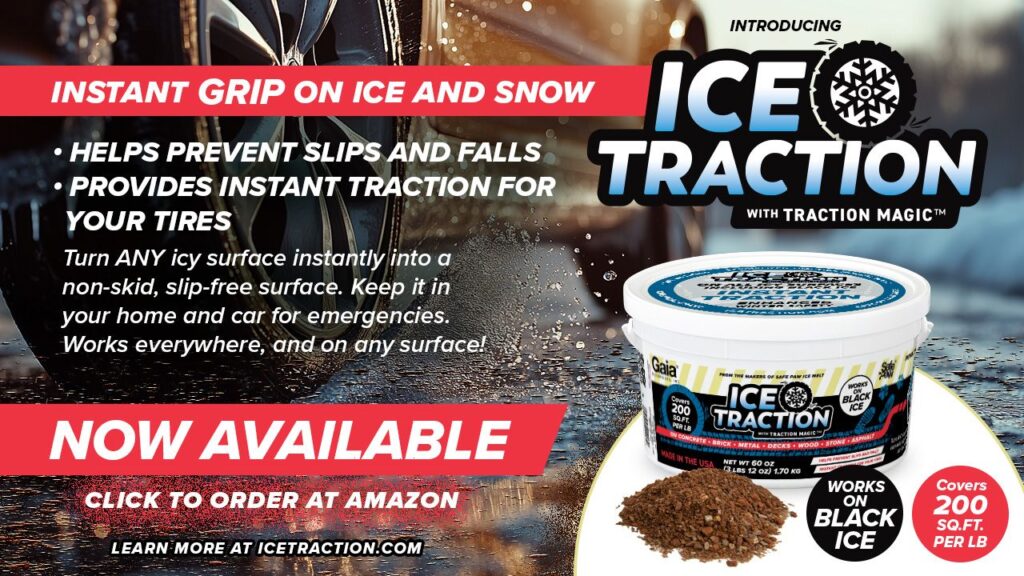
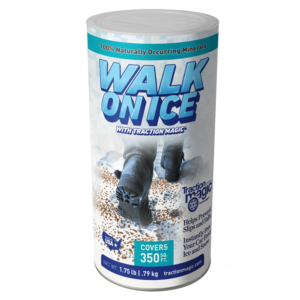
New Product Launch – Ice Traction (with Traction Magic™) Ice Traction is your go-to winter solution for driveways, walkways, parking lots — and even black ice on the road. Unlike salt or ice melts, it delivers instant grip on snow and slippery surfaces with no wait time. Just spread and go.
Prevent slips at home, work or on the go, The handy disposable canister can be taken everywhere, with the same 100% naturally occurring minerals that provide instant traction on ice or snow.
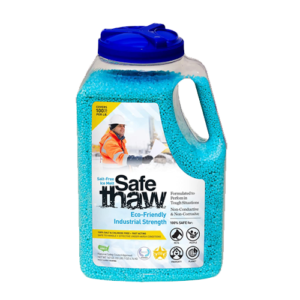
Imagine an ice melt you can put down and never worry about. It won’t harm pets, kids and your property. That’s Safe Thaw. Unlike anything else on the market, Safe Thaw can change how winter affects our planet.
Nature-friendly innovations are Steve’s passion and his products are deeply rooted in this philosophy. “Safe for people, pets, property, and the planet” isn’t just a tagline; it’s the very essence of Steve’s vision.
Driven by a profound respect for our environment, for the last 50 years, Steve is leading the charge towards a future where sustainability isn’t an option but a standard.