



Is Magnesium Chloride Ice Melt Safe For Pets?

Magnesium chloride ice melt is not risk-free for pets. It is sometimes used in products labeled pet-friendly and may be less problematic than some traditional deicing salts, but contact or ingestion can still cause problems. Pets can pick up residue on their paws and ingest it while grooming. Small exposures may cause drooling, vomiting, diarrhea, or irritation, while larger ingestions can lead to dehydration and electrolyte abnormalities. The safest approach is to minimize exposure, wipe paws after treated walks, and keep ice melt containers out of reach.
ASPCA’s current guidance supports this nuanced wording: magnesium chloride may appear in pet-friendly deicers, but it can still cause stomach upset; ASPCA Poison Control identifies larger magnesium chloride ingestions as a concern for vomiting, diarrhea, dehydration, and electrolyte abnormalities. (ASPCApro)
When it comes to the safety of our pets, we want to do everything we can to keep them safe. This includes making sure they are not exposed to chemicals in their environment. While it’s important to keep walkways clear and safe for everyone, you don’t want your pet eating or licking something that could harm them. Yes, we are talking about magnesium chloride ice melt.
Unfortunately, many types of ice melt contain harmful chemicals that can cause serious illness when ingested by animals or humans alike!
Key Takeaways
- Magnesium chloride should not be treated as completely pet-safe. Exposure may cause irritation or gastrointestinal problems.
- Paw licking is a common exposure pathway. Pets can walk through treated areas and later ingest residue while grooming.
- The amount matters. A small incidental exposure is different from eating directly from an ice-melt container.
- Larger magnesium chloride ingestion can cause more serious problems, including dehydration and electrolyte abnormalities.
- Wiping or rinsing paws after winter walks reduces residue exposure.
- The term “pet-friendly” does not guarantee that a deicer is harmless if eaten.
- When evaluating an alternative, check the actual ingredients and safety documentation, not just front-label wording.
ASPCA specifically says there are no special regulatory requirements for calling a deicer “pet safe” and advises caution even with products containing magnesium chloride. (ASPCA)
Magnesium Chloride Ice Melt
Magnesium chloride is also known as a salt, and it’s used to melt ice and snow. It’s found in the form of pellets or crystals, but unfortunately, it can be harmful if ingested by pets.
Ingesting magnesium chloride can cause digestive problems like stomach ulcers. All that salt isn’t good for them either!
Facts About The Rock
Rock salt is one of the most common ice melters, and it’s also one of the most harmful. This is because it’s a chemical compound that can harm pets when ingested, even in small quantities. Rock salt can cause burns to paws and skin, digestive problems, eye irritation, and respiratory problems (including shortness of breath), and make dogs lick the salt off their paws—which then leads to stomach upset.
Eco-Friendly Ice Melt
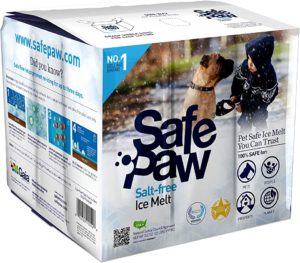
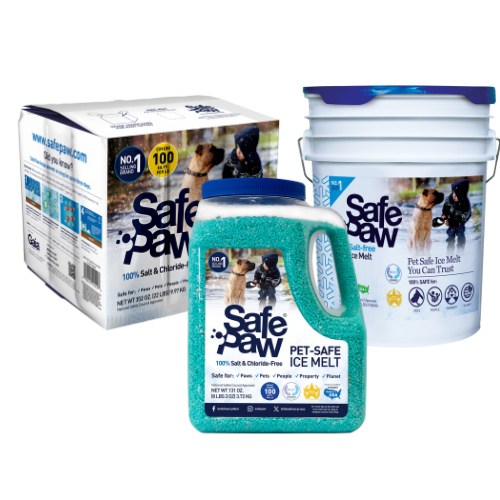
Pet Friendly Ice Melt – Safe Paw!
The Original and the #1 Child and Pet Safe Ice Melt for over 20 years. Guaranteed environmentally safe – will not harm waterways and sensitive wetlands.
Calcium Chloride
Calcium chloride can cause irritation of the skin, eyes, respiratory tract, and gastrointestinal tract. It can also be toxic to cats and dogs. The American Veterinary Medical Association reports that calcium chloride ingestion leads to kidney failure in cats, while ingestion by dogs results in hemolytic anemia (red blood cell destruction), as well as fatal damage to red blood cells when ingested at high enough doses.
Gaia Enterprises Inc. delivers 100% pet-safe and environmentally friendly winter products. Safe Paw, our flagship product, is the #1 selling pet-safe ice melt that does not harm pets, safe if ingested, and safe on all types of concrete.
Potassium Chloride
Potassium chloride is a salt used to melt ice and snow. It can cause irritation to the skin, eyes, and mucous membranes, which can lead to burning or stinging. It may also be harmful if ingested; symptoms include vomiting, diarrhea, and dehydration. Large amounts are fatal.
Important Pet-Safety Limitations
No deicer should be treated as something a pet should intentionally eat. Risk depends on the product’s ingredients, amount of exposure, pet size and individual health. Keep ice-melt containers away from pets, avoid allowing pets to eat treated snow or slush, and wipe or rinse paws after walking over treated surfaces.
If a pet consumes more than a casual lick, develops repeated vomiting, or shows neurological symptoms, ASPCA Poison Control guidance recommends prompt veterinary evaluation. (ASPCApro)

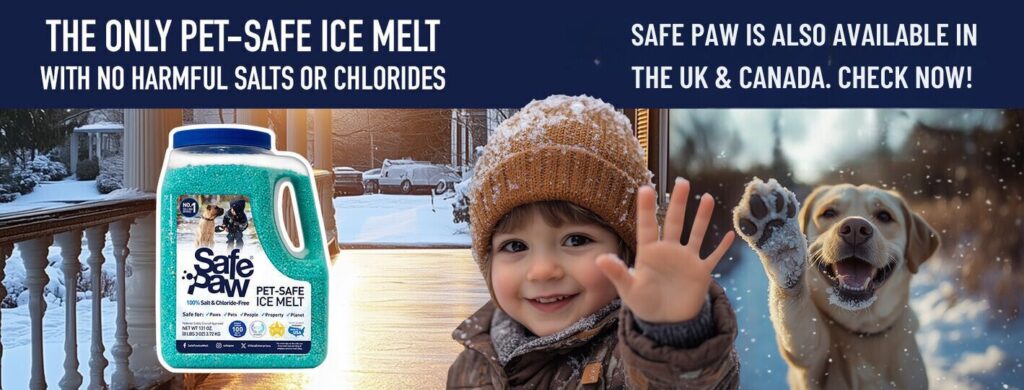
You may be using magnesium chloride ice melt to keep your driveway snow-free, but these products can harm your pets in a variety of ways. These chemicals can cause burns, eye irritation, and respiratory problems. Your pet’s paws come into direct contact with the ice melt when they walk on it, and they may lick their paws as a means of self-soothing. If they ingest too much of the chemical, they could develop vomiting or diarrhea; more serious side effects include seizures or death.
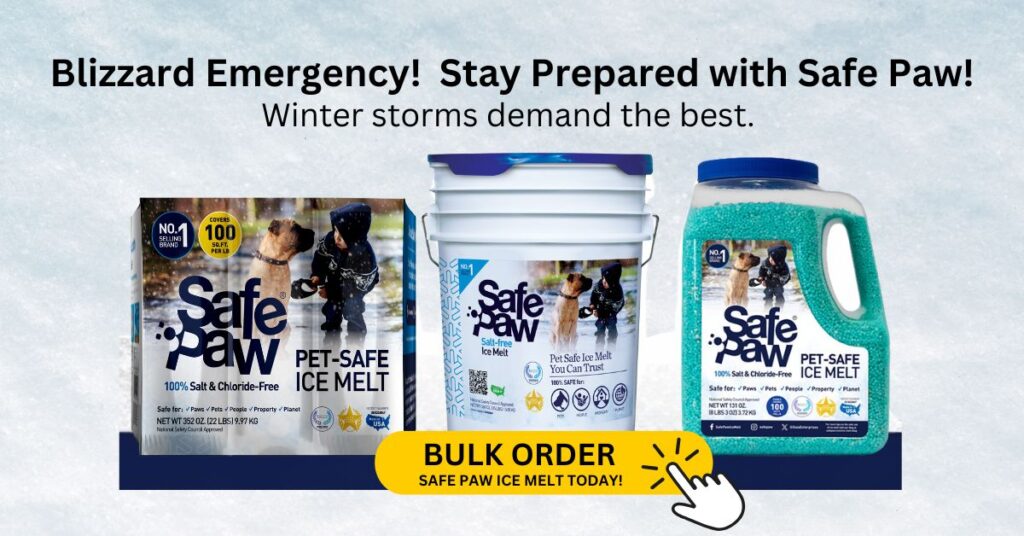
Pet Safe Ice Melt – Safe Paw
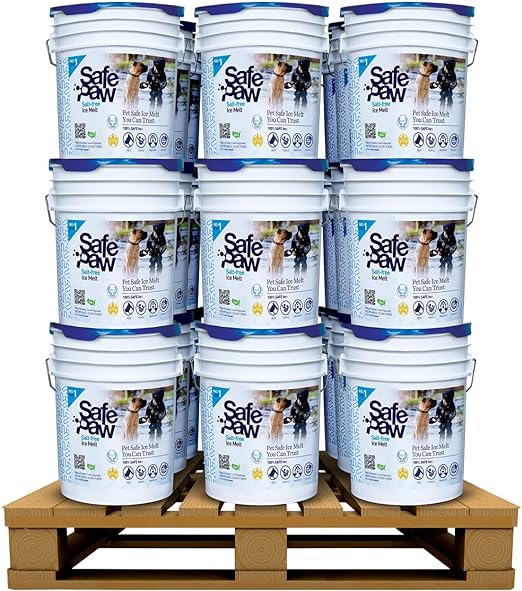
Safe Paw, Child Plant Dog Paw & Pet Safe Ice Melt -35lb, 36 Pails

Safe Paw, Child Plant Dog Paw & Pet Safe Ice Melt -22lb, 100Bboxes
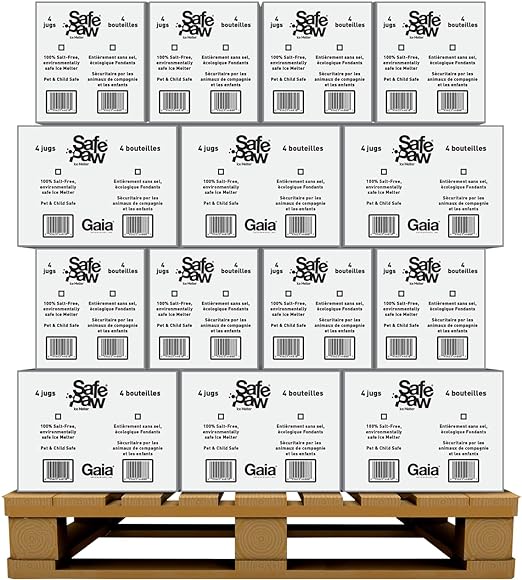
Safe Paw, Child Plant Dog Paw Pet Safe Ice Melt, 160 Jugs

Pet Products Powered By EzPz.pet

How Are Pets Exposed to Magnesium Chloride Ice Melt?
Pets are most commonly exposed when they walk through treated areas and later lick residue from their paws, lick treated pavement or snow, or gain access to an ice-melt container. Direct consumption from a container creates a greater risk than incidental residue exposure. (ASPCApro)
What Happens If a Pet Ingests Magnesium Chloride?
Magnesium chloride ingestion can irritate the gastrointestinal tract. Vomiting and diarrhea are possible, and larger exposures may lead to dehydration or electrolyte abnormalities. Merck Veterinary Manual also notes that excessive magnesium in the blood has been reported in dogs after ingestion of ice melts. (ASPCApro)
Is “Pet-Friendly” the Same as Non-Toxic?
Not necessarily. ASPCA notes that deicers marketed as pet-friendly often contain ingredients such as magnesium chloride or urea, but these products can still cause stomach upset. Ingredient composition, amount ingested, pet size, and the route of exposure all matter. (ASPCA)
Use Pet-Safe Salt Alternatives
Safe Paw is a product that can help you keep your pet’s paws safe during the winter months. It’s chemical-free, salt-free, and acetate-free and comprises natural ingredients. Safe Paw is safe on your pet’s paws!
Magnesium Chloride Benefits
Who’s ever thought about magnesium chloride benefits? This mineral does not only apply to laboratories but has some practical uses that can indeed boost your health. The bioavailability of magnesium chloride is high because it is easily taken up by the body compared to other forms like magnesium oxide and sulfate. Thus, if one wants to increase their intake for this type of mineral, then it will be a good choice.
Common Ice-Melt Ingredients and Pet Considerations
| Ice-melt type | Main pet consideration | Larger ingestion concern |
| Sodium chloride | Paw/GI irritation; excessive ingestion can raise sodium | Sodium toxicosis, neurological signs |
| Magnesium chloride | GI irritation; may be present in “pet-friendly” deicers | Vomiting, diarrhea, dehydration, electrolyte abnormalities |
| Calcium chloride | Strong gastrointestinal and mucosal irritation | Mouth/stomach ulceration may occur |
| Potassium chloride | GI effects possible | Electrolyte abnormalities with significant ingestion |
| Chloride-free formulation | Depends entirely on ingredients | Must evaluate formulation rather than relying on the term “chloride-free” alone |
| Non-melting traction method | Does not chemically melt ice | Different purpose: improves traction rather than melting |
ASPCA Poison Control specifically discusses sodium, potassium, calcium and magnesium chloride as common ice-melt ingredients and distinguishes their exposure concerns. (ASPCApro)
Which Winter Approach Fits Different Pet-Safety Needs?
| Situation | Practical approach |
| Dog frequently licks paws | Minimize deicer contact and clean paws after walks |
| Pet has access to the yard | Keep deicer containers and spilled granules inaccessible |
| Treated public sidewalks | Consider booties and clean paws after returning home |
| Need ice melting at home | Evaluate ingredients and product safety documentation |
| Need grip rather than melting | A traction method may be considered instead of applying more deicer |
| Comparing SafePaw with magnesium chloride | Compare ingredient composition, chloride content and independently supported safety information |
ASPCA specifically recommends paw wiping, avoiding overuse and considering paw booties when deicers are present. (ASPCA)
As you may already know, salt can destroy your property and harm your pets. If you’re looking for a Pet-Safe salt alternative, Safe Paw is the way to go. Safe Paw is an ice melt safe for pets, made from all-natural ingredients, and safe for pets and children. It’s also less messy than DIY ice melters that require regular refills, so it saves you time and energy!
Common Ways Pets Encounter Ice Melt
Pets may be exposed when they:
- Walk across recently treated sidewalks or driveways.
- Lick granules or residue from their paws.
- Eat treated snow or slush.
- Lick water formed from melting treated ice.
- Eat granules directly from an open container or spilled product.
ASPCA Poison Control identifies paw licking, licking treated ground, and direct consumption from a container as common exposure situations. (ASPCApro)
Signs to Watch For After Ice-Melt Exposure
Possible signs can include:
- drooling
- vomiting
- diarrhea
- loss of appetite
- paw or skin irritation
- dehydration after significant gastrointestinal losses
- weakness or neurological abnormalities in more serious cases
The severity varies with the ingredient, amount and individual animal. (ASPCApro)
Magnesium Chloride Ice Melt: Pros and Limitations Around Pets
| Factor | Potential advantage | Limitation around pets |
| Ice melting | Effective deicing ingredient | Effectiveness does not mean risk-free pet exposure |
| “Pet-friendly” formulations | Magnesium chloride is sometimes used in products labeled pet-friendly | Can still cause gastrointestinal irritation |
| Incidental exposure | A small lick is less concerning than direct consumption | Paw licking can repeatedly increase exposure |
| Large ingestion | — | May cause vomiting, diarrhea, dehydration and electrolyte abnormalities |
| Paw exposure | — | Residue can contribute to irritation or licking |
| Winter use | Helps manage slippery surfaces | Requires storage, application and paw-cleaning precautions |
ASPCA makes essentially this distinction: magnesium chloride can appear in “pet-friendly” ice melts, but it still needs to be used cautiously. (ASPCA)
FAQs
Other Ice Melt Products
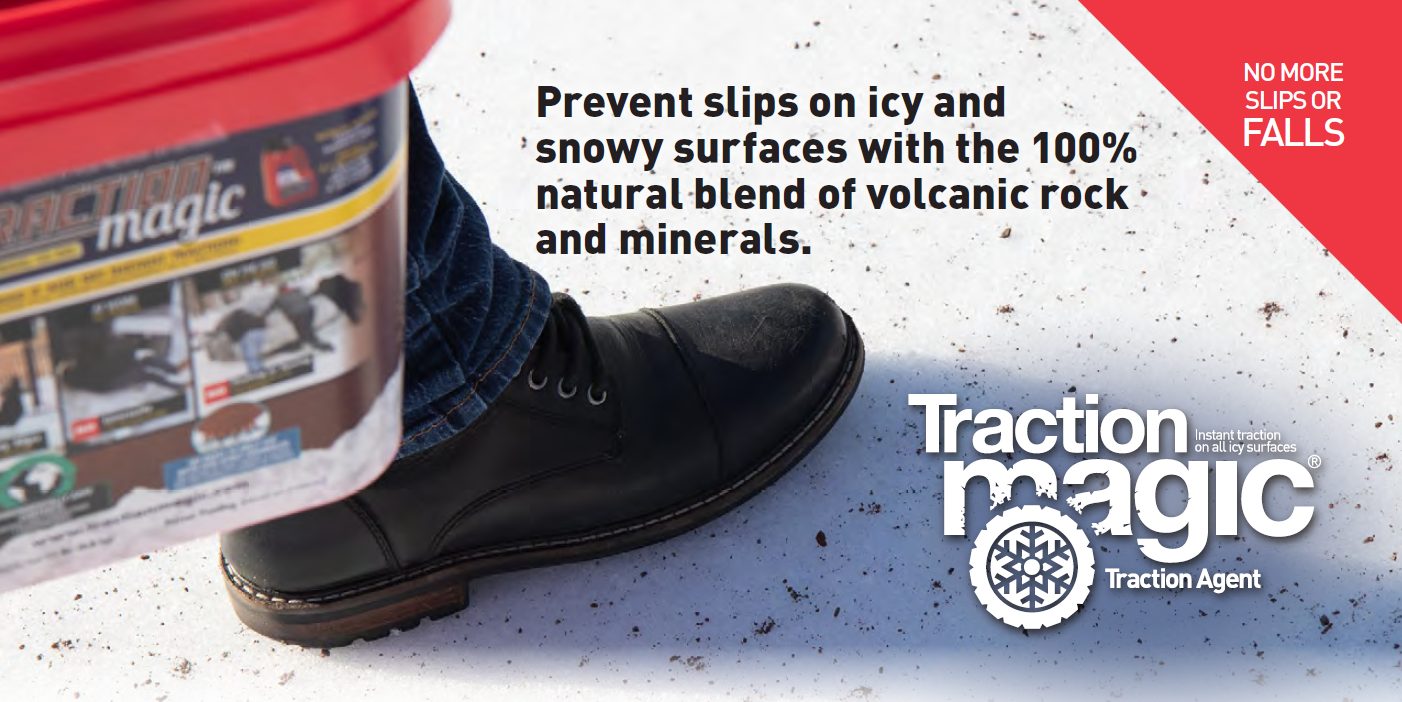
Traction Magic
Stay safe on slippery surfaces with a product that’s 100% natural and safe for pets, people, and your property. Use Traction Magic on sidewalks, steps, or as instant traction for your car.
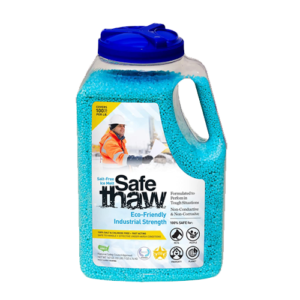
Safe Thaw
Imagine an ice melt you can put down and never worry about. It won’t harm pets, kids and your property. That’s Safe Thaw. Unlike anything else on the market, Safe Thaw can change how winter affects our planet.
Ice Traction (with Traction Magic™)
Ice Traction (with Traction Magic™) is your go-to winter solution for driveways, walkways, parking lots — and even black ice on the road. Unlike salt or ice melts, it delivers instant grip on snow and slippery surfaces with no wait time. Just spread and go.

Safe Thaw
Imagine an ice melt you can put down and never worry about. It won’t harm pets, kids and your property. That’s Safe Thaw. Unlike anything else on the market, Safe Thaw can change how winter affects our planet.
Related Articles
- Is Magnesium Spray Safe For Cats? Winter Safety & Better Alternatives
- Is Magnesium Chloride Safe for Pets? Bulk Pet-Safe Ice Melt Alternatives
- Is Magnesium Chloride Safe for Pets? Evaluating Risks and Safer Alternatives
- Is Magnesium Chloride Ice Melt Safe for Pets? Risks and Safer Alternatives
- Is Magnesium Chloride Safe for Dogs? Evaluating Pet-Friendly Ice Melts