



Safe Paw vs. Other Ice Melting Products: Why It Stands Above the Rest

How Does SafePaw Compare With Other Ice-Melting Options?
SafePaw is a granular, chloride-free ice melt, while many conventional deicers use sodium, calcium, magnesium, or potassium chloride. Chloride-based products can provide effective melting under suitable conditions, but application rate, temperature, pet contact, surface condition, residue, and runoff should be considered. Heated systems melt snow without applying granular deicer, while traction products such as Ice Traction and Walk On Ice improve grip without melting the underlying ice. The most suitable option depends on the surface, temperature, area size, exposure concerns, and whether melting or immediate traction is required.
Quick comparison: Choose a melting product when ice removal is the goal, a traction product when immediate grip is needed, and a heated system when fixed-area automation justifies the installation and operating requirements.
When winter arrives, homeowners and businesses scramble to find the best solution for ice and snow management. From chemical-based deicers to heated driveway mats, there are many options available. But how do these compare to Safe Paw, the leading pet-safe and eco-friendly ice melt? This article takes an in-depth look at Safe Paw vs. various competitors, helping you make an informed decision.
Key Takeaways When Comparing Ice-Melting Products
- Ice melts and traction products perform different functions.
- Sodium, calcium, magnesium, and potassium chloride have different temperature ranges and handling characteristics.
- Product performance depends on pavement temperature, ice thickness, precipitation, application rate, and traffic.
- “Pet-safe” should not be treated as permission for intentional ingestion.
- Concrete age, condition, air entrainment, sealing, and freeze-thaw exposure affect surface suitability.
- Applying more than the label recommends does not necessarily improve melting and can increase residue and runoff.
- Chloride-free describes product composition; it should not be treated as automatic proof of every safety or environmental claim.
- New concrete requires special caution; traction methods such as Ice Traction or Walk On Ice may be more relevant when an ice melt is unsuitable.
Why Safe Paw Stands Out?
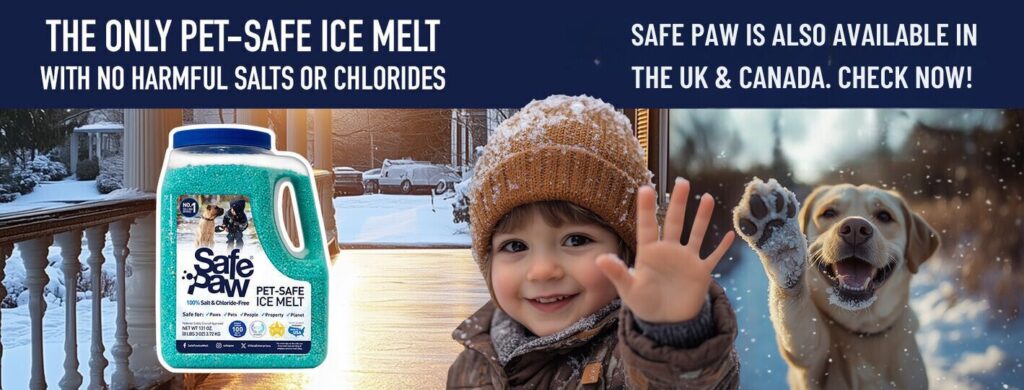
Safe Paw is a 100% salt-free, non-toxic, and chloride-free ice melt, making it the safest option for pets, children, driveways, and the environment. Unlike chemical-based ice melts and alternative heating solutions, Safe Paw does not cause damage to concrete, plants, or waterways.
Pet Safe Ice Melt
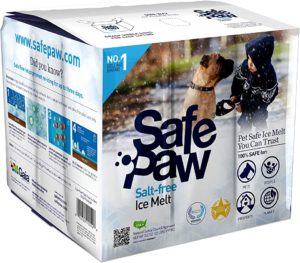
Pet Friendly Ice Melt – Safe Paw!
The Original and the #1 Child and Pet Safe Ice Melt for over 20 years. Guaranteed environmentally safe – will not harm waterways and sensitive wetlands.
Seven Factors to Compare Before Choosing an Ice-Control Method
1. Required Function
Determine whether the objective is to melt ice, prevent bonding, remove snow mechanically, or improve traction. These outcomes require different methods.
2. Pavement Temperature
Compare the product’s stated operating range with the surface temperature, not only the air temperature. Performance generally slows as conditions approach a product’s lower operating limit.
3. Surface Condition
Consider whether the surface is concrete, asphalt, natural stone, wood, metal, pavers, or another material. Age, cracks, sealants, coatings, and drainage also affect compatibility.
4. People and Pet Exposure
Review the current label and product documentation. Avoid unnecessary contact, clean tracked-in residue, and prevent intentional ingestion of any ice-control material.
5. Residue and Cleanup
Consider whether the material may leave granules, a white film, damp residue, or tracked-in grit. Entry mats and prompt cleaning may be required.
6. Runoff and Vegetation
Consider the amount applied, drainage route, nearby soil, plants, wells, storm drains, and surface water. Environmental impact depends on both composition and use.
7. Area and Maintenance Requirements
A small entrance, residential walkway, parking area, and commercial site may require different application equipment, coverage, monitoring, and cleanup.
Ice-Melting and Traction Methods: Pros, Cons, and Use Considerations
| Method | Potential advantages | Limitations | Important considerations |
| SafePaw chloride-free ice melt | Chloride-free granular melting approach; avoids adding chloride salts | Performance depends on temperature, ice conditions, and correct application | Support product-specific claims with current technical documentation |
| Sodium chloride | Widely available; familiar application methods | Reduced performance in colder conditions; chloride residue and runoff | Apply only the recommended amount |
| Calcium chloride | Can work at lower temperatures and acts relatively quickly | Hygroscopic; may leave damp residue; requires careful handling | Confirm surface and exposure suitability |
| Magnesium chloride | Can work in colder conditions than sodium chloride | Attracts moisture; still contributes chloride to runoff | “Less corrosive” or “safer” claims require context and evidence |
| Potassium chloride | May be selected in some blended deicers | Usually less effective at lower temperatures than some alternatives | Excessive application can affect vegetation and soil |
| Heated pavement | No granular deicer required on the heated area; automated operation is possible | Installation, energy, maintenance, and fixed-area coverage | Most relevant where permanent infrastructure is practical |
| Heated mats | Localized melting; removable on some surfaces | Limited coverage; requires a suitable power supply | Follow the mat and surface instructions |
| Ice Traction or Walk On Ice | Provides grip without relying on melting | Does not remove the underlying ice | Useful where immediate traction is the priority |
| Mechanical snow removal | Reduces the quantity of material needed | Requires time, equipment, and repeated effort | Usually the first step before applying another method |
SafePaw vs. Chloride Ice Melts, Heated Systems, and Traction Products
| Option | Primary mechanism | Colder-weather performance | Residue or cleanup | Pet-contact considerations | Surface and environmental considerations |
| SafePaw | Granular chloride-free melting product | Use current product documentation | Remove excess granules and tracked material | Avoid intentional ingestion; clean paws after treated-area exposure | Confirm compatibility and application rate from current documentation |
| Sodium chloride | Lowers water’s freezing point | Performance declines in colder conditions | May leave white or gritty residue | Contact or ingestion may cause irritation or other effects | Chloride runoff can affect plants, water, and infrastructure |
| Calcium chloride | Absorbs moisture and releases heat as it dissolves | Commonly used in colder conditions | May leave a damp or oily-looking film | Avoid paw contact and ingestion | Adds chloride to runoff; confirm surface compatibility |
| Magnesium chloride | Absorbs moisture and forms brine | Often used below sodium chloride’s practical range | Can retain moisture and create tracked residue | Avoid contact and ingestion | Still contributes chloride; impacts depend on quantity and runoff |
| Potassium chloride | Lowers the freezing point of water | Generally limited in colder conditions | May leave mineral residue | Avoid contact and ingestion | High concentrations can affect soil and vegetation |
| Heated pavement | Warms the surface | Depends on system design and output | No granular residue on the heated area | No granular material exposure | Requires installation, energy, and maintenance |
| Heated mats | Localized surface heating | Depends on mat capacity and conditions | No granular residue on the covered area | No granular material exposure | Limited area; requires power and surface compatibility |
| Ice Traction or Walk On Ice | Adds friction | Traction does not rely on melting | Granules may require later cleanup | Avoid intentional ingestion of any foreign material | Does not introduce a melting brine; does not remove ice |
| Mechanical removal | Physically removes snow | Works across temperatures, subject to ice adhesion | Snow must be relocated | No deicer exposure | Labor and equipment requirements vary |
Warnings and Comparison Limitations
- Follow the current label and surface instructions for every product.
- Do not assume that “pet-safe,” “natural,” or “environmentally friendly” means suitable for ingestion or unrestricted use.
- Prevent pets and children from accessing stored ice-control products.
- Clean paws, footwear, and tracked-in residue after exposure.
- Remove loose snow before applying an ice melt.
- Avoid exceeding the label-directed application rate.
- Do not use an ice melt on new concrete unless the concrete and product instructions expressly permit it.
- Test products on a small area when surface compatibility is uncertain.
- Prevent concentrated material from entering storm drains, wells, ponds, or planted areas.
- Heated systems and mats must be used only on compatible surfaces and according to their instructions.
- Traction products improve grip but do not melt or remove the underlying ice.
- Performance temperatures are not directly comparable unless test conditions and measurement methods are the same.
- Product composition alone does not establish total environmental impact; quantity, runoff, energy use, packaging, and cleanup also matter.
Which Ice-Control Method Is Best for Each Situation?
- Best when the goal is melting without adding chloride salts: A verified chloride-free ice melt such as SafePaw, used according to its current instructions.
- Best for immediate grip without waiting for melting: Ice Traction or Walk On Ice.
- Best for new concrete where an ice melt is unsuitable: Mechanical snow removal followed by an appropriate traction method.
- Best for permanent automated treatment of a fixed area: A properly designed heated pavement system.
- Best for a small entrance or short stair section: A compatible heated mat or traction method.
- Best for reducing total product use: Remove loose snow first, monitor surface temperature, and apply only the directed amount.
- Best for areas near vegetation or drainage: Select the method after evaluating composition, runoff path, application quantity, and cleanup.
- Best for pet-access areas: Review ingredients and instructions, minimize excess material, prevent ingestion, and clean paws after outside exposure.
1. Road Salt (Sodium Chloride): A Cheap but Dangerous Deicer
What is Road Salt?
Road salt, scientifically known as sodium chloride (NaCl), is one of the most commonly used deicing agents worldwide. It is widely spread on icy roads, highways, driveways, and sidewalks to lower the freezing point of water, thus preventing ice from forming or breaking down existing ice. Its affordability and easy accessibility make it a go-to choice for many municipalities and homeowners.
However, the low cost of road ice salt comes with a hidden price—long-term damage to infrastructure, environmental pollution, and severe risks to pet health.
The Major Drawbacks of Road Salt
Highly Corrosive
- Sodium chloride is infamous for its corrosive nature. It accelerates the deterioration of concrete, asphalt, metal surfaces, and vehicles.
- Over time, it weakens bridges, damages roadways, and leads to costly repairs.
- It is particularly harmful to reinforced concrete structures, as salt seeps into cracks and rusts the metal reinforcements, further weakening the structure.
Toxic to Pets
- Road salt burns and cracks pet paws, leading to painful wounds and infections.
- If ingested (even in small amounts), it can cause dehydration, vomiting, diarrhea, and even salt poisoning in dogs and cats.
- Pets often lick their paws after walking on salted surfaces, unknowingly consuming the toxic substance.
Environmental Hazard
- Groundwater Contamination: Sodium chloride seeps into soil, contaminating drinking water sources and lakes, leading to increased water salinity.
- Soil Degradation: Excess salt reduces soil fertility, making it difficult for plants to grow.
- Aquatic Life Impact: When road salt washes into streams and rivers, it disrupts ecosystems, harming fish and other marine life.
Limited Effectiveness in Extreme Cold
- Road salt only works above 15°F (-9°C).
- Below that, it loses effectiveness, meaning large amounts must be used to get results, exacerbating its environmental and structural damage.
Safe Paw effectively melts ice at lower temperatures without corroding surfaces or harming pets, wildlife, or the environment. Its salt-free and chloride-free formula ensures complete safety for pets, driveways, and plants.
2. Calcium Chloride: Powerful but Problematic
What is Calcium Chloride? What is calcium chloride used for?
Calcium chloride (CaCl₂) is a high-performance ice melt used in extremely low temperatures down to -25°F (-32°C). Due to its effectiveness, it is widely used for deicing highways, airports, and commercial properties. It absorbs moisture from the air, creating an exothermic reaction that generates heat to melt ice quickly.
However, despite its power, calcium chloride pellets comes with serious risks.
The Major Drawbacks of Calcium Chloride flakes
Leaves an Oily Residue
- Calcium chloride absorbs moisture from the air, making surfaces slick and slippery.
- The residue can stick to floors, shoes, and pet paws, leading to unwanted tracking inside homes.
Harmful to Pets
- Severe paw burns and irritation: Calcium chloride draws moisture from anything it touches, causing painful paw cracking and burns in pets.
- Digestive issues: If pets ingest even a small amount, it can cause vomiting, excessive thirst, and gastrointestinal problems.
- Respiratory distress: Inhaling calcium chloride dust can irritate the lungs and worsen breathing conditions.
Concrete Damage & Expensive Repairs
- Calcium chloride increases the freeze-thaw cycle, leading to cracking, scaling, and surface deterioration.
- Concrete treated with calcium chloride ages faster, leading to costly repairs or full driveway replacements.
Pet Safe Ice Melt – Safe Paw
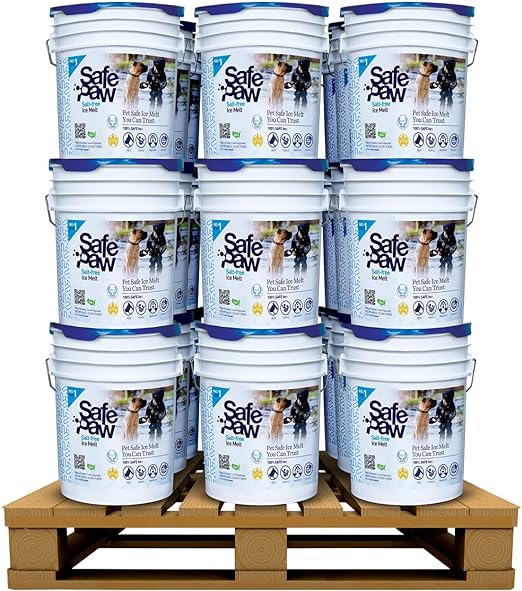
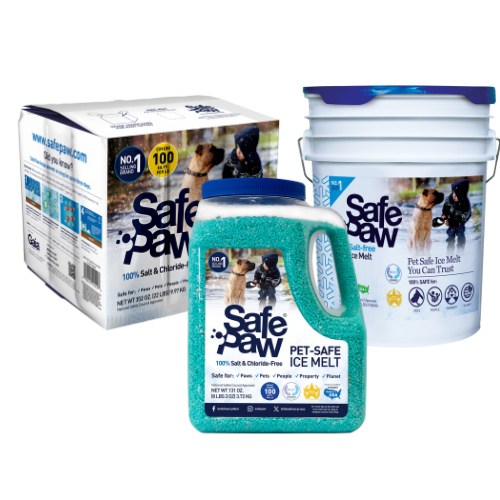
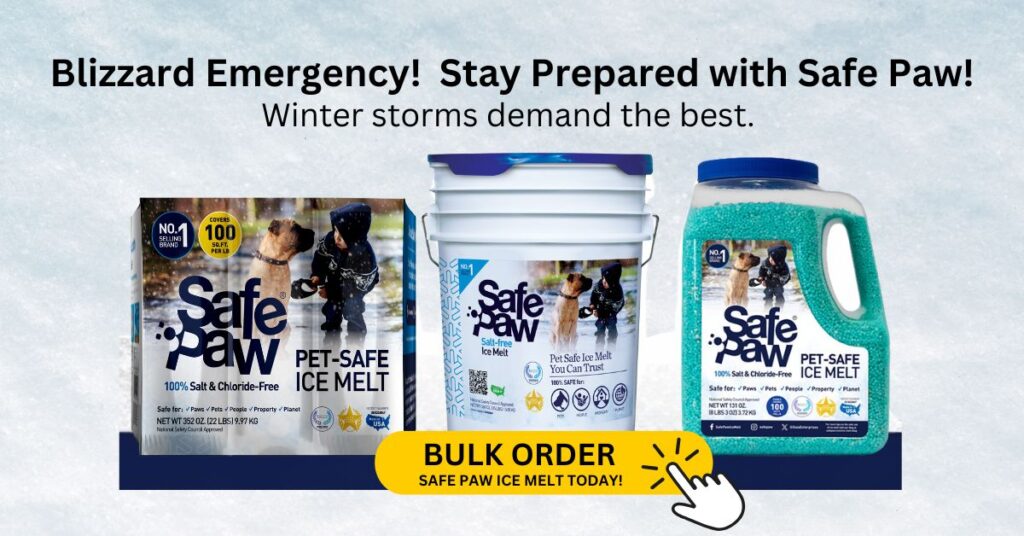
Safe Paw, Child Plant Dog Paw & Pet Safe Ice Melt -35lb, 36 Pails

Safe Paw, Child Plant Dog Paw & Pet Safe Ice Melt -22lb, 100Bboxes
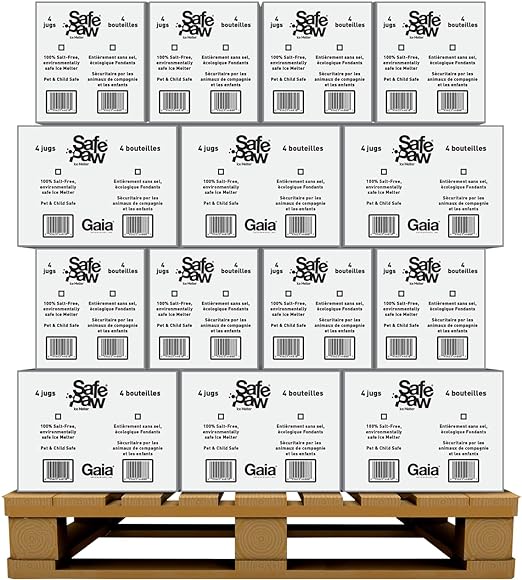
Safe Paw, Child Plant Dog Paw Pet Safe Ice Melt, 160 Jugs

Pet Products Powered By EzPz.pet


3. Magnesium Chloride Brine: The “Safer” Salt That’s Still Harmful
What is Magnesium Chloride?
Magnesium chloride (MgCl₂) is a hygroscopic salt, meaning it absorbs moisture from the air to dissolve ice. It is often marketed as a “pet-safe” alternative to traditional road salts, as it is less harsh than sodium or calcium chloride. However, it is not completely safe—especially for pets, concrete, and the environment.
The Major Drawbacks of Magnesium Chloride
Not 100% Pet-Safe
- Magnesium chloride is less toxic than calcium chloride but still causes paw irritation and mild burns.
- If ingested, it can cause nausea, vomiting, and excessive thirst in pets.
- It leaves a sticky residue, which pets lick off their paws, increasing ingestion risks.
Absorbs Moisture & Creates Slippery Surfaces
- Magnesium chloride pulls moisture from the air, making surfaces wet and slippery.
- This can lead to accidental slips and falls on treated sidewalks and driveways.
Environmental Concerns
- Soil Damage: Magnesium chloride flakes raises soil salinity, making it harder for plants to absorb water.
- Water Pollution: Magnesium chloride flakes runoff contaminates rivers, lakes, and drinking water supplies.
- Corrosion Issues: While less corrosive than sodium chloride, it still damages concrete, vehicles, and metal surfaces over time.
4. Potassium Chloride Salt: Is It Truly a Safer Alternative?
So, what is potassium chloride? Potassium chloride’s salt chemical formula is (KCl). KCl is sometimes marketed as a safer deicer compared to traditional road ice salt (sodium chloride). While it does have a slightly lower environmental impact than some other ice salts, it still carries several drawbacks:
Effectiveness in Cold Weather
- Potassium chloride salt is only effective above 15°F (-9°C), which means in extreme cold, it fails to prevent ice buildup.
- During harsh winter storms with sub-zero temperatures, KCl alone will not keep walkways, driveways, or icy roads ice-free.
Impact on Pets
- Although some claim it to be “safer” for pets, potassium chloride still causes paw irritation.
- It pulls moisture away from surfaces, meaning if animals walk on it, their paws may become dry and cracked, leading to pain and discomfort.
- If ingested, it can contribute to dehydration and stomach upset in pets.
Damage to Plants and Soil
- Potassium chloride affects soil health when used in large amounts.
- It builds up in the ground, altering potassium levels and harming plant life, making it unsuitable for areas near gardens or lawns.
- Runoff from melted snow containing KCl can pollute water sources, harming aquatic life.
While it might be slightly less harsh than calcium chloride pellets or sodium chloride, potassium chloride is not truly a pet-safe or plant-safe option.
Gaia Enterprises Inc. delivers 100% pet-safe and environmentally friendly winter products. Safe Paw, our flagship product, is the #1 selling pet-safe ice melt that does not harm pets, safe if ingested, and safe on all types of concrete.
5. Heated Driveway Mats: A Luxury or a Necessity?
Heated driveways sound like an ideal solution, but they come with a hefty price tag and practical limitations.
Installation Costs and Complexity
- A heated driveway requires electric or hydronic heating elements embedded under the pavement, which must be installed during construction or require major renovations.
- The average installation cost ranges between $12,000-$25,000, making it one of the most expensive solutions for snow and ice management.
- If the system fails, repairs can be costly and disruptive.
Energy Consumption and Ongoing Costs
- Electric-based heated driveways consume large amounts of power, which significantly increases energy bills, especially in colder months.
- Hydronic systems, which use heated water flowing through pipes under the pavement, also require energy and ongoing maintenance.
Limited Functionality
- Heated driveways only work on the driveway—they don’t help with sidewalks, steps, porches, or pathways, meaning additional snow removal methods are still needed.
Heated driveways are certainly effective, but they are not a realistic solution for most homeowners due to their high upfront and maintenance costs.
6. Snow Melting Mats & Heated Non-Slip Stair Treads: Convenient, But Limited
Snow melting heat mats are portable electrically heated pads designed to be placed on driveways, walkways, or staircases. While they offer some advantages, they are not a universal solution for winter weather.
Portable and Electric Heating Pads: A Convenient Heat Source
Portable and electric heating pads are widely used in winter for providing localized warmth. These heating pads come in various sizes and designs, catering to different needs—whether for personal use, pet care, or de-icing applications. Portable heating pads are often battery-operated or rechargeable, making them easy to carry and use without relying on an electrical outlet. They are commonly used for relieving muscle stiffness, keeping pets warm, or even preheating car seats on frigid mornings. Some advanced versions include adjustable heat settings and auto shut-off features for safety. While they offer immediate comfort, their effectiveness is limited to small areas, and they require regular recharging or battery replacements.
Electric heating pads, on the other hand, offer continuous heat supply as long as they remain plugged in. They are particularly useful in home settings where individuals seek relief from cold weather aches or use them for targeted warmth in outdoor enclosures like garages or pet shelters. Some homeowners attempt to use heating pads to melt ice, but this method is neither practical nor energy-efficient. Unlike traditional deicers, heating pads do not distribute heat evenly over large surfaces, and they pose potential fire hazards if left unattended. Additionally, excessive reliance on electric heating solutions can increase energy bills significantly. While these pads serve a purpose in providing warmth, they should not be mistaken for effective outdoor ice management tools.
Non-Slip Stair Treads: A Practical Safety Solution for Winter
Non-slip stair treads are a simple yet effective way to enhance safety on icy or snow-covered steps during winter. These treads, often made from rubber, vinyl, or heavy-duty adhesive materials, provide extra grip, reducing the risk of slips and falls—especially in high-traffic areas like porches, decks, and commercial entrances. Some non-slip treads feature abrasive grit textures, while others use water-resistant rubberized surfaces for added traction. Unlike traditional deicing methods, stair treads don’t melt ice but instead offer immediate stability by preventing direct contact with slippery surfaces. However, while they improve traction, their effectiveness can be limited in extreme weather conditions, as snow and ice may accumulate on top of them, requiring regular maintenance and clearing. For best results, non-slip stair treads are often used in combination with ice melts or heated stair mats to keep stairs clear and safe throughout the winter months.
Pros:
Instant Ice Melting – They start melting ice as soon as they are powered on, making them useful for high-traffic areas.
Pet & People Friendly – Since they don’t use chemicals, they are safe for both pets and humans.
Easy to Use – They don’t require rock salt spreader for spreading or manual labor, making them convenient for homeowners who prefer to avoid snow shoveling or using deicers.
Cons:
Expensive – A single mat can cost anywhere between $100-$300, and covering an entire driveway or walkway requires multiple mats, making it an extremely costly solution.
High Energy Consumption – Just like heated driveways, these mats require electricity, which increases monthly utility costs.
Limited Coverage – They only work where they are placed, meaning if snow piles up around them, ice can still accumulate.
Overheating Risks – Leaving them on for too long poses a fire hazard and can damage some surfaces if used improperly.
Snow melting mats provide quick relief for small areas, but they are not a practical long-term or large-scale solution for handling winter ice and snow.
7. Best Snow Shovel & Traction Aids (Kitty Litter, Sand, Walk on Ice)
For those who prefer to avoid chemicals or technology look for best snow shovels. However, it has its own set of challenges.
Physical Strain and Health Risks
- Snow shoveling is physically demanding, and if done improperly, it can lead to muscle strains, back pain, and even heart attacks.
- Cold temperatures increase blood pressure and heart rate, making it particularly dangerous for older individuals or those with heart conditions.
Time-Consuming
- Clearing snow manually takes significant effort and time, especially after heavy snowfall.
- Without pre-treatment, snow can harden into ice, making it even harder to remove with a shovel alone.
Ineffective for Ice Removal
- Even the best of the best snow shovels only remove loose snow—they cannot break through thick ice layers.
- In extreme cold, packed snow turns to ice, requiring additional traction or melting agents to make surfaces safe.
While snow shoveling is affordable and low-tech, it is not the best solution for frequent or heavy snowfall.
While it’s a physical and time-consuming task, it is often the first line of defense against snow accumulation. However, shoveling alone does not prevent ice buildup, leading people to seek additional traction aids like kitty litter, sand, or gravel. These alternatives, while commonly used, come with their own limitations:
- No Ice Melting Properties – Traction aids do not melt ice; they merely provide a temporary grip. The underlying ice remains, posing continued risks.
- Messy Residue – Sand, gravel, and kitty litter can create a slushy mess as temperatures fluctuate. Once the snow melts, these materials are left scattered, clogging drains and making cleanup a hassle.
- Limited Effectiveness in Extreme Cold – In deep freezes, snow and ice can refreeze over traction materials, rendering them ineffective. The particles can also compact into a slippery layer, increasing rather than decreasing fall risks.
For those looking for better traction solutions, specialized traction agents like Walk on Ice offer a more efficient alternative. Unlike sand or kitty litter, Walk on Ice provides superior grip without the messy residue, keeping pathways and driveways safer during icy conditions.
8. Pet Heating Pads & Outdoor Dog Kennel with roof
Keeping pets safe and warm during winter is a major concern for pet owners. Many rely on heated pet mats, insulated blankets, and outdoor dog kennel with roof to maintain warmth for animals that spend time outside. While these solutions help combat cold temperatures, they do not address the dangers of ice buildup:
- Heated Mats Only Provide Warmth – A heated pet mat can keep an animal’s resting spot comfortable, but it does nothing to prevent ice accumulation on surrounding areas where pets walk, increasing the risk of slips and injuries.
- Outdoor Kennels Are Limited in Protection – Insulated kennels may protect pets from wind and snow but do not shield them from exposure when they need to step outside. Icy patios, pathways, and driveways remain hazardous for pet paws.
- Risk of Frostbite & Chemical Burns – Even with adequate shelter, pets still venture outside for bathroom breaks or walks. Exposure to toxic ice melts can lead to chemical burns on paws or poisoning if licked off fur.
To fully protect pets in winter, it’s important to pair warming solutions with an ice melt that is safe for animals. Ensuring walkways are free of slippery ice while using non-toxic, pet-friendly products can help prevent winter-related injuries and illnesses.
Many people believe all deicers are created equal, but different chemical compounds have varying effects on pets, concrete, and the environment. Here’s how common ice-melting agents stack up:
- Sodium Chloride (Rock Salt) – Cheap and widely used, but highly corrosive to concrete and metal, damaging driveways and vehicles over time. It is also toxic to pets, causing paw burns and dehydration.
- Calcium Chloride – Effective at very low temperatures but harsh on concrete and leaves behind an oily residue that can cause slipping. It can also cause burns on pet paws upon contact.
- Magnesium Chloride – Marketed as “pet-safe,” but it absorbs moisture, creating slippery surfaces. It can still irritate pet paws and contribute to soil and water contamination.
- Potassium Chloride – Less corrosive than some salts, but only works at higher temperatures (above 15°F) and can damage plants when over-applied.
Conclusion: Choosing the Best Winter Safety Solution
Ice-control methods should be compared by function, temperature, surface condition, exposure, residue, runoff, and maintenance requirements rather than by a single “best” label. SafePaw is a chloride-free melting option, while sodium, calcium, magnesium, and potassium chloride products use salt-based freezing-point depression. Heated systems avoid granular application on the heated area but require energy and infrastructure. Ice Traction and Walk On Ice provide grip rather than melting ice. Mechanical snow removal remains an important first step because it can reduce the amount of any additional material required. Before selecting a method, review current product documentation and the needs of the specific surface and site.
FAQs

New Product Launch – Ice Traction (with Traction Magic™)
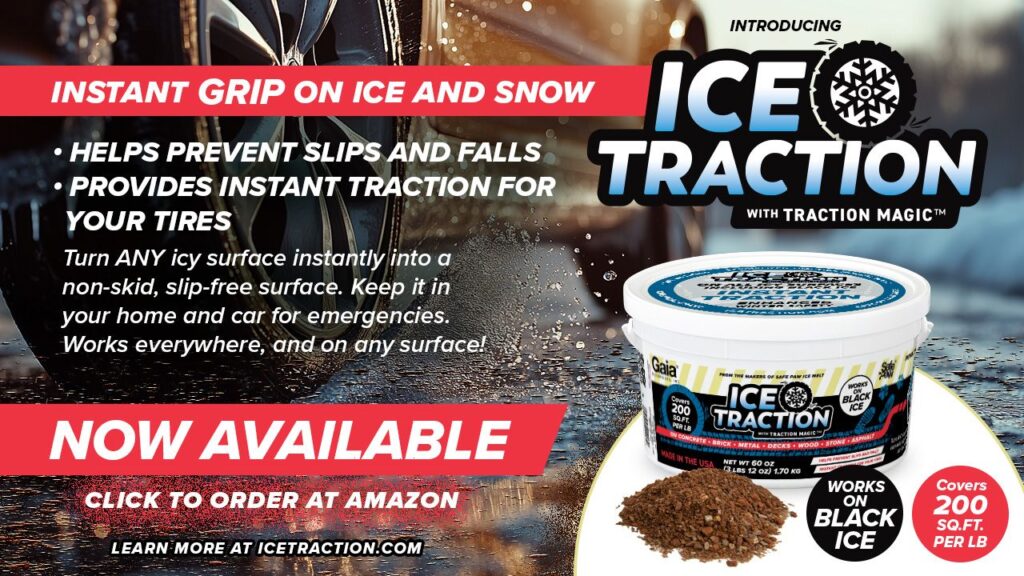
Ice Traction is your go-to winter solution for driveways, walkways, parking lots — and even black ice on the road. Unlike salt or ice melts, it delivers instant grip on snow and slippery surfaces with no wait time. Just spread and go.
Other Ice Melt Products
Walk On Ice
Prevent slips at home, work or on the go, The handy disposable canister can be taken everywhere, with the same 100% naturally occurring minerals that provide instant traction on ice or snow.
Safe Thaw
Imagine an ice melt you can put down and never worry about. It won’t harm pets, kids and your property. That’s Safe Thaw. Unlike anything else on the market, Safe Thaw can change how winter affects our planet.
Related Articles
- Safe Paw vs. Other Ice Melting Products: Why It Stands Above the Rest
- Understanding Ice Melting Salts: A Comparative Guide
- Diving Deep Into The Melting Point Of Ice.
- Decoding What Salt Does To Ice Molecules
- Why Salt Can Make Ice Colder