



Should You Put Ice Melt Down Before Snow?
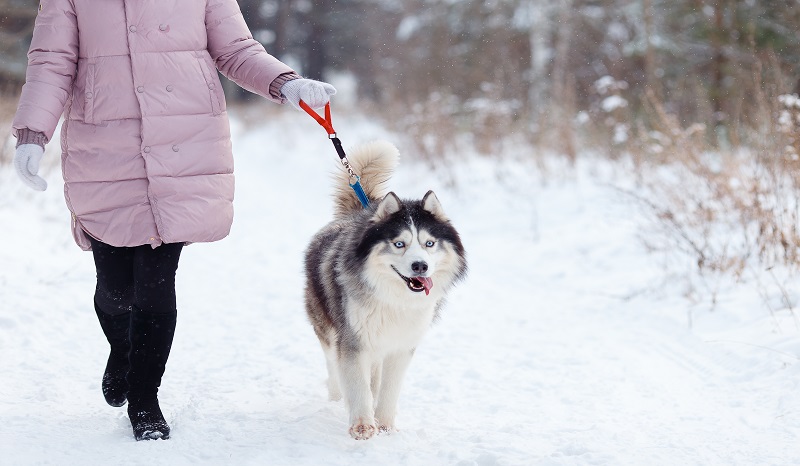
Yes. Applying ice melt before snowfall can help prevent snow and ice from bonding tightly to pavement surfaces, making later removal easier. Pre-treatment works by creating conditions that reduce ice adhesion when snow begins to accumulate.
Best Time to Apply Ice Melt Before Snow
- Before snowfall begins
- When temperatures are approaching freezing
- Before ice forms on walkways
- According to product application instructions
Ice melt is a solution for dealing with snow and ice, and it has its advantages when used appropriately. However, how you use it is crucial. While there are many products on the market, there are many misconceptions regarding the effective use of ice melt. Understanding what it is and how it works can help you better understand how to use ice melt to melt snow and prevent ice accumulation.
For a long time, rock salt has been one of the most widely utilized materials for melting snow and ice. There are also clear disadvantages to using it, including concrete, pet and plant damage. Natural products like Safe Paw ice melt are safe for pets, plants, and concrete while being effective on all surfaces and temperatures.
Key Takeaways: Using Ice Melt Before Snow
- Pre-treatment can reduce how strongly snow bonds to surfaces.
- Timing affects how well ice melt performs.
- Ice melt does not replace snow removal.
- Application amount matters; more product does not always improve results.
- Surface type, temperature, and weather conditions influence performance.
- Pet safety and surface compatibility should be considered when selecting ice melt.
- Follow product-specific directions for application.
Ice Melt Safe For Pets And Concrete
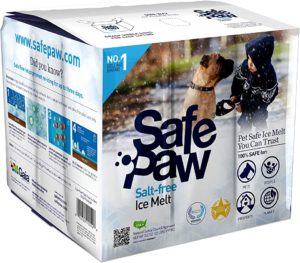
Pet Friendly Ice Melt – Safe Paw!
The Original and the #1 Child and Pet Safe Ice Melt for over 20 years. Guaranteed environmentally safe – will not harm waterways and sensitive wetlands.
Best Time to Apply Ice Melt Before a Snowstorm
The ideal timing depends on the weather conditions and product instructions. In general, applying ice melt shortly before snowfall begins allows the material to be present when snow first contacts the surface.
Factors That Affect Timing
| Factor | Why It Matters |
| Temperature | Influences ice formation and melting performance |
| Snow intensity | Heavy snowfall may require additional removal |
| Surface condition | Existing ice may require different treatment |
| Product formulation | Different materials perform differently |
| Traffic | Foot and vehicle movement can affect coverage |
How Does Ice Melt Before Snow Work?
Pre-treatment uses ice melt before or during the beginning of snowfall to reduce the bond between snow, ice, and the surface underneath. When moisture interacts with the ice melt, it can create a thin solution layer that makes later snow removal easier.
Ice melt applied before snowfall
↓
Snow begins accumulating
↓
Moisture interacts with ice melt
↓
Bond between snow and surface is reduced
↓
Snow removal becomes easier
What is ice melt — and how does it work?
Ice melts lower the freezing point of water (freezing-point depression) or absorb moisture/heat to break ice bonds. Common active ingredients include sodium chloride (rock salt), calcium chloride, magnesium chloride, potassium chloride, and urea. Different formulas have different low-temperature performance and safety profiles.
Should you put ice melt down before the snow?
Yes — applying an appropriate ice melt just before a storm or as the first flakes fall creates a light brine that prevents snow from bonding tightly to surfaces, making shoveling or plowing easier later. Pre-treatment is frequently recommended by winter-care guides and product experts.
At What Temperature Does Snow Stick?
Snow generally begins sticking when temperatures are at or below 32°F (0°C). However, surface temperature, humidity, wind, sunlight, and ground conditions also influence whether snow accumulates and bonds to surfaces.
Snow and Ice Conditions by Temperature
| Temperature Range | Typical Condition |
| Above 32°F (0°C) | Snow may melt more quickly |
| Around 32°F (0°C) | Snow can begin sticking depending on conditions |
| Below freezing | Ice bonding becomes more likely |
| Very cold temperatures | Some ice melts become less effective depending on formulation |
Pre-treating is most effective when you use the right product for the temperature and surface — and when you apply it in a thin, even layer.
Ice Melt Before Snow vs After Snow: Which Approach Is Used?
| Application Timing | Purpose | Consideration |
| Before snowfall | Helps reduce snow bonding | Requires accurate timing |
| During snowfall | Helps manage accumulation | May require monitoring |
| After snowfall | Helps loosen existing ice | May require more removal effort |
When Should You Apply Ice Melt?
Timing is key when it comes to applying ice melt. The general rule is to be proactive. It’s always better to apply it before snow starts falling or as soon as the first flakes hit the ground. Applying ice melt ahead of a storm allows it to create a barrier that helps prevent snow from bonding to surfaces, making it easier to remove afterward.
- Before a Storm: The best time to apply ice melt is just before a snowstorm or freezing rain starts. Pre-treating your driveway or walkways creates a melting action that prevents ice from bonding to surfaces. This proactive approach can significantly reduce the need for reapplication.
- During Snowfall: If you missed the pre-treatment window, applying ice melt during snowfall is still beneficial. It helps reduce ice buildup and makes shoveling or snow removal much easier.
- After Snow Removal: Once you’ve shoveled or plowed, a light layer of ice melt can prevent residual snow and moisture from refreezing into slippery ice patches.
Ice Melt Ingredients: What Should You Consider?
| Ingredient Type | Considerations |
| Sodium chloride (rock salt) | Common and inexpensive; performance decreases in colder temperatures and chloride exposure can affect surfaces and vegetation |
| Calcium chloride | Effective at lower temperatures but chloride exposure and surface compatibility should be considered |
| Magnesium chloride | Chloride-containing deicer; evaluate environmental and surface considerations |
| Chloride-free ice melt | Reduces chloride salt exposure; evaluate complete formulation |
How to Apply Ice Melt Before Snow
Step 1: Clear Existing Snow and Debris
Start with a clean surface when possible.
Step 2: Apply Evenly
Avoid concentrated piles.
Step 3: Follow Product Directions
Application amounts vary by formulation.
Step 4: Monitor Weather Conditions
Snow intensity and temperature affect results.
Step 5: Remove Snow After Storm
Ice melt helps with bonding but does not replace physical snow removal.
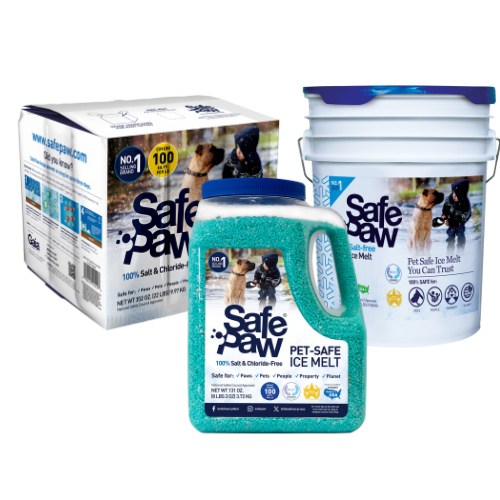
Pet Safe Ice Melt – Safe Paw
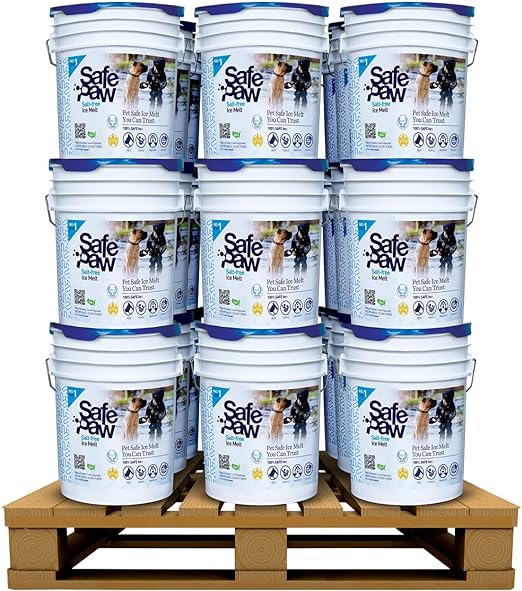
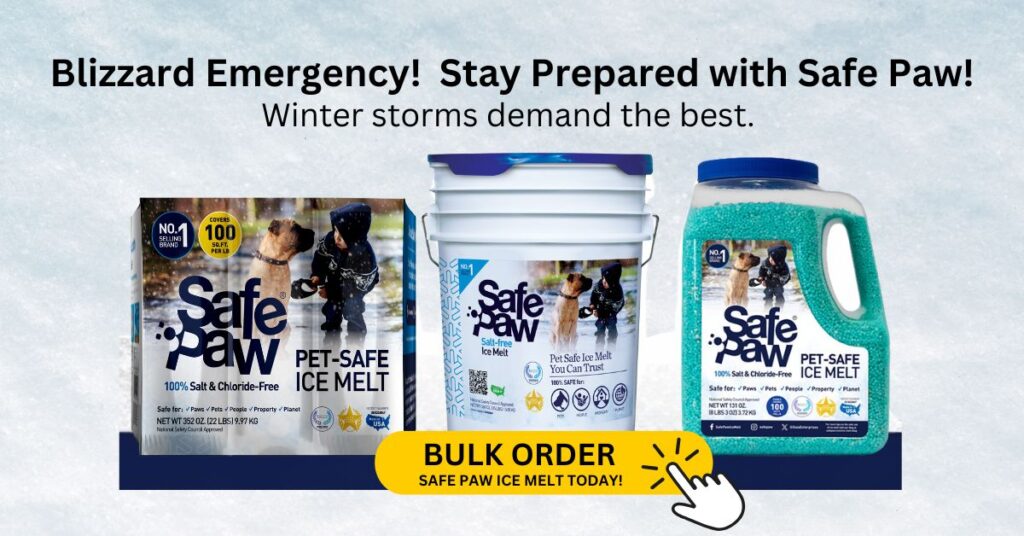
Safe Paw, Child Plant Dog Paw & Pet Safe Ice Melt -35lb, 36 Pails

Safe Paw, Child Plant Dog Paw & Pet Safe Ice Melt -22lb, 100Bboxes
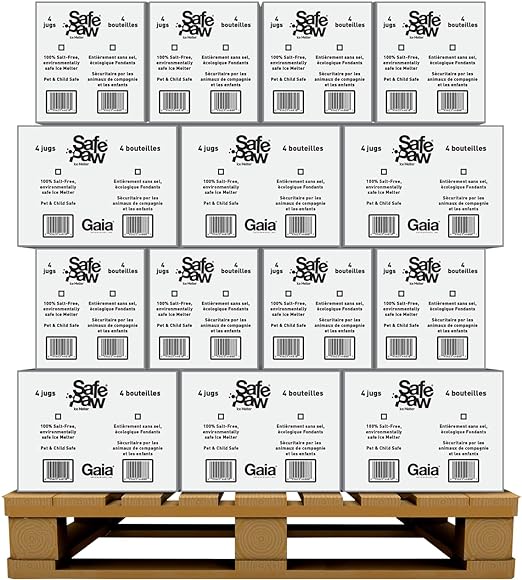
Safe Paw, Child Plant Dog Paw Pet Safe Ice Melt, 160 Jugs

Pet Products Powered By EzPz.pet


Applying Ice Melt on Different Surfaces
| Surface | Consideration |
| Concrete | Consider surface condition and product compatibility |
| Brick pavers | Consider porosity and joint materials |
| Asphalt | Consider temperature and application instructions |
| Metal stairs | Consider corrosion exposure |
| Pet-access areas | Consider ingredients and residue |
How To Apply Ice Melt Effectively
Knowing when to apply ice melt is important, but how you apply it is equally critical. Follow these tips for a safer, more effective winter maintenance routine.
- Even Distribution: Don’t dump large piles of ice melt in one spot. Spread it evenly across your surface. Using a handheld or push-style spreader can help you get even coverage without overapplying. Overuse not only wastes product but also increases the risk of concrete and plant damage.
- Don’t Overapply: More isn’t always better. Applying too much ice melt can lead to residue buildup, which can damage concrete, corrode surfaces, or even harm plants and pets. Always follow the manufacturer’s recommended amount for proper application.
- Choose the Right Type of Ice Melt: Not all ice melts are created equal. Some are harsher on surfaces like concrete and can harm pets or plants. Here’s a breakdown of the types of ice melt you should consider:
Pre-Treating With Ice Melt: Benefits and Limitations
| Benefits | Limitations |
| Can reduce snow bonding | Requires correct timing |
| May simplify snow removal | Does not eliminate shoveling |
| Helps prepare surfaces before storms | Heavy snowfall may require reapplication |
| Can improve winter readiness | Effectiveness depends on conditions |
Which ice melts should you avoid — and why?
- Sodium chloride (rock salt): inexpensive and common, but less effective in deep cold and can corrode concrete, metal, and harm plants and pets if overused.
- Calcium chloride: melts at very low temperatures but is more corrosive and can cause more severe paw/skin irritation and concrete damage if misused.
- Magnesium chloride: often marketed as gentler, but still a chloride that can cause corrosion and environmental impacts in runoff—use cautiously near sensitive areas.
If protecting pets, plants, and concrete is a priority, avoid routine use of high-chloride products close to those surfaces.
What type of ice melt should you choose instead?
- Pet-friendly / chloride-free formulas — milder on paws, plants, and concrete while still preventing ice bonding when applied correctly. Examples include engineered urea-modified and glycol-infused blends like Safe Paw.
Are Homemade Ice Melts Effective Before Snow?
Homemade ice melt mixtures can vary widely in ingredients, concentration, and performance. Their effectiveness and surface compatibility may be difficult to predict compared with products that provide specific application guidance.
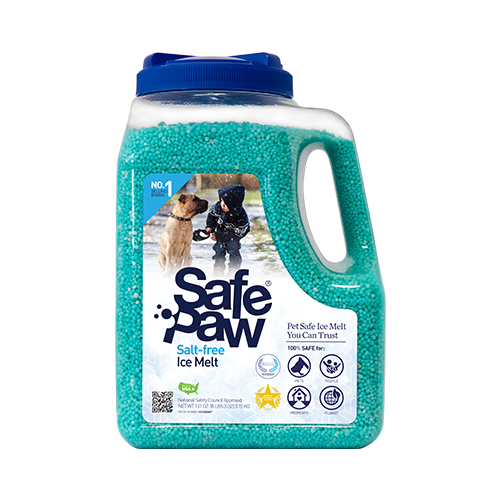
Safe Paw melts at -2°F, is PEOPLE & PET SAFE, NON-CORROSIVE, has LONG SHELF LIFE, and an EXCELLENT SPREAD RATE.
Paw Safe Ice Melt
Safe Paw
The Original and the #1 Pet and Child Safe Ice Melt for over 20 years. Guaranteed environmentally safe – will not harm waterways and sensitive wetlands.
Tips For Getting The Most Out Of Ice Melt
- Fresh snow must be removed before using ice melt, whether by shoveling, plowing, blowing, or sweeping.
- Overuse of ice melt results in more products being tracked into your facility unintentionally, causing damage to your floors.
- It is critical not only for determining the amount but also for ensuring safety and application.
- Read and follow the instructions given on your ice melt packaging. Do check the ingredients of your ice melt before making the final purchase.
- Ice melt tracked inside is ugly and even dangerous to floors. Hence, do not forget to clean it up.
Preventive Measures:
- Monitor Weather Forecasts: Stay informed about upcoming snowfall and freezing conditions.
- Pre-Treat Surfaces: Apply ice melt before snowfall to create a protective barrier.
- Clear Debris: Remove leaves and debris to prevent them from freezing to surfaces.
- Even Application: Apply ice melt evenly to ensure thorough coverage.
- Prompt Cleanup: After snowfall, clear snow and slush to prevent ice buildup.
- Alternative Options: Consider non-corrosive ice melt alternatives like Safe Paw for surfaces vulnerable to damage.
Why Choosing a Pet Friendly Ice Melt Is Better Than DIY Hacks
Homemade solutions are often praised for being natural and cost-effective, but they’re not always the safest—or most effective—choice, especially for pet owners. Many DIY ice melts include ingredients like vinegar, alcohol, or fertilizers, all of which can pose a risk to your furry friends. Even sugar and beet juice, though considered gentler alternatives, leave behind sticky or staining residues and can become ingestion hazards. This is why homeowners should make the shift to a pet friendly ice melt that doesn’t compromise safety for the sake of convenience.
Products like Safe Paw are formulated with pets in mind—no salts, no chlorides, and no caustic chemicals. And if you’re specifically worried about surface damage, Safe Paw is also widely considered the best ice melt for concrete. Where most chloride-based melts might begin corroding concrete over time, Safe Paw works without attacking the surface or leaching into the surrounding soil. This makes it a smart and sustainable upgrade over inconsistent homemade recipes.
Another thing to remember: your dog’s paws come in direct contact with whatever you scatter on your walkways or driveways. If you’re using a melt that contains harsh ingredients—like those derived from the calcium chloride formula—you’re exposing them to chemicals that can burn, irritate, or get licked off later, causing internal harm. Pet safe options eliminate this worry altogether, offering true peace of mind during icy mornings.
DIY recipes (vinegar, rubbing alcohol, beet juice, sugar) can offer some short-term traction but are inconsistent, may stain, attract pests, or be ineffective in severe cold. For pet safety and surface protection, professionally formulated pet-safe options are recommended.
Are homemade ice melts OK as pre-treats?
DIY recipes (vinegar, rubbing alcohol, beet juice, sugar) can offer some short-term traction but are inconsistent, may stain, attract pests, or be ineffective in severe cold. For pet safety and surface protection, professionally formulated pet-safe options are recommended.
Pets exposed to traditional ice melts can experience chemical burns, oral irritation, vomiting, and even life-threatening electrolyte imbalances if ingested.
How Cold Does It Have to Be for Snow to Stick? + Why a Pet Friendly Ice Melt Still Matters
Understanding how cold does it have to be for snow to stick is essential for knowing when and how to apply your ice melt. Typically, snow sticks best when temperatures are at or below 32°F, but it can also adhere to surfaces that are already below freezing, like driveways, rooftops, and decks. If you’re seeing temperatures drop into the low 30s or upper 20s, it’s time to start applying your chosen ice melt—preferably a pet friendly ice melt like Safe Paw.
Why the urgency? Because when snow sticks and turns to compacted ice, it becomes much harder to remove and increases slip risks dramatically. And if you’ve used a chemical-heavy product containing elements from the calcium chloride formula, that ice may melt, but your concrete, garden soil, and pet paws may suffer in the process. Chlorides not only speed up surface corrosion but also create runoff that can disrupt ecosystems and pollute waterways.
A product like Safe Paw works proactively. It can be used as a pre-treatment to prevent snow from bonding to concrete and also functions effectively even after snow has stuck. It’s powerful down to -2°F and doesn’t lose its grip in extreme cold, unlike many DIY options that become ineffective at sub-zero temperatures. That’s the level of performance you want from a modern winter safety solution—reliable, safe, and built for your real-world needs.
Researchers at the University of Minnesota Extension report that salt residues harm soil by dehydrating plant roots, reducing oxygen uptake, and killing beneficial soil microbes—effects that worsen each winter season.
How cold does it have to be for snow to stick?
Snow forms from clouds when air temperatures aloft are at or below freezing (32°F / 0°C); surface sticking is more likely when ground or surface temps are at or below freezing as well. In short: 32°F or below is the basic rule — but local surface temps, wind, and humidity all affect sticking. Pre-treating when temps are near freezing is usually effective.
Pet safety — what to do if your pet encounters ice melt
If a pet licks or ingests melt, or you see paw irritation: call the ASPCA Poison Control or Pet Poison Helpline for immediate guidance. Symptoms can include drooling, vomiting, diarrhea, lethargy, or in severe cases, electrolyte disturbance. Keep product packaging to share ingredient info.
Quick checklist — pre-treat before snow (yes), but do this:
- Check forecast (pre-treat 1–2 hours before onset).
- Use a chloride-free, pet-friendly product when near vegetation, pets, or new concrete.
- Apply evenly and sparingly; don’t overdo it.
- After snowmelt, sweep or rinse residue and keep pets away from treated areas until dry.
Conclusion
While the appeal of homemade ice melt options may seem strong, they rarely offer the combination of safety, effectiveness, and environmental responsibility that modern winters demand. The risk of harming pets, damaging surfaces, or falling short in colder temperatures makes many DIY remedies a gamble. By contrast, Safe Paw stands out as a pet friendly ice melt that delivers powerful results without compromising the well-being of your pets, family, or concrete. Whether you’re wondering how cold does it have to be for snow to stick or trying to avoid the corrosive effects of the calcium chloride formula, Safe Paw ensures your home is protected from every angle.
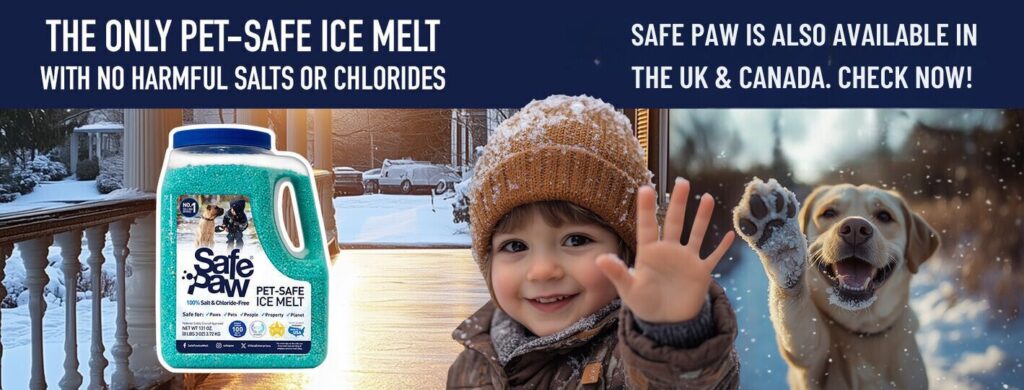
Gaia Enterprises Inc. delivers 100% pet-safe and environmentally friendly winter products. Safe Paw, our flagship product, is the #1 selling pet-safe ice melt that does not harm pets, safe if ingested, and safe on all types of concrete.
Frequently Asked Questions About Applying Ice Melt Before Snow
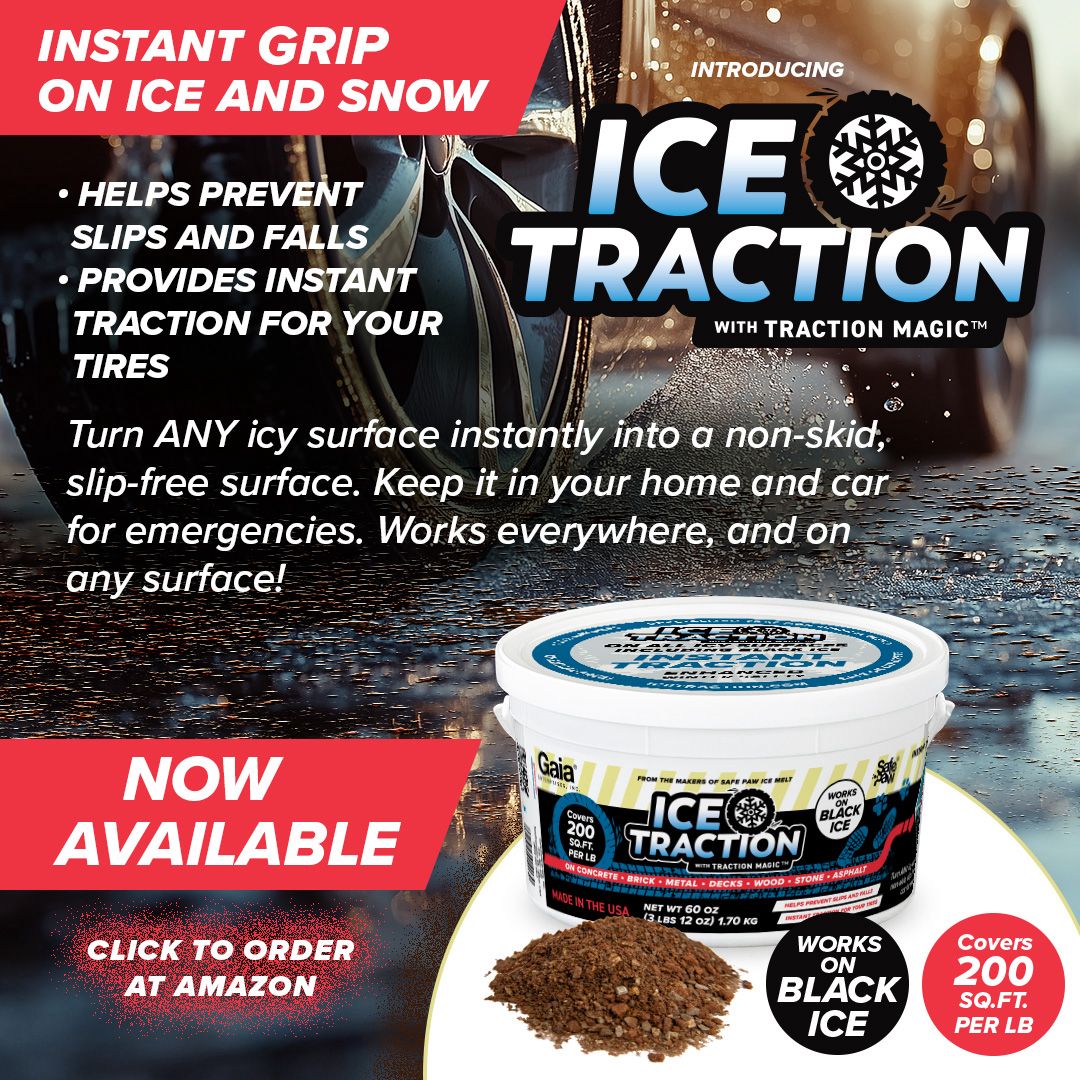
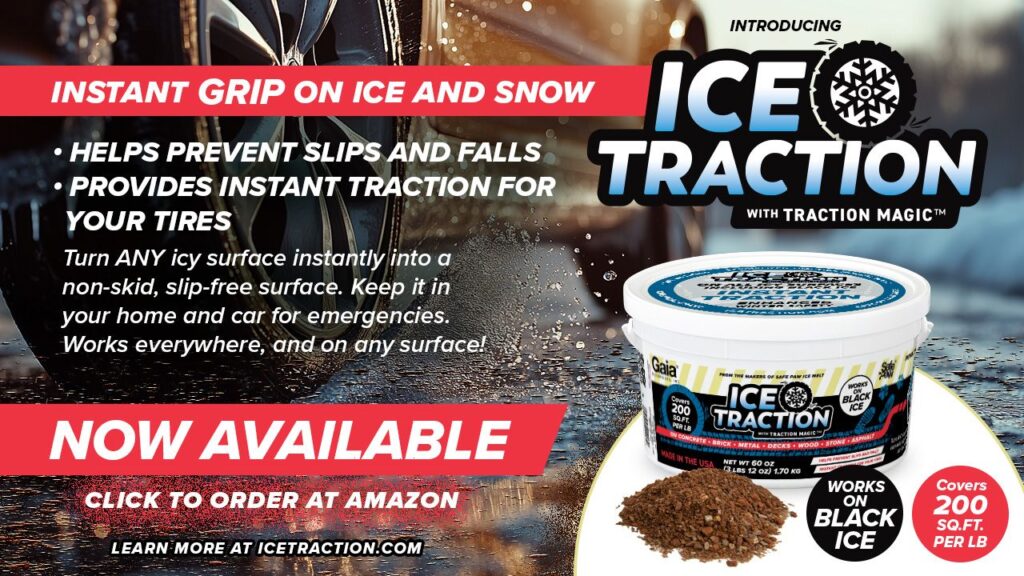
New Product Launch – Ice Traction (with Traction Magic™)
Ice Traction is your go-to winter solution for driveways, walkways, parking lots — and even black ice on the road. Unlike salt or ice melts, it delivers instant grip on snow and slippery surfaces with no wait time. Just spread and go.
Other Ice Melt Products
Walk On Ice
Prevent slips at home, work or on the go, The handy disposable canister can be taken everywhere, with the same 100% naturally occurring minerals that provide instant traction on ice or snow.
Safe Thaw
Imagine an ice melt you can put down and never worry about. It won’t harm pets, kids and your property. That’s Safe Thaw. Unlike anything else on the market, Safe Thaw can change how winter affects our planet.
Related Articles
- What Are Concrete Pops and What Causes Them?
- How Poor Concrete Work Increases the Risk of Deicer Damage
- How Does the Age of Concrete Affect Its Resistance to Freeze-Thaw Damage?
- If Concrete Is Well Maintained, Yet It Was Damaged—Was the Product at Fault?
- Why Resurfacing is Often Better Than Replacing Scaled Concrete