



What To Use For Snow Melting And Cleaning A Flat Roof
What should you use to remove snow and ice from a flat roof?
For a flat roof, the safest approach is to keep drains and scuppers open, remove light snow from a safe position using non-damaging tools, and hire a qualified roofing or snow-removal professional for deep, wet or drifted snow. Do not walk on a snow-loaded roof unless a competent professional has confirmed that it is structurally safe.
For localized ice, use only a deicer that is permitted by the product label and approved for your specific roof membrane, metal flashings and drainage system. A roof deicer can help open a drainage path, but it does not replace the removal of heavy snow or a structural assessment.
Considering Safe Paw?
Safe Paw may be considered as a non-electric, chloride-free option for localized ice where the roofing-system manufacturer permits its use. Confirm compatibility with your roof membrane and follow the product label exactly. Do not use any deicer as a substitute for removing excessive snow load.
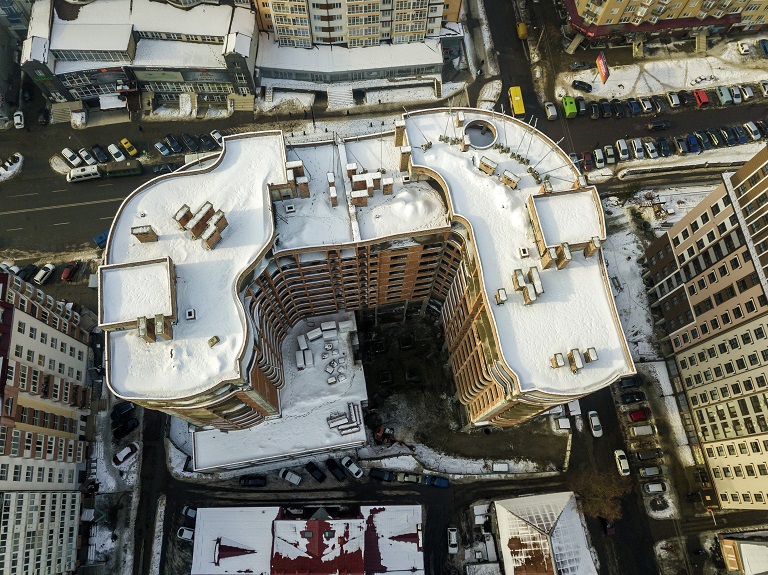
Flat roofs are popular in houses because they are energy-efficient, low-maintenance, and fashionable. They’re easier to install than other types of roofing. However, when exposed to external forces such as changing weather, they are prone to cracks and leaks. Heavy snowfall and ice provide additional issues for your roofing and can damage your structure. The best way to avoid such damage is by using a safe ice melt on roofs. Let us know more about what to use for snow melting and cleaning a flat roof.
Key Takeaways
- There is no universal “safe snow depth” for every flat roof; capacity depends on the structure, location, snow density, drifting and roof configuration.
- Never walk onto a heavily snow-covered roof without a professional safety and structural assessment.
- Keep roof drains, scuppers and gutters clear so meltwater can leave the roof.
- Use deicers only for localized ice and only after confirming roof-membrane compatibility.
- Heating cables can help in recurring problem areas but do not remove heavy snow load.
- Sagging, cracking sounds, sticking doors, leaks or bowed structural members require immediate professional assessment.
- Recurring ice or ponding may indicate a drainage, insulation, flashing or roof-slope problem that should be inspected.
IMPORTANT FLAT-ROOF SNOW SAFETY WARNING
Never walk onto a snow-loaded roof simply to inspect or clear it. Snow can conceal skylights, drains, fragile sections and electrical hazards, while the additional weight of a person may further stress a weakened roof.
Leave the building and request urgent professional assistance if you notice sagging, cracking sounds, bowed structural elements, sudden leaks or other signs of movement.
A deicer does not instantly remove the structural load created by deep snow, compacted snow or ice. It should not be used as a substitute for professional removal or structural evaluation.
Snow Buildup & Prevention:
Snow buildup on your roof is more than just an inconvenience—it can lead to costly damage if you don’t tackle it properly. For residential roofing, especially during the harsh winter months, keeping snow at bay is crucial. Let’s discuss different roof heating solutions, why some may fall short, and how you can keep your roof in top shape with cost-effective solutions that make winter a little easier.
Why Snow Buildup is a Problem
First off, why worry about snow buildup? When snow accumulates, it becomes heavy—really heavy. And for residential roofing, this weight can cause significant issues. From structural strain to ice dam formation, the risks are real. Even if your roof doesn’t collapse, the melting and refreezing can lead to water seeping through, causing damage and resulting in expensive repairs. This is why winter roof maintenance is key to ensuring your home stays safe and dry.
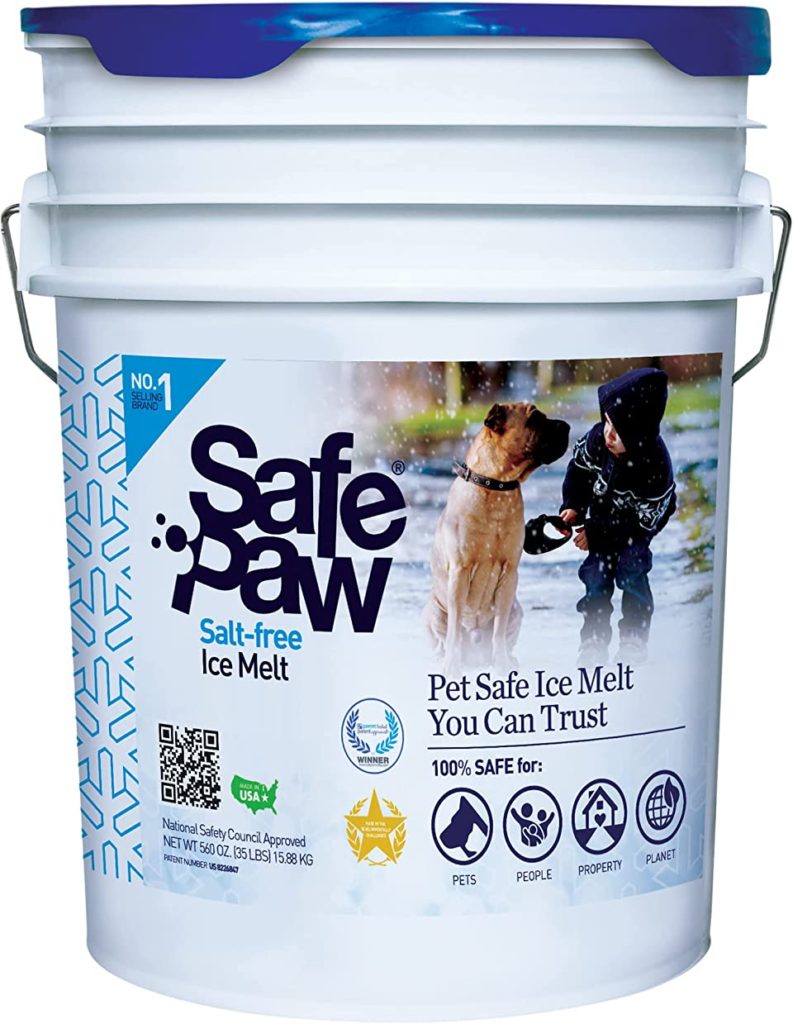
Safe Paw
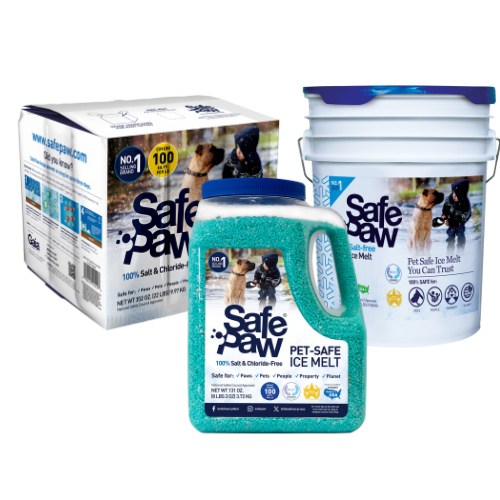
The Original and the #1 Child and Pet Safe Ice Melt for over 20 years. Guaranteed environmentally safe – will not harm waterways and sensitive wetlands.
How Snow Damages Your Flat Roof ?
Flat roofs are low-slope systems designed to move water through internal drains, scuppers or gutters. Snow, ice and debris can block these drainage paths, causing ponding, repeated freeze-thaw exposure, leaks and additional stress on the roof system. It can put undue strain on the construction of your building.
When the snow melts, water can seep into the crevices on your flat roof. It can compromise the structural integrity of your structure and should be cleared as soon as possible.
Leaks on a flat roof can be because of ponding water and the freeze-thaw cycle. Although they are gradual disorders, they are not simple to detect and can cause significant damage.
How to Know When Flat-Roof Snow Is Becoming Dangerous
Snow depth alone cannot tell you whether a roof is overloaded. Wet snow, ice, drifting and uneven accumulation can place significantly different loads on the structure. Check the building’s structural documentation and local snow-load requirements, and contact a structural engineer when conditions are uncertain.
- Visible roof or ceiling sagging
- Cracking, popping or creaking sounds
- Doors or windows suddenly becoming difficult to open
- Bowed beams, joists or decking
- New leaks or ceiling displacement
- Uneven or deep snowdrifts around parapets and rooftop equipment
Flat-Roof Material Compatibility
Flat roofs may use EPDM, TPO, PVC, modified bitumen, built-up roofing, liquid-applied membranes or metal components. A product that is suitable for one system may not be approved for another. Before applying a deicer or cleaner, check:
- The roof manufacturer’s maintenance instructions
- The roofing contractor’s recommendations
- Warranty restrictions
- Compatibility with membrane seams and adhesives
- Compatibility with drains, flashings and rooftop equipment
- The product label and safety data sheet
Flat-Roof Snow and Ice Removal Options Compared
| Consideration | Chloride-free deicer | Rock salt / chloride deicer | Heating cables | Professional removal |
|---|---|---|---|---|
| Primary purpose | Localized ice melting where approved | Localized ice melting | Prevention in targeted areas | Removal of snow and ice weight |
| Electricity required | No | No | Yes | Usually no |
| Removes heavy snow load | No | No | No | Yes |
| Installation required | No permanent system | No permanent system | Yes | No permanent roof system |
| Compatibility | Must be confirmed | Must be confirmed; corrosion/runoff concerns may apply | Must be designed for the roof | Contractor must use membrane-safe methods |
| Best use | Small approved ice areas and drainage paths | Only where explicitly permitted | Recurring ice at approved drains or edges | Deep, wet, frozen or drifted accumulation |
| Main limitation | Not a structural snow-removal method | Potential material and environmental concerns | Cost, energy use and power dependency | Cost and contractor availability |
Best Flat Roof Ice Melt For Each Situation
| Situation | Best-fit recommendation | Why |
|---|---|---|
| Deep or wet snow | Professional roof snow removal | Qualified contractors can address heavy, frozen, drifted or hard-to-reach accumulation. |
| Light, reachable edge snow | Membrane-safe roof rake from the ground | Avoids routine roof access, provided the tool and position are safe. |
| Recurring ice near drains | Roof inspection plus an approved targeted solution | Repeated icing may signal drainage, insulation or flashing problems. |
| Localized ice without electricity | Roof-compatible chloride-free deicer | Suitable only where the label and roof manufacturer permit it. |
| Structural warning signs | Structural engineer or qualified roofing professional | DIY removal is inappropriate when movement, sagging or sudden leakage is present. |
Pet Safe Ice Melt – Safe Paw
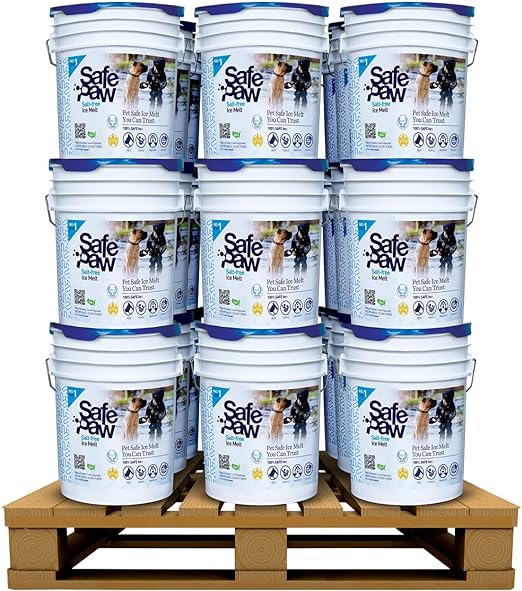
Safe Paw, Child Plant Dog Paw & Pet Safe Ice Melt -35lb, 36 Pails

Safe Paw, Child Plant Dog Paw & Pet Safe Ice Melt -22lb, 100Bboxes
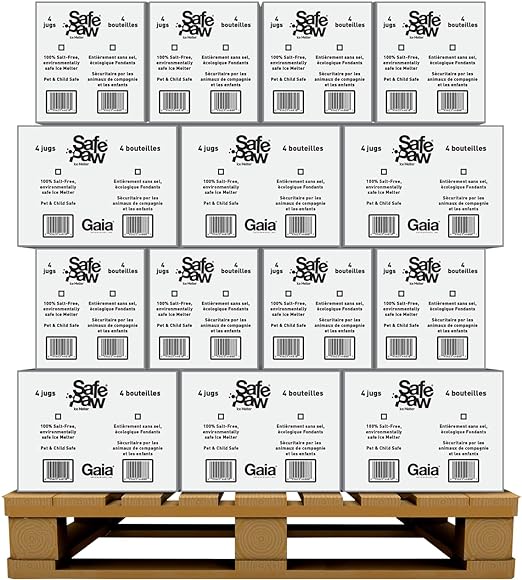
Safe Paw, Child Plant Dog Paw Pet Safe Ice Melt, 160 Jugs

Pet Products Powered By EzPz.pet


Before, During and After a Snowstorm
| Stage | Recommended actions |
|---|---|
| Before the storm | Inspect and clear drains from a safe position; repair leaks or damaged flashing; confirm who will handle heavy accumulation; prepare suitable ground-based tools. |
| During the storm | Observe accumulation from the ground or interior; watch for drifting; restrict suspected hazard zones; avoid unnecessary roof access. |
| After the storm | Have deep or wet accumulation assessed; confirm drainage; check for leaks; document damage; arrange an inspection if ponding or icing recurs. |
HOW TO REMOVE SNOW AND ICE SAFELY
1. Assess the situation from the ground or interior. Look for unusual deflection, leaks, cracking noises or uneven accumulation.
2. Restrict the area below the roof. Keep people away from places where snow, ice or equipment could fall.
3. Do not automatically climb onto the roof. Snow may conceal skylights, fragile areas, drains and other hazards.
4. Use a roof rake only from a stable, safe position. Use a non-metallic or membrane-safe head and avoid scraping the roofing surface.
5. Remove snow evenly. Do not create large unbalanced piles or leave heavy drifts in one part of the roof.
6. Call a qualified professional for deep, wet, frozen or drifted accumulation.
7. Treat only localized ice where permitted. Use a roof-compatible product, follow the label and protect drainage outlets.
8. Inspect the roof after thawing. Check drains, seams, flashings, penetrations and interior ceilings for damage.
What To Use For Snow Removal?
| Method | Advantages | Limitations | Best suited for |
|---|---|---|---|
| Professional snow removal | Handles heavy or complex accumulation; reduces owner roof-access risk | Higher cost; demand may delay scheduling | Deep, wet, frozen or drifted snow |
| Roof rake from the ground | Low cost; avoids walking on the roof | Limited reach; incorrect use may damage edges or membrane | Light, reachable accumulation |
| Heating cables | Helps prevent recurring ice in targeted locations | Uses electricity; installation cost; does not remove heavy load | Approved drains, gutters or recurring icing zones |
| Chloride-free deicer | Non-electric; may help open localized drainage paths | Compatibility must be confirmed; not for deep snow | Localized ice where manufacturer-approved |
| Chloride-based deicer | Can melt localized ice quickly | Potential corrosion, runoff or compatibility concerns | Only where explicitly approved |
| Mechanical shovelling on the roof | Directly removes snow weight | High fall, collapse and membrane-damage risk | Trained professionals with a safety plan |
Roof Heating Solutions: Are They Always the Answer?
Many homeowners turn to roof heating solutions to prevent snow buildup. These include electric heating cables or hydronic systems that melt the snow and keep it from piling up. On paper, they sound like a great solution. You install them, turn them on, and voilà—no more snow.
But let’s talk about energy efficiency. These systems are often not as efficient as you’d hope. Electric heating cables, for instance, can eat up a ton of energy, and with energy costs on the rise, that means a hefty winter bill. Hydronic systems, on the other hand, are less energy-intensive but come with high installation costs. And don’t forget, if there’s a power outage, these systems are completely useless—leaving you with heavy snow and nowhere to go. This hardly sounds like a cost-effective solution, does it?

Ice Melter For Roof
By reducing the freezing point of water, ice melts effectively melt snow and ice. But salt-based ice melts can be nearly as corrosive on flat rooftops as they are on concrete and asphalt pavements. A chloride-free and eco-friendly ice melt like Safe Paw is a non-toxic and non-corrosive alternative to salt-based ice melt. It dissolves ice, relieves stress on a flat roof, and channels drainage. While you can fill stockings with the safe ice melt and lay them on the snow and ice after a storm, spreading a layer of non-corrosive ice melt on roofs before a storm is a preventative approach.
So what if you could manage snow buildup without needing to rely on energy-guzzling systems? This is where Safe Paw comes in as a practical alternative for winter roof maintenance. Unlike the typical roof heating solutions, Safe Paw offers a non-electric, cost-effective solution that prevents snow from accumulating without the need for expensive installations or electricity. By applying Safe Paw to key areas prone to snow buildup, you create a safer, snow-free environment without the hidden costs.
Safe Paw also beats out the traditional deicing salts that can damage your roof materials. It’s non-corrosive, meaning your roof stays intact longer, and it’s far gentler on the environment. While heating systems might help you manage snow, they aren’t flexible and can end up being more trouble than they’re worth.
Shovel It
The least expensive way of snow removal is shoveling snow off a flat roof. Shoveling snow that is hard-packed or wet is not only difficult but also dangerous. Snow is heavy, and lifting the weight of the snow from the entire roof is difficult for a single person. More crucially, if a flat roof is already weakened by the weight of snow and ice, adding an adult male to the mix could result in the roof collapsing.
Gaia Enterprises Inc. delivers 100% pet-safe and environmentally friendly winter products. Safe Paw, our flagship product, is the #1 selling pet-safe ice melt that does not harm pets, safe if ingested, and safe on all types of concrete.
Lay Electric Cables
Electric de-icing cables or radiant heating melt snow and ice from roofs and gutters. Ice dams and structural roof damage can be caused by snow and ice accumulation over time. However, be prepared to suffer the high costs of installation and energy consumption.
Professional Services
Snow removal from a flat roof is less expensive if you do it yourself. A professional roof-cleaning firm is a wise consideration because of the inherent health concerns associated with lifting snow and the pressures impacting a flat roof after a snowstorm. However, it is not a cost-effective alternative.
The Balanced Approach to Roof Safety
For homeowners concerned about residential roofing and keeping it in top shape during winter, combining Safe Paw with heating solutions can be a game-changer. Use heating cables sparingly, only in critical areas, while applying Safe Paw as a safer, backup method. This approach helps ensure energy efficiency while also cutting down on unnecessary costs.
Conclusion
Now that you know how snow affects flat roofs and how to protect them, the next step is to figure out how to get ice melt that is safe, non-corrosive, and ecologically friendly. You can safeguard your structure for years to come by picking a high-quality product and utilizing it every winter.
FAQs
Other Ice Melt Products
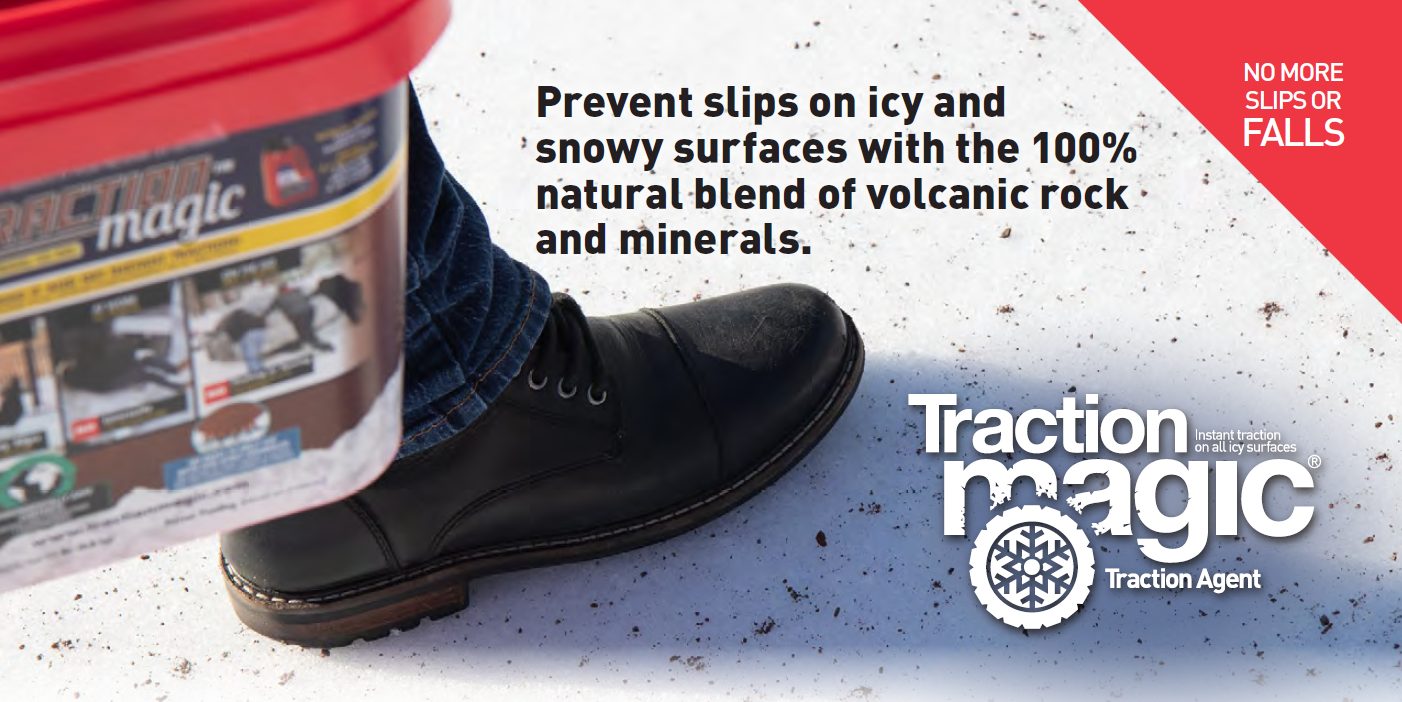
Traction Magic
Stay safe on slippery surfaces with a product that’s 100% natural and safe for pets, people, and your property. Use Traction Magic on sidewalks, steps, or as instant traction for your car.
Safe Thaw
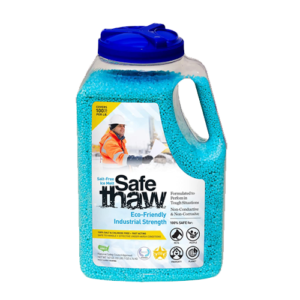
Imagine an ice melt you can put down and never worry about. It won’t harm pets, kids and your property. That’s Safe Thaw. Unlike anything else on the market, Safe Thaw can change how winter affects our planet.
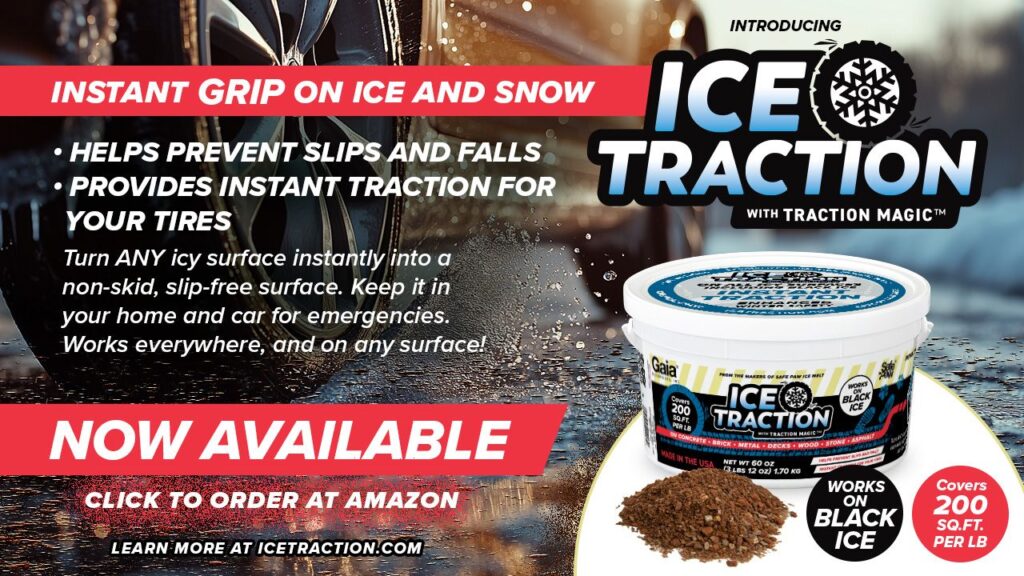
Ice Traction (with Traction Magic™)
Ice Traction (with Traction Magic™) is your go-to winter solution for driveways, walkways, parking lots — and even black ice on the road. Unlike salt or ice melts, it delivers instant grip on snow and slippery surfaces with no wait time. Just spread and go.

Safe Thaw
Imagine an ice melt you can put down and never worry about. It won’t harm pets, kids and your property. That’s Safe Thaw. Unlike anything else on the market, Safe Thaw can change how winter affects our planet.

Related Posts
- Cold Air and Potential New Weather System Expected in Western U.S. on February 20
- January 23 Snowstorm: Prepare Your Roof for Winter’s Fury
- January 10 Snowstorm Forecast: Heavy Snow and Roof Care Tips
- How Much Snow Can Your Roof Hold? Understanding The Limits
- Would Safe Paw Harm The Rubber Base Of The Roof?