


How To Remove Ice Melt Residue?

To remove ice melt residue, first sweep or vacuum up all loose granules. Clean the remaining film with warm water and a pH-neutral cleaner that is suitable for the surface. Use a soft brush on unfinished concrete or a damp microfiber mop on indoor flooring, then rinse or wipe the area with clean water and dry it thoroughly. Avoid mixing cleaning products, and test any cleaner on a small, inconspicuous area first.
Quick answer: Remove loose material, clean with a surface-compatible pH-neutral solution, rinse, and dry.
Key Takeaways About Removing Ice Melt Residue
- Remove dry granules before applying water so they are not spread across the surface.
- Use a cleaner approved for the specific material rather than applying one method to every floor.
- A pH-neutral cleaner is the safest general starting point for many washable surfaces.
- Rinse or wipe away cleaner and dissolved residue, then dry the area to reduce streaking and slip risk.
- Reduce future buildup by removing snow first, applying only the label-directed amount of ice melt, and using entry mats indoors.
As winter comes, your facilities must have a winter floor care plan in place. The ice melt residue is tracked inside and onto carpets and hard floors when visitors enter the facility. It makes cleaning more difficult. The combination of filth, slush, ice, and snow tracked inside buildings makes winter the most expensive season for floor care. Ice melt residue causes even more damage, causing the flooring to be worn away. Even homemade ice melter for the driveway will also leave behind a messy reissue that needs a thorough cleaning.
Common Types of Ice Melt Residue
- White or chalky film: Often associated with dried mineral or salt deposits.
- Gritty residue: May include undissolved granules, sand, soil, and particles tracked in from outdoors.
- Damp or oily-looking film: Some hygroscopic deicers attract moisture and may leave the surface looking wet or slippery.
- Indoor streaks: Residue mixed with slush and soil can create visible tracks on tile, vinyl, wood, or carpet.
- Persistent discoloration: A mark that remains after repeated cleaning may be a stain or surface change rather than removable residue.
Residue appearance alone does not reliably identify the deicer ingredient. Check the product label or safety data sheet when the composition matters.
What is Ice Melt Residue and Why Does It Damage Your Home?
When you spread de-icing products on your driveway or walkway, the chemicals—whether sodium chloride, calcium chloride, or magnesium chloride—break down the ice and snow. As this mixture of melted ice and chemical compounds evaporates, it often leaves a gritty or chalky residue on the surface. This ice melt residue can accumulate over time and become a hassle to clean up. Not only does it look unsightly, but it can also affect the surfaces it’s left on, from concrete to wooden decks.
Why Ice Melt Residue on Floors and Concrete is a Costly Problem
While ice melts are essential for winter safety, ice melt residue can be problematic for a few reasons:
- Surface Damage: The residue can be corrosive over time, especially if the ice melt contains harsh chemicals like sodium chloride or calcium chloride. If left unchecked, this can lead to damage on your driveway, concrete walkways, or even pavers, requiring more extensive winter maintenance.
- Environmental Impact: The runoff from these products can enter waterways, affecting aquatic life and soil quality. This is particularly concerning with de-icing products that aren’t eco-friendly.
- Aesthetic Issues: No one wants white streaks or gritty build-up on their driveways or entryways. The residue left behind can also be tracked indoors, causing additional cleaning challenges.
How to Remove Ice Melt Residue Step by Step
1. Remove Loose Granules
Sweep outdoor surfaces or vacuum indoor floors before introducing water. This prevents undissolved particles and grit from being spread into a larger area.
2. Identify the Surface
Check whether the affected area is unfinished concrete, sealed concrete, tile, vinyl, hardwood, laminate, natural stone, or carpet. Cleaning instructions differ because some surfaces tolerate water and scrubbing better than others.
3. Use a Compatible Cleaner
Dilute a pH-neutral cleaner according to its label. Apply it with a mop, cloth, or soft-bristle brush. Avoid soaking wood, laminate, carpet, or joints between flooring materials.
4. Lift the Dissolved Residue
Agitate the affected area gently. For concrete, use a soft or medium nylon brush. For indoor hard floors, use a microfiber mop or cloth. Blot carpet rather than rubbing it.
5. Rinse or Wipe With Clean Water
Remove the suspended residue using clean water and a fresh cloth or mop. Change the rinse water when it becomes cloudy or visibly dirty.
6. Dry the Surface
Dry indoor floors promptly and keep people and pets away until the surface is no longer wet or slippery. Allow outdoor concrete to drain and air-dry.
7. Repeat if Necessary
Heavy buildup may require more than one cleaning cycle. Repeating a mild process is generally preferable to immediately using a more aggressive cleaner.
Choosing the Right De-Icing Products
The best way to reduce ice melt residue is by selecting high-quality, environmentally friendly products. Look for concrete-safe ice melts that won’t leave excessive residue or cause corrosion. Products labeled as “non-toxic” and eco-friendly are often designed to leave minimal impact on surfaces and the environment. Always check the label to ensure the product aligns with your winter maintenance goals.
Ice Melt Residue Cleaning Methods: Pros, Cons, and Best Uses
| Cleaning method | Advantages | Limitations | Best suited to |
| Dry sweeping or vacuuming | Fast; removes grit before wet cleaning | Does not remove an adhered film | First step on most surfaces |
| Warm water | Simple; may dissolve light water-soluble residue | Can leave streaks; unsuitable for excessive use on wood or laminate | Light residue on washable surfaces |
| pH-neutral cleaner | Suitable for many finished surfaces when label-approved | May require a second application | Indoor hard floors and routine cleaning |
| Soft-bristle scrubbing | Helps lift residue from textured surfaces | Aggressive scrubbing may affect some coatings or finishes | Unfinished or compatible concrete |
| Wet extraction or carpet cleaning | Removes dissolved residue from carpet fibres | Excess moisture can slow drying or affect backing | Carpet and entrance mats |
| Pressure washing | Can cover larger outdoor areas | Excessive pressure can affect joints, coatings, or weakened concrete | Sound outdoor concrete, when appropriate |
How to Remove Ice Melt Residue From Different Surfaces
| Surface | Recommended first method | Avoid or limit | Completion check |
| Unfinished concrete | Sweep, pH-neutral cleaner, nylon brush, rinse | Wire brushes and unnecessary high pressure | No powdery or slippery film remains |
| Sealed or decorative concrete | Soft broom and coating-compatible cleaner | Acids, abrasive brushes, high pressure | Coating remains even and residue-free |
| Tile | Vacuum, damp mop, compatible neutral cleaner | Leaving dirty rinse water on the floor | Surface is clean and not slippery |
| Vinyl | Sweep and damp mop | Abrasives and excessive water at seams | No streaks or tacky film |
| Hardwood | Vacuum and use minimal moisture with an approved wood-floor cleaner | Soaking, steam, vinegar unless approved | Floor is dry with no dull film |
| Laminate | Vacuum and lightly damp-clean | Standing water and soaking joints | Joints remain dry and flat |
| Carpet | Vacuum, blot, and use a compatible carpet cleaner | Scrubbing or oversaturation | Fibres are clean and fully dry |
| Natural stone | Use a stone-approved neutral cleaner | Vinegar and other acidic cleaners | Finish remains unchanged |
Which Cleaning Method Is Best for Your Situation?
Exact copy
- Best for fresh, light residue: Dry removal followed by warm water.
- Best for routine indoor floor cleaning: A flooring-compatible pH-neutral cleaner and microfiber mop.
- Best for textured outdoor concrete: A pH-neutral cleaner and soft nylon brush.
- Best for carpet or entrance mats: Vacuuming followed by blotting or approved wet extraction.
- Best for recurring residue: Entry mats, frequent sweeping, and controlled ice melt application.
- Best for delicate or coated surfaces: The surface manufacturer’s approved cleaning method.
- Best for new concrete where melting products are not suitable: Mechanical snow removal or a relevant traction approach such as Ice Traction or Walk On Ice, subject to the surface instructions.
Warnings and Cleaning Limitations
- Check the flooring, coating, and cleaner instructions before beginning.
- Test the cleaning solution on a small, inconspicuous area.
- Do not mix vinegar, bleach, ammonia, or other household cleaning products.
- Do not soak hardwood, laminate, carpet, or flooring joints.
- Avoid stiff wire brushes on finished, sealed, or decorative concrete.
- Use pressure washing only when the surface condition and coating permit it.
- Keep people and pets away from wet or slippery areas until cleaning is complete.
- If the mark remains after two mild cleaning cycles, it may be staining, finish damage, or concrete deterioration rather than removable residue.
- For newly placed, sealed, painted, polished, or visibly damaged concrete, follow the installer’s or coating manufacturer’s maintenance instructions.
Pet Safe Ice Melt
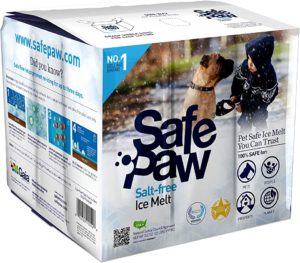
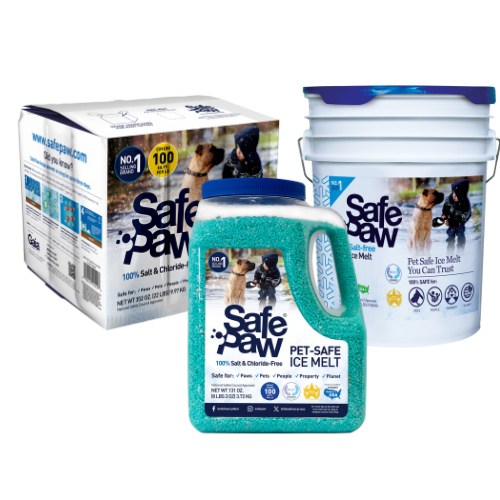
Pet Friendly Ice Melt – Safe Paw!
The Original and the #1 Child and Pet Safe Ice Melt for over 20 years. Guaranteed environmentally safe – will not harm waterways and sensitive wetlands.
Ice Melt Residue Cleaning Methods: From Neutralizers to Vinegar Solutions
An entry matting system will keep the bulk of contaminants out of your building, such as ice melt, salts, soils, and water. Ice melt residue can be tracked past the entryway and seep through the mat, even with a high-quality matting system.
You’ll need a floor neutralizer to prevent floor damage. Ice melt chlorides, soap, and hard water films are all dissolved by floor neutralizers.
The floor neutralizer cleans the floor while also removing white residue, requiring only one-floor care operation. Do not attempt to use a cleanser with a pH that is too high or too low. The high or low pH cleaning chemicals will damage the floor and are ineffective. Salts, the most frequent chemical found in ice melt, have a relatively high pH. People tend to believe that magnesium chloride is safer than other chloride ice melt. But before believing it, do check whether magnesium chloride is safe for pets and about the type of residue it leaves behind.
Why Using a Pet-Safe Ice Melt Prevents Residue and Spalling Damage
When it comes to preserving your surfaces during winter, selecting a concrete safe ice melt can be the difference between seasonal protection and long-term surface degradation. While many conventional ice melts promise quick melting power, their ingredients—especially chlorides like sodium or calcium—can lead to surface flaking, cracks, and permanent pitting on driveways and sidewalks. These harsh chemical reactions are especially common in porous concrete, where moisture and salt settle deep into the material, freeze again, and expand—causing what we know as spalling.
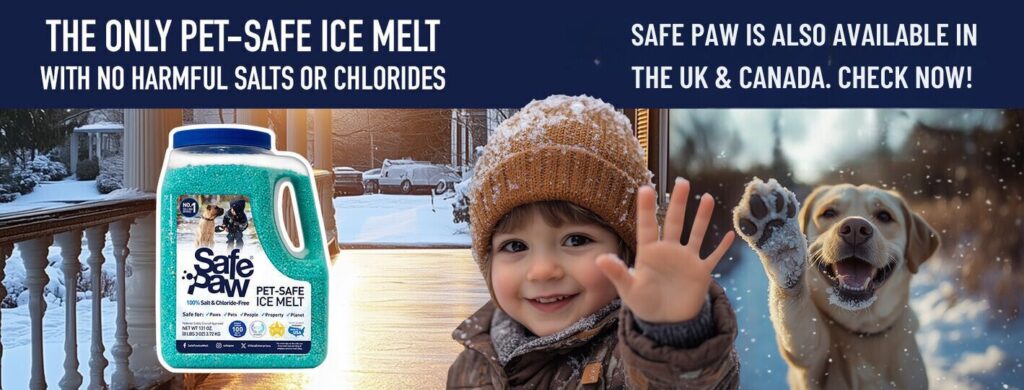
By using a concrete safe ice melt, like Safe Paw, you sidestep this entire problem. Safe Paw doesn’t rely on salts, chlorides, or harmful acetates. It works effectively even in sub-zero conditions, leaving behind no corrosive residue. It protects your concrete from erosion, especially on high-traffic areas like driveways, steps, and patios, where constant application of generic products may otherwise eat away at the surface.
Plus, when considering the best ice melt for driveway, you’re not just thinking about snow melting performance—you’re factoring in longevity of your investment, safety for pets, and ease of post-season cleanup. Many top-rated conventional products claim to be safe for driveways, yet still include ingredients known to accelerate freeze-thaw cycles. Safe Paw avoids this altogether with a patented, non-toxic formula that won’t degrade your driveway—even after months of repeated use.
From Snow Burn to Sticky Floors: Why You Need a Concrete Safe Ice Melt Indoors and Out
Winter residue doesn’t only linger outside—it follows you in. Many people aren’t aware that snow melt tracked indoors often brings with it the risk of snow burn, especially in sensitive pets or children who play on hard floors or carpets. Snow burn is a skin irritation caused by prolonged exposure to chemical-laden snow and ice residue—usually from chloride-based deicers. Add to that the impact of gritty, white salt tracks left on flooring, and you have a recipe for seasonal indoor wear and tear.
The key to avoiding this? A concrete safe ice melt that doesn’t irritate skin or harm flooring. Because Safe Paw is free from harsh chlorides, it doesn’t contribute to snow burn or the need for excessive neutralizing floor treatments. It doesn’t damage carpets, hardwood, or tile, and doesn’t produce sticky, oily residues like magnesium chloride. Even the question “does salt melt snow?” becomes less relevant when you realize that alternatives like Safe Paw achieve the same—if not better—results without compromising your surfaces or safety.
Salt does melt snow, yes—but at a steep cost: corroded metal, ruined concrete, damaged floors, and skin irritation. Safe Paw takes a different approach, working on a chemical level to weaken ice bonds while preventing re-freeze for longer. The result? No harsh crystals underfoot. No salt dust in the air. Just a clean, pet-safe surface that melts snow and keeps it away—indoors and out.

Conclusion: Mastering Winter Floor Care and Driveway Maintenance
Ice melt residue is easiest to manage when loose granules are removed before wet cleaning. For most washable surfaces, the process involves sweeping or vacuuming, using a compatible pH-neutral cleaner, removing the dissolved film with clean water, and drying the area thoroughly. Because concrete, wood, vinyl, stone, and carpet respond differently to moisture and cleaning products, the surface manufacturer’s instructions should take priority. Future buildup can be reduced through mechanical snow removal, controlled ice melt application, frequent sweeping, and effective entry matting.

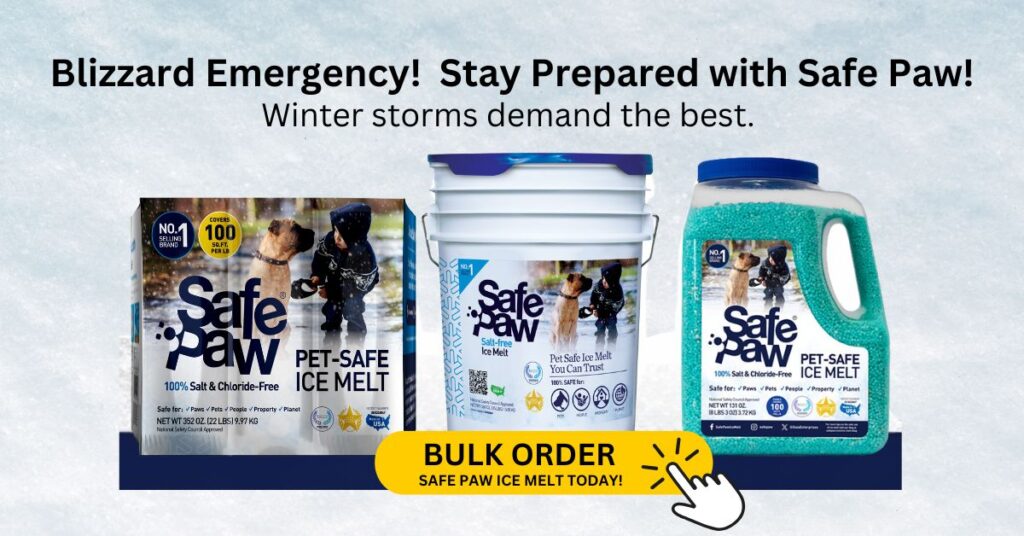
Bulk Purchase With Safe Paw
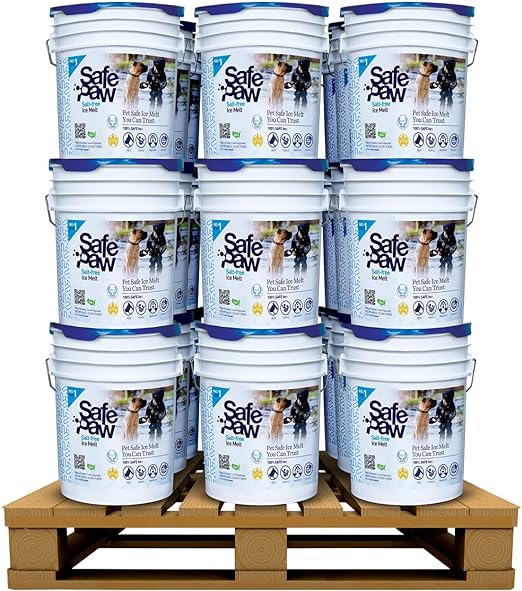
Safe Paw, Child Plant Dog Paw & Pet Safe Ice Melt -35lb, 36 Pails

Safe Paw, Child Plant Dog Paw & Pet Safe Ice Melt -22lb, 100Bboxes
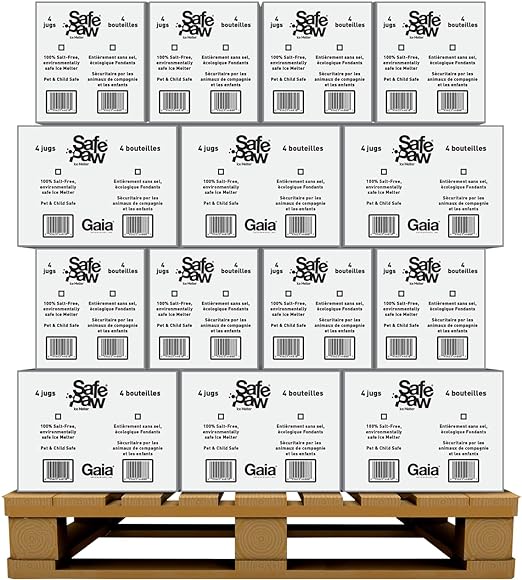
Safe Paw, Child Plant Dog Paw Pet Safe Ice Melt, 160 Jugs


FAQ: Frequently Asked Questions About Cleaning Ice Melt Residue
Other Ice Melt Products
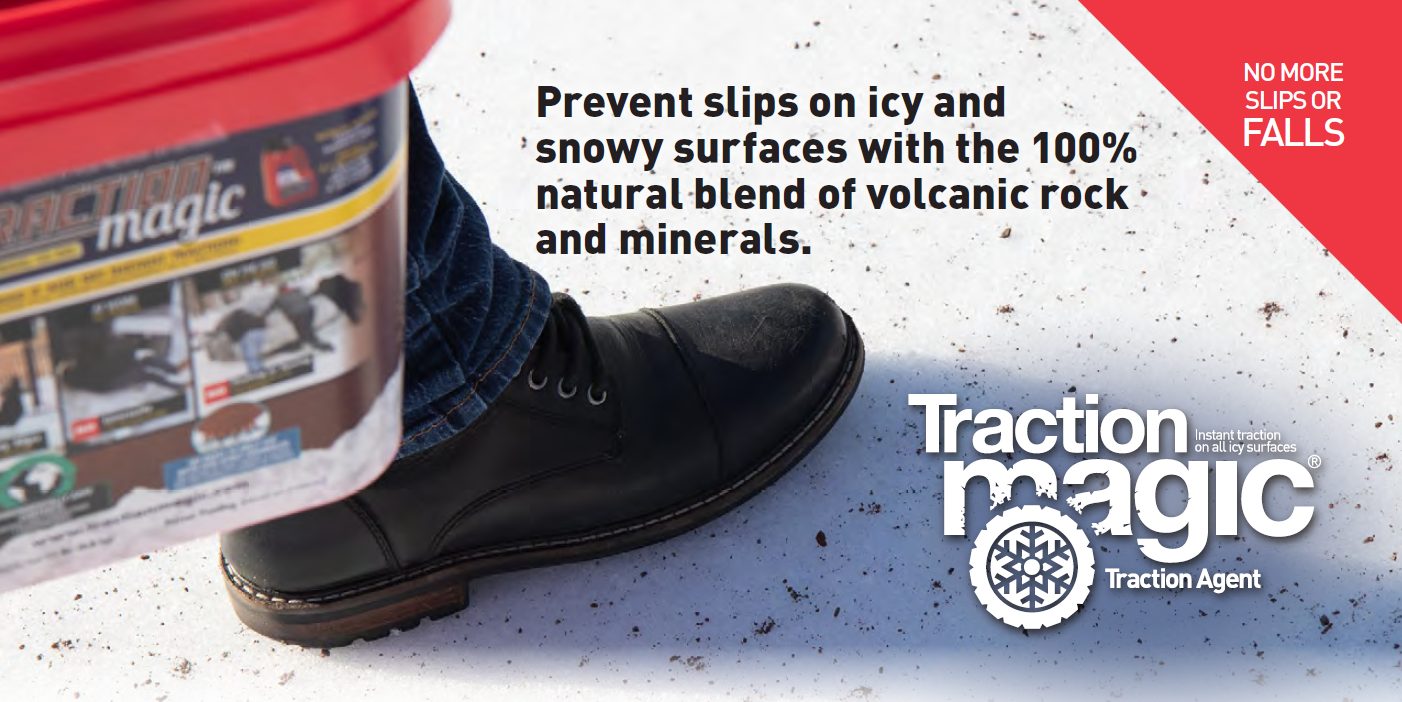
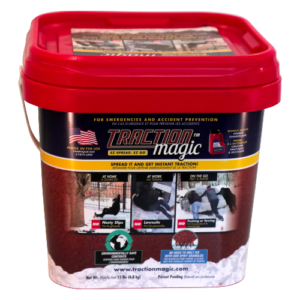
Traction Magic
Stay safe on slippery surfaces with a product that’s 100% natural and safe for pets, people, and your property. Use Traction Magic on sidewalks, steps, or as instant traction for your car.
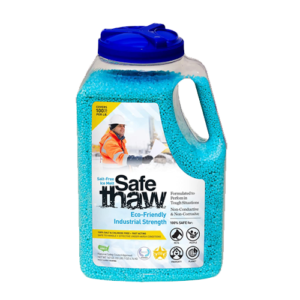
Safe Thaw
Imagine an ice melt you can put down and never worry about. It won’t harm pets, kids and your property. That’s Safe Thaw. Unlike anything else on the market, Safe Thaw can change how winter affects our planet.
Ice Traction (with Traction Magic™)
Ice Traction (with Traction Magic™) is your go-to winter solution for driveways, walkways, parking lots — and even black ice on the road. Unlike salt or ice melts, it delivers instant grip on snow and slippery surfaces with no wait time. Just spread and go.

Safe Thaw
Imagine an ice melt you can put down and never worry about. It won’t harm pets, kids and your property. That’s Safe Thaw. Unlike anything else on the market, Safe Thaw can change how winter affects our planet.
Related Articles
- Local Bulk Rock Salt Wholesalers: What You Need To Know
- How Reading Ice Melt Labels Can Save You Time And Money
- Proper Storage Solutions: How To Safely Store Ice Melt Products To Last All Winter
- Global Perspective: Diverse Ice Melt Solutions From Around The World
- The Next Big Thing: Anticipating Trends and Technologies in Ice Melt