Salt and ice can burn the skin because salt lowers the melting point of ice, allowing the ice-and-salt mixture to become cold enough to freeze skin tissue. The resulting injury is a cold injury similar to frostbite rather than a heat burn. Prolonged contact can cause numbness, discoloration, swelling, blisters and deeper tissue damage.
A peer-reviewed report in the Journal of Burn Care & Research confirms that adding salt lowers ice’s melting point and that direct application can cause cold injury. Frostbite occurs when skin and underlying tissues freeze. (OUP Academic)
Listen to the Article: Audio Version Available
While salt is a common way of melting snow and ice, it poses some health concerns to humans and animals. There are also more adverse effects to be cautious of, including corrosion and potential property damage. Here we will discuss the skin-burning of salt and ice and how to avoid it by using rock salt alternatives.
Key Takeaways About Salt and Ice Burns
Salt lowers the melting point of ice, creating conditions that can cause a cold injury on direct skin contact.
A salt-and-ice burn is primarily a freezing injury similar to frostbite.
Numbness, tingling, skin-color changes, hard or waxy skin, swelling and blisters can indicate cold injury.
Longer exposure can increase the severity of tissue damage.
Direct ice contact should also be avoided because ice itself can cause frostbite.
Frostbite more serious than mild frostnip should be medically assessed.
Do not rub frozen skin or use direct heat to rewarm it. (OUP Academic)
How Does Salt Make Ice Colder?
When salt is added to ice, it lowers the temperature at which the ice melts. This change allows an ice-and-salt mixture to remain liquid at temperatures below the normal freezing point of pure water. When that very cold mixture remains against skin, tissue can freeze and a cold injury can develop. (OUP Academic)
Is a Salt-and-Ice Burn the Same as Frostbite?
A salt-and-ice injury is a type of cold injury. The damaging effect occurs when very low temperatures freeze the skin and underlying tissue. Published medical reports of the salt-and-ice challenge have documented partial-thickness and deeper burn-like injuries caused by this freezing mechanism. (OUP Academic)
What Happens to Skin During Frostbite?
Freezing temperatures can cause ice formation within tissues, microvascular injury and cell damage. Further tissue injury can also occur during rewarming. (PubMed Central (PMC))
Signs of a Salt-and-Ice Cold Injury
Early signs
Tingling
Pain or stinging
Numbness
Unusual skin-color changes
More serious signs
Hard or waxy-feeling skin
Persistent numbness
Swelling
Fluid-filled or blood-filled blisters
Significant pain after rewarming
Darkening or tissue damage
Mayo Clinic identifies numbness, tingling, skin-color changes, hard or waxy skin, pain and blistering among frostbite symptoms. (Mayo Clinic)
Why Do Salt And Ice Together Burn The Skin?
A unique chemical reaction occurs when salt, water, ice, and body heat are combined. Frostbite causes the burn, which occurs because salt lowers the temperature at which ice melts.
Putting ice or any other chemical cold pack directly on the skin, whether manufactured or not, can cause frostbite in minutes. In the skin cells, ice crystals develop, and blood flow decreases, depriving the tissues of oxygen. The ice burn causes irreversible harm to your skin and underlying tissues as it proceeds.
When the skin freezes, it is called frostbite, and there are three degrees of frostbite. You will experience tingling and discomfort if you have first-degree frostbite. Second-degree frostbite causes blisters, which heal over time. Frostbite of the third degree causes lasting damage to the skin tissues.
If you suspect you’re developing an ice burn, turn off the source of the cold right away, take efforts to gradually warm up your skin. If you suffer any of the following symptoms, seek medical attention right away:
When you touch your skin, it is pale, cold, and as hard as a rock. As your skin warms up, it remains numb and does not burn. Your skin is pale and does not return to its usual color as the temperature rises. If you get blisters across an area of the skin, you should seek medical help.
Eco-friendly Ice Melt
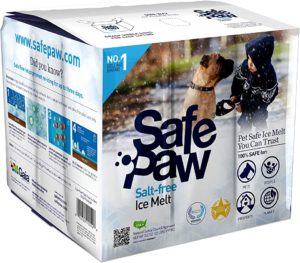
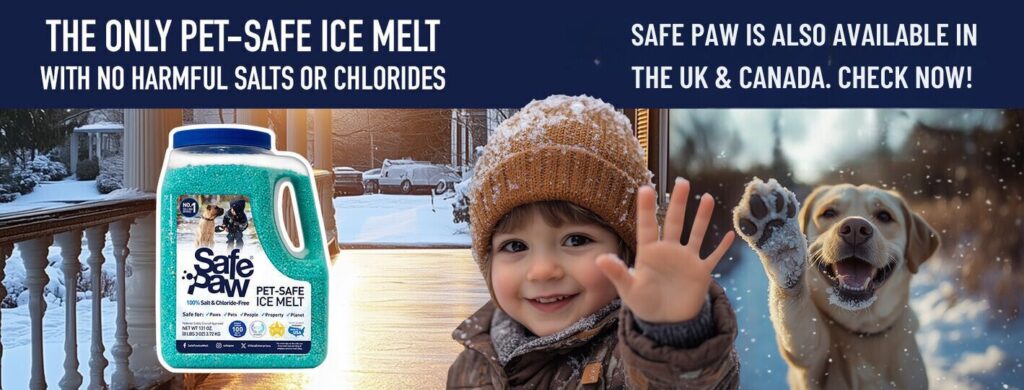
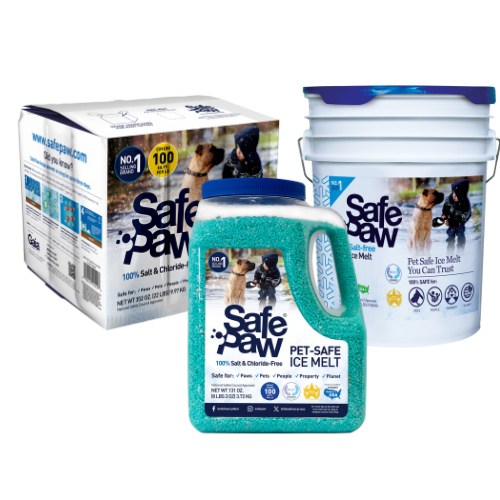
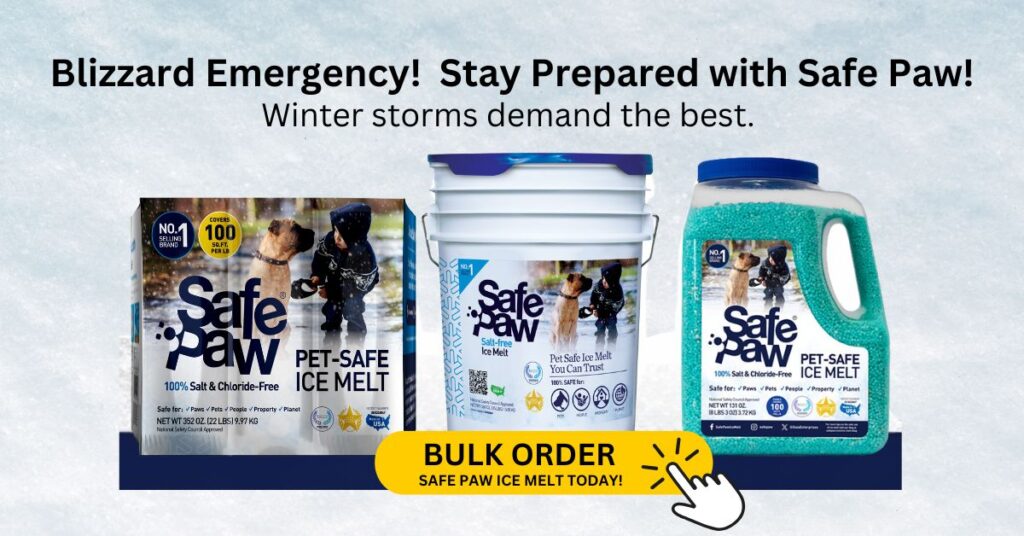
Pet Friendly Ice Melt – Safe Paw!
The Original and the #1 Child and Pet Safe Ice Melt for over 20 years. Guaranteed environmentally safe – will not harm waterways and sensitive wetlands.
Imagine your skin at a lively winter party, accidentally brushing against an overly enthusiastic icy patch. The result? An ice burn on skin—a serious cold injury where your skin cells throw a fit after unexpectedly freezing up. This isn’t your garden-variety skin burn; it’s a frosty mix that demands an urgent first aid to soothe those icy tempers!
Symptoms Of Ice Burn
The symptoms of ice burn come in like unwanted party crashers: numbness, that odd prickly feeling, followed by skin turning red, and swelling up. As the party goes downhill, blisters may pop up, signalling deeper skin injuries from ice. It’s a full-blown skin damage!
Ice and Snow Everywhere? Stock Up on Safe Paw – the ONLY Pet Safe Ice Melt you can trust
To kick out these frosty effects, treating ice burns involves a warm welcome with gentle heat. Think lukewarm soaks or cozy compresses—no direct heat, as we’re not trying to cook! Ice burn treatment is like a calm chat to cool down an overheated guest, soothing without overwhelming.
Pros and Cons of Rock Salt, Chloride-Free Ice Melt and Traction Methods
Winter Method
Advantage
Limitation / Safety Consideration
Rock salt
Helps melt ice
Direct salt-and-ice contact can create conditions for cold injury; residue should be handled carefully
Chloride-based deicer
Can lower the freezing point of water
Composition varies; some chloride salts can irritate skin, paws or other exposed tissue
Chloride-free ice melt
Provides a deicing option without chloride salts
Performance and application requirements vary by formulation
Traction material
Improves grip without necessarily melting ice
Does not remove the underlying ice
Mechanical removal
Removes snow or ice without applying a deicer
Requires physical effort and timely removal
The Safe Paw FAQ identifies its formulation as chloride-free, while also discussing irritation associated with calcium chloride exposure. (Safe Paw Ice Melter)
Get ready for winter with – the ONLY Pet Safe Ice Melt you can trust
Salt and Ice Burn vs Frostbite vs Deicing Salt Irritation
Condition
Main Cause
Typical Concern
Key Signs
Salt-and-ice burn
Direct contact with an extremely cold salt-and-ice mixture
Local freezing injury
Pain, numbness, discoloration, blistering
Frostbite
Exposure to freezing temperatures or very cold materials
Skin and underlying tissue freeze
Numbness, hard/waxy skin, color change, blisters
Deicing-salt irritation
Contact with an irritating deicer formulation
Surface irritation rather than necessarily freezing
Irritation, discomfort or redness depending on exposure
Medical sources define frostbite as freezing of skin and underlying tissue, while published salt-and-ice challenge reports describe frostbite-like burn injuries. (Mayo Clinic)
Preventing Ice Burn
The best parties have good planning; similarly, ice burn prevention is about smart layering. Dress your skin in protective gear—a buffer like a cloth or towel can guard against an uninvited ice pack burn. Never put the ice pack directly on the skin. Prevention is the key to protecting yourself from skin injuries.
Frostbite
The VIP (Very Icy Problem) of winter injuries, frostbite, happens when your skin freezes solid after mingling too long with the cold. Symptoms of frostbite include a lack of feeling and pale, waxy skin. Treating frostbite?It’s about warming up slowly, ideally under professional care, especially if blisters or blackening occur. So, don’t delay getting medical help.
Preventing Frostbite
To avoid this chilly troublemaker, keep covered and cozy. Use protective safe ice melt for pets and people, ensuring everyone can navigate winter safely without any cold burns.
Important Limitations About Salt-and-Ice Burn Claims
The severity of a cold injury depends on factors such as temperature, duration of contact, exposure area and individual conditions. A single temperature or exposure time should not be presented as the point at which every person will develop a particular degree of injury.
Published medical evidence supports the conclusion that combining salt and ice can cause frostbite-like cold injuries, including partial-thickness and deeper injuries. However, specific temperature and injury-time claims should be included only when directly supported by an appropriate scientific source. (OUP Academic)
Winter Safety Tips
Navigating winter is like steering through a seasonal soiree. Keep pathways clear with eco-friendly de-icer, ensuring ice melt effectiveness without sacrificing ice melt safety. Regular checks, wearing the right gear, and knowing when to apply ice melt are your best moves to keep the winter bash safe and sound!
In the whirl of winter, knowing how to handle ice burns and frostbite with proper ice burn treatment and prevention strategies is essential for keeping the season safe and enjoyable. Remember, the right preparation can keep the frosty dangers at bay, letting you enjoy the winter wonderland worry-free.
Best Fit by Winter Safety Need
For avoiding skin exposure: Use gloves or appropriate barriers when handling winter deicing materials.
For removing existing snow and ice: Mechanical removal can reduce the amount of deicer required.
For chloride-free deicing: Consider a chloride-free ice melt and follow its current application instructions.
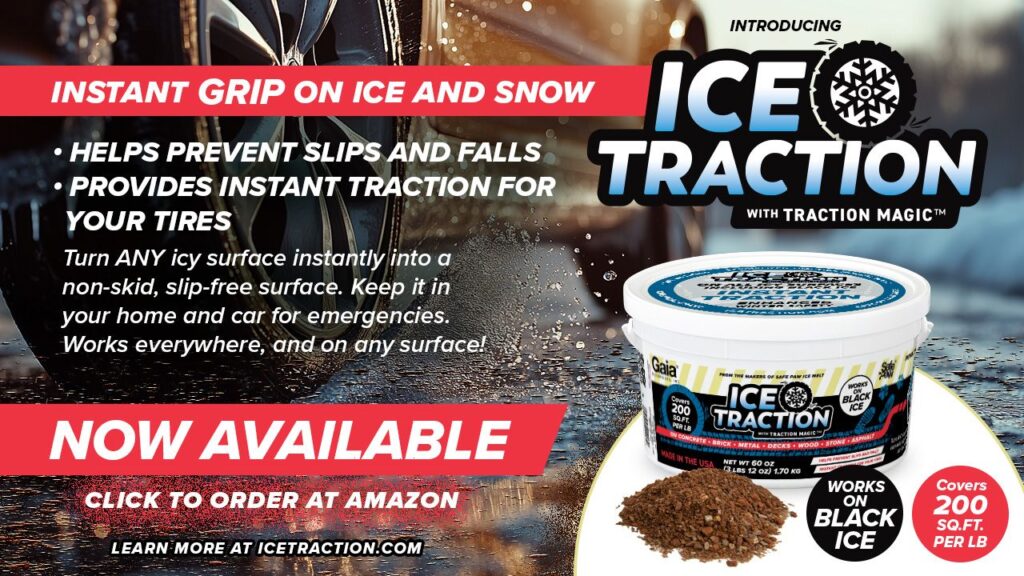
For traction without relying on ice melting: Ice Traction or Walk On Ice can be discussed in a separate traction context.
For areas used by pets and children: Evaluate ingredients, residue exposure and application guidance rather than relying only on broad marketing terms.
Pet Safe Ice Melt – Safe Paw
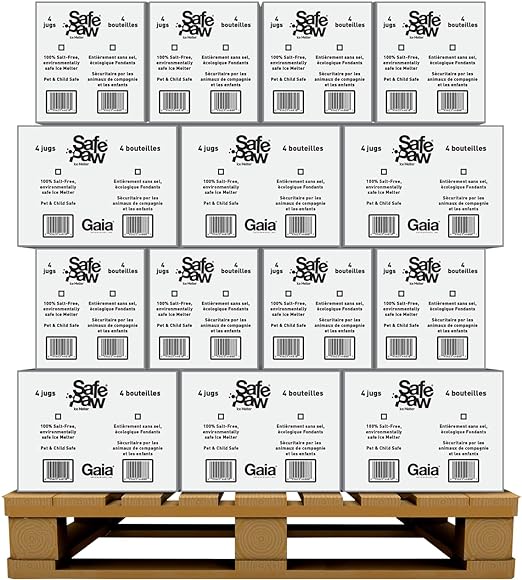
Safe Paw, Child Plant Dog Paw & Pet Safe Ice Melt -35lb, 36 Pails
Ice melt prevents ice and snow from forming, whereas rock salt melts existing ice and snow. Natural ice melt is less corrosive than rock salt. But if not utilized properly it can be just as damaging. Some ice melt products are more expensive, but they are eco-friendly and safer to use around dogs, children, and plants.
The melting temperatures, de-icing capabilities, and environmental dangers, ice melts are of varying effectiveness. The best safe ice meltis the most promising product to remove slippery surfaces.
This natural ice may be chloride-free, acetate -free and will neither see the challenge you boys are having. It works well in all conditions and can be safely used for concrete. Such ice melts are efficient and long-lasting.
Get ready for winter with the ONLY Pet Safe Ice Melt you can trust
Keep a layer of clothing or a towel between your skin and chilly sources to avoid ice burns. It’s also crucial to dress for cold weather and protect your skin from high-velocity winds. But, most importantly, you should stop using salt-based ice melts and switch to a safe ice melt. It will not burn your skin and will protect everyone, including pets, plants, and the environment, from harm.
Gaia Enterprises Inc. delivers 100% pet-safe and environmentally friendly winter products. Safe Paw, our flagship product, is the #1 selling pet-safe ice melt that does not harm pets, safe if ingested, and safe on all types of concrete.
FAQs
Salt lowers the melting point of ice. When the resulting very cold mixture remains against skin, the tissue can freeze and develop a cold injury similar to frostbite. (OUP Academic)
No. Published medical case reports document frostbite-like injuries and partial-thickness burns following the salt-and-ice challenge. (OUP Academic)
Possible signs include numbness, tingling, changes in skin color, pain, swelling, hard or waxy skin and blistering. (Mayo Clinic)
Move away from the cold source and protect the affected area from further exposure. Gentle rewarming with warm—not hot—water may be appropriate. Do not rub the area or apply direct heat. Frostbite more serious than mild frostnip should receive medical assessment. (Mayo Clinic)
Deicing salts can irritate exposed skin, and salt combined directly with ice can also increase the risk of a cold injury. Children should avoid prolonged direct contact with deicing materials and salt-treated ice. The site’s master FAQ already addresses salt exposure around children; this version is more directly aligned with the article’s subject. (Safe Paw Ice Melter)
The current Safe Paw FAQ identifies Safe Paw as a chloride-free ice melt. Readers should follow the current product label, application instructions and available product documentation when using any deicer. (Safe Paw Ice Melter)
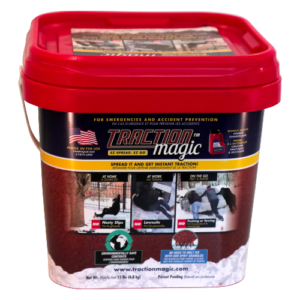
Stay safe on slippery surfaces with a product that’s 100% natural and safe for pets, people, and your property. Use Traction Magic on sidewalks, steps, or as instant traction for your car.
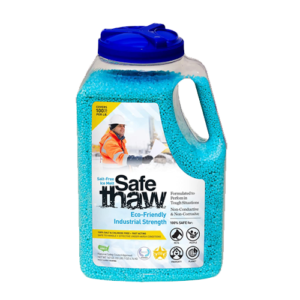
Imagine an ice melt you can put down and never worry about. It won’t harm pets, kids and your property. That’s Safe Thaw. Unlike anything else on the market, Safe Thaw can change how winter affects our planet.
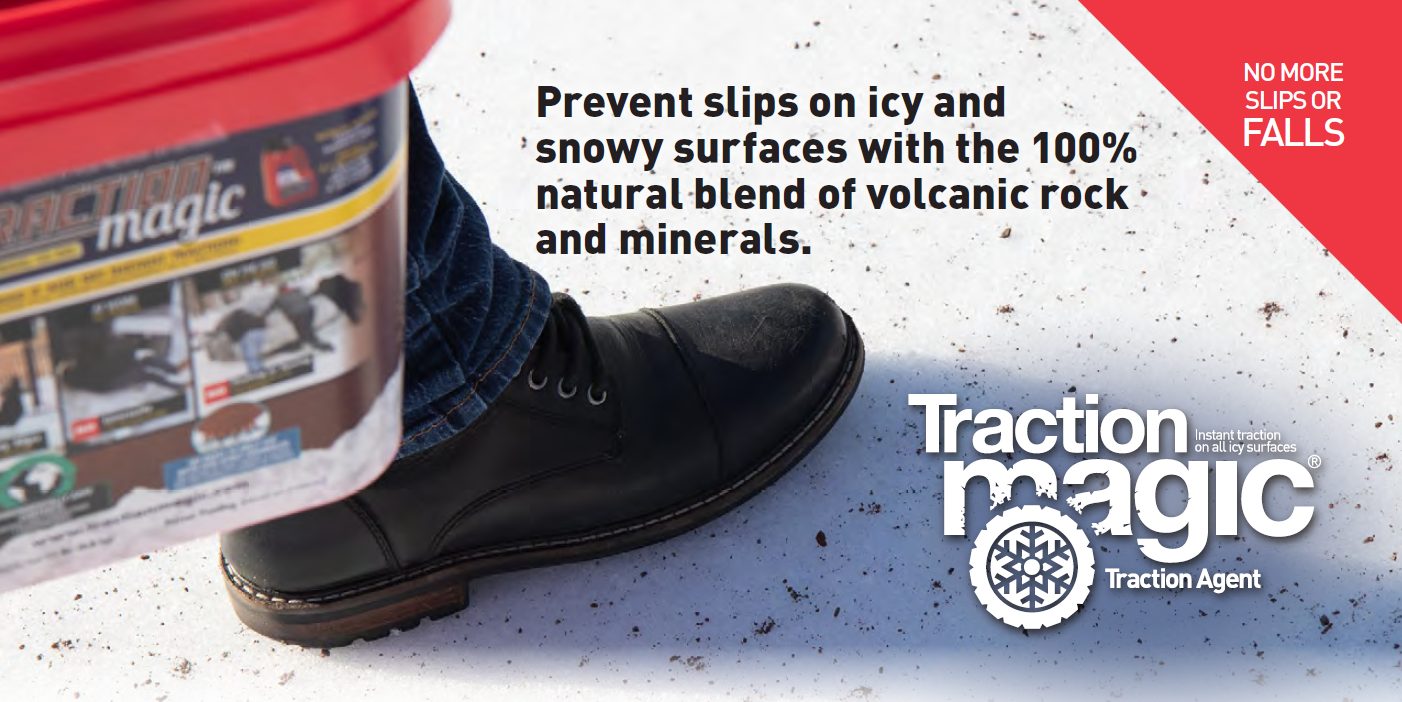
Ice Traction (with Traction Magic™) is your go-to winter solution for driveways, walkways, parking lots — and even black ice on the road. Unlike salt or ice melts, it delivers instant grip on snow and slippery surfaces with no wait time. Just spread and go.
Imagine an ice melt you can put down and never worry about. It won’t harm pets, kids and your property. That’s Safe Thaw. Unlike anything else on the market, Safe Thaw can change how winter affects our planet.
Nature-friendly innovations are Steve’s passion and his products are deeply rooted in this philosophy. “Safe for people, pets, property, and the planet” isn’t just a tagline; it’s the very essence of Steve’s vision.
Driven by a profound respect for our environment, for the last 50 years, Steve is leading the charge towards a future where sustainability isn’t an option but a standard.