



Do NOT Use Ice Melt On New Concrete, And Here’s Why!
Newly poured concrete is vulnerable for up to 12 months, during which using ice melt products can cause freeze thaw damage. Chloride-based deicers such as rock salt and calcium chloride accelerate this damage and reduce the concrete’s durability.
Safe Paw should not be applied to concrete that is less than 12 months old.
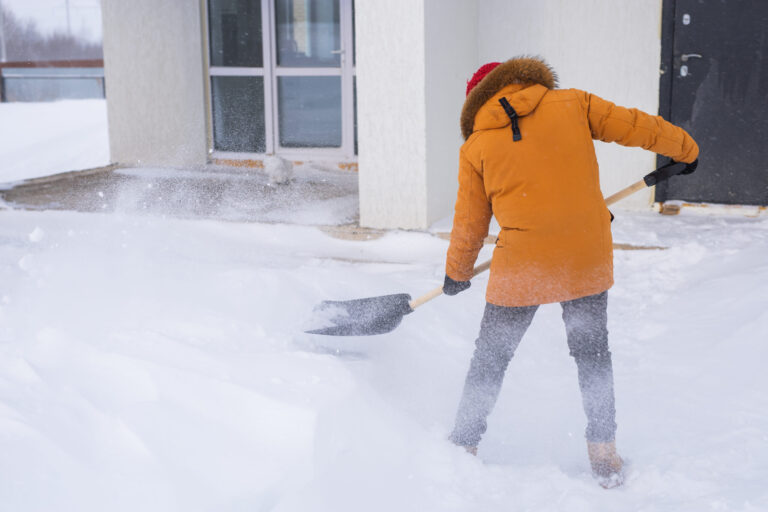
Concrete surfaces require excellent care, and if you are using a chloride-based ice melt, you have to be doubly sure. With every winter, snow and ice removal becomes a problem. Besides using ice melt and other snow removal equipment, your sidewalks, driveways, and streets are covered with snow, making it difficult to walk. Different snow-melt products cover the roads to curb any mishap and make it safe to walk on concrete. Hence, the biggest question you need to answer is—how to melt ice without salt or any chloride-based ice melt?
Key Takeaways
- Do not use deicers on concrete that is less than 12 months old.
- During the first winter, use traction-only materials such as coarse sand, pea gravel or volcanic grit.
- Rock salt, calcium chloride and magnesium chloride can increase the risk of scaling, flaking and freeze-thaw deterioration.
- Safe Paw is intended for suitable, mature concrete—not newly poured concrete.
- Once concrete is at least one year old, confirm its condition and follow the concrete installer’s and ice-melt manufacturer’s instructions.
- Remove melted slush and standing water promptly from older concrete to limit repeated saturation and refreezing.
Why Is New Concrete Vulnerable to Deicers?
Water and Deicer Penetration
New concrete may absorb water and deicer solution through pores, joints and small surface defects.
Freeze-Thaw Pressure
Water that enters the concrete can freeze, expand and contribute to internal stress and surface scaling.
Increased Saturation
Deicer solutions can keep concrete wetter, increasing the number and severity of freeze-thaw exposures.
Chemical and Thermal Distress
Some concentrated chloride solutions can contribute to physical and chemical deterioration of cement-based materials.
Scaling, Flaking and Spalling
Visible damage may include surface peeling, pitting, pop-outs, scaling and material loss.
What Should You Do During the First Winter?
- Remove snow before it becomes compacted.
- Use a shovel or snow-removal tool suitable for the surface finish.
- Apply coarse sand, pea gravel or volcanic grit where additional traction is needed.
- Avoid chemical deicers, including products marketed as concrete-safe.
- Prevent standing water from collecting near joints, cracks and low areas.
- Ask the concrete installer for surface-specific guidance if the slab is stamped, colored, coated or decorative.
Pros and Cons of Winter Ice Management Options for New Concrete
| Option | Advantages | Limitations | Under 12 months? |
|---|---|---|---|
| Coarse sand | Low cost; widely available; immediate grip | Does not melt ice; requires cleanup | Yes |
| Pea gravel | Good traction; no chemical melting action | Can scatter; may need reapplication | Yes |
| Volcanic grit or traction mineral | Works through physical grip; useful at very low temperatures | Does not remove ice; reapply after clearing | Yes |
| Heated mat | Reusable; no chemical residue | Higher cost; limited coverage; may require electricity | Generally, subject to manufacturer guidance |
| Chemical ice melt | Melts or loosens ice | Can increase damage risk during the first year | No |
| Manual snow and ice removal | No chemical residue | Requires labor and careful handling | Yes |
After the Concrete Is at Least 12 Months Old
- Confirm that the surface is in good condition.
- Check for scaling, cracks or damaged sealant.
- Review the product label for concrete restrictions.
- Apply only the recommended quantity.
- Remove slush and excess residue promptly.
- Avoid repeated heavy application in the same location.
Deicers & concrete damage: brines formed by melted snow enter the air pockets of the concrete and refreeze when temperatures drop, causing spalling damage.
Get ready for winter with the ONLY Pet Safe Ice Melt you can trust
| Important Concrete-Safety Limitations No ice melt can be guaranteed safe for every concrete surface. Risk varies according to concrete age, mix design, finishing, air entrainment, sealing, drainage, existing cracks, application quantity and weather conditions. Do not use Safe Paw or another chemical ice melt on concrete that is less than 12 months old. Decorative, stamped, colored, damaged or unsealed concrete may require additional precautions. Follow the instructions provided by the concrete installer and the product manufacturer. |
Fast Facts: The Impact of Calcium Chloride Ice Melt on Fresh Surfaces
- The American Concrete Institute advises that deicers should not be used on concrete that has not achieved sufficient strength to resist freeze–thaw damage — typically at least one year old.
- Research shows that concrete exposed to freeze–thaw cycles in saline (salt) solutions sustained 110% greater compressive strength loss compared to freshwater cycles.
- Studies note that deicing chemicals increase water absorption in concrete, causing more frequent freeze–thaw damage and spalling.
- Asphalt temperatures can reach ~135 °F when air temperature is ~86 °F — enough to cause paw pad burns in dogs
- A professional concrete contractor warns: “Salt promotes additional freeze/thaw cycles… DO NOT USE DE-ICER ON CONCRETE WITHIN THE FIRST YEAR OF PLACEMENT.”
Comparison of Ice Melt Products and Safe Options for New Concrete
| Product or method | Melts ice? | Under 12 months? | Primary concern | Recommended use |
|---|---|---|---|---|
| Rock salt / sodium chloride | Yes | No | Salt exposure, saturation and freeze-thaw scaling | Avoid on new concrete |
| Calcium chloride | Yes | No | Chloride exposure, concentrated brine and concrete distress | Avoid on new concrete |
| Magnesium chloride | Yes | No | Chloride exposure and potential chemical distress | Avoid on new concrete |
| Safe Paw | Yes | No | Not intended for concrete under 12 months | Consider only on suitable mature concrete and follow the label |
| Sand or volcanic grit | No | Yes | Does not remove the ice itself | Best for traction during the first winter |
| Heated mat | Yes | Generally | Cost and limited coverage | Entrances, steps and small high-traffic areas |
Recommended Solutions for New and Mature Concrete
Best for Concrete Under 12 Months
Traction-only materials. Use coarse sand, pea gravel, volcanic grit or an appropriate traction-only product. These options improve grip without relying on chemical deicing.
Best for Mature Concrete in Pet Areas
A chloride-free, pet-conscious product used according to its label. Once the concrete is at least 12 months old and suitable for deicer exposure, consider Safe Paw according to its label and the concrete installer’s guidance.
Best for Steps and Small Entry Areas
Heated mats or prompt manual removal. These methods can reduce chemical exposure and work well in limited high-traffic areas.
The destructive effect of freeze–thaw (F–T) cycles on concrete is the primary cause of concrete failure in cold areas.
Assessing the Risks: Should You Use Ice Melt for New Concrete?
In the world of concrete ice melt best practices, using ice melt on new concrete is not recommended. The reason is that most ice melt products are risky for the new concrete. Not only because they are comprised of some kind of chemical but also due to the vulnerability of freshly poured surfaces to chemical and freeze-thaw damage. However, the absence of any ice control can pose safety risks to pedestrians and vehicles. Therefore, it is recommended that no ice melt should be used on any pre-cast concrete which is younger than 12 months. Once the concrete is mature and its chemical bonds are strong enough to restrict the seepage of water and chemicals, chloride-free ice melt products can be used.
Traction-only materials. Use coarse sand, pea gravel, volcanic grit or an appropriate traction-only product. These options improve grip without relying on chemical deicing.
Is It Ever Safe to Use Magnesium Chloride Ice Melt on New Concrete?
Not during the first 12 months. While some products claim to be “concrete safe,” the combination of curing, penetration, freeze–thaw cycles and chemical exposure still presents risk. Industry best practice is to wait until the concrete is at least one year old.
During this time, concrete is more susceptible to freeze-thaw cycles, which can lead to cracking and surface damage. This is why it is especially important to take extra care of your new concrete in its first winter season.
The air-void system required to protect the concrete from freeze-thaw damage is most severely compromised when deicers are present
Best Practices for Protecting Your Driveway with Pet Safe Ice Melt
To safeguard your concrete while ensuring it remains slip-free, follow these best practices:
- Use only concrete-safe products: Choose ice-melting solutions that are safe for new or “green” concrete. Remember, there is nothing like a ‘new concrete ice melt’. We do not recommend any ice melt on new concrete.
- Apply sparingly: More isn’t always better. Use the minimum amount necessary to break down ice.
- Prompt removal: After you’ve used the safe ice melt for concrete and it hasdone its job, promptly remove slush and residual product to minimize the exposure time.
Environmentally Friendly Ice Melt Safe for Concrete and Pets
Environmentally friendly ice melts are not only better for the earth but often safer for concrete surfaces. Look for products with labels that confirm they are biodegradable and free from harsh salts and chlorides. Unlike chloride-based ice melt products, Safe Paw is one of those rare compounds that is based on glycol and infused with natural traction agents to keep snow and ice away from your driveway without ruining concrete. That’s the reason it is considered the best ice melt for concrete.
Deicing salts contribute to concrete deterioration … diluted deicers chemically reacted with some of the cement hydrates and formed new products in the pores and cracks.
What is the Best Ice Melt for New Concrete to Prevent Spalling?
Traction agents and physical methods—not chemical melting.
Examples:
- Coarse sand or volcanic grit
- Traction-only product with no chemical melt action
- Non-chemical mats or heated systems (for very high end)
Avoid using de-icers the first year — Concrete continues to gain strength. Calcium Chloride should never be applied to concrete.
Finding an Ice Melt Safe for Concrete and Pets After the First Year
Yes – once concrete is at least 12 months old and sealed, you can switch to chloride-free chemical products designed for concrete safety and pet/environmental safety.
These products should be:
- Salt-free, chloride-free
- Non-corrosive
- Listed safe for pets and children
- Designed to prevent spalling, not accelerate it
Safe ice melt solutions such as those containing modified urea, are safer for new concrete and the environment. They help prevent re-freezing at lower temperatures without the harsh effects of traditional salts.
A chloride-free, pet-conscious product used according to its label. Once the concrete is at least 12 months old and suitable for deicer exposure, consider Safe Paw according to its label and the concrete installer’s guidance.
New Concrete Snow Melt Strategies: Protecting Your Investment During Winter
Protect your concrete from winter’s harsh effects by:
- Sealing: Applying a high-quality sealant can help protect against moisture penetration and chemical damage.
- Regular inspections: Check for and repair any cracks or damages as soon as possible to prevent water from entering and causing further deterioration.
How to Safely Manage Snow and Ice on New Concrete Surfaces
Although we advise not to use any ice melt on new concrete, some might still be interested in testing it out. In that case, here’s a quick rundown on how to use ice melt on new concrete.
- Test first: Before applying any product broadly, test it on a small, inconspicuous area.
- Follow the instructions: Use the manufacturer-recommended amount and method of application to avoid damage.
- Even distribution: Avoid piling on ice melt; spread it evenly to avoid concentrated areas of chemical exposure.
What Are the Safest Winter Strategies for Protecting New Concrete?
- Apply traction-only systems instead of melt.
- Seal the concrete soon after curing (e.g., 28–60 days post pour) to reduce moisture ingress.
- Maintain drainage and avoid standing water on the slab.
- Monitor early for cracks and repair promptly to avoid long-term damage.
By following these guidelines and choosing the right products (more on this below), you can effectively manage ice and snow on new concrete surfaces without causing damage. Always prioritize products that are marked safe for concrete and environment, ensuring that your winter management practices keep safety and sustainability at the forefront.
How Should You Apply Ice Melt on Older Concrete Correctly?
- Confirm the concrete is mature (≥12 months) and properly sealed.
- Select a certified concrete-safe, pet-safe, chloride-free product.
- Follow the manufacturer dosage exactly — avoid over-application.
- Spread evenly; avoid concentrated piles.
- Remove slush promptly and rinse surface if possible.
- Seal the surface annually to reduce penetration of moisture and chemicals.
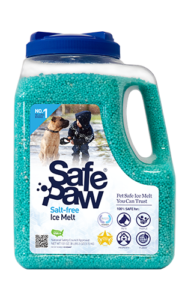
Pet Safe Ice Melt – Safe Paw
The Original and the #1 Pet and Child Safe Ice Melt for over 20 years. Guaranteed environmentally safe – will not harm waterways and sensitive wetlands.
Why Safe Paw is the Best Pet Safe Ice Melt for Your Home
Safe Paw
Safe Paw is a specifically designed ice melt and traction product, an all-natural ice melt product safe for concrete. It comprises zero salt and chloride but a modified crystalline amide center, with traction agents interspersed with a glycol mixture.
Once it touches the icy surface, it instantly begins acting as the liquid component starts melting ice immediately while breaking the surface tension. In addition, the crystal-core penetrates and destabilizes ice, thus speeding the melting process.
Caution—While it does not harm the environment, you must avoid using it on new concrete or concrete less than a year old. It will not affect its stability; however, it might interfere in settling.
Safe Alternatives to Calcium Magnesium Acetate Ice Melt for New Concrete
For new concrete (less than 12 months old), traction-only materials are the only safe option.
| Alternative | Safe for new concrete? | Notes |
| Sand / Pea gravel | ✔ Yes | Simple, non-chemical traction |
| Volcanic grit/rocks | ✔ Yes | Provide grip without melt action |
| Sand + grit blend | ✔ Yes | Effective and low-cost |
| Heated mats | ✔ Yes | High-end option, no chemicals |
| Chemical deicer | ❌ No | All chemical deicers pose risk during curing |
What is an alternative to ice melt?
Important Concrete-Safety Limitations
You must follow one rule with new concrete—never apply ice melt of any kind on new concrete less than 12 months old. You must test it first on stamped and unsealed concrete before proceeding with an ice melt. However, if you have just got a concrete driveway made, you can use Walk On Ice as an alternative.
It is a concrete-safe traction product with seven naturally occurring minerals and volcanic rocks that help form a grip on icy concrete surfaces. It does not corrode concrete, nor does it harm the environment in any way. On the contrary, it is a boon during harsh winters when you have to steer clear of ice melt altogether.
The “Snow Bunny” Guide to Safer New Concrete Snow Melt Strategies
You might’ve heard the term thrown around casually during winter—“snowbunny.” But beyond the pop culture image of someone frolicking in snowy fashion, the snowbunny meaning has shifted in pet-safe living conversations too. Today, it can symbolize more than cute winter aesthetics—it signals a mindful, safer approach to snowy conditions, particularly when it comes to protecting pets and property. And for homeowners with new concrete surfaces, this shift matters.
In icy months, it’s tempting to reach for whatever product promises fast melt. But if your driveway or sidewalk is less than a year old, you risk irreversible damage. That’s where smarter thinking comes in. Instead of relying on harsh chloride-based deicers, forward-thinking homeowners are turning to homemade ice melt or traction solutions that avoid heat-generating reactions. Products like Walk On Ice aren’t just a substitute—they’re a whole new winter logic. Think of them as your “concrete guardian,” creating a textured, walkable surface without altering your slab’s curing process.
But the safety conversation doesn’t stop at concrete. What about your four-legged companions?
Is Calcium Chloride Safe for Pets? Understanding the Risks of Salt
Let’s be honest: traditional ice melts weren’t made with paws in mind. The harsh truth? Is salt bad for dogs? Absolutely. Even limited contact can dry out their pads, cause cracking, and lead to painful burns. Ingestion—whether from licking their paws or eating ice melt off the ground—can cause stomach distress, vomiting, or worse.
But it’s not just sodium chloride in the spotlight. More and more pet owners are asking: Is calcium chloride safe for pets? The answer, unfortunately, is no. While calcium chloride is an aggressive deicer known for its speed, it’s also known to trigger respiratory and skin issues—not just for pets but for humans too. Once in contact with paws, it can cause burning sensations, especially if not rinsed off promptly.
This is why a chloride-free winter approach is not optional—it’s essential. Instead of reactive melt, shift to proactive grip. Instead of chemical solutions, rely on physical traction. And when temperatures drop, adopt the new “snowbunny” mindset: one that’s chic, clever, and deeply compassionate.
If you’re still drawn to something melt-oriented but worry about concrete age, pet safety, or garden runoff, stick with traction-only products or opt for Safe Paw once your concrete is fully cured. Winter safety shouldn’t come at the cost of permanent damage or furry discomfort.
Is Calcium Chloride a Pet Safe Ice Melt? What Pet Owners Should Know
No — calcium chloride is fast-acting and aggressive. It can cause burning on paw pads, respiratory irritation, and ingestion toxicity in pets (and humans).
Because of the risk of burns and chemical exposure, it is not recommended for pet-safe or concrete-safe use near homes with pets or new concrete.
Conclusion:
While we recommend not using ice melt for new concrete, you can keep traction products such as Walk On Ice handy. It is easy to carry and can fit anywhere. Since it is not an ice melt, it will not interfere with the composition of new concrete and will only build traction to walk. Instead of using Safe Paw, you can use Walk On Ice to help you battle winter woes instantly.
Once the concrete is at least one year old, inspect the surface, confirm any installer restrictions and choose a product suitable for mature concrete. Apply it sparingly, follow the label and remove slush promptly.
For new concrete, Ice Traction with Traction Magic™ can be used when additional grip is needed. Safe Paw may be considered for suitable mature concrete, but it should not be applied to newly poured concrete.
Gaia Enterprises Inc. delivers 100% pet-safe and environmentally friendly winter products. Safe Paw, our flagship product, is the #1 selling pet-safe ice melt that does not harm pets, safe if ingested, and safe on all types of concrete.
FAQ: Frequently Asked Questions About Using Ice Melt for New Concrete
Other Ice Melt Products
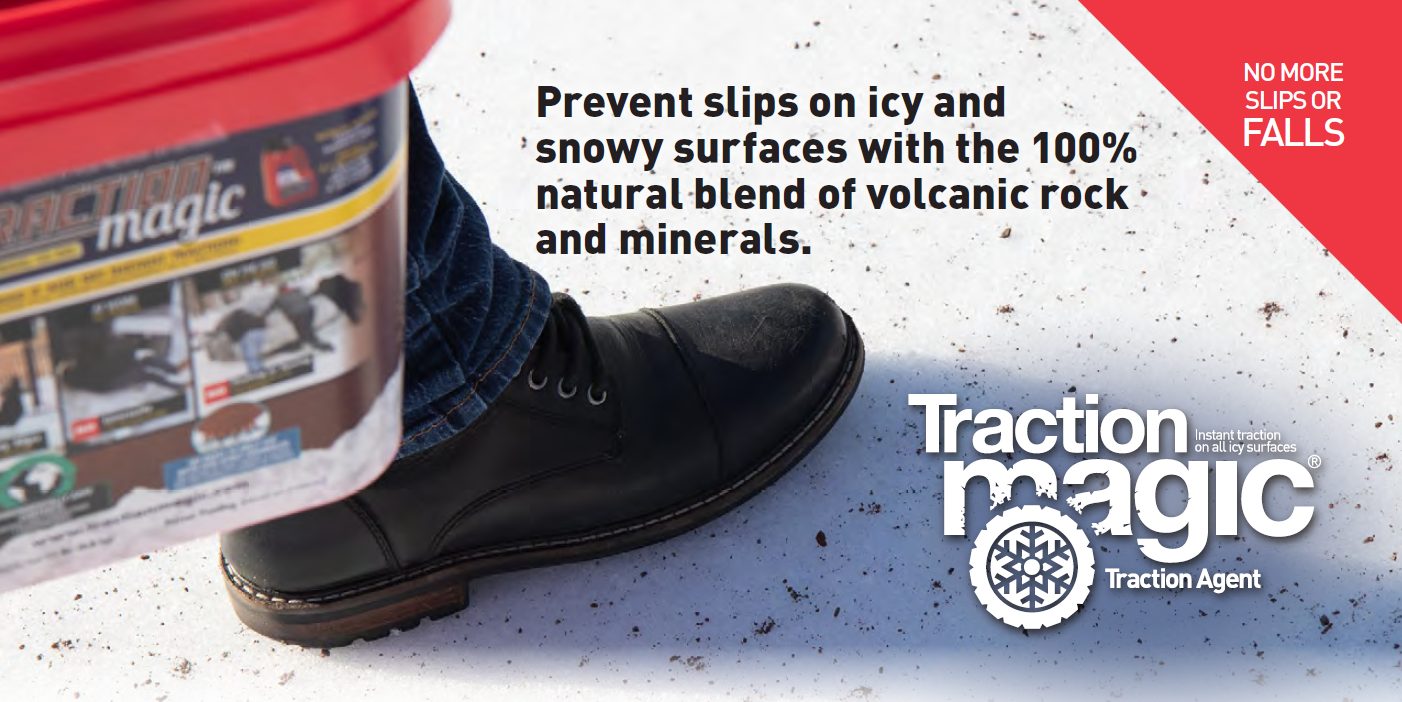
Traction Magic
Stay safe on slippery surfaces with a product that’s 100% natural and safe for pets, people, and your property. Use Traction Magic on sidewalks, steps, or as instant traction for your car.
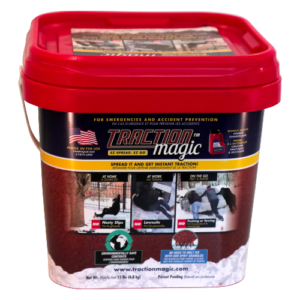
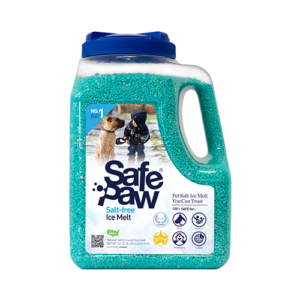
Safe Paw
Pet Safe Ice Melt you can trust. It is 100% natural, biodegradable, eco-friendly ice melt made from volcanic remains. Safe Paw is safe for you, your pet’s paws, your property, and the planet.

Related Posts
- Freeze Warning: Chloride-Free Ice Melt Safe For New Concrete
- New Ice Melt For Concrete Pavers
- Ice Melt For New Concrete That Won't Hurt
- Michigan, Here’s What You Should Use On The New Concrete
- 3 Ways To Keep Your New Concrete Safe This Winter

Author: Shweta Saxena
Shweta, a passionate pet lover and environmental advocate, has dedicated herself to promoting winter safety for pets. Living amidst the scenic, snowy landscapes of Canada, she expertly merges her love for animals with her exceptional writing talents. Her commitment is deeply rooted in ensuring the well-being of pets during the harsh winter months.