


When Is The Best Time To Start Shoveling Snow
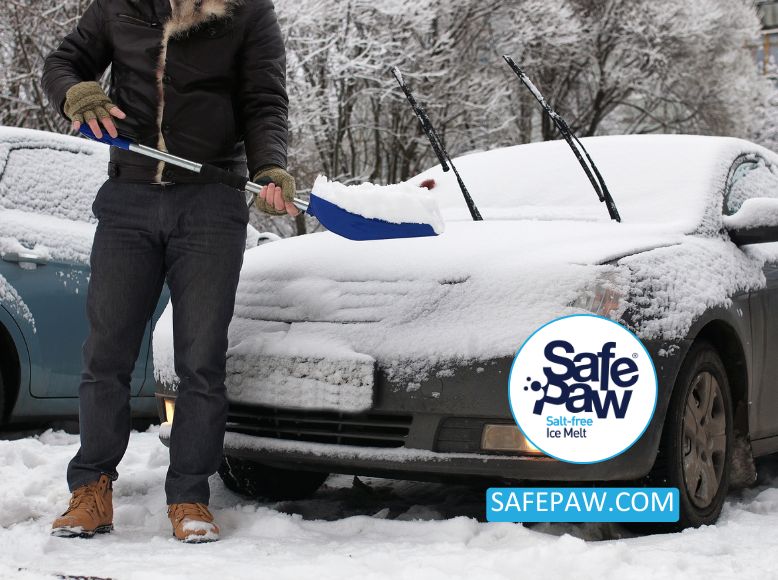
Many homeowners are injured each year while shoveling snow. Some of these individuals shovel snow at inopportune times, resulting in hospitalization. Shoveling snow is a difficult task if you don’t know when and where to start. When is the optimum time for snow shoveling? Because of the variety of circumstances, everyone has their own opinion on the subject. Shoveling the snow at the right time will ensure less effort during summer clean-up.
Key Takeaways
- Shoveling early and frequently prevents dangerous accumulation and reduces physical strain.
- Applying a chloride-free, salt-free ice melt before snowfall prevents adhesion and reduces labor.
- Chloride salts (sodium, calcium, magnesium, potassium chloride) intensify freeze–thaw damage to concrete.
- Safe Paw-type formulas (urea + propylene glycol, non-corrosive, effective to –2°F) safeguard concrete, pets, and the environment.
- Proper technique, timing, and surface protection reduce injuries and long-term driveway damage.
Shoveling and Its Importance
What is shoveling, you may ask? It’s the simple act of using a shovel to remove snow from your property, including sidewalks, driveways, and paths. Its importance lies in its ability to prevent accidents from slippery surfaces, maintain access to and from your property, and protect your surfaces from potential damage due to excessive snow accumulation.
Why Does Timing Matter When Shoveling Snow?
Timing determines whether snow removal is a simple maintenance task or a strenuous, hazardous chore. Snow that sits too long bonds to surfaces, compacts under foot traffic, and refreezes into ice. Removing it quickly reduces physical strain, prevents slips, and protects concrete, pavers, decks, and rooflines.
Removing snow early and at manageable intervals prevents ice formation and reduces mechanical stress on joints and concrete surfaces.
| The U.S. National Safety Council reports thousands of snow-shoveling injuries every winter, primarily due to overexertion and improper timing. |
What Is the Safest Time of Day to Begin Shoveling?
Early morning is the safest and most efficient time to start clearing snow. Overnight snow typically remains light and powdery before sun exposure causes partial melt and refreezing. Shoveling before compression and melt eliminates the need to scrape heavy or icy layers.
Shoveling after work or late at night is less efficient because snow has already bonded to the ground or become compacted by foot traffic.
| Meteorological guidance shows that snow exposed to daytime sun undergoes melt-refreeze cycles that form dense, compacted layers requiring significantly more force to remove. |
Best Time To Start Shoveling The Snow
Shoveling should be done early in the morning and frequently throughout the day to prevent snow accumulation. When there is a modest amount of snow on the ground, the sun can quickly melt it once the snowstorm has passed.
You should shovel to one side and straight ahead. If you start slinging a large weight of snow over your shoulder, it’s going to be strenuous.
It’s usually a moment when people shove before they go to work or when they return home late at night. After a nighttime snowstorm, the following morning should be the best time to shovel because the snow will be fluffy.
When it’s snowing, it’s best not to shovel. Because a big snow winter storm can occasionally result in a bodily mishap or injury that can hurt you for a long time.
Shoveling snow should be done as often as feasible. You should avoid having a mound of snow in your driveway because clearing it will be difficult. Before you start shoveling, understand the tools involved in it to avoid any injuries.
Pet Safe Ice Melt
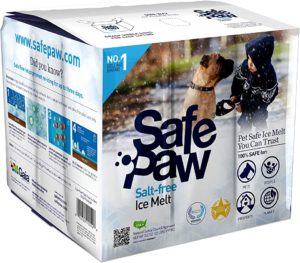
Pet Friendly Ice Melt – Safe Paw!
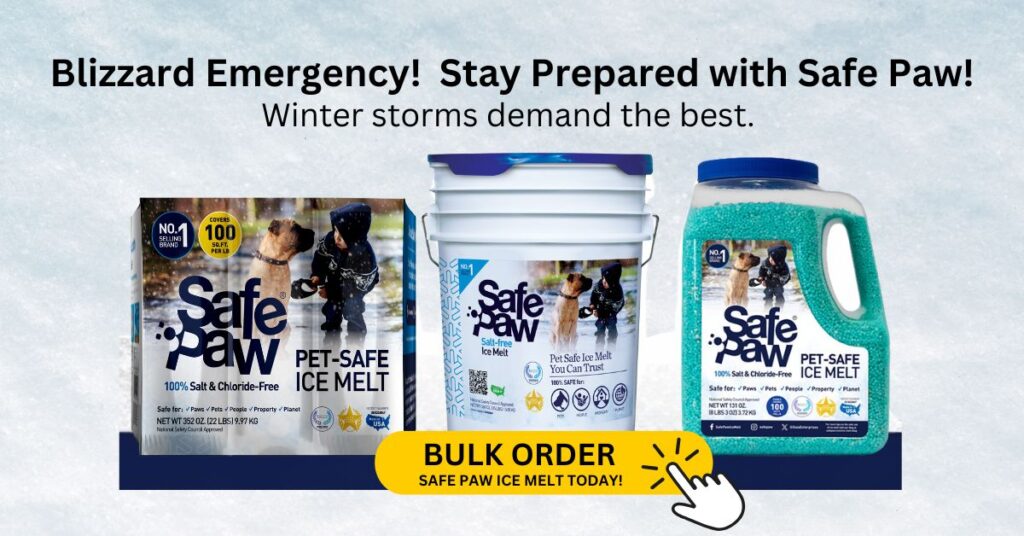
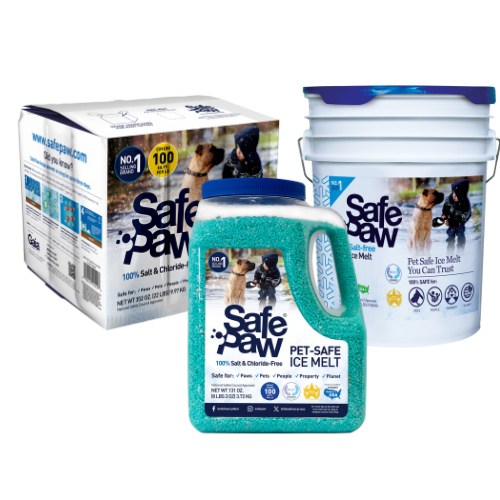
The Original and the #1 Child and Pet Safe Ice Melt for over 20 years. Guaranteed environmentally safe – will not harm waterways and sensitive wetlands.
Tips On Safe Shoveling
While shoveling, there are various measures you should take. They can improve your safety in the event of a snow shoveling mishap. The first thing you’ll need to do is get your wide, multi-purpose plastic snow shovel.
To avoid slipping on the slippery surface, use a salt-free ice melt. Unlike salt, the non-corrosive and natural ice melt will not damage your concrete. It will help you in keeping your driveway and walkway free from snow. All chloride-based products, including potassium chloride deicer, have adverse effects on the infrastructure and environment. The chlorides are not safe for kids and pets as well. By using a non-chloride and natural ice melt, you will be getting rid of snow without worrying about summer clean-up of residues.
Is It Smart to Shovel Snow During Active Snowfall?
Light snowfall can be managed during a storm, but heavy snowfall creates hazardous working conditions—reduced visibility, wind chill, and rapid accumulation.
For multi-hour storms, shovel midway once, then finalize clearing once snowfall ends.
| OSHA winter safety guidance warns that working during severe winter storms increases risk of hypothermia, frostbite, and slips, especially when wind speeds rise. |
Should You Shovel During Active Snowfall?
Shoveling during light snowfall is beneficial, but during a heavy storm it increases risk. High winds, visibility loss, and rapid accumulation make conditions hazardous. The goal is not to keep surfaces perfectly clear during a storm but to prevent deep buildup.
Instead, clear snow once during extended storms and again immediately after conditions stabilize.
| Occupational safety agencies warn that prolonged outdoor exposure during winter storms increases risk of frostbite, hypothermia, and cardiac stress. |
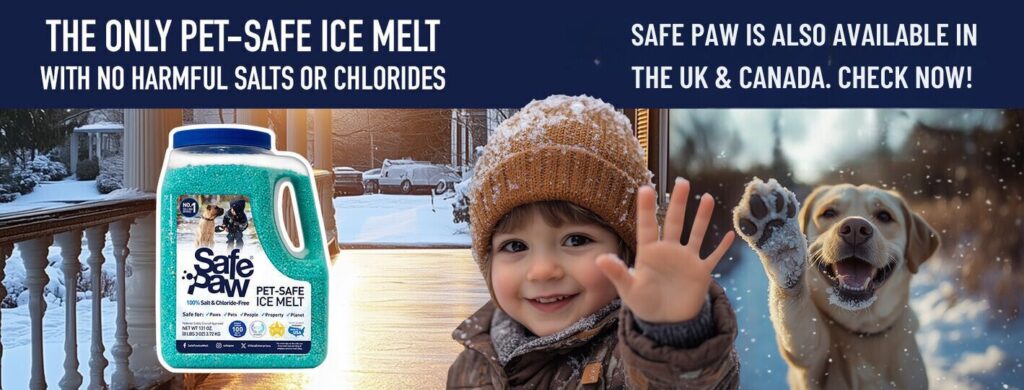
When to Put Ice Melt Down
The timing of applying ice melt can make a significant difference in its effectiveness. Many people wait until after snow or ice has already built up, but being proactive is much more efficient.
- Before the Storm: The best time to apply ice melt is just before snow or freezing rain begins. By putting down a layer of ice melt in advance, you create a barrier that prevents snow and ice from bonding to the surface. This makes it easier to remove and helps avoid dangerous icy patches. Applying ice melt early can also reduce the amount needed after the storm.
- During Snowfall: If you didn’t get the chance to apply ice melt before the snow, applying it during the storm can still help. As snow accumulates, it helps in melting and prevents compaction, making it easier to shovel or remove later.
- After Snow Removal: Once the snow has been shoveled or plowed, adding a fresh layer of ice melt is essential to prevent refreezing. After clearing your surfaces, a light application of ice melt can stop any lingering moisture from turning into hazardous ice patches.
Knowing when to put ice melt down is critical to preventing accidents and minimizing effort during winter.
How Does a Pre-Treatment Ice Melt Strategy Improve Shoveling Safety?
Applying ice melt before snowfall prevents snow and ice from bonding to surfaces, making shoveling easier and reducing physical strain.
- Apply chloride-free deicer before precipitation.
- Maintain a thin, even layer.
- Reapply lightly after initial clearing.
| The Federal Highway Administration confirms that anti-icing treatments applied before storms significantly reduce the bond strength between ice and pavement, lowering removal effort. |
Which Types of Ice Melt Are Safest for Concrete?
Choosing the right type of ice melt can significantly impact the safety of your surfaces, pets, and environment. Concrete longevity depends heavily on the deicer used. Chloride salts rapidly deteriorate concrete through freeze–thaw expansion and chemical reaction. Here are some common options and their benefits:
1. Sodium Chloride (Rock Salt)
- Works above 15°F
- Highly corrosive to metal, concrete, and vegetation
| The American Concrete Institute identifies sodium chloride as a primary contributor to concrete scaling and freeze–thaw deterioration. |
2. Calcium Chloride:
- Effective to –25°F
- Strongly hygroscopic, pulling moisture deep into concrete
| Research published in Cement and Concrete Research shows calcium chloride accelerates internal cracking in concrete due to chemical interaction with cement hydrates. |
3. Magnesium Chloride:
Often marketed as “pet-friendly,” but this is misleading. It remains a chloride salt and irritates paws and skin. Veterinary sources also warn that magnesium chloride causes paw irritation and digestive upset if licked. Unlike magnesium chloride, Safe Paw is salt-free and chloride-free, which means no paw irritation.
| Studies from the Montana Department of Transportation report that magnesium chloride causes concrete softening, scaling, and surface distress through chemical reactions. |
4. Urea + Propylene Glycol (Chloride-Free Formulas)
This combination offers:
- No chloride corrosion
- No concrete damage
- Significantly reduced paw irritation
- Effective low-temperature performance
- Longer-lasting anti-bonding protection
Safe Paw® uses this type of formulation.
| The Pet Poison Helpline classifies chloride-based deicers as irritants but identifies urea-based, chloride-free formulas as lower-risk options for pets. |
5. Eco-Friendly Ice Melt Solutions:
- Many companies now offer blends that are specifically designed to be safer for the environment, pets, and concrete surfaces. These are typically labeled as eco-friendly or pet-safe options, and they often contain less corrosive ingredients like magnesium chloride or calcium magnesium acetate (CMA). Although CMA doesn’t work at low temperatures and magnesium chloride is still chloride.
Why Do Chloride Salts Cause Concrete Damage?
Chlorides accelerate deterioration through chemical and physical mechanisms:
- Freeze–thaw expansion
- Metal corrosion in reinforced concrete
- Surface scaling and micro-cracking
- Increased water absorption
A chloride-free ice melt eliminates these risks entirely.
| The U.S. Department of Transportation states that chloride salts increase concrete permeability, corrosion rates, and scaling severity. |
How Should Ice Melt Be Applied Safely?
Apply ice melt strategically:
- Spread evenly across bare surfaces
- Avoid piling product
- Clear snow first for faster melt action
- Reapply lightly to prevent refreezing
| EPA winter maintenance guidance emphasizes minimizing chemical runoff to protect soil and waterways, recommending chloride-free deicers whenever possible. |
What Commonly Goes Wrong When Switching to “Pet-Friendly” Ice Melts?
Many homeowners try to make a safer winter choice by switching from rock salt to magnesium chloride, assuming it will protect both pets and concrete. But the reality often tells a different story.
A homeowner spreads magnesium chloride on a brick or concrete walkway, believing it is a “pet-friendly” upgrade. Within days, their dog begins licking its paws more frequently, and redness appears between the toes after each walk. Meanwhile, the treated surface develops a light, dusty residue, and small pits begin forming by early spring.
The problem wasn’t solved—only disguised. Magnesium chloride is still a chloride salt, meaning it can irritate paws, cause digestive upset when ingested, and chemically weaken masonry by softening cement paste and amplifying freeze–thaw cycles.
For homeowners wanting predictable, non-corrosive performance in cold weather, chloride-free, salt-free formulations such as Safe Paw® avoid these issues entirely and melt ice without damaging surfaces or irritating pets.
Who Is Most at Risk While Shoveling Snow?
When shoveling snow, make sure you are wearing thick socks, a winter hat, and gloves. Exposure to extreme cold for an extended amount of time may be harmful to your skin cells.
People over the age of 55 who have heart disease, a slow or fast heart rate, or warning indications of a heart attack, as well as diabetics, are at risk of shoveling snow because the passage of oxygen in the blood is reduced by chilly air.
Cold exposure and strenuous lifting create dangerous conditions for several groups.
High-risk individuals include:
- Adults 55+
- Individuals with cardiovascular disease
- People with hypertension or diabetes
- Anyone unaccustomed to strenuous activity
| The American Heart Association warns that sudden exertion in cold weather dramatically increases cardiac workload, elevating heart attack risk during snow shoveling. |
Pet Safe Ice Melt – Safe Paw
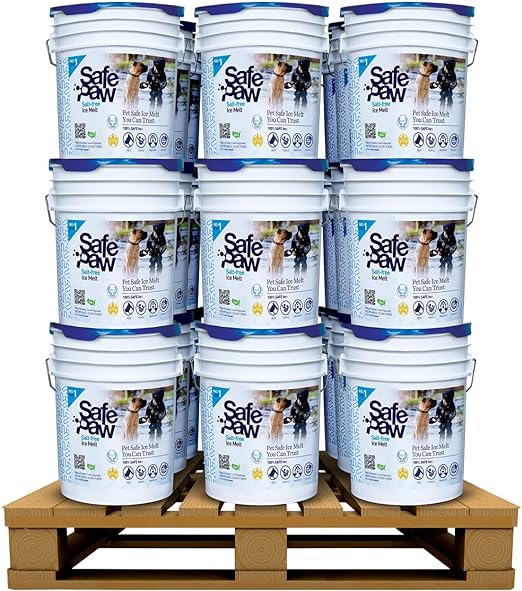
Safe Paw, Child Plant Dog Paw & Pet Safe Ice Melt -35lb, 36 Pails

Safe Paw, Child Plant Dog Paw & Pet Safe Ice Melt -22lb, 100Bboxes
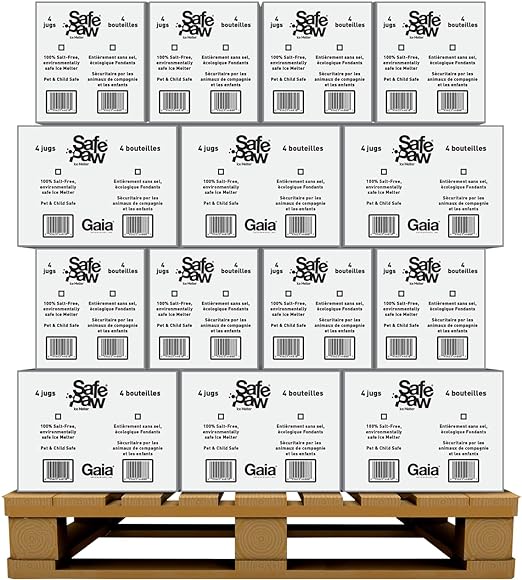
Safe Paw, Child Plant Dog Paw Pet Safe Ice Melt, 160 Jugs

Pet Products Powered By EzPz.pet


What Techniques Reduce Injury While Shoveling?
Knowing how to snow shovel effectively can save you time and protect your health. Begin by dressing warmly and stretching before you start. When you shovel, bend your knees and use your legs to lift the snow, rather than your back. Keep the loads light, and if the snow is deep, remove it in layers.
Shoveling snow safely should be a top priority. Take breaks when needed and stay hydrated. Clearing your driveway doesn’t have to be a race, take it slow and steady. And remember, after you’ve finished shoveling, applying a product like Safe Paw can help ensure the snow and ice don’t build back up.
Use proper technique to prevent musculoskeletal injuries:
- Push snow rather than lift
- Keep the shovel close to the body
- Bend at the knees
- Lift smaller loads
- Take frequent breaks
- Stay hydrated and warm
| The CDC advises using ergonomic posture and regular breaks during snow removal to prevent overexertion and slips. |
How Does Ice Melt Improve Shoveling Efficiency and Surface Safety?
Ice melt reduces adhesion, prevents refreezing, and maintains traction. However, chloride salts create long-term damage to surfaces and harm pets.
Safe Paw–type formulas eliminate:
- Concrete scaling
- Corrosion
- Paw irritation
- Damage to plants and soil
| The ASPCA lists chloride deicers as winter hazards for pets due to paw burns and ingestion risks. |
When Should You Apply Ice Melt for Best Results?
Before the Storm
Pre-treatment is the most effective method. A thin layer of chloride-free ice melt prevents snow from bonding to surfaces.
During Snowfall
Light application during snowfall helps slow compaction and reduces the thickness of the final layer.
After Shoveling
Post-removal ice melt prevents residual moisture from refreezing into hazardous black ice.
How Cold Does It Have to Be for Snow, and Why Does It Matter When Shoveling?
Snow forms at 32°F or below, but atmospheric conditions can create snow even when surface temperatures reach 40°F.
Understanding temperature helps optimize:
- Shoveling intervals
- Pre-treatment timing
- Prevention of freeze–thaw damage
| NOAA confirms snow can fall at surface temperatures up to approximately 40°F under the right atmospheric conditions. |
What DIY Ice Melt Methods Help in Emergencies?
DIY options provide quick relief for small patches:
- Rubbing alcohol + water
- Dish soap + warm water
- Vinegar solutions
These melt thin ice temporarily but are not suitable for:
- Large driveways
- Pet areas
- Sensitive concrete
- Long-term winter use
They lack the safety and consistency of chloride-free commercial ice melt.
How Cold Does It Have to Be for Snow? Know the Right Time for Ice Melt Safe for Concrete
Timing your snow management efforts isn’t just about convenience—it’s about knowing how cold does it have to be for snow and acting accordingly. Snow forms when the atmospheric temperature is at or below 32°F (0°C), but other factors like moisture in the air and surface temperature can influence how snow behaves once it hits the ground. Wet, heavy snow typically falls at higher temps (close to freezing), while dry, powdery snow comes down in much colder conditions.
Why does this matter for homeowners with concrete driveways, pavers, and walkways? Because applying any deicer—especially ones with corrosive salts—when it’s too cold can backfire. Traditional rock salt loses its effectiveness below 15°F, and other chloride-based options may chemically react with concrete, causing cracks, spalling, and long-term erosion. Instead, using an ice melt safe for concrete becomes crucial. Safe Paw, for example, doesn’t rely on chloride or salt at all, making it ideal for extremely cold climates and delicate surfaces.
Understanding snow’s behavior helps you plan smarter. When you expect snow at borderline temperatures, early application of ice melt can help form a protective barrier on concrete. When the weather drops well below freezing, you’ll need a product that works without contributing to long-term damage. That’s where Safe Paw’s non-toxic, salt-free formula comes into play, giving you peace of mind even when the temperatures plummet.
What Does “Snowbunny” Mean in a Winter Safety Context?
Not all snow management requires a store run. If you’re ever in a pinch, DIY ice melt options like mixing rubbing alcohol, dish soap, and water in a spray bottle can help melt thin ice patches quickly. However, DIY solutions are best used as temporary fixes and not across large areas. Homemade brews often lack the consistency, safety profile, and lasting power of professional-grade ice melt—especially when pets, kids, or sensitive concrete are in the mix.
In pop culture, a “snowbunny” refers to someone who enjoys skiing and snowy environments. In a homeowner context, a “snowbunny” is someone who manages winter wisely:
- Pre-treats surfaces
- Uses ice melt safe for concrete
- Shovels at optimal times
- Prioritizes safety and prevention
Still, it’s helpful to know the difference between quick fixes and long-term solutions. If you’re battling slick steps or shallow frost, a little DIY can work in a pinch. But for a full driveway or path, a trusted ice melt safe for concrete like Safe Paw is your safest bet. It doesn’t leach harmful chemicals, doesn’t cause chloride-induced surface erosion, and it lasts up to 3X longer than salt-based products.
Now for something fun—have you heard the term “snowbunny“? The typical snowbunny meaning refers to someone (usually stylish or playful) who loves winter, skiing, and snowy adventures. But in a homeowner’s world, a “snowbunny” could also be that smart, prepared person who knows the difference between harmful ice melt and concrete-safe solutions. They don’t panic when the snow hits—they plan ahead with Safe Paw in the garage, ergonomic shovels in hand, and layered coats ready to go.
Comprehensive Comparison Table: Sodium Chloride vs. Calcium Chloride vs. Magnesium Chloride vs. Safe Paw®
| Feature / Criteria | Sodium Chloride (Rock Salt) | Calcium Chloride | Magnesium Chloride | Safe Paw® (Urea + Propylene Glycol, Chloride-Free) | Marketed as “Pet-Friendly”? |
| Chemical Type | Chloride-based salt | Chloride-based salt | Chloride-based salt | Chloride-free, salt-free formulation | Sodium: No.Calcium: No.Magnesium: Often marketed as “pet-friendly,” but still chloride-based.Safe Paw: Truly chloride-free, urea-based formula. |
| Effect on Pets | Irritates paws; ingestion causes GI upset | Can burn paws; exothermic reaction may damage skin | Can irritate paws; ingestion may cause GI upset, especially in pets with kidney issues | Non-corrosive, non-irritating, safe around paws | Marketing confusion: magnesium chloride often labeled “safer,” but still causes paw irritation. Safe Paw is designed for pet safety. |
| Effect on Concrete | Accelerates freeze–thaw cracking & scaling | Highly corrosive; rapid deterioration of concrete & rebar | Causes softening of cement paste and surface scaling | Non-corrosive; safer for concrete, pavers, masonry | Only Safe Paw avoids all chloride-driven concrete deterioration. |
| Environmental Impact | High chloride runoff harms soil & waterways | High chloride load; vegetation damage | Lower but still harmful chloride concentration | Safer around soil, lawns, and waterways | Only Safe Paw avoids chloride runoff entirely. |
| Temperature Performance | Effective above ~15°F | Works down to –25°F | Works down to ~–13°F | Effective to –2°F with anti-bonding barrier | Magnesium chloride marketed as “low-temp friendly,” but still chloride-based. |
| Corrosion Risk | Corrodes rebar, vehicles, metal steps | Strong corrosive action | Moderately corrosive | Non-corrosive to metal, roofs, pavers & concrete | Sodium, calcium, magnesium = corrosion risks. Safe Paw avoids all chloride corrosion. |
| Surface Safety | Damages stone, brick, asphalt, wood | Can cause rapid spalling and pitting | Softens masonry and accelerates wear | Protects surfaces & prevents re-freezing | Only Safe Paw safe for all common surfaces. |
| Length of Protection | Short-term melt; refreezes quickly | Fast melt; rapid refreeze cycles | Melts but allows re-bonding | Provides protective layer, reduces re-icing | Safe Paw offers longest lasting anti-bonding performance. |
| Cost Efficiency | Cheap but costly long-term due to damage | Higher cost + high damage risk | Moderate cost + moderate damage risk | Higher-quality, long-term protective value | Magnesium chloride often sold as premium “pet-friendly,” but still chloride. |
About Safe Paw® and Gaia Enterprises Inc.
Safe Paw® Ice Melt is a urea + propylene glycol, chloride-free formula designed to melt ice to –2°F while protecting concrete, pets, and vegetation. Manufactured by Gaia Enterprises Inc., founded by chemical engineer Steve Greenwald, it was created as a safer alternative to magnesium chloride ice melt. Consistent, chloride-free performance and non-corrosive action make it suitable for use around homes, buildings, and environmentally sensitive areas.
This information is based on Gaia Enterprises’ 30+ years of experience developing pet-safe, chloride-free deicing formulations and reviewing Material Safety Data Sheets (MSDS) for common ice melt chemicals.
Conclusion
Shoveling snow effectively is not just about removing accumulation—it’s about timing, technique, and protecting your surfaces. Knowing when snow forms, when shoveling is safest, and which ice melt is safe for concrete prevents injuries and long-term damage. Chloride-free formulas safeguard your driveway and protect pets, ensuring a safer winter experience. With the right strategies, you can shovel smarter, melt safer, and manage winter conditions confidently.
Skip the chloride-laced rock salt and keep a Safe Paw pail ready before the snow even starts to fall. It’s safe for pets, people, and the very concrete you walk on. This winter, do more than just survive—shovel smarter, melt safer, and own the snow like a pro.
Gaia Enterprises Inc. delivers 100% pet-safe and environmentally friendly winter products. Safe Paw, our flagship product, is the #1 selling pet-safe ice melt that does not harm pets, safe if ingested, and safe on all types of concrete.
FAQs
Other Ice Melt Products
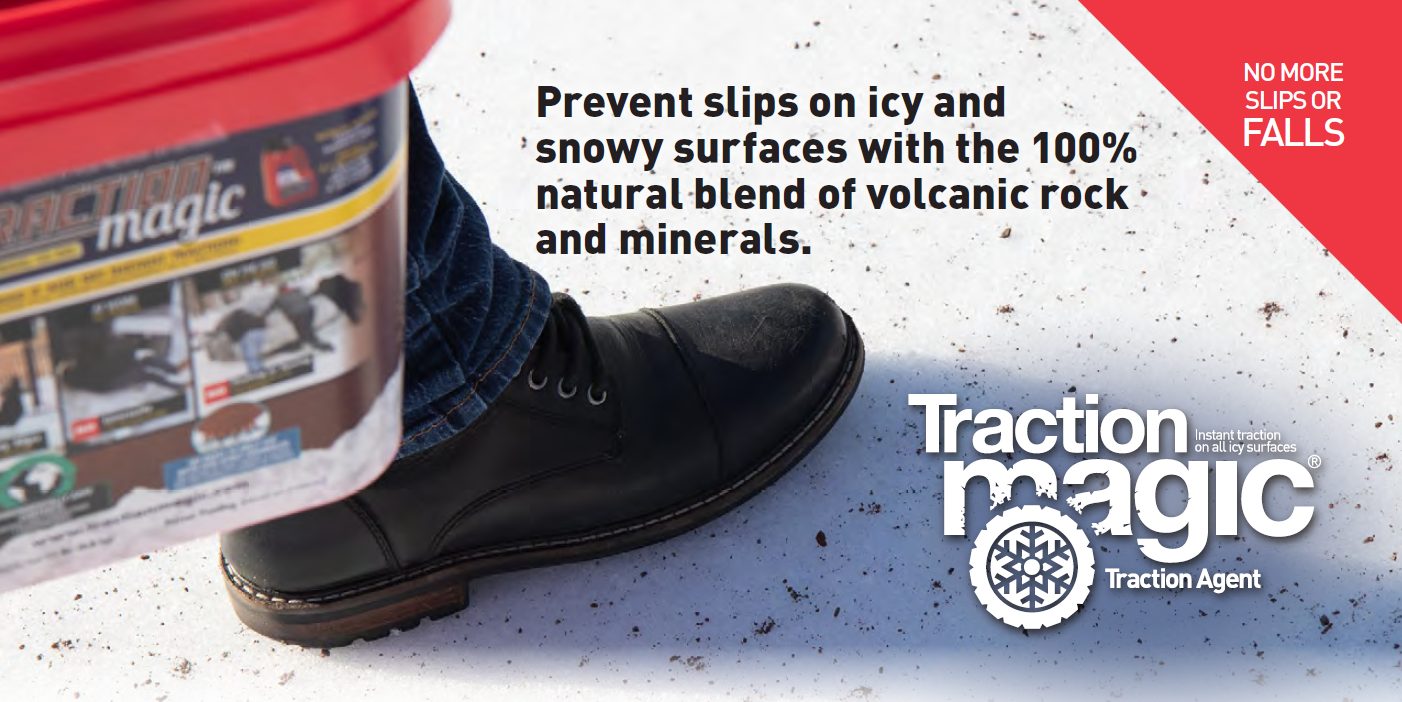
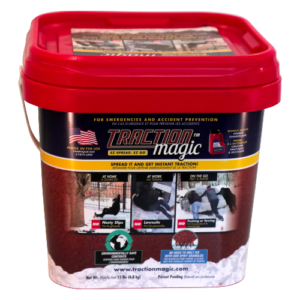
Traction Magic
Stay safe on slippery surfaces with a product that’s 100% natural and safe for pets, people, and your property. Use Traction Magic on sidewalks, steps, or as instant traction for your car.
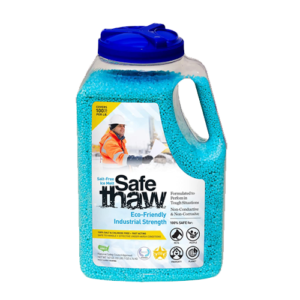
Safe Thaw
Imagine an ice melt you can put down and never worry about. It won’t harm pets, kids and your property. That’s Safe Thaw. Unlike anything else on the market, Safe Thaw can change how winter affects our planet.
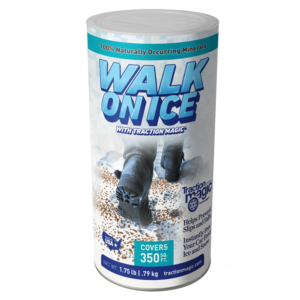
Walk On Ice
Prevent slips at home, work or on the go, The handy disposable canister can be taken everywhere, with the same 100% naturally occurring minerals that provide instant traction on ice or snow.
Safe Thaw
Imagine an ice melt you can put down and never worry about. It won’t harm pets, kids and your property. That’s Safe Thaw. Unlike anything else on the market, Safe Thaw can change how winter affects our planet.