


Understanding Iditarod Rule 42: Ensuring Canine Safety in the Last Great Race
What Is Iditarod Rule 42? Quick Answer
Iditarod Rule 42, titled “Expired Dog,” sets out the procedure that applies when a dog dies during the race. Under the 2026 rules, the musher must voluntarily scratch or be withdrawn unless the Race Marshal determines that the death resulted from an “Unpreventable Hazard,” such as an inherent wilderness risk, trail condition, or force beyond the musher’s control. The rule also requires reporting, investigation, necropsy procedures, and subsequent review of the death.
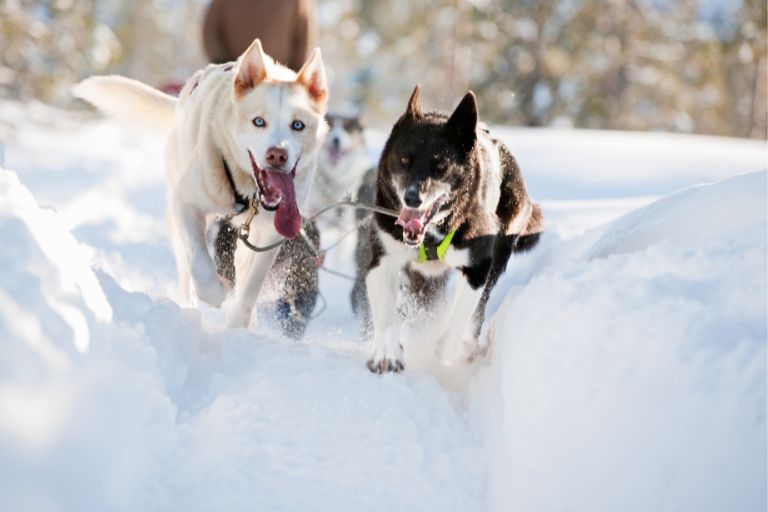
The Iditarod Trail Sled Dog Race, often referred to simply as the “Iditarod,” is an annual long-distance sled dog race held in Alaska. Mushers and their teams of dogs traverse approximately 1,000 miles of challenging arctic terrain, from Anchorage to Nome, enduring extreme weather conditions and rugged landscapes. This event, celebrated for its demonstration of endurance and the bond between mushers and their dogs, also places significant emphasis on the health and safety of the canine athletes.
Key Takeaways About Iditarod Rule 42
- Rule 42 is officially titled “Expired Dog.”
- It applies when a dog dies during the conduct of the Iditarod race.
- A musher normally must scratch voluntarily or be withdrawn after a dog death.
- An exception can apply when the Race Marshal determines that the death resulted from an Unpreventable Hazard.
- A dog that dies on the trail must be transported to a checkpoint with an expired-dog report.
- The rules provide for a necropsy and investigation to determine the cause of death.
- Dog deaths are reviewed by a Dog Care Panel following the race.
- Certain findings can lead to disqualification.
- The 2026 rulebook states that Rule 42 remains under consideration.
Understanding Iditarod Rule 42
Central to the Iditarod’s commitment to canine welfare is iditarod rule 42 deaths, known as the “Expired Dog” rule. This rule underscores the race’s stance that no dog should suffer harm or death in connection with the event. However, it acknowledges that, in rare circumstances, such incidents can occur without fault on the part of the musher. According to the 2024 Iditarod official rules:
“Any dog death that occurs during the conduct of the race will result in immediate (a) voluntary scratch by the musher with right of assistance under Rule 10 or (b) withdrawal with right of assistance under Rule 51… unless the death was caused… due to the inherent risks of wilderness travel… nature of trail, or force beyond the control of the musher…”
In essence, if a dog dies during the race, the musher must either voluntarily withdraw or be withdrawn by race officials, unless the death is attributed to unavoidable hazards inherent to wilderness travel. This rule ensures that mushers are held accountable for the well-being of their teams and that any incidents are thoroughly investigated.
How Iditarod Rule 42 Works
According to the 2026 Iditarod Race Rules, Rule 42 follows several distinct stages after a dog death.
Iditarod Rule 42 Process After a Sled Dog Death
| Stage | What Rule 42 Provides |
| Dog death occurs | The incident is treated as a priority |
| Trail procedure | The dog must be covered and transported to a checkpoint |
| Reporting | The musher completes an expired-dog report |
| Race status | The musher scratches or is withdrawn unless an Unpreventable Hazard is determined |
| Initial investigation | Veterinary examination and necropsy procedures begin |
| Cause determination | Veterinary professionals examine available evidence |
| Post-race review | A Dog Care Panel reviews the death |
| Possible consequence | Certain findings may result in disqualification |
| Public reporting | The rules provide for public communication about dog deaths |
Pet Safe Ice Melt
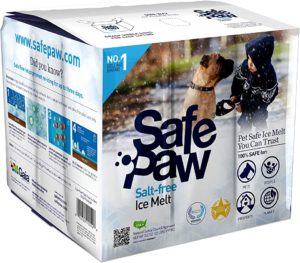
Pet Friendly Ice Melt – Safe Paw!
The Original and the #1 Child and Pet Safe Ice Melt for over 20 years. Guaranteed environmentally safe – will not harm waterways and sensitive wetlands.
Important Context When Interpreting Rule 42
Rule 42 should not be treated as the complete set of Iditarod canine-care requirements. Other rules separately address mandatory rest periods, veterinary examinations, dog care, medication and other race procedures. Rule 42 specifically addresses dog deaths and the procedures that follow them. In addition, the 2026 rulebook states that Rule 42 remains under consideration, so future versions of the rule should be checked before relying on this explanation.
What Does “Unpreventable Hazard” Mean Under Rule 42?
The 2026 rule defines this category around circumstances determined by the Race Marshal to involve factors such as:
- inherent risks of wilderness travel;
- an encounter with wildlife, with a moose encounter given as an example;
- the nature of the trail; or
- a force beyond the musher’s control.
When Can a Dog Death Result in Disqualification?
Under the current Rule 42 framework, the Dog Care Panel can determine that disqualification is warranted in circumstances including:
- neglect or cruel, inhumane, or abusive treatment;
- a death attributed to heat stress, hyperthermia, or hypothermia; or
- circumstances where a musher had received written advice to drop a dog at an earlier checkpoint but did not do so, unless the eventual death was clearly unrelated.
Recent Incidents Related to Rule 42
In the 2025 Iditarod, a notable incident occurred involving rookie musher Daniel Klein. Klein’s 4-year-old dog, Ventana, collapsed approximately 8 miles outside the Galena checkpoint. Despite immediate attempts to revive Ventana, the efforts were unsuccessful. A subsequent necropsy revealed that Ventana was pregnant, though no other unexpected findings were reported. Adhering to Rule 42, Klein scratched from the race following the incident.
This event marked the first dog death of the 2025 race and brought attention to the protocols established under Rule 42. The rule mandates that any dog death triggers an immediate response, including a thorough investigation to determine the cause and to assess any potential musher responsibility.

Iditarod Rule 42 Canine Safety: Strengths and Limitations
| Aspect | Potential Strength | Limitation or Qualification |
| Immediate race response | Establishes a defined procedure following a dog death | An Unpreventable Hazard exception may allow the musher to continue |
| Investigation | Requires efforts to establish the cause of death | Cause determination may require later veterinary analysis |
| Necropsy | Provides a formal veterinary investigation process | Results may not be immediately available |
| Dog Care Panel | Adds post-race independent review | Final conclusions occur after the immediate race incident |
| Disqualification standards | Identifies circumstances that can result in disqualification | Not every dog death automatically results in disqualification |
| Public reporting | Provides for communication about dog deaths | Information can develop as investigations progress |
Historical Context and Rule Evolution
The Iditarod has faced scrutiny over the years concerning canine fatalities. On average, three dogs die in every Iditarod. Rule 42 of the Iditarod rules acknowledges that some deaths may be considered unpreventable. In 2018, the Iditarod Trail Committee made amendments to Rule 42, emphasizing immediate musher withdrawal in the event of a dog death, unless the death resulted from an unpreventable hazard.
Iditarod Rule 42 vs Other Canine Safety Rules
| Rule | Main Subject | What It Covers |
| Rule 13 | Mandatory Stops | Required 24-hour and 8-hour race stops |
| Rule 40 | Pre-Race Veterinary Exam | Health screening, examinations, vaccination records and participation requirements |
| Rule 41 | Jurisdiction and Care | Veterinary authority and care jurisdiction |
| Rule 42 | Expired Dog | Procedures, investigation and consequences following a dog death |
| Rule 45 | Returned Dogs | Procedures for dogs removed from a racing team |
Which Iditarod Rule Should Readers Check?
- For a dog death during the race: Rule 42
- For required rest periods: Rule 13
- For pre-race health examinations: Rule 40
- For veterinary jurisdiction and ongoing care: Rule 41
- For dogs removed from a team during the race: Rule 45
Pet Safe Ice Melt – Safe Paw

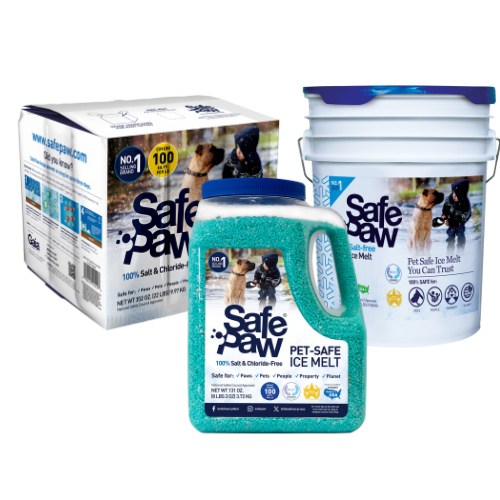
Safe Paw, Child Plant Dog Paw & Pet Safe Ice Melt -35lb, 36 Pails

Safe Paw, Child Plant Dog Paw & Pet Safe Ice Melt -22lb, 100Bboxes
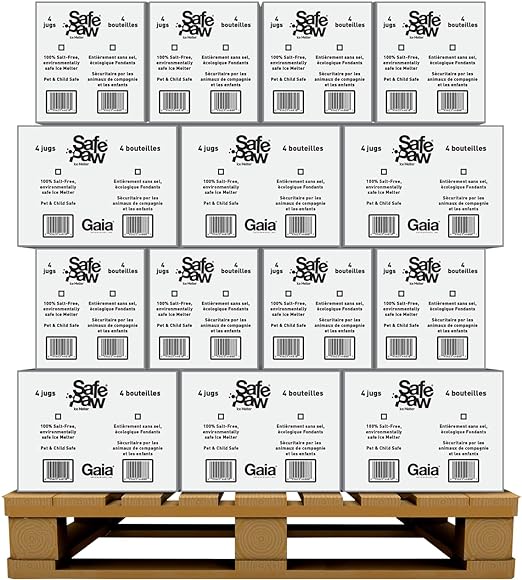
Safe Paw, Child Plant Dog Paw Pet Safe Ice Melt, 160 Jugs

Pet Products Powered By EzPz.pet


Implications of Rule 42 on Race Dynamics
Rule 42 serves multiple purposes within the Iditarod framework:
- Accountability: Mushers are directly responsible for the health and safety of their dogs. The rule ensures that any lapses in care leading to a dog’s death result in immediate consequences.
- Transparency: By mandating thorough investigations and public disclosures of dog deaths, the rule promotes openness about the challenges and risks associated with the race.
- Race Integrity: The rule reinforces the Iditarod’s commitment to ethical racing practices, ensuring that the event prioritizes the well-being of the canine participants over competitive success.
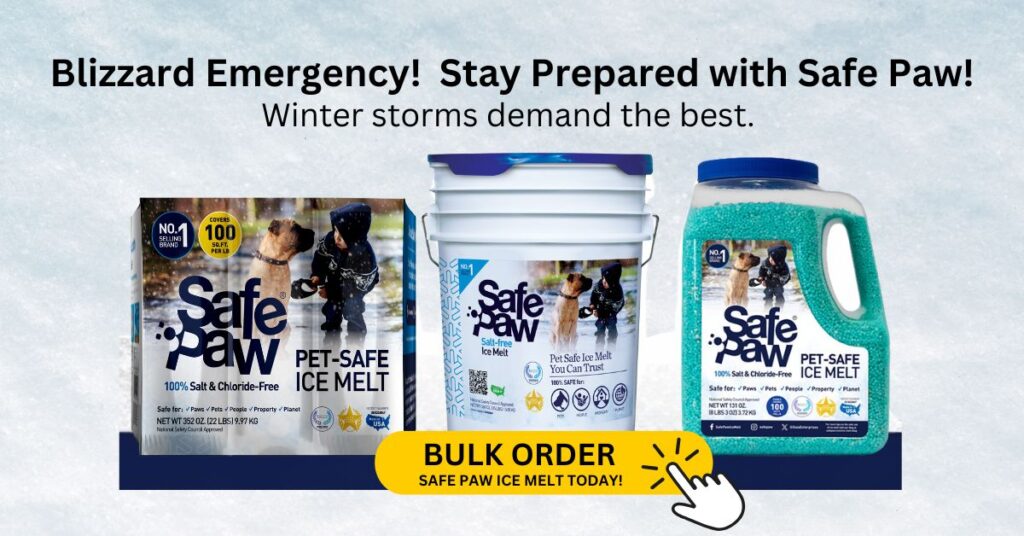
Gaia Enterprises Inc. delivers 100% pet-safe and environmentally friendly winter products. Safe Paw, our flagship product, is the #1 selling pet-safe ice melt that does not harm pets, safe if ingested, and safe on all types of concrete.
Conclusion
The Iditarod Trail Sled Dog Race is a testament to human and canine endurance, navigating the formidable Alaskan wilderness. Central to its continuation is the unwavering commitment to the health and safety of the sled dogs. Rule 42 embodies this commitment, ensuring that any incidents are met with immediate action, thorough investigation, and necessary accountability. As the race evolves, so too do its standards and practices, all aimed at safeguarding the well-being of its most essential participants—the sled dogs.
FAQs

New Product Launch – Ice Traction (with Traction Magic™)
Ice Traction is your go-to winter solution for driveways, walkways, parking lots — and even black ice on the road. Unlike salt or ice melts, it delivers instant grip on snow and slippery surfaces with no wait time. Just spread and go.
Other Ice Melt Products
Walk On Ice
Prevent slips at home, work or on the go, The handy disposable canister can be taken everywhere, with the same 100% naturally occurring minerals that provide instant traction on ice or snow.

Safe Thaw
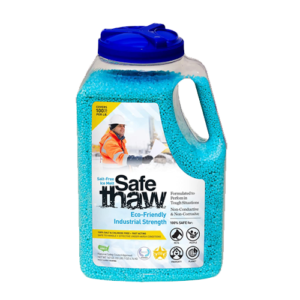
Imagine an ice melt you can put down and never worry about. It won’t harm pets, kids and your property. That’s Safe Thaw. Unlike anything else on the market, Safe Thaw can change how winter affects our planet.
Related Articles
- Homemade Ice Melt Safe For Pets And Concrete
- Is Your Dog Already in Danger? 5 Sneaky Thanksgiving Toxins Hiding in Plain Sight
- 5 Pro Trainer Secrets That Instantly Turn a ‘Stubborn’ Puppy Into a Listener
- Why Black Cats Deserve the Spotlight Year-Round and Not Just on the National Black Cat Day
- Why a Champion Dog’s Owner Still Rushed to the ER Last Winter