


Paws in the Rain: How to Keep Your Dog Safe & Dry
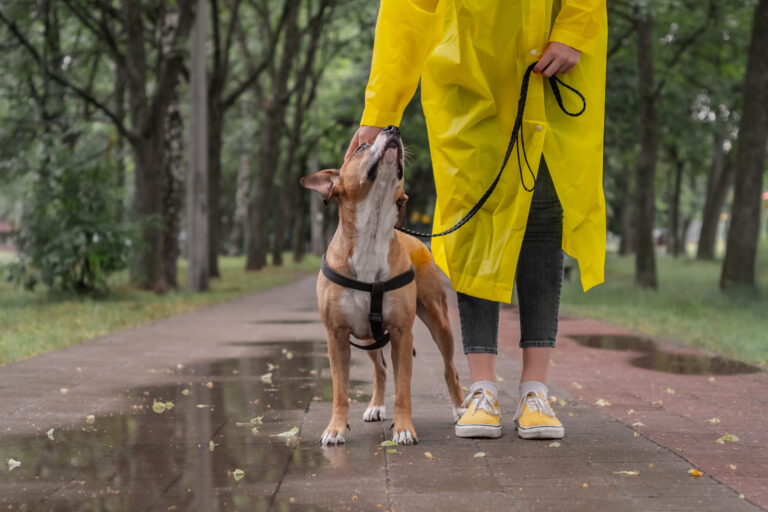
That feeling when you look out the window, see the relentless rain, and your dog is giving you that look—the one that says, “You seriously expect me to go out there?”
For many dog owners across the USA, rainy days are less about cozy indoors and more about muddy paws, wet dog smell, and the complicated logistics of a quick potty break. We tend to focus only on the inconvenience, but veterinary professionals often see a seasonal surge in issues caused by wet weather—everything from irritated paws to serious chemical exposure.
The truth is, rain is inevitable, but safety and sanity don’t have to be casualties of the wet season. A dog’s reaction to the rain is often a mix of discomfort and a highly sensitized awareness of the environment, which is why they sometimes resist that walk. It’s not just the water; it’s the cold, the wind, and the slick, contaminated surfaces. The frustration of wiping down a dog only to have them track mud through the house moments later is a common challenge for dog owners.
This guide is your complete, professional handbook for making “Paws in the Rain” a stress-free and—most importantly—safe and dry experience for a dog, inside and out. It’s time to move beyond the quick towel rub and establish a routine that truly protects your dog from the hidden dangers of wet weather.
The Hidden Dangers of Wet Weather: More Than Just Mud
It’s tempting to think the biggest problem with rain is the mess, but there are a few serious safety issues that can be overlooked:
1. Paw Health: The Underfoot Threat
When paws are constantly wet, they become vulnerable. This creates the perfect environment for bacterial and fungal infections. Constant licking or chewing of paws after a wet walk is a classic sign of irritation or yeast overgrowth.
More critically, heavy rain often washes contaminants onto sidewalks and streets. Ice-melting salts and antifreeze are common in many US regions, and they are highly toxic. A 2024 article published by the ASPCA highlights the continued risk of antifreeze poisoning, which is lethal even in small amounts.
Owners often rinse paws, but the dog still licks them incessantly. This is often because the paws are only rinsed; they are not fully dried or provided with a protective barrier.
| Veterinarians strongly recommend thoroughly rinsing dog paws after walking on wet or salted surfaces to prevent chemical exposure and fungal issues. |
2. Reduced Visibility & Hearing
For dogs, rainy days significantly hamper their two key senses: smell and sight. The rain washes away ground scents they rely on for navigation and stimulation. Meanwhile, the noise of heavy rain can muffle crucial traffic sounds. This combination makes dogs more easily startled and less aware of their surroundings, increasing the risk of accidents near roads.
A dog should never be walked off-leash in heavy rain or fog. Use brightly colored or reflective gear to ensure drivers can spot the dog easily, especially in low light.
3. The Cold, Wet Chill (Hypothermia Risk)
While large, thick-coated breeds might enjoy the rain, short-haired, small, and elderly dogs are highly susceptible to becoming dangerously cold. Getting soaked and then chilling indoors can quickly lead to hypothermia. A wet dog jacket is useless; they need rain gear that keeps their core completely dry.
| Small, short-haired, or senior dogs are at elevated risk for hypothermia when their coats remain saturated in cold, rainy weather. |
Pet-Friendly Ice Melt
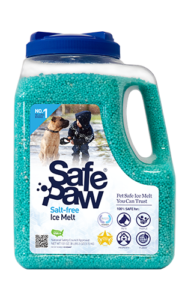
Pet Safe Ice Melt – Safe Paw
The Original and the #1 Pet and Child Safe Ice Melt for over 20 years. Guaranteed environmentally safe – will not harm waterways and sensitive wetlands.
The Dry-Paw Strategy: 3 Steps to Success
Keeping the home clean and the dog safe doesn’t require a miracle; it requires a routine.
1. The Right Gear is Non-Negotiable
Forget the cute dog raincoat and focus on function. For maximum safety and comfort, investment should be made in gear that addresses the threats:
- Waterproof Raincoat: Ensure it covers the dog’s back from neck to tail and fits snugly enough to prevent water from wicking underneath.
- Dog Booties: These are the gold standard for paw protection. They provide a vital barrier against toxic road chemicals and prevent paws from becoming waterlogged.
- Gait Visibility: Choose raincoats or leashes with reflective strips. A recent study noted that reflective vests can increase visibility distance by over 200 feet in low-light conditions.
2. The Critical Post-Walk Ritual
This is where many owners encounter difficulty, leading to that notorious “wet dog smell” and paw issues. It’s not enough to simply wipe.
- Rinse Paws and Belly: Even for a quick potty break, use a Paw Cleaner or a container of warm water to rinse off all residual chemicals and salt.
- Towel Dry Thoroughly: Use two towels. One for the initial soak-up and one to rub vigorously between the toes, paw pads, and armpits, where moisture loves to hide and start bacterial growth.
- Use a Barrier Balm: If the dog doesn’t wear booties, applying a paw wax or protective balm before the walk creates a hydrophobic layer.
3. Indoor Fun for Mental Health
Rain often means less exercise, which leads to boredom and destructive behavior—the ultimate frustration point for owners. The dog’s daily mental quota must be filled!
Keep the dog stimulated with indoor games:
- Scent Work: Hide treats around the house and use a command like “Find it!” This burns more energy than a short walk.
- Puzzle Feeders: Serving meals in a puzzle toy forces the dog to use their brains, tiring them out mentally.
- Training Blitz: Dedicate 15 minutes to rapid-fire tricks like “shake,” “roll over,” or “stay.”
Conclusion
We’ve all been there: debating if that quick potty break is worth the inevitable mess. But the biggest takeaway isn’t about avoiding the rain—it’s about proactive protection. A dog relies on the owner to guard them against the hazards they can’t see, whether it’s the invisible threat of antifreeze on the curb or the drying effects of wind and dampness.
Making a paw care product part of the post-walk kit is a simple, effective way to lock in moisture and lock out irritants. Choosing a non-toxic paw protectant like Safe Paw gives peace of mind, knowing that every lick is safe, and every step is comfortable. Embrace the wet weather with confidence, knowing a dog is armed with the ultimate layer of defense.
FAQs
Other Ice Melt Products
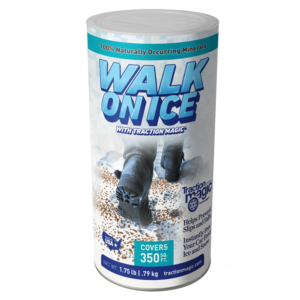
Walk On Ice
Prevent slips at home, work or on the go, The handy disposable canister can be taken everywhere, with the same 100% naturally occurring minerals that provide instant traction on ice or snow.
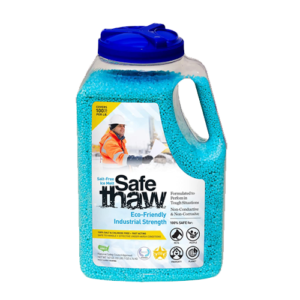
Safe Thaw
Imagine an ice melt you can put down and never worry about. It won’t harm pets, kids and your property. That’s Safe Thaw. Unlike anything else on the market, Safe Thaw can change how winter affects our planet.