


5 Methods And Tips For Disposing Of Rock Salt.

How To Dispose of Rock Salt
Unused rock salt can usually be stored for future winter use, reused according to application guidelines, donated where accepted, or disposed of according to local waste management recommendations. Avoid washing large amounts of rock salt into drains, soil, or waterways because chloride runoff can affect the environment.
Key Takeaways
- Rock salt does not usually expire, so storage and reuse are often practical options.
- Keep unused rock salt dry and protected from moisture.
- Avoid dumping large amounts of rock salt onto soil, plants, storm drains, or waterways.
- Local waste facilities may have specific recommendations for disposal.
- Small leftover amounts may be easier to reuse than discard.
- Consider alternative ice-control products if chloride concerns are a factor.
Method 1: Store Rock Salt for Future Use
Unused rock salt can often be stored instead of discarded.
Storage Tips:
Label the container for future winter use.
Keep it in a sealed, moisture-resistant container.
Store it in a dry location.
Keep it protected from rain and humidity.
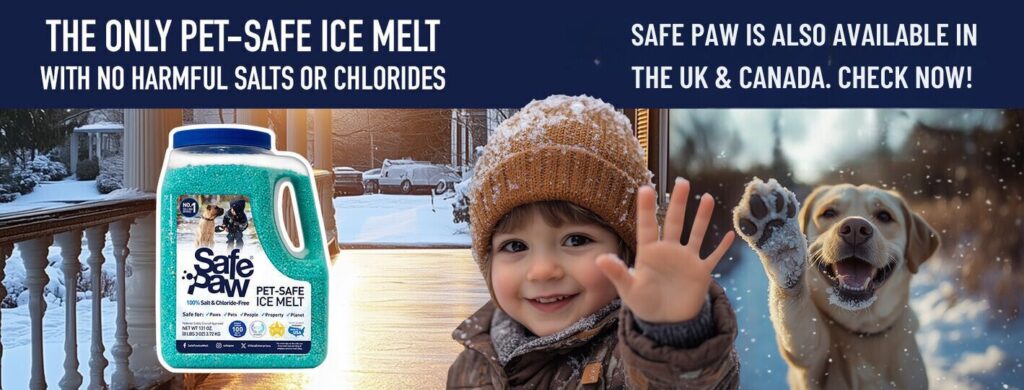
Pet Safe Ice Melt
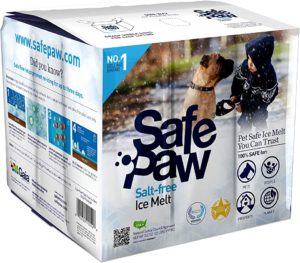
Pet Friendly Ice Melt – Safe Paw!
The Original and the #1 Child and Pet Safe Ice Melt for over 20 years. Guaranteed environmentally safe – will not harm waterways and sensitive wetlands.
Method 2: Reuse Remaining Rock Salt
If the product is still suitable, reuse it during future winter conditions.
Possible uses:
- driveways;
- sidewalks;
- outdoor steps;
- parking areas.
Apply only according to product instructions and local recommendations.
Method 3: Donate Excess Rock Salt
If you have more rock salt than you need:
Possible donation locations:
- community centers;
- local winter maintenance programs;
- neighborhood groups;
- organizations that assist with snow removal.
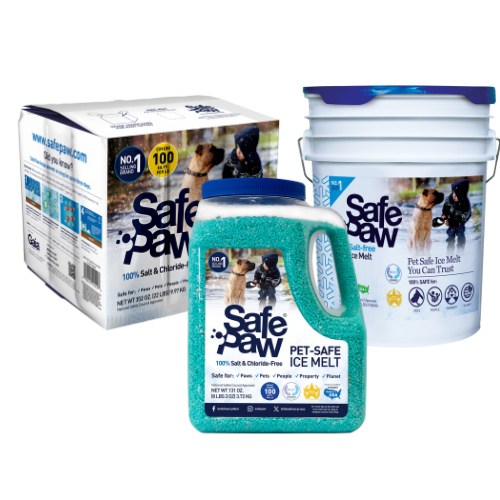
Pet Safe Ice Melt – Safe Paw
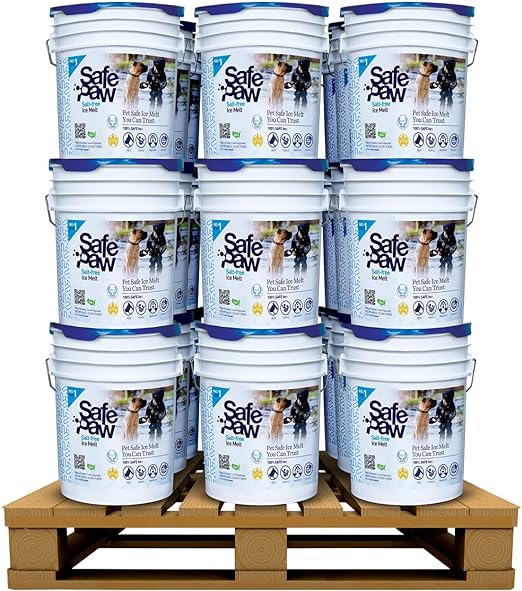
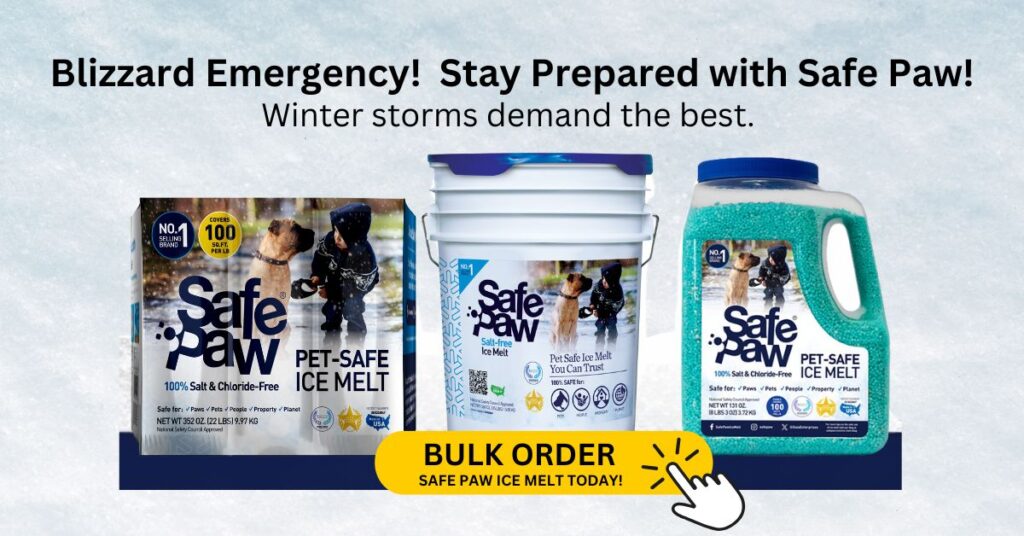
Safe Paw, Child Plant Dog Paw & Pet Safe Ice Melt -35lb, 36 Pails
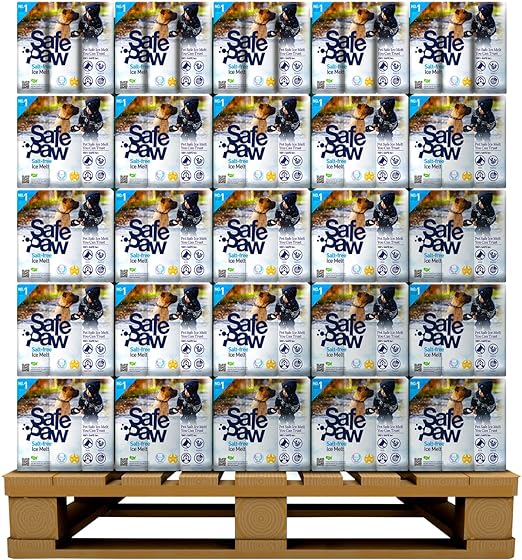
Safe Paw, Child Plant Dog Paw & Pet Safe Ice Melt -22lb, 100Bboxes
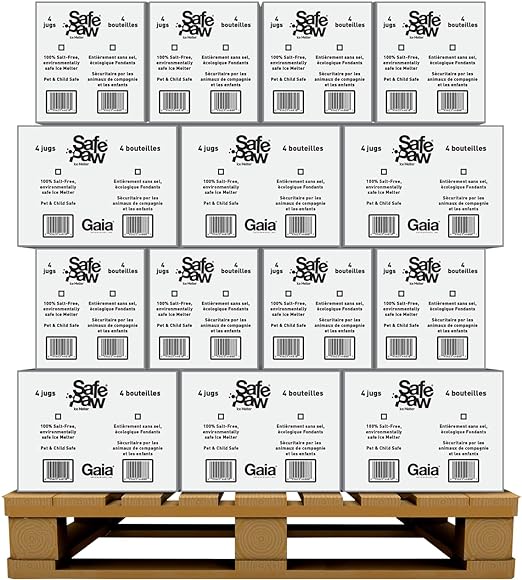
Safe Paw, Child Plant Dog Paw Pet Safe Ice Melt, 160 Jugs

Pet Products Powered By EzPz.pet

Method 4: Contact Local Waste Management
Disposal requirements vary by location.
Check:
- municipal waste guidance;
- household hazardous waste programs;
- local environmental services.
Avoid assuming all disposal systems accept large amounts of salt.
Method 5: Transition to Another Ice-Control Method
If you no longer want to use traditional rock salt, consider other winter ice-control approaches based on:
- surface type;
- temperature conditions;
- environmental concerns;
- household needs.
Gaia Enterprises Inc. delivers 100% pet-safe and environmentally friendly winter products. Safe Paw, our flagship product, is the #1 selling pet-safe ice melt that does not harm pets, safe if ingested, and safe on all types of concrete.
Salt Woes: What’s the Big Deal?
If you’ve ever wondered why there’s a fuss about rock salt:
- Salty Streams: Too much salt can turn our local water bodies salty, which is a no-go for many aquatic creatures.
- Yard Blues: I learned the hard way that too much salt means my plants take a hit. Who knew?
- Metal and Concrete: Ever noticed rust on your car or pits in the pathway? Yep, salt’s sneaky like that.
- Our Furry Friends: Those salted pathways? Not the best for doggo’s evening walk.
Freezing Point Depression
The primary mechanism through which sodium chloride ice melt works is freezing point depression. When salt is applied to ice, it lowers the freezing point of water, allowing ice to melt at temperatures below the normal freezing point of 0°C (32°F). This process is not only crucial for melting ice but also for preventing the formation of ice when temperatures drop.
Impact on Soil and Vegetation
While effective, the widespread use of salt for melting ice has significant drawbacks, particularly concerning soil and vegetation. Sodium chloride can seep into the soil, altering its chemical composition and potentially harming plant life. The high salinity can lead to osmotic stress in plants, causing dehydration and impaired nutrient absorption, posing long-term threats to plant health and soil fertility.
Corrosion of Infrastructure
Another significant concern with using sodium chloride and other chlorides for de-icing is their corrosive nature. These materials can cause substantial damage to various types of infrastructure, including roads, bridges, and vehicles. The corrosion can lead to increased maintenance costs and reduce the lifespan of these structures.
Environmental Impact
The environmental impact of de-icing salts is profound. Runoff containing sodium chloride can lead to increased salinity levels in nearby water bodies, which can be detrimental to aquatic ecosystems. The elevated chloride levels can harm aquatic flora and fauna, disrupting local ecosystems and leading to long-term ecological damage.
Alternatives to Salt for Ice Melt
Given these issues, exploring alternatives to salt for ice melt is crucial. Products like Safe Paw offer a more environment-friendly option. Unlike traditional salts, Safe Paw does not contain corrosive chemicals, making it safer for pets, plants, and metal structures. It works by creating an endothermic reaction that effectively melts ice without the adverse effects associated with sodium chloride.
Understanding these dynamics is essential for anyone looking to choose an effective yet environmentally responsible ice melt solution. Opting for products that minimize harm while providing effective de-icing can significantly impact personal safety and environmental health during the winter months.
Wrapping It Up: Salty Stories and New Beginnings
Navigating the post-winter salt saga (how to dispose of rock salt) might seem trivial, but it’s these little things that add up. The swap to Safe Paw for me has been a revelation, but no matter what route you take, remember: it’s all about enjoying the beauty of winter while still caring for our lovely planet. Cheers to making informed choices, one winter at a time!
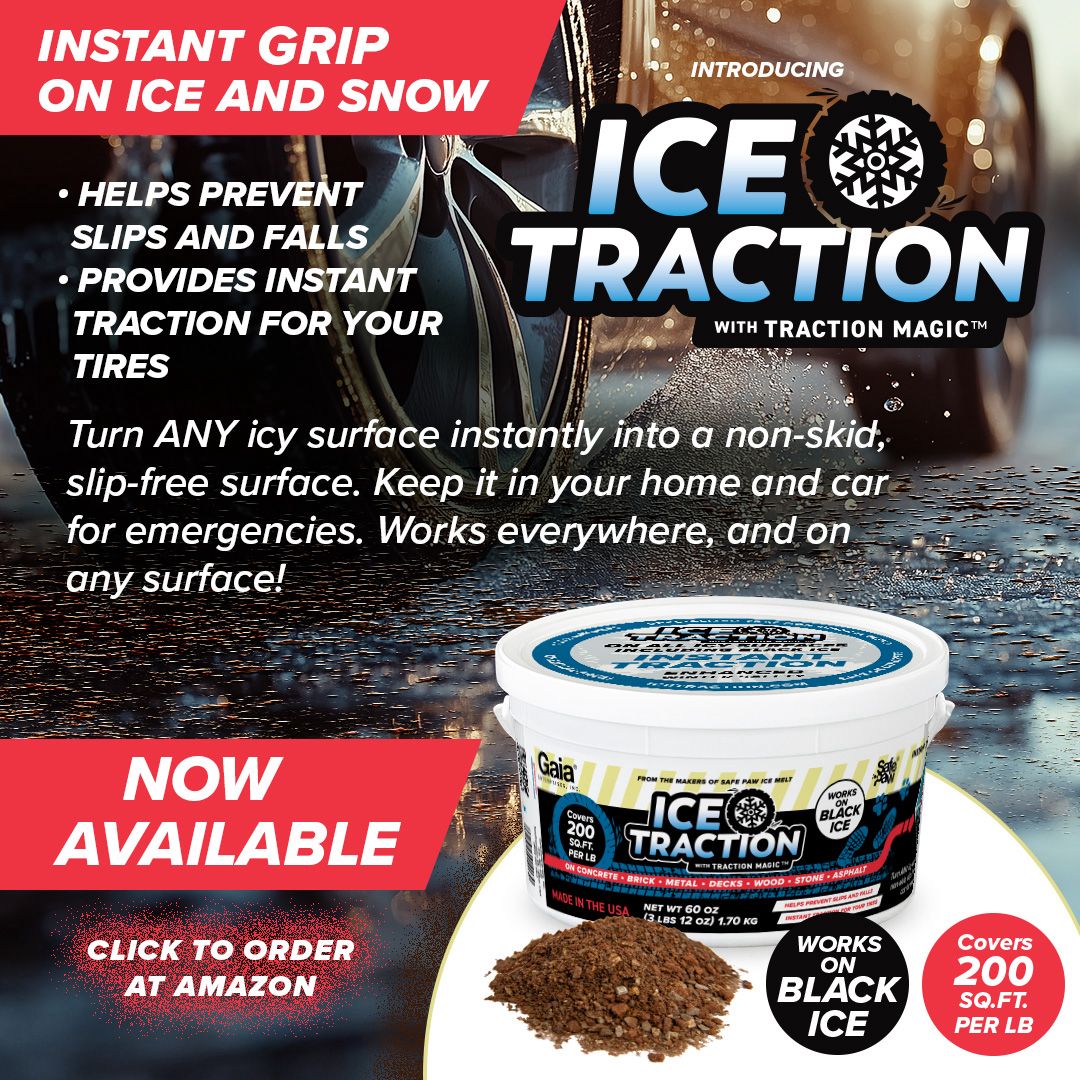
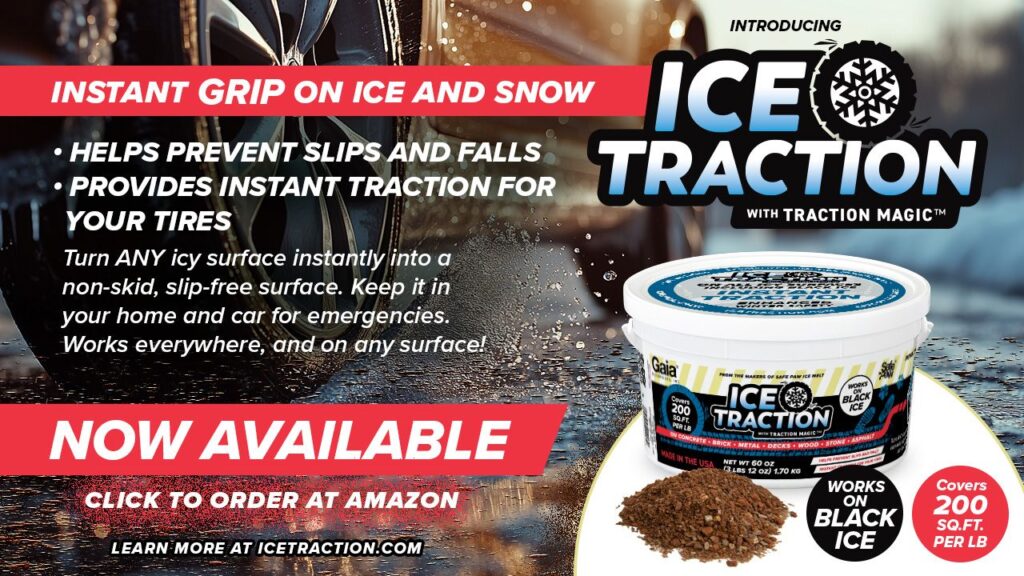
New Product Launch – Ice Traction (with Traction Magic™)
Ice Traction is your go-to winter solution for driveways, walkways, parking lots — and even black ice on the road. Unlike salt or ice melts, it delivers instant grip on snow and slippery surfaces with no wait time. Just spread and go.
Other Ice Melt Products
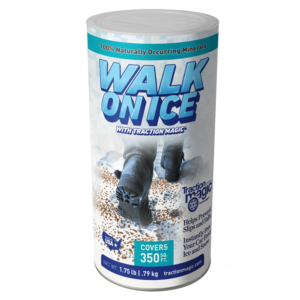
Walk On Ice
Prevent slips at home, work or on the go, The handy disposable canister can be taken everywhere, with the same 100% naturally occurring minerals that provide instant traction on ice or snow.
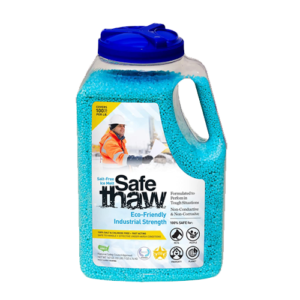
Safe Thaw
Imagine an ice melt you can put down and never worry about. It won’t harm pets, kids and your property. That’s Safe Thaw. Unlike anything else on the market, Safe Thaw can change how winter affects our planet.