



Tips to Protect Your Car When Parking Outside in Cold Winter
Sourced By Freepik.com
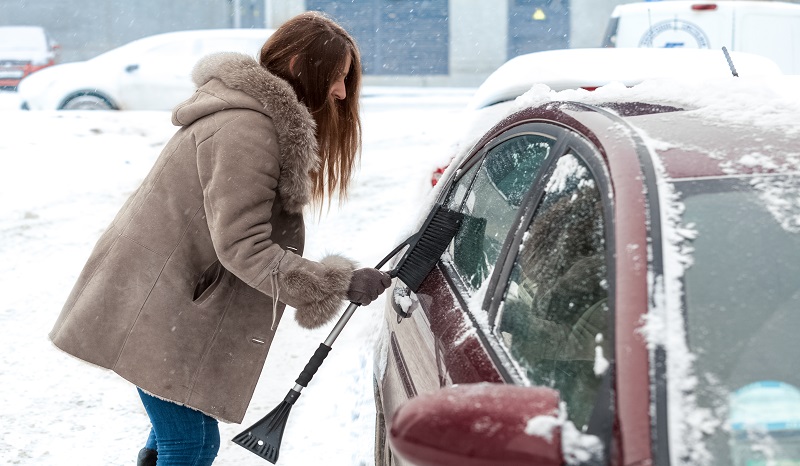
To protect a car parked outside in winter, keep the battery, tires, fluids, wipers, defrosters, and washer system in cold-weather condition; use a fitted windshield cover where appropriate; park away from falling branches, roof runoff, standing water, and snowplow discharge; and remove accumulated snow before driving. Maintain the tire pressure specified on the driver-door label, use vehicle-approved winter fluids, and keep the exterior clean to reduce prolonged exposure to road residue. Treat ice on the surrounding driveway or walkway separately from the vehicle, and never assume an outdoor ice-melting material is suitable for automotive glass, paint, seals, or metal.
Snow and ice put a lot of strain on cars that are left outside in the winter. It includes the trouble of having to de-ice and start a car. You can protect your vehicle against snow and ice through basic tactics such as a windscreen, car cover, or safe paw ice melter.
Key Takeaways
- Test the 12-volt battery and charging system before prolonged cold weather.
- Check tire pressure when the tires are cold and use the vehicle-specified pressure.
- Use engine coolant, oil, and windshield-washer fluid appropriate for expected temperatures and approved for the vehicle.
- Park under cover where available, or choose a location away from trees, roof runoff, standing water, and plowed snow.
- Use a properly fitted windshield cover to reduce frost accumulation where the vehicle instructions permit it.
- Keep dashboard defrost vents, exterior cameras, sensors, lights, mirrors, and exhaust outlets clear.
- Remove snow from the roof, hood, windows, lights, mirrors, cameras, and around the tires before driving.
- Do not pour hot water on frozen glass or activate wipers while they are frozen in place.
- Remove accumulated road residue from the vehicle rather than allowing it to remain on paint and underbody surfaces.
- Treat slippery parking surfaces separately; do not apply driveway materials directly to the vehicle.
Choose the Parking Location Carefully
Where possible, use a garage, carport, or other covered space. When outdoor parking is unavoidable, avoid low areas where water can collect and freeze. Also consider roof runoff, overhanging branches, icicles, drifting snow, and locations where a snowplow may push or spray snow around the vehicle.
How to Protect a Car Parked Outside in Winter
Check the forecast. Note expected snow, freezing rain, wind, and temperature.
- Choose the safest available location. Avoid branches, roof runoff, standing water, snowplow discharge, and drifting snow.
- Test the battery. Check the 12-volt battery if it is aging or starting performance has weakened.
- Check tire condition and pressure. Use the pressure on the driver-door label, not the maximum molded onto the tire.
- Confirm winter fluid suitability. Check coolant, engine oil, and washer-fluid specifications.
- Fill the winter washer-fluid reservoir.
- Test the wipers, lights, defrosters, and heated mirrors.
- Clean and dry the vehicle before fitting a full car cover.
- Use a fitted windshield cover if appropriate for the vehicle.
- Keep door seals and drainage channels clean.
- Store a snow brush, scraper, gloves, and other winter supplies inside the vehicle or another accessible location.
- Clear the surrounding parking surface. Remove snow mechanically before treating remaining ice.
- Remove accumulated snow before driving. Clear the roof, hood, glass, mirrors, lights, cameras, sensors, and around the tires.
- Confirm the exhaust outlet is clear before running an internal-combustion engine.
- Inspect for frozen components. Do not force doors, locks, wipers, charging doors, or connectors.
Short-Term vs Long-Term Outdoor Winter Car Parking
| Task | Overnight or short-term parking | Extended outdoor storage |
| Battery | Confirm reliable starting performance | Follow manufacturer storage or maintainer guidance |
| Tire pressure | Check during major temperature changes | Check pressure and condition periodically |
| Fuel or charge | Maintain sufficient fuel or battery charge | Follow model-specific storage level guidance |
| Windshield | Use fitted cover where appropriate | Inspect periodically for trapped moisture and debris |
| Full car cover | Optional based on forecast | Use only an appropriate, fitted, maintained cover |
| Snow removal | Clear before driving | Remove excessive buildup periodically |
| Fluids | Confirm winter suitability | Check levels and storage recommendations |
| Parking location | Avoid immediate hazards | Consider drainage, falling debris, security, and access |
| EV preconditioning | Use before departure where supported | Follow charging and battery-storage guidance |
Prepare the Battery for Cold Weather
Cold temperatures can reduce available battery performance while increasing the power required to start an internal-combustion engine. Have the 12-volt battery and charging system checked if the battery is aging, starting is slow, or the vehicle will remain unused for an extended period. Do not routinely remove the battery unless the vehicle manual provides a specific storage procedure.
Use the Correct Cold-Weather Fluids
Follow the vehicle manual for engine oil, coolant, and windshield-washer fluid specifications. Use washer fluid rated for the expected temperature. Do not top up systems with a fluid merely because it is described as suitable for winter; it must also meet the vehicle’s requirements.
Protect the Windshield and Wipers
A fitted windshield cover can reduce overnight frost and snow accumulation. Remove it carefully so trapped ice does not scratch the glass. Do not force frozen wiper blades or run the wipers over bonded ice. Whether the wipers should be lifted away from the glass depends on vehicle design and weather conditions, so follow the owner’s manual.
EV and Hybrid Winter Parking
Cold weather can reduce available electric range and affect charging performance. Covered parking, maintaining an appropriate charge, and using scheduled preconditioning while connected can help where the vehicle supports these features. Follow the specific charging and storage guidance for the model.
The U.S. Department of Energy recommends covered parking where possible, maintaining an adequate EV charge, protecting outdoor charging connections from snow and ice, and preconditioning while plugged in where supported. Department of Energy: Winterizing an Electric Vehicle
Winter Car Covers and Windshield Covers: Benefits and Limitations
| Protection method | Potential benefit | Limitation |
| Garage or carport | Reduces direct exposure to snow, ice, and falling debris | May not be available |
| Full fitted car cover | Can reduce direct snow and frost contact | A loose, dirty, or wet cover may rub against paint or trap moisture |
| Windshield cover | Reduces overnight frost on the windshield | Does not protect the roof, mirrors, lights, or other windows |
| Morning-sun parking | May help warm exposed surfaces after sunrise | Shade and weather patterns can limit the benefit |
| Covered EV parking | Can support battery and charging performance | Charging access and ventilation still require attention |
| Regular snow removal | Prevents excessive accumulation and restores visibility | Incorrect tools can scratch paint or glass |
| Exterior cleaning | Removes accumulated winter residue | Must be performed in conditions that do not create additional freezing hazards |
| Mechanical driveway clearing | Removes bulk snow without adding material | May leave bonded ice requiring additional treatment |
Winter Parking Warnings and Limitations
- Do not pour hot water on a frozen windshield or window.
- Do not use sharp metal objects on automotive glass or paint.
- Do not run wipers while they are frozen to the windshield.
- Do not force a frozen door, charging-port cover, fuel door, or lock.
- Do not install a full cover over a dirty vehicle without considering the possibility of abrasion.
- Do not use a loose cover that can move repeatedly in strong wind.
- Do not block the exhaust outlet with snow before running an internal-combustion engine.
- Do not assume the tire sidewall’s maximum pressure is the vehicle’s recommended inflation pressure.
- Do not routinely remove the vehicle battery as a general winter-parking practice.
- Do not use unapproved fluids or mix incompatible coolant or washer-fluid types.
- Do not apply driveway ice-melting materials directly to windshields, defroster grids, wipers, paint, cameras, sensors, charging connectors, or vehicle metal.
- Do not leave heavy snow covering lights, mirrors, cameras, sensors, or the roof before driving.
- Do not assume a windshield cover protects the entire vehicle.
- Do not assume all parking brakes, wipers, mirrors, charging systems, or preconditioning systems require the same winter procedure; consult the specific manual.
- If the vehicle will remain unused for an extended period, follow the manufacturer’s storage procedure rather than applying general short-term parking advice.
Vehicle Protection vs Parking-Surface Treatment
| Task | Vehicle method | Parking-surface method |
| Windshield frost | Windshield cover, defroster, scraper | Not applicable |
| Snow on roof or hood | Snow brush suitable for the vehicle | Not applicable |
| Slippery path beside vehicle | Keep vehicle components clear | Shovel and use suitable surface treatment |
| Ice near tires | Carefully remove surrounding snow and ice | Mechanical removal or suitable surface product |
| Paint and underbody residue | Wash or clean appropriately | Reduce excess tracking and remove remaining granules |
| Immediate pedestrian grip | Not applied to vehicle | Ice Traction or Walk On Ice may be relevant where their instructions and surface suitability permit |
| Melting bonded driveway ice | Not applied to vehicle | A chloride-free ice melt may be considered where suitable for the surface |
Best Winter Protection Method by Parking Situation
| Situation | Best starting approach | Limitation |
| Overnight frost forecast | Fitted windshield cover | All other windows still require inspection |
| Heavy snow forecast | Covered parking where available | Vehicle still needs pre-departure inspection |
| Parking under trees | Select another location if possible | Branch and debris risk varies by weather |
| Low or poorly drained driveway | Move to higher, better-drained parking | Do not park in standing water expected to freeze |
| Aging 12-volt battery | Test before severe cold | Replacement and charging procedures vary |
| EV parked outdoors | Maintain charge and precondition while connected where supported | Follow model-specific temperature limits |
| Slippery route beside vehicle | Shovel first, then add suitable traction if needed | Treat the surface, not the vehicle |
| Bonded ice on a suitable driveway | Mechanical clearing followed by suitable treatment | Check surface condition and usage instructions |
| Long-term outdoor storage | Follow manufacturer storage procedure | General overnight-parking advice is insufficient |
Common Cold Winter Car Complications: Battery, Fluids, and Corrosion Risks
- Dead Battery : When you park your car outdoors and try to start it again, you may discover that the battery is dead. The extreme cold draws electricity from the battery making it harder for your car to start.
- Fluids That Thicken: Low-temperature fluids, such as power steering, brake fluid, and gasoline, can thicken. It makes it difficult for your vehicle to function.
- Reduced Tire Pressure: Every drop in temperature also causes a decrease in your car’s pressure. As a result, the tire performs below expectations.
- Damage Caused By Snow And Hail: It’s not amusing to have to scrape snow off your car windows and windshield in the wee hours of the morning. If melted ice water penetrates your car, it can damage the paint and even the interior. Worse, hail can cause dents in your vehicle.
- Corrosive Ice Melts: The salt-based ice melts used on roads, parking areas and driveways are highly corrosive for your vehicle. Hence, it is best to use a salt-free and non-corrosive ice melt. Safe Paw ice melt is free from harmful toxins. It does not damage the metal or paint of your car.
Tips On Parking Cars in the Driveway: Preventing Ice Buildup Around Your Tires
Parking your car in the driveway during winter requires some strategic planning to protect it from snow and cold. Here are some tips:
- Shovel and De-Ice: Before parking, clear the driveway of snow and ice. Use a snow shovel to remove accumulated snow and apply Safe Paw to melt any remaining ice.
- Create a Path: Ensure there’s a clear path from your car to the house or street to prevent slipping accidents.
- Cover Windshield: Consider using a snow cover for the car windshield to protect it from ice and snow buildup. This will save you time on frosty mornings.
- Elevate Car: If your driveway has a slight incline, consider parking your car with the front facing uphill. This can prevent the buildup of snow and ice around the tires.
- Use Parking Mats: Specialized parking mats can create a barrier between your tires and the cold ground, preventing your tires from freezing to the pavement.
Why You Need a Non-Corrosive Ice Melt for Winter Car Safety
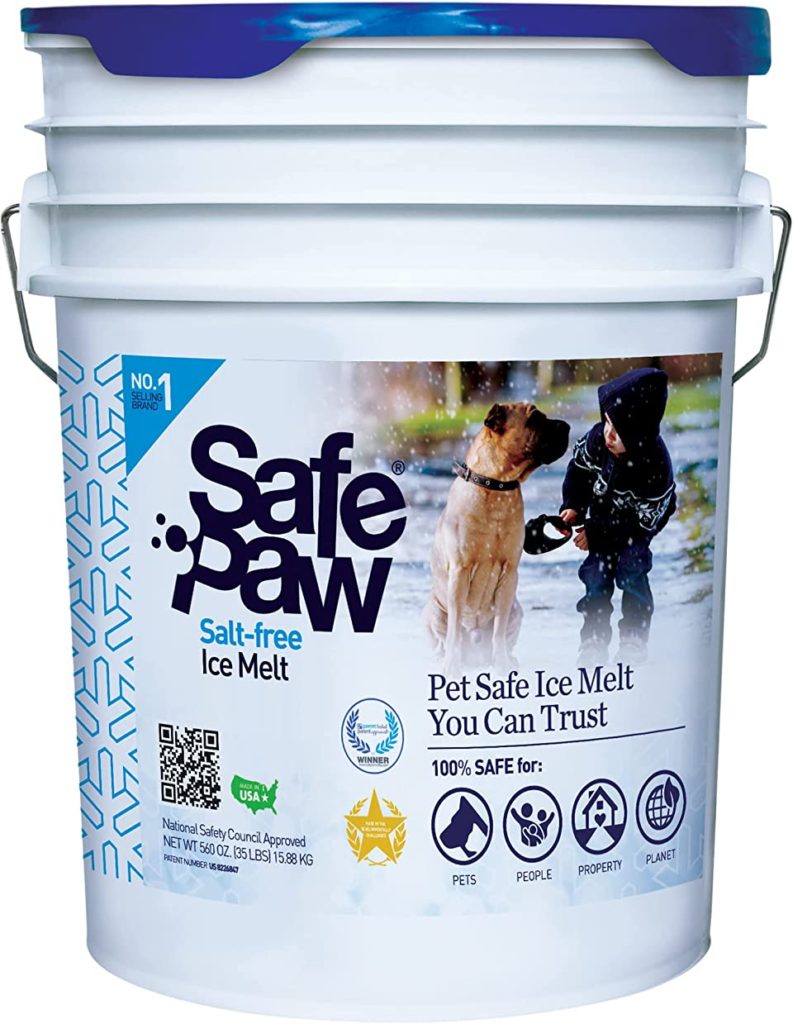
Safe Paw
The Original and the #1 Child and Pet Safe Ice Melt for over 20 years. Guaranteed environmentally safe – will not harm waterways and sensitive wetlands.
How to Protect Your Car from Snow and Ice: Proactive Parking Solutions
- Inflate Tires: To avoid flat spots, you must pump your tires to adequate pressure. When parking a car on an ice and smooth road, make sure to put some blocks under the tires to keep it from moving.
- Keep Your Car Away From Flooded Areas: Between the automobile and the floor, there should be a moisture barrier. If you park your car on damp terrain, the water may freeze into ice, resulting in frozen tires after a long period of exposure to cold and moisture. Use a chloride free and safe ice melt.
- Make Use Of A Parking Tent: A heated cover for your automobile is essential; it can completely cover the main body of your vehicle. It has a foldable structure and is portable, allowing it to be used anywhere.
- Take Out The Battery: You can remove your car battery to keep it from losing charge. It will make it easier for your automobile to start the next time you replace the battery.
- Check Your Car’s Fluids: Fill up all of your car’s fluids. It will prevent impurities from entering your car’s internal system and reducing corrosion.
- Wax Your Vehicle: When precipitation mixes with acid dirt and other minerals on the car’s surface, it can produce rust. That is why waxing is essential. Wax adds a layer of protection to your car’s paint by acting as a barrier between it and moisture.
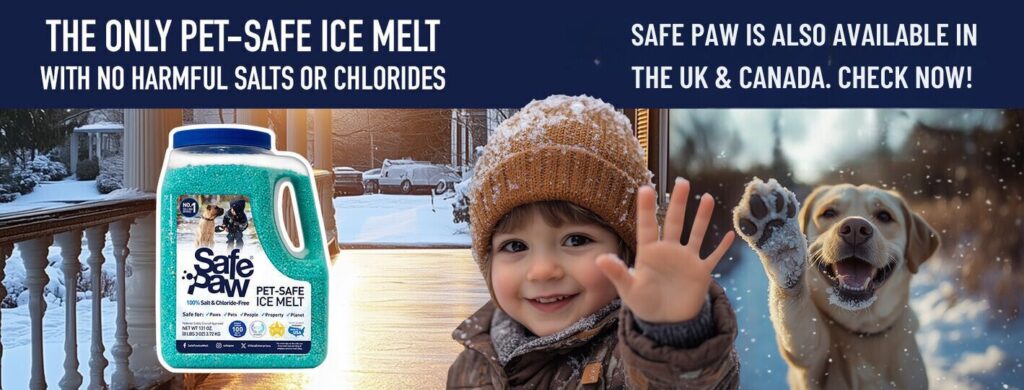
Why Safe Paw is the Best Pet-Safe Ice Melt for Car Driveways and Parking Areas
Safe Paw is an ideal solution for car protection in snowy conditions. Here’s why:
- Non-Toxic: Unlike traditional salt-based ice melts, Safe Paw is non-toxic and won’t harm your car’s paint, undercarriage, or metal components.
- Pet-Friendly: If you have pets, you can rest easy knowing that Safe Paw won’t harm them when they walk near your car.
- Effective: Safe Paw effectively melts ice and snow, making it easier to navigate around your vehicle.
- Environmentally Friendly: It’s gentle on the environment, so you can use it without worrying about the ecological impact.
- Concrete Safe: Safe Paw won’t damage your driveway or the concrete around your car.
Rear Window Safety: Why Defroster Maintenance and Safe Ice Melt Matter
Ever tried reversing on a winter morning when your rear window is covered in ice? It’s not just frustrating—it’s dangerous. A working defroster in car is essential for visibility, especially for the rear window. Most cars come equipped with rear window defrosters, which use embedded heating wires to clear away fog and melt ice. But what happens when your car defroster is not working? You’re left with an unsafe vehicle, struggling to see what’s behind you.
If you notice that patches of ice aren’t melting uniformly or that the defroster simply won’t heat up, it’s time for some defroster troubleshooting. This can involve checking the fuses or even inspecting for broken defroster lines. But while defrosters play a role in visibility, don’t forget that prevention is better than fixing the problem when it arises. This is where using the right deicer comes in, like Safe Paw—an eco-friendly deicer that prevents ice buildup without harming your vehicle’s finish or environment.
Windshield Defrosting Tips: Using Safe Ice Melt Strategies for Quick Visibility
Now, let’s talk about the windshield defroster. If you’ve ever relied on your heater to clear the windshield, you know it can take ages, especially if you’re running late. The defroster in car works by channeling warm air to the front glass, but on those really cold mornings, it sometimes needs a helping hand. Heated windshields, which have tiny wires embedded in the glass similar to rear window defrosters, can speed up the process significantly. But there’s a catch: they are often an expensive upgrade and still require regular maintenance.
Defroster Troubleshooting: How to Protect Car Components from Salt Corrosion
If your car defroster is not working, there are a few key defroster troubleshooting steps to keep in mind:
- Inspect Fuses and Wiring: A blown fuse is a common cause of a non-working defroster.
- Check Defroster Lines: The rear defroster lines can sometimes be scratched or broken, resulting in poor performance.
- Avoid Salt-Based Products: Rock salt or other harsh chemicals can corrode your defroster elements over time. This is why it’s so important to use a safer alternative, like Safe Paw.
Choosing the right products can also make all the difference in keeping your windows clear and your driving safe. Traditional salt-based deicers might seem convenient, but they are corrosive, damaging both your defrosters and your vehicle in general. They might make short-term ice removal easy, but long-term damage is an expensive problem.
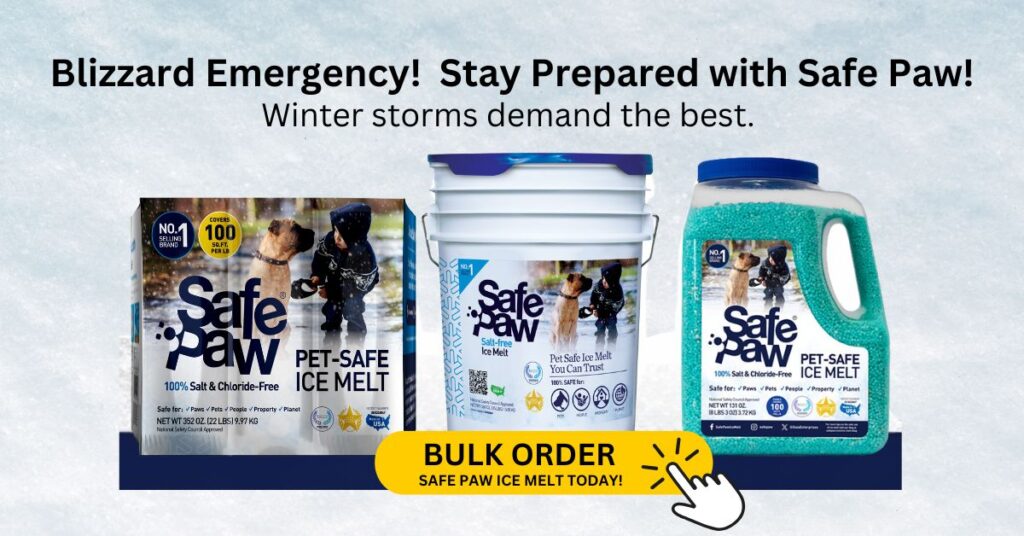
Pet Safe Ice Melt – Safe Paw

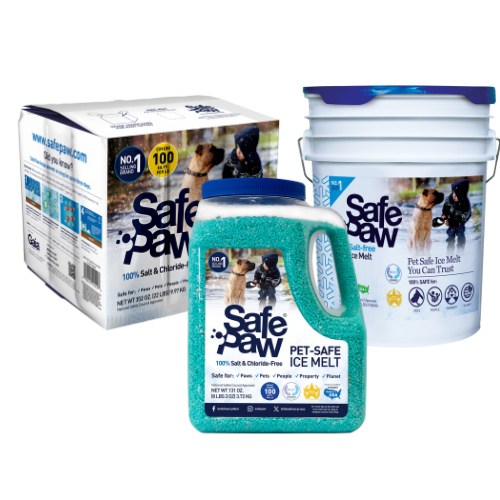
Safe Paw, Child Plant Dog Paw & Pet Safe Ice Melt -35lb, 36 Pails

Safe Paw, Child Plant Dog Paw & Pet Safe Ice Melt -22lb, 100Bboxes
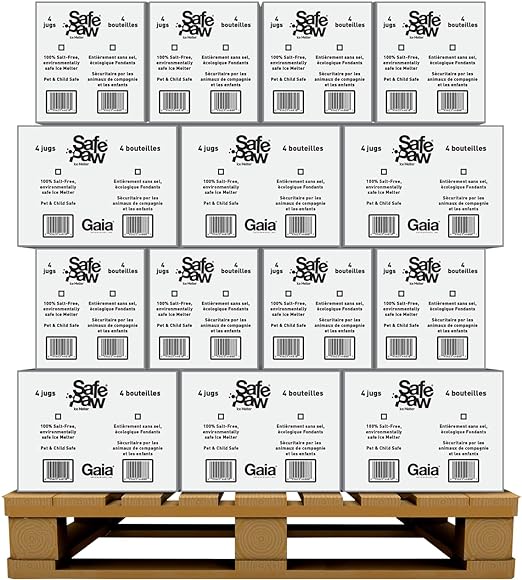
Safe Paw, Child Plant Dog Paw Pet Safe Ice Melt, 160 Jugs

Pet Products Powered By EzPz.pet


Conclusion: Mastering Winter Car Protection with Pet-Safe Ice Melt
Protecting a car parked outside in winter requires preparation of both the vehicle and its surroundings. Check the battery, tires, fluids, wipers, washer system, lights, and defrosters before severe cold arrives. Select a parking location away from falling debris, roof runoff, standing water, and snowplow discharge. Use a fitted cover where appropriate, remove accumulated snow before driving, and follow the owner’s manual for model-specific battery, fluid, parking, and charging procedures. Treat driveway or walkway ice separately, and do not apply outdoor surface materials directly to automotive glass, paint, seals, sensors, or other vehicle components.
Gaia Enterprises Inc. delivers 100% pet-safe and environmentally friendly winter products. Safe Paw, our flagship product, is the #1 selling pet-safe ice melt that does not harm pets, safe if ingested, and safe on all types of concrete.
FAQ: Frequently Asked Questions About Winter Car Care and Ice Melt Safety
Other Ice Melt Products
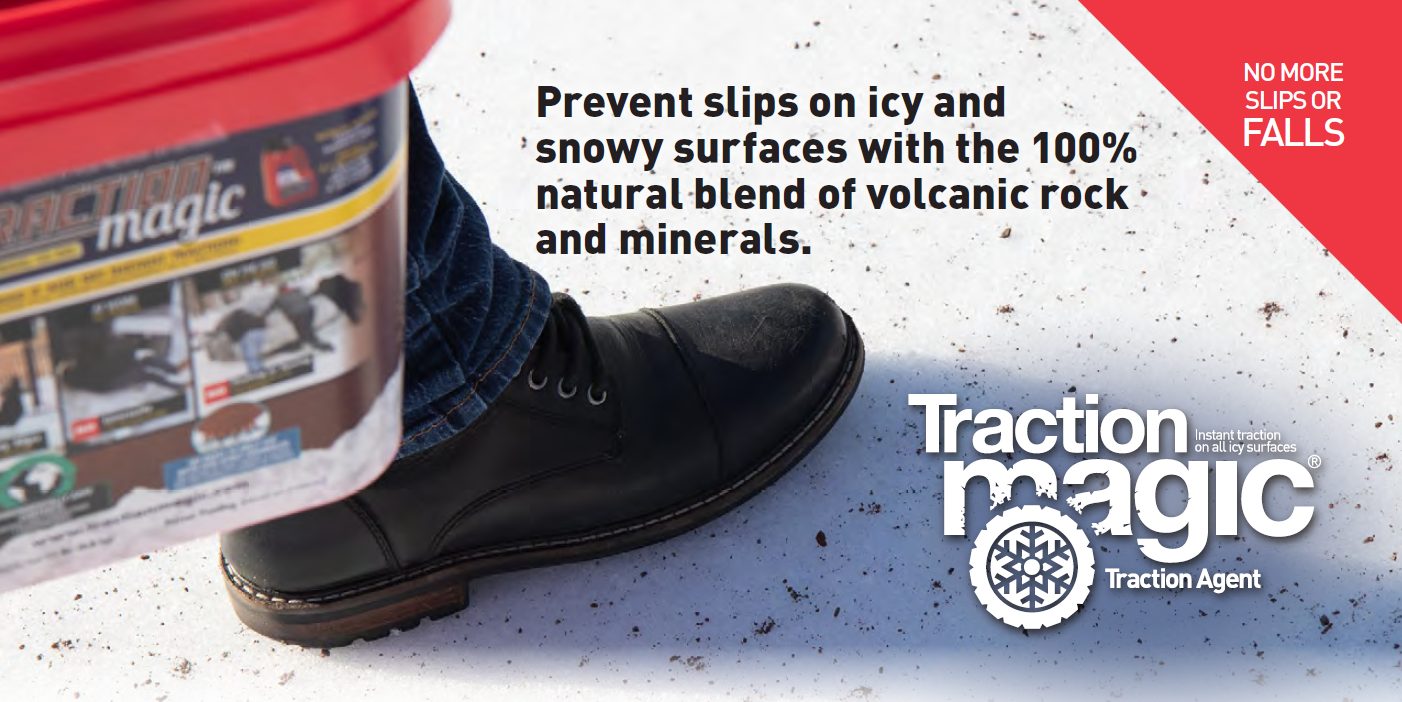
Traction Magic
Stay safe on slippery surfaces with a product that’s 100% natural and safe for pets, people, and your property. Use Traction Magic on sidewalks, steps, or as instant traction for your car.
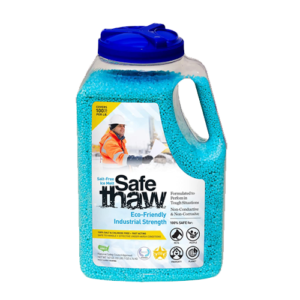
Safe Thaw
Imagine an ice melt you can put down and never worry about. It won’t harm pets, kids and your property. That’s Safe Thaw. Unlike anything else on the market, Safe Thaw can change how winter affects our planet.
Ice Traction (with Traction Magic™)
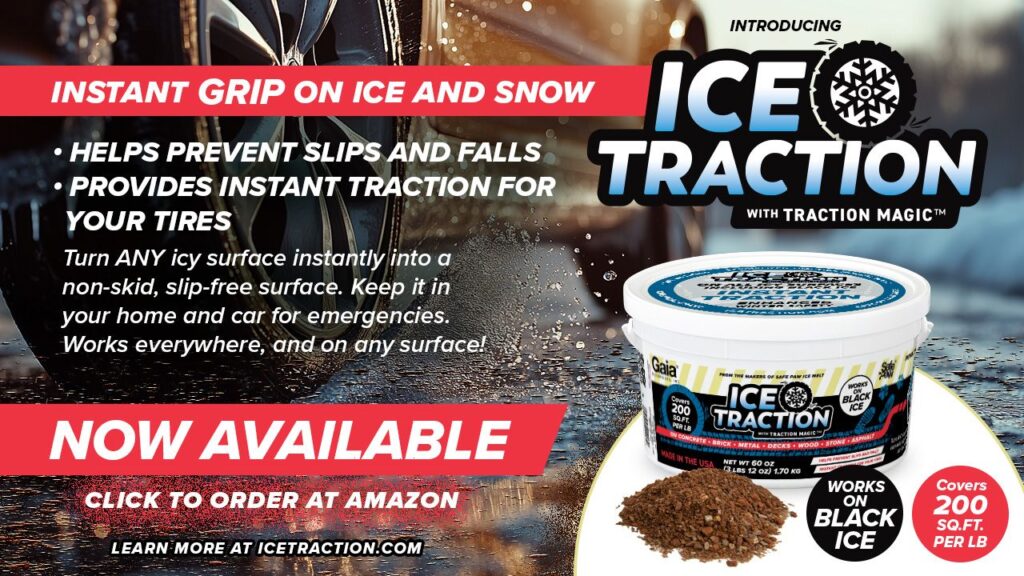
Ice Traction (with Traction Magic™) is your go-to winter solution for driveways, walkways, parking lots — and even black ice on the road. Unlike salt or ice melts, it delivers instant grip on snow and slippery surfaces with no wait time. Just spread and go.

Safe Thaw
Imagine an ice melt you can put down and never worry about. It won’t harm pets, kids and your property. That’s Safe Thaw. Unlike anything else on the market, Safe Thaw can change how winter affects our planet.
Related Articles
- How to Defrost Your Car: Quick Methods and Winter Parking Tips
- Parking Your Car Outside in Cold Weather: Risks and Precautions
- Leaving a Car Outside in Winter: Risks and Defrosting Tips
- Is Parking Your Car Outside in Winter Harmful? Risks and Prevention Tips
- How Long Does It Take to Defrost Your Car? Efficient Winter Tips