



Ice Melting Products That Cause Less Damage To Your Concrete Surfaces
Concrete-safe ice melt is a relative term, not a guarantee that no damage can occur. Chemical deicers should not be used on concrete that is less than 12 months old unless the installer has approved a specific treatment. For mature concrete, choose a product whose current label permits use on the surface, avoid over-application, remove snow before treatment and clear loosened slush afterward. Products that reduce chloride exposure may lower some corrosion and chemical-distress concerns, while traction-only materials such as coarse sand or mineral grit improve grip without melting ice.
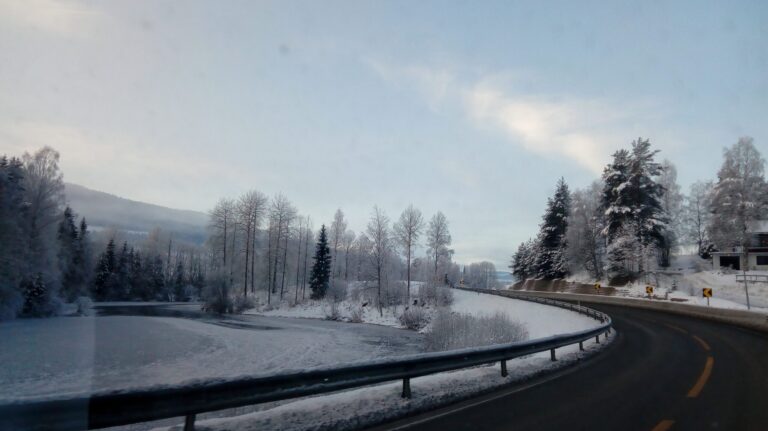
When you live in cold weather most of the year or at least a few months a year, purchasing a concrete safe ice melt is the most sensible thing to do. While it is vital to ensure the different compositions of the deicers, it is also vital to consider the forms they come in.
Key Takeaways
- No ice melt is universally safe for every concrete slab; age, curing, air entrainment, cracks, drainage, sealer and dosage affect risk.
- Avoid chemical deicers on concrete under 12 months unless the installer has approved a specific product and method.
- Liquid deicers are mainly useful for anti-icing before a storm; solid products are easier for spot treatment after snow removal.
- Sodium chloride, calcium chloride and magnesium chloride are chloride salts and should not be described as salt-free or chloride-free.
- Calcium magnesium acetate avoids chloride, but it is not automatically suitable for every surface or every temperature.
- Traction materials improve grip but do not melt ice; use this distinction consistently in headings, tables and CTAs.
- For mature concrete, use the minimum labeled amount and remove loosened ice, slush and excess residue promptly.
- Support pet, environmental, concrete-safety and performance claims with current labels, safety data sheets, certifications or independent test reports.
Using snow and ice melting products to clear the snow off the sidewalk or driveways, and virtually any place is a task by itself. We take you through the different forms of ice melt to help you make an informed decision.
Quick Decision Guide: Choosing the Right Ice & Snow Management Method
| Concrete / situation | Recommended approach | Avoid / verify |
|---|---|---|
| Concrete under 12 months | Prompt snow removal plus coarse sand, mineral grit or an approved heated mat. | Avoid chemical deicers unless the installer explicitly approves one. |
| Mature concrete in good condition | Use a label-approved product sparingly; remove slush and residue. | Verify dosage, temperature range and surface restrictions. |
| Cracked, scaled or spalling concrete | Use traction-only methods and seek repair guidance. | Avoid assuming “concrete-safe” labeling overrides existing damage. |
| Stamped, colored or sealed concrete | Follow the installer and sealer manufacturer first. | Verify compatibility before any deicer application. |
| Before a forecast storm | Consider an approved anti-icing liquid applied at the labeled rate. | Do not apply blindly without forecast, dilution and surface guidance. |
| Thick snow or compacted ice | Remove bulk snow mechanically, then use a suitable treatment for the remaining bond. | Do not expect a thin liquid treatment to remove deep snow. |
Liquid Deicer Or Liquid Ice Melt
Liquid ice melting product is not your regular go-to product to treat icy surfaces or ice-laden sidewalks and driveways. Instead, it has a specific time and way to use, and you have to pay attention to its nuances.
One applies liquid ice melt to surfaces before snowfall or storm. It means you have to be on top of any weather forecast for the next day or the next couple of weeks. You can also apply to surfaces already covered with snow, but the effects will be slightly different from pre-treatment.
Pros
- It works as both a de-icing agent and an anti-icing product.
- It tends to stick to the concrete better than any other form of ice melt. It simply embeds into the icy surface and is effective for more extended periods.
- It takes fewer people to apply the liquid ice melt, saving you labor costs.
- It is applied with precision and hence does not scatter as much and is kinder to the flora.
Cons
- It takes much longer to work as a de-icing agent and it is not helpful on a layer of thick ice or snow.
- It is costly.
- It needs experienced people to apply and misapplied it can definitely damage your vegetation and prove an ineffective ice melt for concrete.
- Prolonged use may damage your brick, asphalt, concrete, etc.
Solid Ice Melt
Solid ice melt products come in granular or pellet form. The most common ice melt product is rock salt or halite. However, there are many other brands and types of solid ice melt available in the market. Homeowners prefer using solid material as it is much easier to use and clean from the sidewalks, driveways, and stairs.
Pros
- They are more cost-effective and fit in almost every household budget.
- They are available in local markets.
- They are easy to store and handle. You can store them in your garage, underneath the sink, in your kitchen cabinet, or closet.
- Some of them are more chemical-based and dilute ice more slowly to enable better retention.
- Almost all solid ice melt products offer almost excellent skid resistance.
Cons
- They require moisture to increase their effectiveness.
- It takes much longer to melt, particularly in colder temperatures, increasing the wait time to step out stress-free.
- They scatter, roll-off, and bounce quickly, making it difficult to use the recommended quantity. You may end up overusing it.
- Solids bind together if exposed to too much moisture, making it challenging to apply them.
Concrete Safe Ice Melt
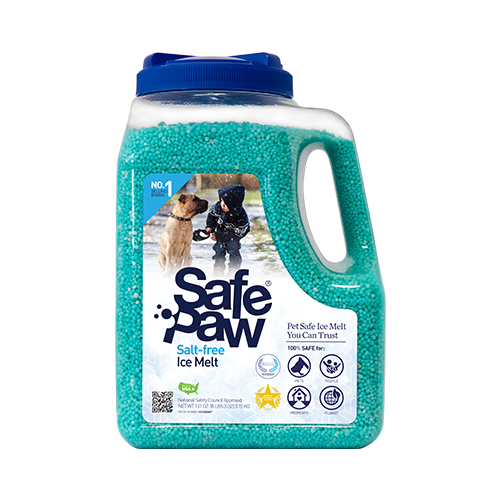
Safe Paw
The Original and the #1 Pet and Child Safe Ice Melt for over 20 years. Guaranteed environmentally safe – will not harm waterways and sensitive wetlands.
One of the best ice melt that won’t damage concrete is easy to apply, and does not roll off is – Safe Paw. It is considered safe for animals and vegetation as well. It means it will not harm your shrubs when you clear your path.
Both solid and liquid ice melt products have their pros and cons while maintaining your sidewalks, driveways, or stairs. Therefore, you need to evaluate the effects before purchase and understand their compounds better.
There are a number of ice melt products that cause less harm to concrete. A larger number of people tend to think that concrete is impervious to almost every substance. The fact of the matter is that concrete acts almost like a blotter and as such, it absorbs some of the chemicals used as deicers.
Pet Safe Ice Melt – Safe Paw
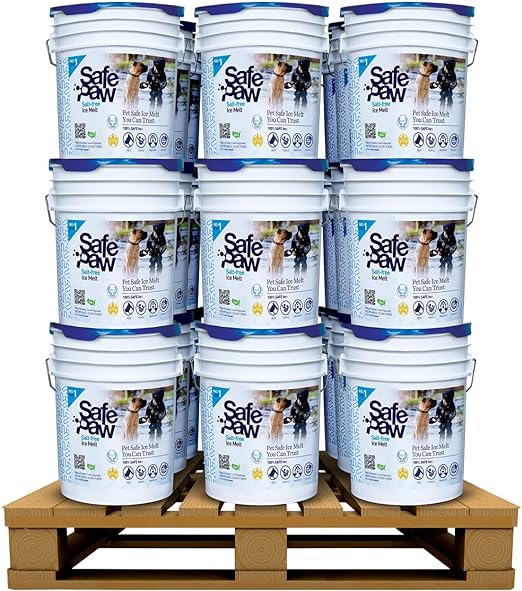
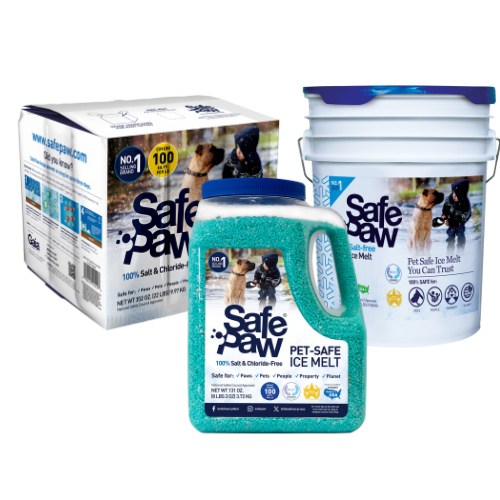
Safe Paw, Child Plant Dog Paw & Pet Safe Ice Melt -35lb, 36 Pails

Safe Paw, Child Plant Dog Paw & Pet Safe Ice Melt -22lb, 100Bboxes
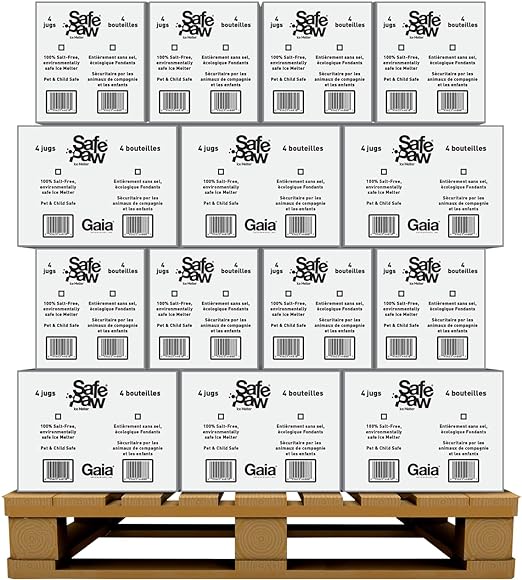
Safe Paw, Child Plant Dog Paw Pet Safe Ice Melt, 160 Jugs

Pet Products Powered By EzPz.pet


When you spread sodium chloride or potassium chloride on your driveway or sidewalks, it will keep it free of ice down to about 20 degrees Fahrenheit. However, some of the salt-water mix (brine) will eventually seep into the concrete. Once the temperature drops below 20 degrees Fahrenheit, this mixture of water and salt will freeze. The freezing of this brine will cause the water to expand and therefore cause cracks to appear on the concrete surface.
The solution to this problem lies with the use of concrete safe ice melt products that offer greater protection to your concrete surfaces.
Pros and Cons: Best Ice Melt Solution for Every Winter Situation
| Format | Advantages | Limitations | Best use |
|---|---|---|---|
| Liquid deicer / anti-icer | Can be applied evenly; useful before a storm; may reduce bonding; less bouncing and scattering. | Needs correct timing and equipment; may be less useful on thick snow; formulation and dilution affect plant/surface risk. | Forecast anti-icing on mature, compatible surfaces. |
| Solid granular ice melt | Easy to store and apply; suitable for spot treatment; visible application; may provide some traction depending on particle design. | Can bounce or scatter; easier to over-apply; residue may track indoors; performance varies by ingredient and temperature. | After snow removal on mature, compatible surfaces. |
| CMA-based product | Avoids chloride corrosion mechanisms; may be less aggressive than common chloride salts. | Usually higher cost; performance varies by temperature and blend; not a universal no-damage guarantee. | Sites prioritizing chloride reduction. |
| Traction material | Works at any temperature; no chemical melting action; suitable for vulnerable surfaces. | Does not melt or prevent bonding; requires cleanup and reapplication. | New concrete, damaged surfaces and immediate grip. |
| Concrete-Safety Warning: No ice melt can be guaranteed safe for every concrete surface. Do not apply chemical deicers to concrete that is less than 12 months old unless the installer has approved a specific treatment. Use extra caution on cracked, scaled, stamped, colored, sealed, poorly drained or previously damaged concrete. Always follow the current product label and the instructions provided by the installer or sealer manufacturer. |
| Pet and Handling Warning: “Pet-friendly” does not mean a product is edible or irritation-free. Keep packages secured, prevent pets from eating treated snow or granules, wipe paws after exposure and contact a veterinarian if significant ingestion or symptoms occur. Use the wording supported by the current label and veterinary guidance. |
Ice Melt For Sidewalks And Driveways: Choosing The Right Weapon
When Jack Frost comes nipping, not just any tool in your arsenal will do. To keep your concrete safe, the hunt for the best ice melt for concrete is on. Dodge the common pitfall of grabbing whatever bag you first spot in the aisle; instead, aim for concrete-friendly ice melt that’s tough on ice but gentle on your walkways. Steer clear of harsh options and consider those friendlier to your concrete and green spaces.
Safe De-Icing Solutions: Unveiling The Chemistry Behind Safe Ice Melt
Dive into the molecular world of deicers to understand why some are kinder to your concrete than others. Sidestep the traditional harsh salts and pivot towards smarter solutions like urea-based deicers. These options prevent the freeze-thaw cycles that terrorize your concrete’s integrity, ensuring that each application is a step towards a safer, slip-free winter.
Choosing The Right Ice Melt: Matching Needs With Effectiveness
How to choose ice melt? It’s not just about melting ice; it’s about syncing with your winter woes and environmental consciousness. Evaluate your typical weather—how frosty does it get? Check the packaging for clues on temperature compatibility and environmental impact. Your perfect match should clear the ice without leaving a trace of damage.
Winter Wonderland Without The Woes: Tips For Safe And Efficient Ice Removal
Master the art of ice removal with precision and care:
- Pre-treat surfaces to discourage ice from bonding.
- Engage in regular physical removal tactics like shoveling or using a snowblower, which minimizes chemical deicer use.
- Apply deicers sparingly: an even sprinkle is all you need to prevent damage and excessive runoff.
- Once the thaw is complete, tidy up any leftover granules to keep surfaces clean and prevent any residue from refreezing.
Equip yourself with these strategies to navigate through winter’s icy grip safely and sustainably, ensuring your sidewalks and driveways remain clear and undamaged.
Comparison of Ice Melt Options
| Option | Melting role | Concrete considerations | Pet / handling considerations | Best for |
|---|---|---|---|---|
| Sodium chloride / rock salt | Deicer; moderate cold performance. | Chloride exposure, saturation, scaling and corrosion concerns; not for new concrete. | Can irritate paws or cause illness if ingested; store securely. | Budget treatment on suitable mature surfaces where permitted. |
| Calcium chloride | Fast, exothermic deicer at lower temperatures. | Chloride brine can contribute to chemical and physical distress; not salt-free. | Moisture-attracting and irritant properties require careful handling. | Low-temperature treatment where label and surface permit. |
| Magnesium chloride | Lower-temperature chloride deicer. | Still a chloride; residue and concrete compatibility require verification. | Use product-specific exposure precautions. | Sites using chloride deicer with controlled application. |
| Calcium magnesium acetate | Anti-icing/deicing with no chloride. | May reduce chloride-related concerns; not universally safe or equally effective in all temperatures. | Review formulation-specific precautions. | Sites prioritizing chloride reduction. |
| Safe Paw | Marketed as salt-free/chloride-free deicer with traction. | For suitable mature concrete according to current label; not under 12 months. | Use current label; wipe paws and prevent ingestion. | Homes seeking chloride-free, pet-conscious winter treatment. |
| Sand / mineral grit | Traction only; no melting. | Suitable for new or vulnerable concrete; cleanup required. | Low chemical exposure; prevent indoor tracking. | Immediate grip at any temperature. |
| Heated mat | Melts or prevents ice locally. | Check surface, drainage and manufacturer compatibility. | No granular exposure; electrical safety applies. | Steps, ramps and small entry zones. |
Best Ice & Snow Management Solutions by Situation
| Best for new concrete or visibly damaged concretePrompt snow removal plus coarse sand, mineral grit or an approved heated mat. Use traction rather than chemical melting unless a qualified installer approves otherwise. |
| Best for pre-storm anti-icingA compatible liquid treatment applied before precipitation, at the labeled dilution and rate, on mature concrete in good condition. |
| Best for spot treatment after shovelingA compatible solid product used sparingly on remaining bonded ice, followed by slush and residue removal. |
| Best for reducing chloride exposureA verified chloride-free formulation or traction-only method selected according to temperature, surface condition and label instructions. |
| Best for pet householdsA product with clear pet-exposure guidance and concrete-use restrictions, combined with paw wiping, secure storage and prevention of ingestion. |
De-Icers That Offer Better Protection For Concrete Surfaces:
Safe Paw
The safest product on the market. Safe Paw™ ice melt safe for concrete is the only snowmelt product on the market that is 100% safe for pets, children, surfaces, and the environment. Safe Paw’s pellets are green to make it easy for consumers to distinguish it from rock salt and salt-based ice melters. Safe Paw benefits include:
- Guaranteed safe for pets and children
- Environmentally safe
- Won’t harm decking of any kind
- Safe on asphalt, concrete, and pavers
- Safe on plants and shrubs
- Proprietary traction agent (helps prevent slips and falls)
- Won’t stain or destroy flooring
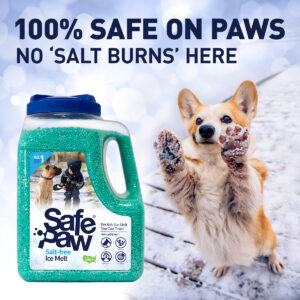
Get ready for winter with the ONLY Pet Safe Ice Melt you can trust
Calcium Chloride
This is a traditional ice melt which melts ice down to temperatures of -25 degrees Fahrenheit. The heat that it gives off as it dissolves help melt ice easily. Calcium chloride has a greater ability to attract and retain moisture from its surroundings. This allows it to dissolve easily and therefore start the melting process faster.
Magnesium Chloride
Magnesium chloride has almost the same qualities as sodium chloride but it is more popular. It is less damaging to concrete and safer on plants.
Urea
Urea is commonly used as a fertilizer but it also used as an effective ice melt product. It melts ice down to 15 degrees Fahrenheit. However, over-application can cause damage to vegetation.
Calcium Magnesium Acetate (CMA)
This product is made from dolomitic limestone and acetic acid. It is less harmful to concrete and vegetation. However, it becomes less effective as temperatures dip to less than 20 degrees Fahrenheit. As opposed to other ice melt products, it does not form brine-like salts. It works by preventing snow particles from sticking to each other on the concrete surface.
Gaia Enterprises Inc. delivers 100% pet-safe and environmentally friendly winter products. Safe Paw, our flagship product, is the #1 selling pet-safe ice melt that does not harm pets, safe if ingested, and safe on all types of concrete.
Magic Minus Zero
This is a liquid de-icing agent. It is manufactured from a blend of magnesium chloride mixed with an agricultural by-product of the distilling process. The product is non-toxic and bio-degradable. It has a lower corrosion index than that of distilled water. This product can be applied directly to paved surfaces before the onset of winter.
Natural De-icers
There are some natural and non-toxic deicers that can be used as alternatives to chloride deicers. However, they are less effective and they cause less damage to concrete and vegetation. They include the following:
- Sand
- Sawdust
- Wood shavings
- Straw
- Kitty litter
Their effectiveness comes from their gritty and anti-slip qualities. They provide good traction that makes it easier to walk on ice. They do not melt the ice. They are usually mixed with ice melter products to minimize the use of chloride deicers.
Get ready for winter with the ONLY Pet Safe Ice Melt you can trust
Precautions
You need to observe the following precautions when using deicers:
- Do not over-apply deicing products. Ensure that you follow the instructions on the label carefully
- Before applying deicing products, clear all the snow from the concrete surfaces
- Always wear gloves because de-icers are corrosive
- Never use deicing chemicals in new concrete that is not fully cured
Remember that all chloride products have a negative effect on the environment. Flush your concrete surfaces with water if you suspect any over the application, or where you find any damage on plants.
Top 4 Mistakes That People Commit
With over 100 ice melter brands available in the market, the choice has only become more evaluative. However, even if you end up making the right choice, the only thing that acts as a hindrance is the way to use the product. These are a few mistakes people commit with concrete safe ice melt products.
Conclusion
The best winter treatment is the one that matches the age and condition of the concrete, the weather stage and the user’s safety priorities. Avoid chemical deicers on concrete under 12 months, remove snow before treatment and use traction-only methods on vulnerable surfaces. On suitable mature concrete, compare the active ingredients, label restrictions, temperature range and application rate, then remove loosened slush and excess residue promptly. Safe Paw may be presented as a salt-free and chloride-free option according to its current product literature, but it should be recommended with the same concrete-age, surface-condition and label-use limitations applied to every product.
Get ready for winter with the ONLY Pet Safe Ice Melt you can trust
FAQs
Other Ice Melt Products
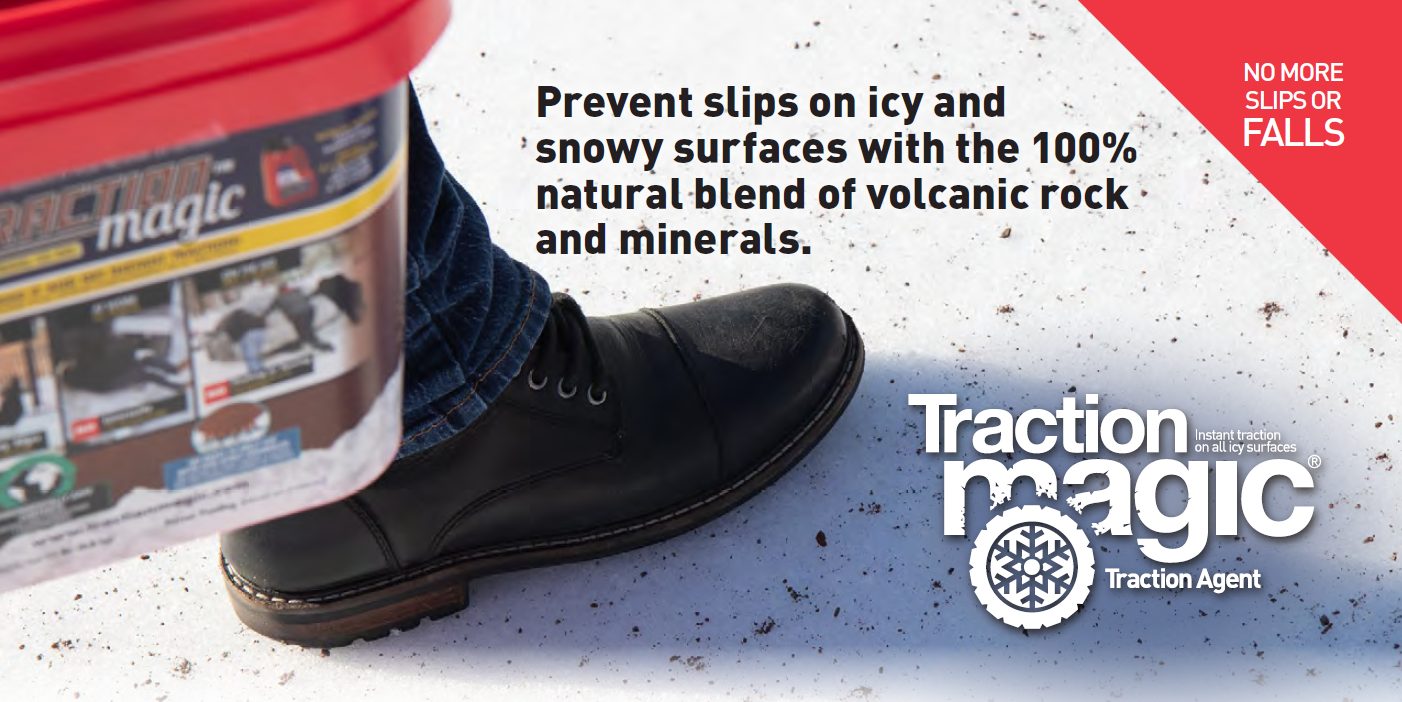
Traction Magic
Stay safe on slippery surfaces with a product that’s 100% natural and safe for pets, people, and your property. Use Traction Magic on sidewalks, steps, or as instant traction for your car.
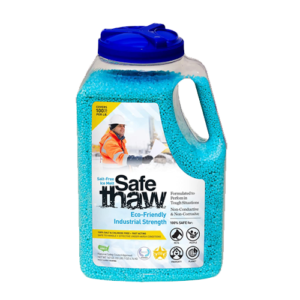
Safe Thaw
Imagine an ice melt you can put down and never worry about. It won’t harm pets, kids and your property. That’s Safe Thaw. Unlike anything else on the market, Safe Thaw can change how winter affects our planet.
Ice Traction (with Traction Magic™)
Ice Traction (with Traction Magic™) is your go-to winter solution for driveways, walkways, parking lots — and even black ice on the road. Unlike salt or ice melts, it delivers instant grip on snow and slippery surfaces with no wait time. Just spread and go.

Safe Thaw
Imagine an ice melt you can put down and never worry about. It won’t harm pets, kids and your property. That’s Safe Thaw. Unlike anything else on the market, Safe Thaw can change how winter affects our planet.


Author: Shweta Saxena
Shweta, a passionate pet lover and environmental advocate, has dedicated herself to promoting winter safety for pets. Living amidst the scenic, snowy landscapes of Canada, she expertly merges her love for animals with her exceptional writing talents. Her commitment is deeply rooted in ensuring the well-being of pets during the harsh winter months.