


How to Tell If Your Pet Is Feeling the Winter Blues (and What to Do)
Snow piles up outside. The days shrink in light. Your home feels quieter — and inside, your pet seems… off. That energetic zoom-around, the tail that never stopped wagging, the early-morning pounces on shoes — now you see more slouches, more naps, fewer happy dances. Could it be the winter season messing with your pet’s mood?
Just like humans, pets can struggle during the darker, colder months. Changes in temperature, less daylight, reduced walks — these can affect their mental and physical well-being. Recognizing the signs early can make a real difference in comfort and happiness during the chilly season.
Why Winter Affects Pets (And What Data Shows)
With fewer outdoor hours and colder weather, many pets get less exercise and fewer mental-stimulation opportunities in winter. For many U.S. pet owners, winter creates a behavioral shift in their pets.
According to veterinary behavior research, reduced daylight and activity can lead to changes in mood and behavior among companion animals.
When the outside world feels less inviting, even the most playful pets may begin to seem subdued.
| Seasonal changes — fewer daylight hours and colder temperatures — are linked to decreased activity and increased lethargy in dogs, affecting mood and behavior. |
5 Signs Your Pet Might Be Feeling the Winter Blues
1. Loss of Interest in Favorite Activities
If fetch walks, backyard zoomies, or favorite toys suddenly feel “meh,” it could be a red flag. Pets who once leapt at the leash — now slow to respond. Cats who chased laser pointers — now ignoring them.
2. Sleep More, Move Less
Excessive sleeping is not always cute. If your dog or cat is staying curled on the couch all day, refusing window-side naps, or sleeping through regular walk times, winter doldrums may be the culprit.
| Veterinarians report that decreased activity during winter months correlates with higher rates of weight gain and reduced enthusiasm among pets. |
Pet-Friendly Ice Melt
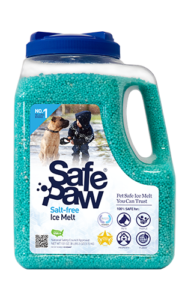
Pet Safe Ice Melt – Safe Paw
The Original and the #1 Pet and Child Safe Ice Melt for over 20 years. Guaranteed environmentally safe – will not harm waterways and sensitive wetlands.
3. Changes in Appetite or Eating Habits
Some pets eat less; others overeat — either as comfort or due to inactivity. A drop in appetite, or a sudden increase with little movement, can signal stress, boredom, or seasonal affect.
4. Excessive Lethargy or Low Energy
If your pet moves like they’re swimming through molasses — slow to get up, hesitation during play, disinterest halfway through walks — that’s a clue. Low energy can reflect both physical cold and emotional slump.
| Research in companion animals suggests reduced physical activity during colder months contributes to both behavioral changes and increased risk of weight gain. |
5. Unusual Behavior or “Clinginess”
Pets might seek more cuddles, become clingy, or act more anxious or restless. Some display irritability, excessive meowing, or unusual hiding behaviors. In other words: when mood dips, pets act differently.
What Pet Owners Can Do to Help — Simple, Effective Steps
Boost Indoor Play & Mental Stimulation
- Rotate toys, offer puzzle feeders, teach new commands or tricks.
- For cats: interactive toys, climbing towers, scratching posts near windows.
- For dogs: indoor fetch, tug games, scent work (hide treats around the house).
Maintain Routine — Even in Winter
Regular feeding, walking, playtime — routines provide comfort. Even short, brisk walks during daylight hours help maintain physical and mental health.
Improve Light Exposure & Warmth/
If possible, keep blinds/curtains open during daylight to let sunlight in. For pets that stay indoors mostly, short “sun breaks” near windows or warm spots help.
Watch Diet & Weight Carefully
Fewer walks + more snacking = risk of winter weight gain. Adjust food portions if activity has dropped. Offer low-calorie treats and make play a priority.
Check in With Your Vet
If lethargy, appetite changes, or mood shifts persist — seek vet advice. Sometimes underlying conditions (arthritis, thyroid, seasonal allergies) can mimic “blues.”
| Studies show that shorter daylight hours can disrupt melatonin production in animals, influencing sleep cycles and overall mood during winter months. |
Why This Matters — For You and Your Pet
Winter lasts months — not a weekend or a few days. If pets suffer through it uncomfortably, it adds up. But with awareness, empathy, and small adjustments, owners can make winter a season of warmth, enrichment, and companionship rather than gloom and sluggishness.
Pet care isn’t just about food, water, and walks. It’s about emotional well-being. The better a pet’s mental state, the happier their tail wags, the brighter their eyes, and the deeper their trust.
FAQs
Other Ice Melt Products
Walk On Ice
Prevent slips at home, work or on the go, The handy disposable canister can be taken everywhere, with the same 100% naturally occurring minerals that provide instant traction on ice or snow.

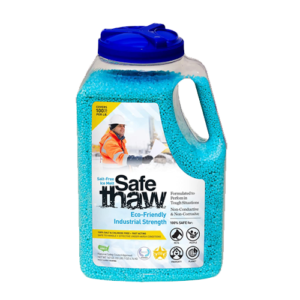
Safe Thaw
Imagine an ice melt you can put down and never worry about. It won’t harm pets, kids and your property. That’s Safe Thaw. Unlike anything else on the market, Safe Thaw can change how winter affects our planet.