


The Secret Sauce That Makes Shelter Dogs So Loyal
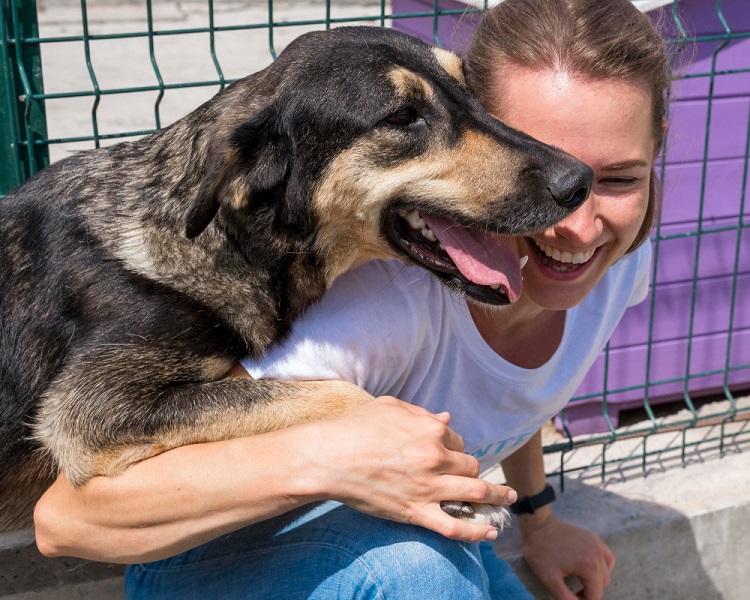
You open the door and your rescue dog erupts into joy — a goofy sprint, a full-body wiggle, the kind of welcome that makes even the worst day feel fixable. That welcome didn’t arrive by accident. It’s the result of tiny survival lessons, hard-won trust, and a temperament shaped by experience.
So what exactly turns a once-stranger scouring a shelter run into a soul who’ll follow you from couch to car for the rest of their life? It’s not magic. It’s a mix of biology, psychology, and relationship work — and it’s quietly beautiful.
The biology of attachment: they’re wired to bond
Dogs and humans share a chemical shorthand for connection: oxytocin. When you gaze at a dog, touch them, or give them praise, that “love hormone” spikes in both of you — the same hormone that cements parent-child bonds. That biological feedback loop makes bonding fast and deep, especially for dogs that have learned to treasure reliable human presence.
| Interactions between dogs and humans raise oxytocin levels in both species, strengthening attachment. |
Experience teaches gratitude — and loyalty
Shelter dogs often arrive with a history: neglect, loss, or simply being overlooked. That past sharpens a dog’s ability to read safety signals. When someone finally offers consistent food, routine, and gentle touch, the dog’s response is disproportionally affectionate — because the reliability is so meaningful. Adoptive families don’t just gain a pet; they gain a companion who understands what being cared for feels like.
| Approximately 2 million dogs were adopted from U.S. shelters in 2024, reflecting both a demand for shelter pets and ongoing capacity challenges. |
Pet-Friendly Ice Melt
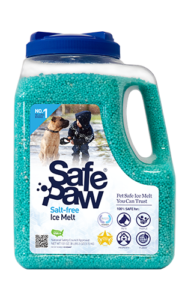
Pet Safe Ice Melt – Safe Paw
The Original and the #1 Pet and Child Safe Ice Melt for over 20 years. Guaranteed environmentally safe – will not harm waterways and sensitive wetlands.
Training that’s rooted in trust, not fear
Many shelter dogs respond best to positive reinforcement and predictable routines — not punishment. When training emphasizes reward over reprimand, the dog learns that following you brings good outcomes: walks, treats, and calm attention. That cycle breeds cooperation and a willingness to stay close. Loyalty grows when rules are consistent and enforcement is kind.
| Systematic reviews of dog–owner relationships highlight that consistent, positive interactions are key to a satisfying bond. |
The social proof of resilience: sheltered dogs rebound quickly
Shelter environments—if managed well—provide socialization opportunities: exposure to people, other animals, and novel stimuli. Dogs that get even short, consistent interaction with volunteers and adopters often show rapid reductions in stress and an increased capacity to attach. That resilience translates into loyalty: once they learn a human is safe, they cling — in the best way.
| Studies show that social interaction in shelters reduces stress indicators in dogs and supports better post-adoption outcomes. |
Real-world moments that make owners say “that’s so my dog”
If you’ve lived with a shelter dog, you recognize the small, specific behaviors that signal loyalty: the dog who refuses to leave your side during storms; the one who brings a mangled toy when you’re sad; the pup who learns a new command after one calm demonstration.
Those gestures aren’t scripted — they’re learned responses to being treated as part of a team. Owners think, “How did you read my mind?” but really, the dog is reading the routine and choosing to engage.
Why this matters beyond warm fuzzies
Adopting a shelter dog shifts more than household dynamics — it changes community outcomes. Every adoption frees shelter space for another animal in need, and every confident, well-bonded rescue is living proof that second chances work. Plus, the emotional and physical benefits for owners are tangible: lowered stress, more movement, and daily companionship that improves mood.
Shelter dogs’ loyalty is a payoff for patience: they give back tenfold to the people who finally give them a home.
Conclusion
The “secret sauce” of shelter-dog loyalty isn’t a single ingredient — it’s a recipe: biological predisposition (oxytocin), life experience that values reliability, training rooted in kindness, and social opportunities that build confidence.
Put those together, and you get a companion who will greet you like the sun every single day. Adopt one, and you’ll see how quickly a borrowed heart becomes your home’s compass.
FAQs
Other Ice Melt Products
Walk On Ice
Prevent slips at home, work or on the go, The handy disposable canister can be taken everywhere, with the same 100% naturally occurring minerals that provide instant traction on ice or snow.

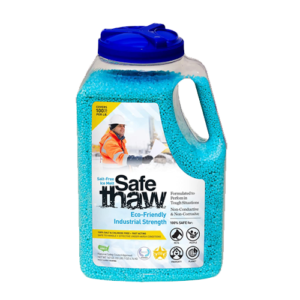
Safe Thaw
Imagine an ice melt you can put down and never worry about. It won’t harm pets, kids and your property. That’s Safe Thaw. Unlike anything else on the market, Safe Thaw can change how winter affects our planet.