Are You Using The Right Ice Melt Near A Well Or Water Reservoir?
0 comments
Is Ice Melt Safe Near Well Water?
Ice melt used near wells or water reservoirs should be selected carefully because some salt-based products can introduce chlorides into soil and runoff pathways that may affect groundwater and surface water quality. Choosing a chloride-free ice melt and applying any product according to instructions can help reduce potential water contamination concerns.
Key Takeaways
Ice Melt Near Wells and Water Sources
Salt-based ice melts may release chlorides that can move through runoff and soil.
Wells and reservoirs located near treated surfaces require additional consideration.
Product ingredients matter when choosing ice control methods near water sources.
Application amount and placement are important factors.
Avoid applying excessive amounts of ice melt near drainage areas, wells, streams, and waterways.
Chloride-free ice melt options may be considered when reducing chloride exposure is a priority.
Listen to the Article: Audio Version Available
Do you like winters? Yes, most of us do. They don’t call it “the most wonderful time of the year” for nothing. But the slippery and icy sidewalk in winters can be challenging as it can result in dangerous slip-and-fall accidents. Therefore, clearing snow and providing safe access to the driveway for your family and visitors becomes your responsibility. One of the most popular and effective ways to get rid of this treacherous layer of ice is by using ice melt.
According to a study, 60% of American households use rock salt or salt-based ice melter products, but only 38% of them are aware of its hazards. We take generous amounts of rock salt and spread it in open areas like steps, driveways, sidewalks, etc. Some people even think that rock salt is safe to use and is natural snowmelt, which is a big myth.
Safe, Eco-Friendly Ice Melt
Safe Paw
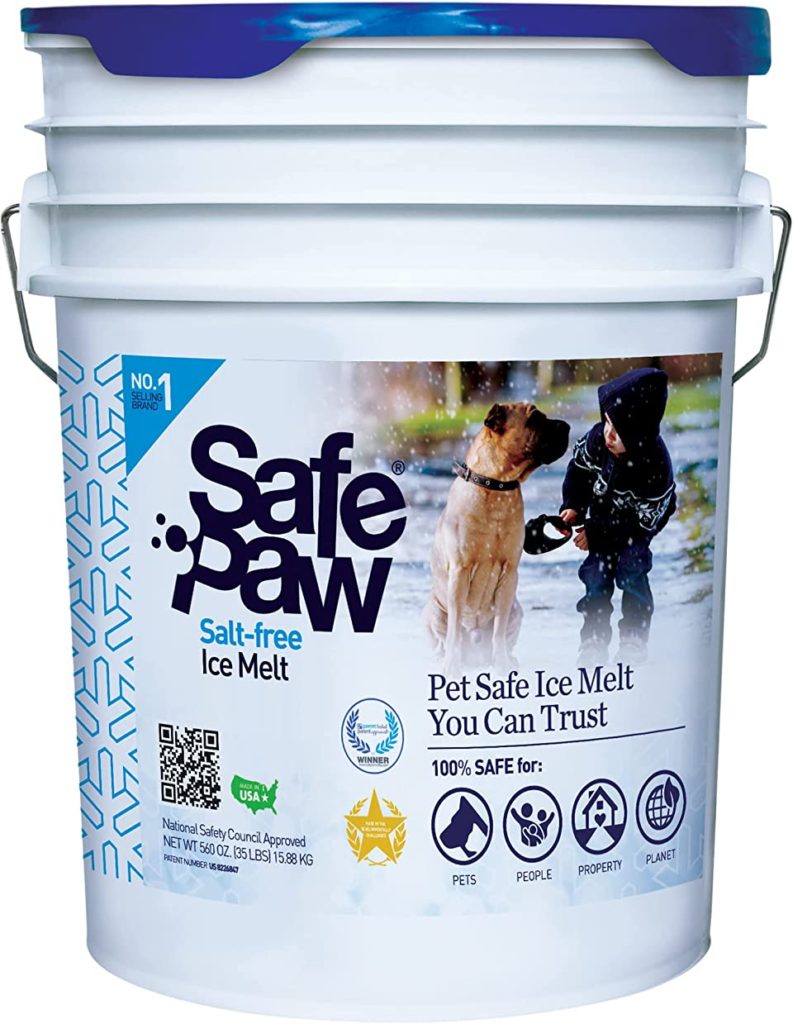
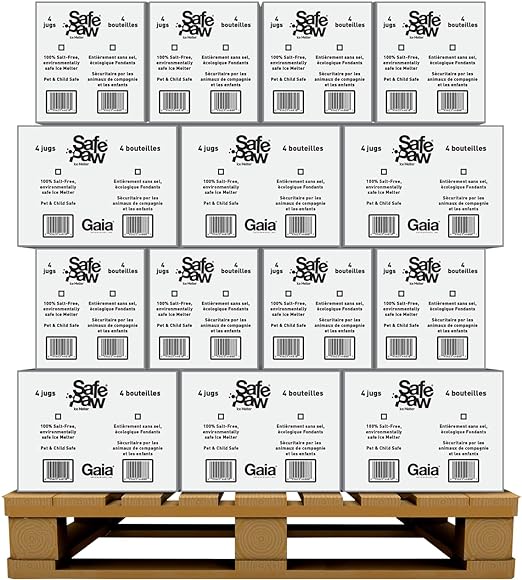
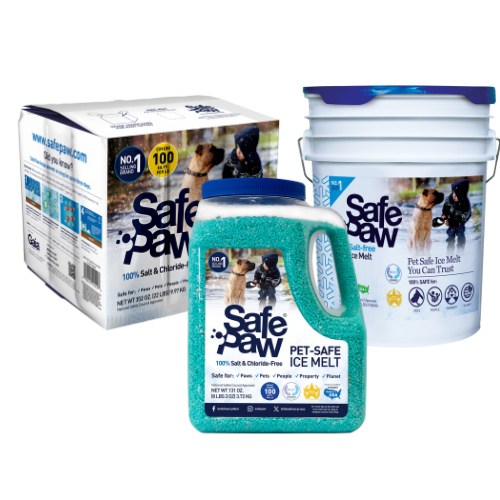
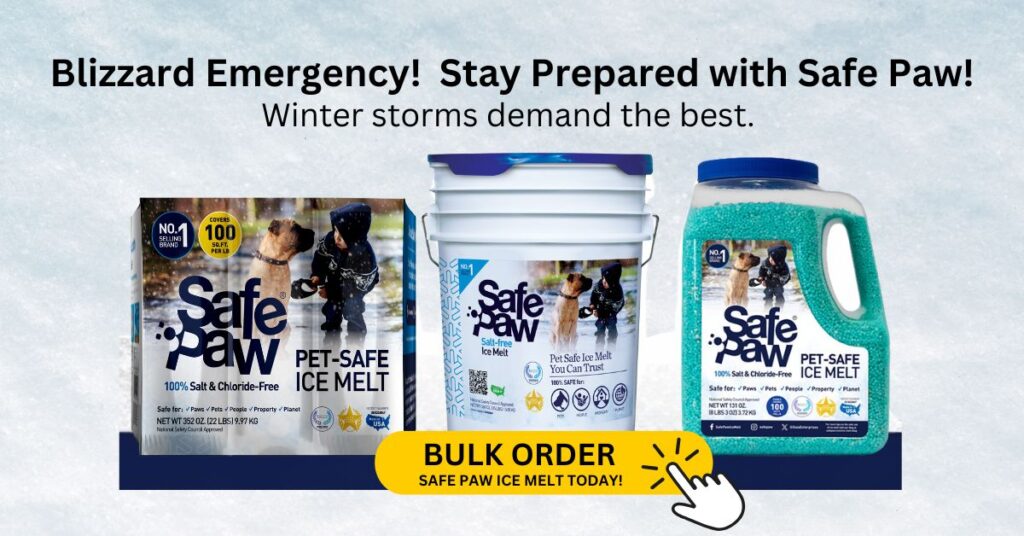
The Original and the #1 Child and Pet Safe Ice Melt for over 20 years. Guaranteed environmentally safe – will not harm waterways and sensitive wetlands.
Rock salt and chloride-based ice melts may affect well water because dissolved chlorides can move through soil with water runoff or groundwater movement. When these materials reach wells or reservoirs, they can increase chloride levels and alter water quality.
2- Rock Salt And Ice Melt Contain Chemicals
Rock salt is 98% sodium chloride. Almost all ice melt in the market contains chloride in one or the other form like- sodium chloride, calcium chloride, magnesium chloride, etc.
Overuse of rock salt or chemical ice melter can be harmful to delicate machinery, building materials, concrete, vegetation, pets, and kids.
Ice and Snow Everywhere? Stock Up on Safe Paw – the ONLY Pet Safe Ice Melt you can trust
Sodium chloride is poisonous to pets and kids. Sodium chloride is essentially the same as table salt, but it’s poisonous because it contains impurities and is not prepared with the same safety levels as table salt.
Rock salt can also cause irritation, rashes, and burns to the eyes, skin, or paws of your pets. Every year the Poison Control Department gets many calls about children who put ice melting crystals into their mouths.
In many countries, road salt is listed as a toxic substance. Chloride is toxic to aquatic life, and even low concentrations can produce harmful effects in freshwater ecosystems.
Ice and Snow Everywhere? Stock Up on Safe Paw – the ONLY Pet Safe Ice Melt you can trust
How To Use Ice Melt Safely Near Wells and Water Reservoirs
Before Application
Identify the location of wells, drainage areas, streams, and reservoirs.
Check product ingredients.
Avoid unnecessary application near water pathways.
During Application
Apply only the recommended amount.
Avoid spreading directly near well heads.
Prevent runoff toward water sources.
After Winter
Remove excess leftover material.
Sweep unused granules where appropriate.
Store remaining product properly.
Comparison Table
Ice Melt Types Near Wells: What To Consider
Ice Melt Type
Water Considerations
Main Concern
Sodium chloride (rock salt)
Chloride can move through runoff
Increased salinity
Calcium chloride
Chloride-based compound
Chloride runoff
Magnesium chloride
Chloride-based compound
Environmental accumulation
Chloride-free ice melt
Does not add chloride salts
Evaluate formulation and instructions
Traction materials
Do not melt ice
Sediment management
What Ice Melt Is Better Near Wells and Water Reservoirs?
For areas near wells or water sources, consider ice-control products that avoid chloride salts and follow careful application practices. A chloride-free ice melt may be considered when reducing chloride runoff is an important factor.
A. Rock salt may increase chloride levels in runoff and groundwater pathways, so caution is recommended when applying it near wells or water sources.
A. Products without chloride salts may be considered when reducing chloride exposure is a priority. Always review ingredients and follow application guidance.
A. Some ice melts can contribute dissolved salts or chemicals to runoff that may move through soil and affect water quality.
A. Many ice melts contain chloride-based salts such as sodium chloride, calcium chloride, magnesium chloride, or potassium chloride. These chemicals can increase the salinity of water and harm aquatic life. Some may also contain other chemicals that can be harmful in high concentrations.
A. Yes, there are several ice melt products available that are designed to be more environmentally friendly. Some are made from organic compounds or are less likely to harm vegetation and wildlife.
A. You can minimize the impact by using ice melt sparingly and only when necessary. Shoveling snow before it has a chance to freeze into ice can also help. If possible, try to use a product labeled as eco-friendly or safe for nearby water sources.
A. Sand does not contain the harmful chemicals found in some ice melt products and is safer for the environment. However, it does not melt ice or snow; it merely provides traction over icy surfaces.
A. If well water gets contaminated, it can affect the taste and safety of the water. High salinity can make the water undrinkable and harmful to both humans and animals. It can also affect the health of your landscape if you use this water for irrigation.
A. The safety of ice melt for well water largely depends on the type of ice melt used. Many common ice melt products contain salts and other chemicals that can seep into the ground and potentially contaminate well water. This contamination can affect the taste and safety of the water and can be harmful to both humans and the environment. Therefore, it’s important to use ice melt sparingly and choose products labelled as environmentally friendly if your property has a well.
A. All types of ice will naturally melt into water when temperatures rise above freezing. However, if you’re asking about the type of ice melt product that is safe to use near a water reservoir, you should look for ones labeled as eco-friendly or safe for use around bodies of water. These products contain fewer harmful chemicals and are less likely to contribute to water contamination. It’s always recommended to use these products sparingly to minimize potential environmental impact.
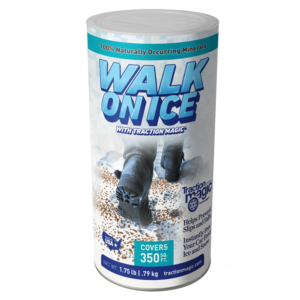
Stay safe and confident this winter with Traction Magic! This innovative, 100% natural product offers instant traction on any icy surface. Whether you’re navigating your sidewalk, steps, or driveway, Traction Magic helps you stay upright and prevents falls.
Prevent slips at home, work or on the go, The handy disposable canister can be taken everywhere, with the same 100% naturally occurring minerals that provide instant traction on ice or snow.
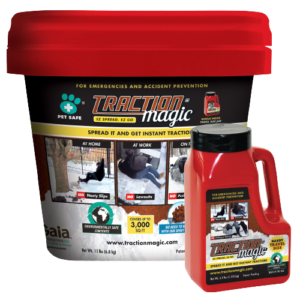
Stay safe on slippery surfaces with a product that’s 100% natural and safe for pets, people, and your property. Use Traction Magic on sidewalks, steps, or as instant traction for your car.
Prevent slips at home, work or on the go, The handy disposable canister can be taken everywhere, with the same 100% naturally occurring minerals that provide instant traction on ice or snow.
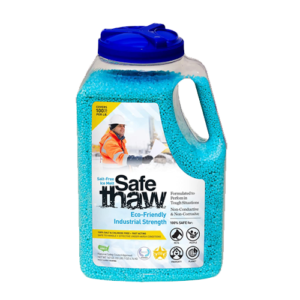
Imagine an ice melt you can put down and never worry about. It won’t harm pets, kids and your property. That’s Safe Thaw. Unlike anything else on the market, Safe Thaw can change how winter affects our planet.