


Propylene Glycol and Dogs: Is It Truly Safe?
Is Propylene Glycol Safe for Dogs? Quick Answer
Propylene glycol is less toxic to dogs than ethylene glycol, but it should not be described as completely harmless in every amount or form. Small exposures differ from ingestion of concentrated or large quantities. Veterinary guidance notes that sufficient propylene glycol ingestion can cause adverse effects, while ethylene glycol presents a much more serious poisoning risk. For winter products, prevent dogs from eating deicer, treated snow or spilled liquid, and clean their paws after walking on treated surfaces.
Merck Veterinary Manual distinguishes propylene glycol from the substantially more toxic ethylene glycol while still documenting propylene glycol toxicosis following sufficient ingestion. (Merck Veterinary Manual)
For dog owners, ensuring that every product their pet comes into contact with is safe is a top priority. From food to household cleaners, even winter essentials like antifreeze and ice melt must be scrutinized. One common ingredient that raises questions is propylene glycol. Is it truly safe for dogs? Let’s explore the truth behind propylene glycol dogs, its uses, potential effects, and how to keep your furry friends safe this winter.
Key Takeaways
- Propylene glycol and ethylene glycol are different substances. Ethylene glycol presents a much greater poisoning risk to dogs.
- “Less toxic” does not mean risk-free. Large or concentrated propylene glycol exposure can still cause adverse effects.
- Exposure amount matters. Incidental contact is different from drinking or eating a concentrated product.
- Winter exposure can occur through paws. Dogs may lick deicer residue after walking outside.
- Check the complete ingredient list. A product should not be judged only by a “pet-friendly” description.
- Clean paws after winter walks where deicers have been applied.
- Keep deicer and antifreeze containers inaccessible to pets.
ASPCA recommends paw wiping or rinsing, avoiding excessive deicer use, and monitoring dogs for irritation after walking through treated areas. (ASPCA)
Propylene Glycol vs. Ethylene Glycol: Why the Difference Matters
Propylene glycol and ethylene glycol are different glycols and should not be treated as interchangeable. Ethylene glycol is highly toxic to dogs and can cause severe neurologic and kidney-related effects after ingestion. Propylene glycol has substantially lower toxicity, but excessive exposure can still produce adverse effects. The ingredient name therefore matters when evaluating antifreeze, deicing products and other winter chemicals.
ASPCA describes ethylene glycol as highly toxic to pets, while Merck Veterinary Manual describes propylene glycol as less toxic but still capable of causing toxicosis. (ASPCA)
Understanding Propylene Glycol and Its Common Uses
What Is Propylene Glycol?
Propylene glycol is a synthetic, odorless, and colorless liquid derived from petroleum. It is commonly used in pharmaceuticals, cosmetics, food, and pet-safe antifreeze due to its ability to absorb water and lower freezing points.
Propylene glycol has a substantially lower toxicity profile than ethylene glycol, but safety depends on exposure amount, concentration and product formulation. Significant ingestion should not be treated as harmless. It is even present in some dog foods, moisturizing agents, and veterinary products. However, when it comes to ice melts, pet owners need to remain vigilant.
Pet Safe Ice Melt
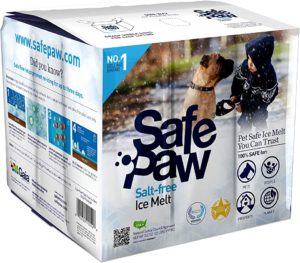
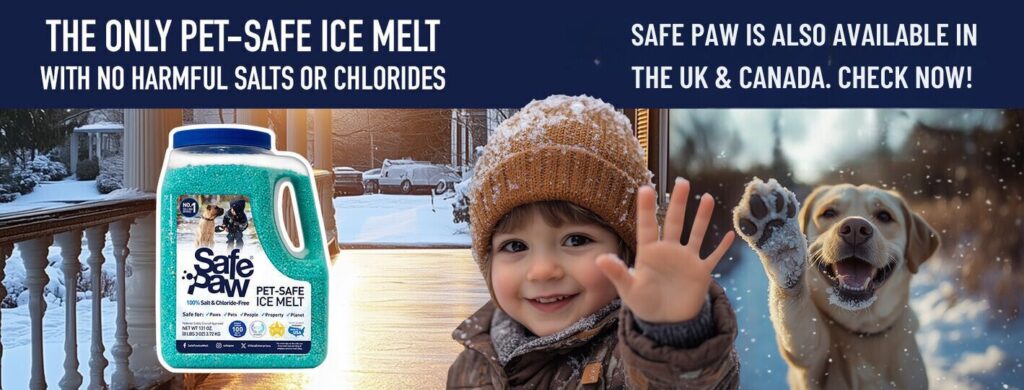
Pet Friendly Ice Melt – Safe Paw!
The Original and the #1 Child and Pet Safe Ice Melt for over 20 years. Guaranteed environmentally safe – will not harm waterways and sensitive wetlands.
Propylene Glycol in Winter Products
The Role of Propylene Glycol in Ice Melts
In icy climates, ice melts are commonly used to prevent slippery surfaces on driveways and sidewalks. Some ice melts contain harsh chemicals like sodium chloride or ethylene glycol, both of which can harm pets. However, pet-safe ice melt formulas often use propylene glycol due to its lower toxicity.
When added to ice melt, propylene glycol lowers the freezing point of water, making it an effective yet safer solution. Many pet owners even search for “pet safe ice melt homemade” solutions containing propylene glycol to avoid commercial products with harmful chemicals.
How Can Dogs Be Exposed to Propylene Glycol or Winter Deicers?
Dogs may encounter winter chemicals by:
- Walking through treated sidewalks or driveways.
- Licking residue from paws or fur.
- Eating treated snow or slush.
- Licking spilled winter fluids.
- Gaining access to an improperly stored container.
Is Propylene Glycol Bad for Dogs?
FDA and ASPCA Guidelines
According to the FDA (Food and Drug Administration), propylene glycol is considered safe in regulated amounts for both human and animal consumption. However, prolonged exposure, ingestion of large amounts, or contact with concentrated forms may lead to irritation in dogs.
The ASPCA (American Society for the Prevention of Cruelty to Animals) advises that while propylene glycol in pet-safe ice melt is unlikely to harm dogs, it’s still wise to supervise pets during winter walks. Excessive licking of paws after exposure may lead to an upset stomach, so wiping your dog’s paws after walks is always a good practice.
Why Amount and Concentration Matter
Safety cannot be determined from an ingredient name alone. The concentration of the substance, amount consumed, route of exposure and size of the dog all influence the potential effect. A small amount of residue transferred to a paw is not equivalent to directly consuming a concentrated liquid or product.
Propylene Glycol Around Dogs: Advantages and Limitations
| Factor | Potential advantage | Limitation |
| Compared with ethylene glycol | Substantially lower toxicity | Not completely risk-free |
| Small incidental exposure | Less concerning than concentrated ingestion | Repeated licking can increase exposure |
| Winter-product use | Can lower freezing point | Overall product safety depends on full formulation |
| Paw contact | Limited surface contact may occur during walks | Residue may subsequently be licked |
| Large ingestion | — | Can cause clinically significant adverse effects |
| Product selection | Ingredient can be clearly identified on some labels | “Pet-friendly” wording alone does not establish zero risk |
Merck Veterinary Manual specifically characterizes propylene glycol as less toxic than ethylene glycol while documenting adverse effects from significant ingestion. (Merck Veterinary Manual)
Propylene Glycol vs. Ethylene Glycol
| Factor | Propylene Glycol | Ethylene Glycol |
| Relative toxicity to dogs | Lower | Much higher |
| Significant ingestion | Can cause toxicosis | Medical emergency with potentially severe poisoning |
| Winter-product use | Present in some formulations | Commonly associated with automotive antifreeze |
| Pet exposure | Should still be minimized | Prevent all access |
| Appropriate description | Lower toxicity, not zero risk | Highly toxic |
Merck and ASPCA both support the central distinction between the two glycols. (Merck Veterinary Manual)
What Dog Owners Should Check in a Winter Product
Before using a deicer or winter fluid around dogs:
- Read the ingredient list.
- Distinguish propylene glycol from ethylene glycol.
- Check whether chlorides are also present.
- Follow the stated application amount.
- Store unused material where pets cannot access it.
- Prevent dogs from eating treated snow or granules.
- Wipe or rinse paws after walks through treated areas.
- Watch for excessive paw licking or unusual behavior.
ASPCA similarly recommends limiting deicer exposure, cleaning paws and monitoring for signs of irritation. (ASPCA)
Which Winter Approach Fits Different Dog-Safety Situations?
| Situation | Practical approach |
| Dog frequently licks paws | Reduce contact and clean paws after walks |
| Treated public sidewalks | Consider booties and wipe paws afterward |
| Dog eats snow | Avoid allowing access to treated snow |
| Home ice treatment | Review complete ingredient information |
| Need traction rather than melting | Consider a non-melting traction approach |
| Comparing propylene and ethylene glycol | Prefer evaluating them separately because their toxicity differs substantially |
| Uncertain product formulation | Check current SDS/product documentation |
ASPCA recommends paw cleaning and identifies booties as one method for reducing direct deicer contact. (ASPCA)
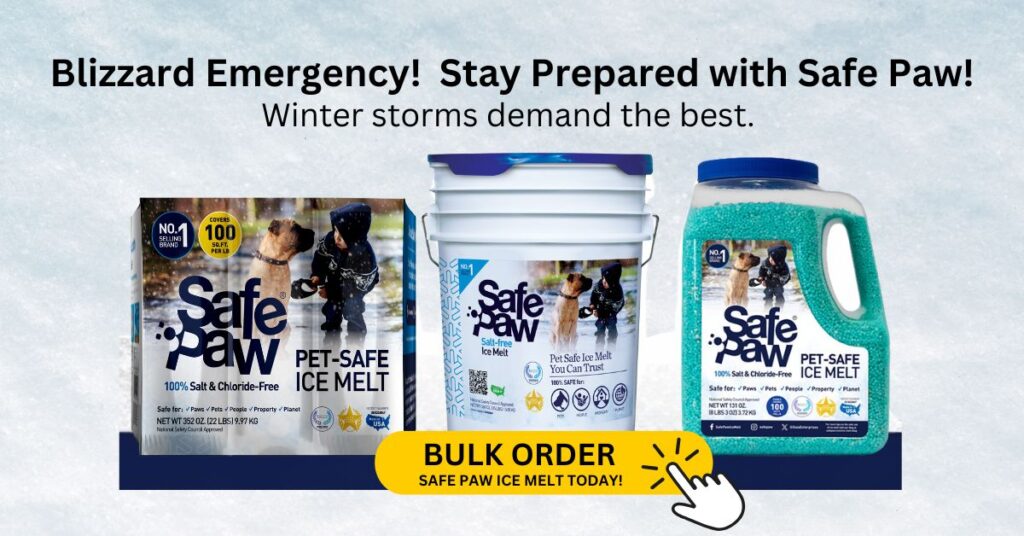
Pet Safe Ice Melt – Safe Paw
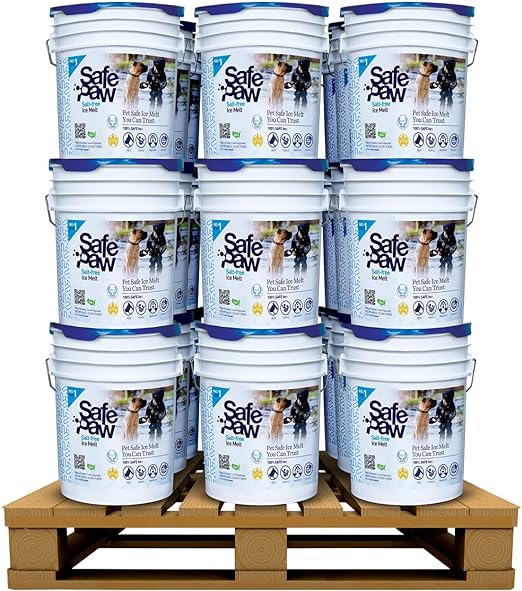
Safe Paw, Child Plant Dog Paw & Pet Safe Ice Melt -35lb, 36 Pails

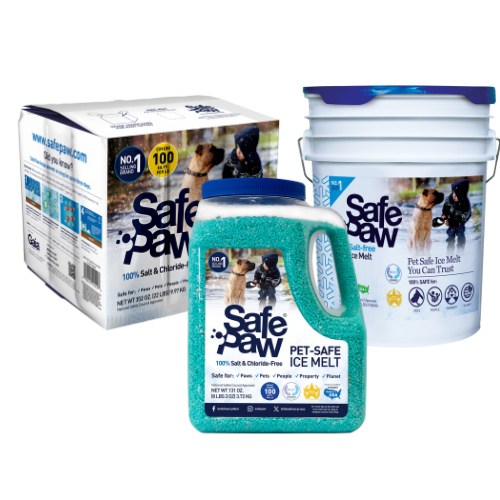
Safe Paw, Child Plant Dog Paw & Pet Safe Ice Melt -22lb, 100Bboxes
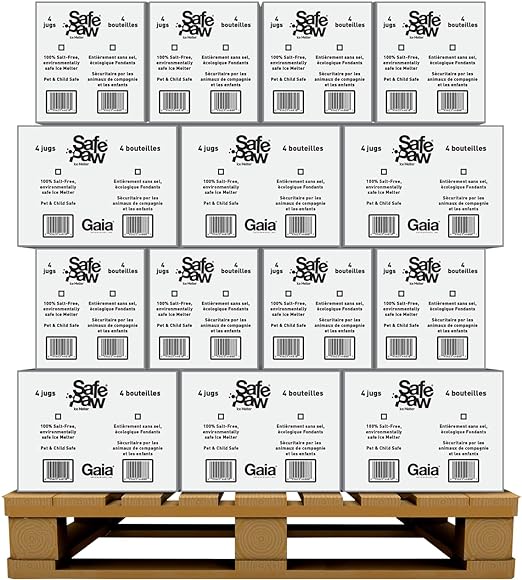
Safe Paw, Child Plant Dog Paw Pet Safe Ice Melt, 160 Jugs

Pet Products Powered By EzPz.pet

Common Allergy Symptoms in Dogs
Recognizing Propylene Glycol Allergy Symptoms
Although propylene glycol is generally safe, some dogs may have sensitive skin and experience minor allergic reactions. Symptoms to look out for include:
- Redness and dry patches around the paws.
- Excessive licking or biting at their paws after outdoor exposure.
- Mild irritation or an upset stomach after licking ice melt-treated surfaces.
If you notice any of these symptoms, consult your vet to rule out more severe issues.
Gaia Enterprises Inc. delivers 100% pet-safe and environmentally friendly winter products. Safe Paw, our flagship product, is the #1 selling pet-safe ice melt that does not harm pets, safe if ingested, and safe on all types of concrete.
Choosing the Best Pet Safe Ice Melt
Why Ice Melt Safety Matters
Choosing the best pet safe ice melt can significantly reduce your dog’s risk of exposure to harmful chemicals. Many homemade pet-safe ice melt solutions use ingredients like sand and baking soda, but these are often less effective at melting ice and may leave a mess behind.
One trusted solution is Safe Paw—a 100% chloride-free and non-toxic ice melt that’s safe for pets and children. Unlike traditional ice melts, Safe Paw won’t irritate your dog’s paws or cause stomach issues if ingested in small amounts. Plus, its unique, non-corrosive formula protects your lawn, garden, and concrete surfaces, making it a holistic winter solution.
Important Limitations
Do not interpret “less toxic than ethylene glycol” as meaning that unlimited propylene glycol exposure is harmless. Concentrated ingestion and small incidental exposure are different situations. Product formulations may also contain multiple ingredients, so safety should be evaluated from the complete ingredient information rather than from propylene glycol alone.
Add:
- Do not allow dogs to drink antifreeze or concentrated winter fluids.
- Do not encourage consumption of any ice-melting product.
- Prevent access to open product containers.
- Wipe paws after walking across treated surfaces.
- Keep ethylene-glycol-containing fluids away from pets.
- If significant ingestion is suspected, veterinary assessment is appropriate.
ASPCA advises prompt veterinary attention when antifreeze ingestion is suspected and recommends bringing the product packaging so the ingredients can be identified. (ASPCA)
Pet Safety Tips During Winter
1. Keep Outdoor Surfaces Clear
Shovel snow before it freezes to reduce the need for ice melt.
2. Wipe Your Dog’s Paws After Walks
Use a soft, damp cloth to clean your dog’s paws after walks to remove any residue.
3. Consider Protective Paw Wax or Booties
If your dog is prone to sensitive paws, use protective paw wax or invest in dog booties to minimize direct contact with ice and snow.
Conclusion
In summary, propylene glycol dogs is a safer alternative to toxic substances like ethylene glycol, but pet owners should still be cautious. Products like Safe Paw offer a reliable way to melt ice without harming your pet’s health. By taking proactive steps and choosing the best pet safe ice melt, you can enjoy a safer, happier winter with your furry friend.
FAQs
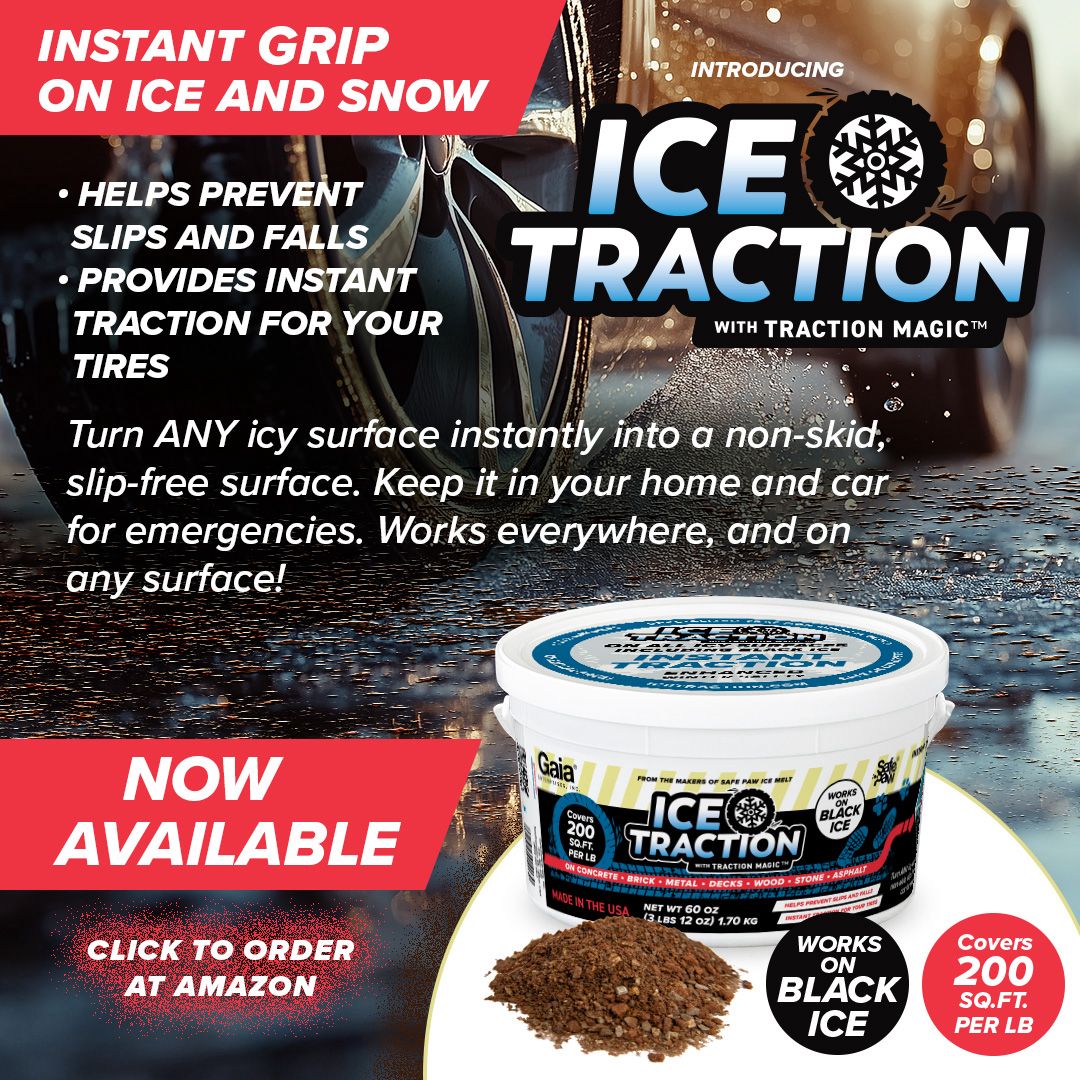
New Product Launch – Ice Traction (with Traction Magic™)
Ice Traction is your go-to winter solution for driveways, walkways, parking lots — and even black ice on the road. Unlike salt or ice melts, it delivers instant grip on snow and slippery surfaces with no wait time. Just spread and go.
Other Ice Melt Products
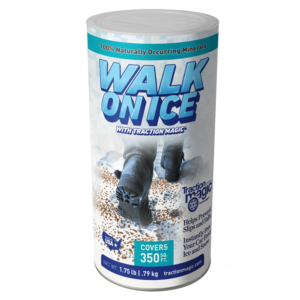
Walk On Ice
Prevent slips at home, work or on the go, The handy disposable canister can be taken everywhere, with the same 100% naturally occurring minerals that provide instant traction on ice or snow.
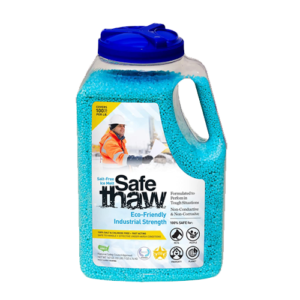
Safe Thaw
Imagine an ice melt you can put down and never worry about. It won’t harm pets, kids and your property. That’s Safe Thaw. Unlike anything else on the market, Safe Thaw can change how winter affects our planet.
Related Articles
- Pet-Safe Sidewalk Salt: Best Ice Melt Options for Winter Safety
- Understanding Antifreeze Propylene Glycol: Benefits, Safety, and Freezing Point Control
- Finding the Best Pet Safe Ice Melt for Winter: A Complete Guide
- Is Propylene Glycol Bad for You? Separating Fact from Fiction
- Homemade Pet Safe Ice Melt: Is It Better Than Store-Bought?