



How To Reuse The Ice-Melt Residue For Gardening?
Ice melt residue can only be reused in gardening when the ingredients are suitable for soil and plants. Depending on the formulation, residue may be considered for uses such as surface mulch, weed barrier applications, or disposal alternatives, but salt-based residues should be handled carefully because chloride exposure can affect plants and soil conditions.
- Identify the ice melt ingredients
- Understand how those ingredients interact with soil and plants
- Use only appropriate amounts and locations
If you’re a pet owner, you know how much damage ice can do to your pets. It could create a difficult situation for them because the ice melt residue can harm their paws and hands if they lick it off their feet. On top of that, it can ruin your concrete walkway if left out in the sun for too long.
Key Takeaways About Ice Melt Residue and Gardening
- Ice melt residue should not automatically be added to garden soil.
- Ingredients determine whether reuse is appropriate.
- Chloride-containing residues can create concerns for sensitive plants.
- Residue from different ice melts can have different effects.
- Sweeping and collection methods influence how much residue reaches gardens.
- Soil, plant type, rainfall, and application amount all affect outcomes.
- Always check product-specific guidance before garden use.
How Can Ice Melt Residue Be Reused in Gardening?
Method 1: Use as a Surface Barrier
Some collected residue materials may be reused as a surface barrier around appropriate areas, depending on the ingredient composition. Before applying any residue near plants, confirm that the material is suitable for soil contact.
Possible uses:
- around non-plant areas;
- pathways;
- weed-control zones where appropriate.
Method 2: Use as a Soil Amendment Only When Appropriate
Ice melt residue should not automatically be considered fertilizer. Some materials may contain elements that plants require, but the overall effect depends on concentration, formulation, and soil conditions.
Before Adding Residue to Soil
- Identify ingredients.
- Check plant sensitivity.
- Avoid excessive application.
- Avoid concentrated deposits.
- Monitor plant response.
Method 3: Weed Barrier Consideration
Some residue materials may reduce weed growth when placed as a surface layer, but salt-containing residues can also affect nearby plants. Use caution around lawns, gardens, and sensitive vegetation.
Does Ice Melt Residue Affect Plants?
Yes, some ice melt residues can affect plants depending on their ingredients and concentration. Chloride-containing salts can alter soil conditions and may create stress for salt-sensitive vegetation. Effects depend on the plant species, soil type, rainfall, drainage, and amount of residue exposure.
How Different Ice Melt Residues May Affect Gardening
| Residue Type | Gardening Consideration |
| Chloride-based residue | May increase salt exposure around plants |
| Salt-free residue | Depends on formulation ingredients |
| Mineral-based residue | Evaluate soil compatibility |
| Mixed snow-removal debris | May contain unknown materials |
| Swept driveway residue | Check collected material before reuse |
What Causes Ice Melt Stains?
Most ice melt products contain chemicals like sodium chloride, calcium chloride, or magnesium chloride. These chemicals break down snow and ice but can leave behind white streaks or stains, known as ice melt stains. If left untreated, the residue can seep into porous surfaces like concrete, causing both discoloration and deterioration over time.
Calcium chloride residue, in particular, is known for being difficult to remove. When moisture evaporates, the calcium chloride forms a stubborn white crust that can stick to surfaces. Not only does this look bad, but over time, it can contribute to ice melt corrosion, slowly eating away at the surface it’s left on.
Why Ice Melt Ingredients Matter Before Garden Reuse
The effect of reused ice melt residue depends primarily on its ingredients. Products containing chloride salts may require more caution around plants, while other formulations may have different considerations.
Why You Should Care About Ice Melt Cleanup
Failing to remove ice melt residue can lead to several long-term issues, such as:
- Corrosion: Many ice melt chemicals are corrosive and can damage concrete, asphalt, and even metal surfaces if not cleaned regularly.
- Floor Damage: If tracked indoors, ice melt stains can ruin carpets, wood flooring, and tile. Salt-based products are particularly damaging, leading to permanent marks if not cleaned quickly.
- Environmental Impact: When ice melt solutions wash off into gardens or water systems, they can harm plants and pollute waterways. Keeping the residue in check is essential to reducing environmental damage.
Ice Melt Ingredients and Gardening Considerations
| Ingredient Category | Gardening Consideration |
| Sodium chloride | Salt exposure can affect some plants |
| Calcium chloride | Chloride exposure should be considered |
| Magnesium chloride | Chloride exposure should be considered |
| Chloride-free formulations | Evaluate complete formulation and soil compatibility |
| Traction materials | Usually provide grip rather than soil nutrients |
How to Clean Ice Melt Stains
Fortunately, removing ice melt stains doesn’t have to be difficult. Here are a few steps you can take to minimize damage and keep your surfaces looking fresh:
- Immediate Cleanup: Don’t wait for the residue to build up. Regularly sweep or vacuum the area to prevent ice melt stains from becoming embedded in surfaces.
- Use a Mild Detergent: For stubborn stains, create a solution of warm water and mild detergent. Scrub the affected area with a stiff brush, making sure to reach deep into the surface.
- Neutralize with Vinegar: Vinegar is a great natural cleaner that neutralizes the effects of calcium chloride. Mix equal parts of vinegar and water, apply it to the calcium chloride residue, and scrub thoroughly.
- Prevent Future Damage: Use a concrete-friendly ice melt or switch to pet-friendly ice melt options to minimize the harsh effects of de-icing products on surfaces and the environment.
What Causes Ice Melt Stains?
Ice melt stains are visible residues left behind after dissolved deicing materials dry on surfaces. Common salt-based ice melts can leave white deposits or discoloration, especially on porous surfaces such as concrete and masonry.
Common Causes
- Excess application
- Residue buildup
- Porous surfaces
- Repeated winter treatments
- Poor drainage
Protect Your Pet Paw
If you have a dog or cat, it’s imperative that you protect their paws from the ice melt residue. It can be dangerous for them if they ingest it! While there are ways to keep pets off the ice-melt residue, we recommend avoiding this altogether by using a chemical-free ice melt like Safe Paw.
How to Clean Ice Melt Residue Stains
To clean ice melt residue, remove loose material first, then use appropriate cleaning methods based on the surface type. Regular sweeping can prevent residue buildup.
Cleaning Steps
1. Remove Loose Residue
Sweep or vacuum.
2. Use Water First
Rinse where appropriate.
3. Use Mild Cleaning Solutions
For stubborn residue, use suitable mild cleaners.
4. Avoid Surface Damage
Do not use aggressive methods that damage masonry or plants.
Paw Safe Ice Melt
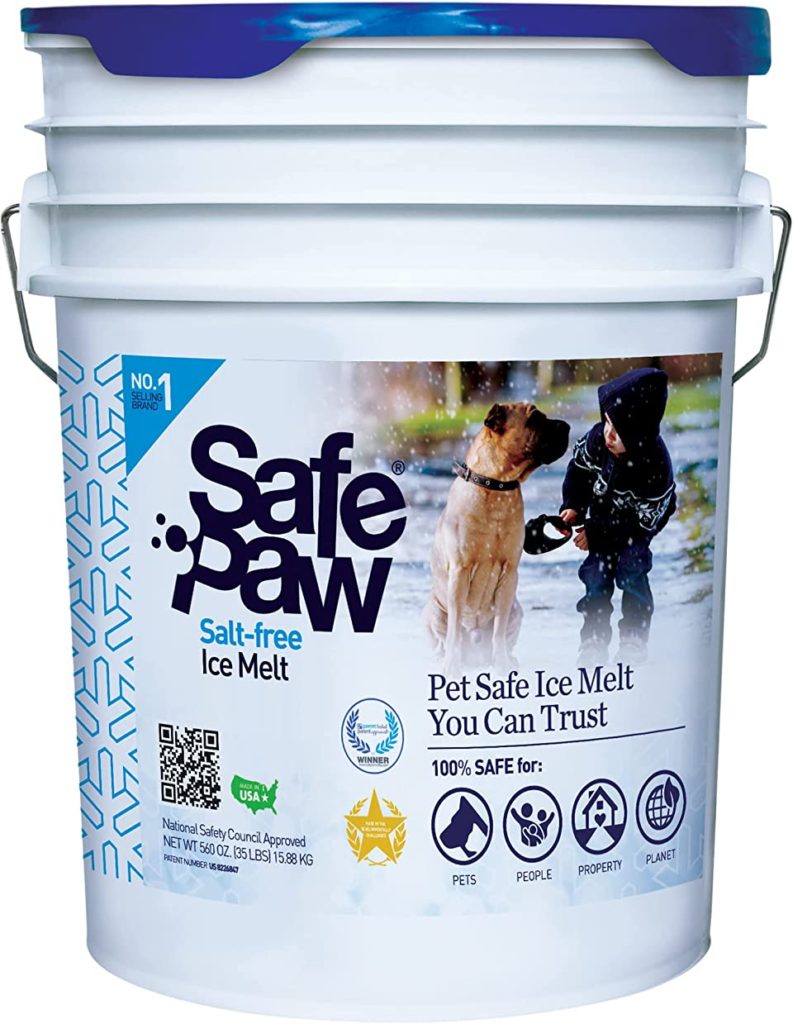
Safe Paw
The Original and the #1 Child and Pet Safe Ice Melt for over 20 years. Guaranteed environmentally safe – will not harm waterways and sensitive wetlands.
Reusing Ice Melt Residue: Benefits and Limitations
| Potential Benefit | Limitation |
| Reduces waste | Not all residues are suitable for reuse |
| May provide a practical reuse option | Ingredients must be evaluated |
| Can support certain landscaping uses | Excess amounts may affect soil |
| Reduces cleanup effort | Requires proper collection and handling |
Protect Your Lawn And Plants
An all-natural solution is best for protecting your lawn and plants from the damaging effects of sodium chloride (i.e., rock snow salt).
Safe Paw is a uniquely balanced ice melt product with dual-effect compounds that are chloride-free, salt-free, and 100% environment-friendly. Safe Paw comprises modified carbonyl diamide crystals, non-ionic surface accelerants, and special glycols with a bluish-green tinge to the pellets. They do not leave any residue after application, thus making it a safer option. In addition, since it is non-corrosive, it does not damage any decking material or concrete.
Therefore, it helps prevent damage to grass blades and other plant life.
Pet Safe Ice Melt – Safe Paw
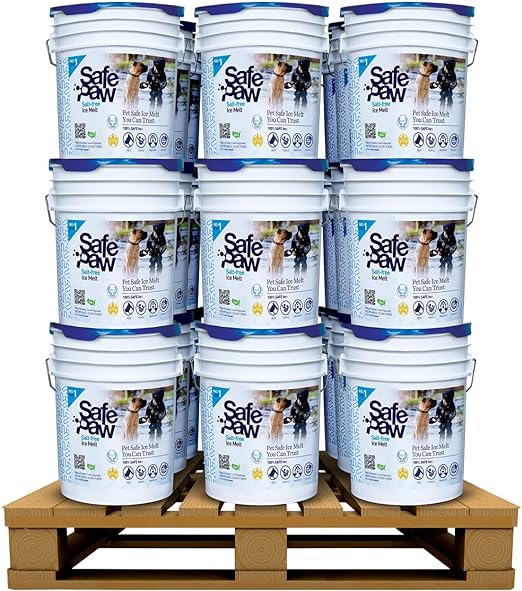
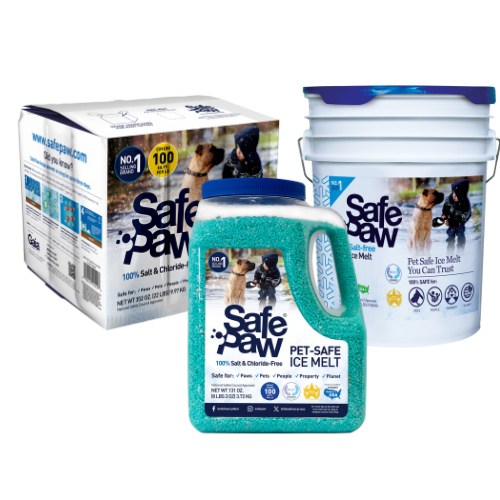
Safe Paw, Child Plant Dog Paw & Pet Safe Ice Melt -35lb, 36 Pails

Safe Paw, Child Plant Dog Paw & Pet Safe Ice Melt -22lb, 100Bboxes
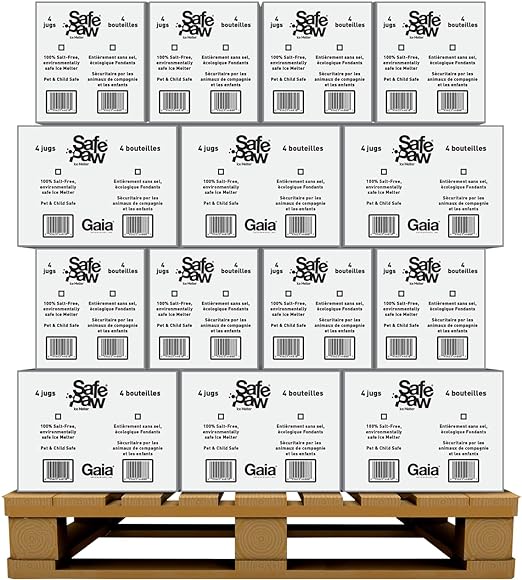
Safe Paw, Child Plant Dog Paw Pet Safe Ice Melt, 160 Jugs

Pet Products Powered By EzPz.pet

Ice Melt Residue Gardening: Do’s and Don’ts
| Do | Don’t |
| Check ingredients first | Assume all residue is plant-safe |
| Collect clean residue | Mix with unknown driveway debris |
| Use appropriate amounts | Apply concentrated piles |
| Consider plant sensitivity | Place near sensitive plants without evaluation |
| Follow product guidance | Treat all ice melts the same |
Chloride-Free Ice Melt and Residue Considerations
When evaluating whether ice melt residue can be reused around plants, consider the formulation, ingredients, and intended use. Chloride-free ice melt may be considered when reducing chloride exposure is important, but the complete formulation and application guidance should be reviewed.
Ice Melt Residue Gardening Checklist
☐ Identify the residue ingredients
☐ Check whether the material is appropriate for plants
☐ Avoid applying unknown residues to soil
☐ Keep residue away from sensitive plants
☐ Avoid excessive amounts
☐ Monitor plant response
☐ Consider runoff paths
The Ice-Melt Residue Can Be Used For Gardening.
- Use the ice melt residue as mulch. Ice melt can be used to protect plants from frost, but it also makes an excellent weed barrier.
- Use the ice melt residue as a fertilizer. The chemical composition of Safe Paw contains some elements that are essential for plant growth and development.
- If you’re using snow salt or chemical-based ice melt, you can use the residue as a weed killer. The salt in rock salt is toxic to many common weeds, though not all of them will be affected by this treatment (some weeds have developed resistance). If you don’t have time for an organic method of weed control, then this may be worth trying out on your garden beds before adding mulch or fertilizer so you can get rid of any pests that could harm your crops later!
Ice Melt Solutions That Won’t Stain
The best way to prevent ice melt stains and residue buildup is by choosing the right product from the start. Look for non-corrosive ice melt solutions that are safe for both surfaces and the environment. These products are designed to work effectively without leaving behind corrosive or harmful residues, making ice melt cleanup a much easier task.
One of the most popular alternatives is pet-friendly ice melt, which is safer for both pets and surfaces. While these products may cost a bit more upfront, the reduced damage to your property—and the added peace of mind—can make them worth the investment.
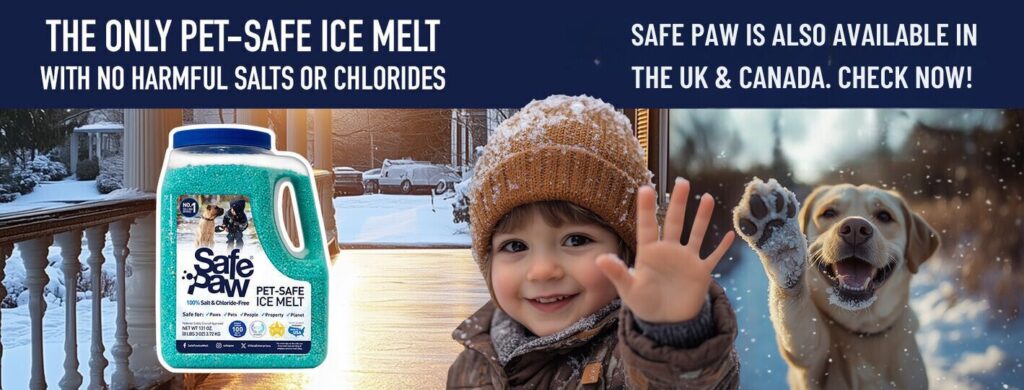
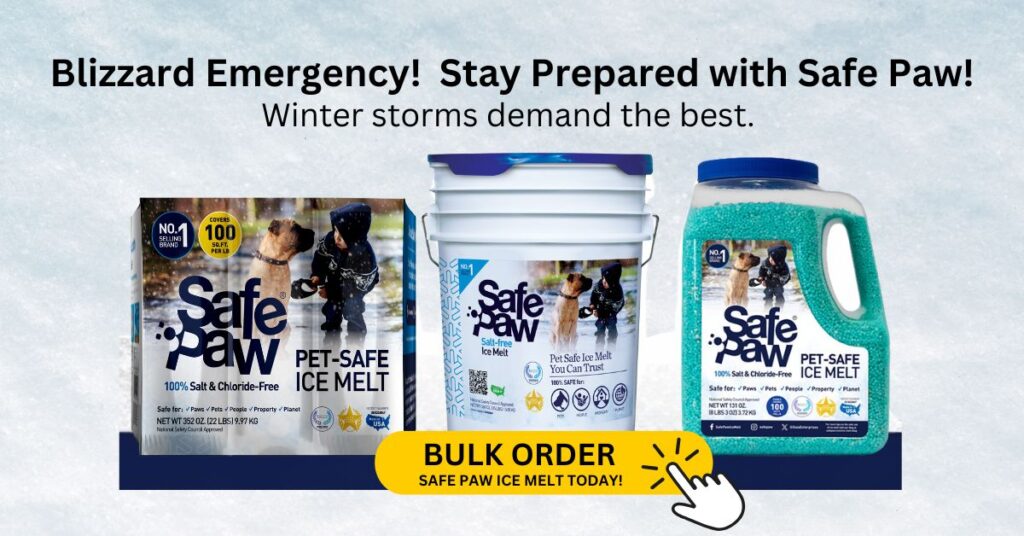
Gaia Enterprises Inc. delivers 100% pet-safe and environmentally friendly winter products. Safe Paw, our flagship product, is the #1 selling pet-safe ice melt that does not harm pets, safe if ingested, and safe on all types of concrete.
Conclusion
Ice melt residue can be used for gardening. It’s also helpful to know what kind of ice-melt chemicals you’re using and how to use them properly so they don’t damage your lawn or garden.
We hope with this article, you know which ice melt you should use near your pets and plants and how to use the residue for gardening.
Frequently Asked Questions About Ice Melt Residue and Gardening
Other Ice Melt Products
Traction Magic
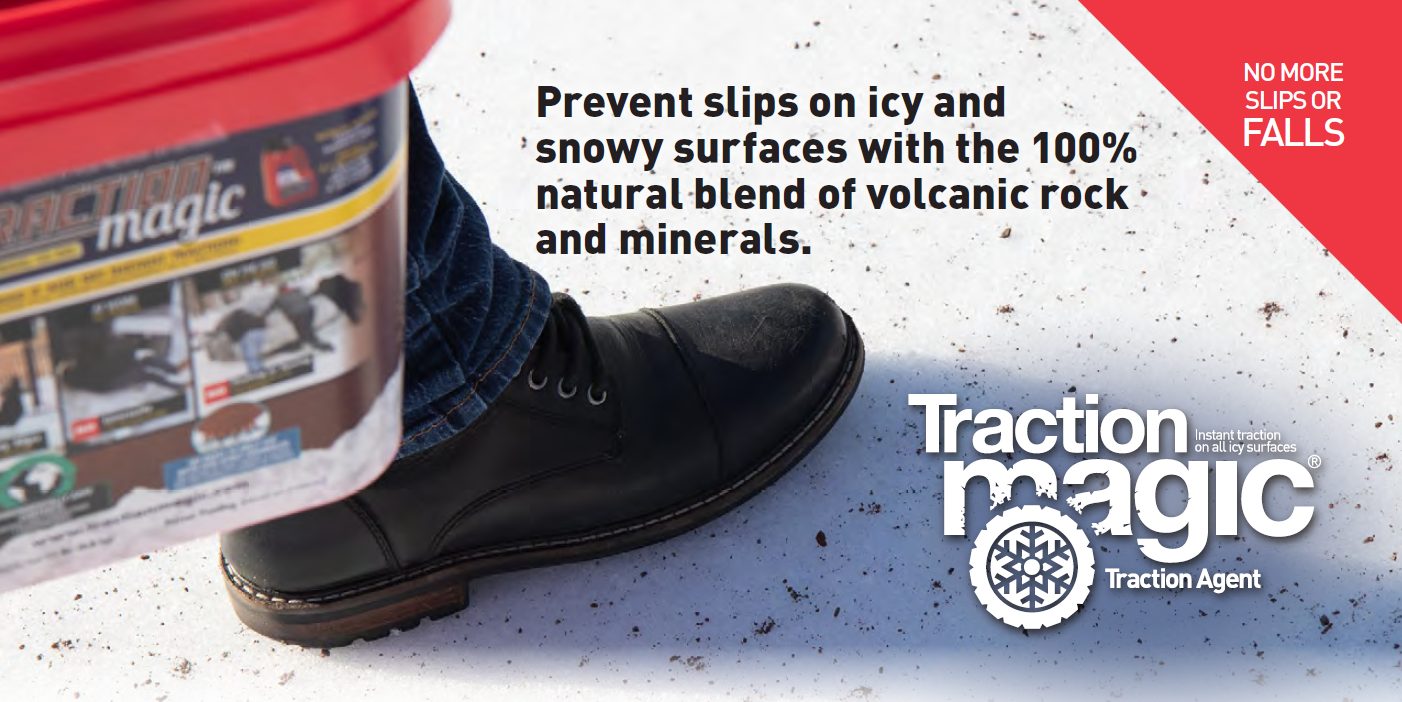
Stay safe on slippery surfaces with a product that’s 100% natural and safe for pets, people, and your property. Use Traction Magic on sidewalks, steps, or as instant traction for your car.
Safe Thaw
Imagine an ice melt you can put down and never worry about. It won’t harm pets, kids and your property. That’s Safe Thaw. Unlike anything else on the market, Safe Thaw can change how winter affects our planet.
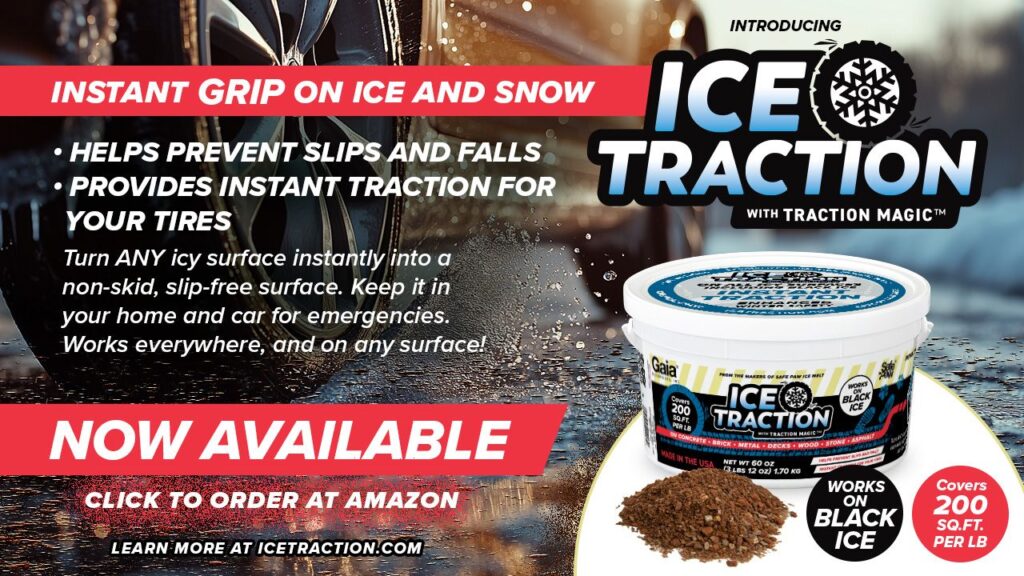
Ice Traction (with Traction Magic™)
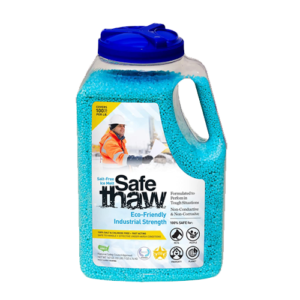
Ice Traction (with Traction Magic™) is your go-to winter solution for driveways, walkways, parking lots — and even black ice on the road. Unlike salt or ice melts, it delivers instant grip on snow and slippery surfaces with no wait time. Just spread and go.

Safe Thaw
Imagine an ice melt you can put down and never worry about. It won’t harm pets, kids and your property. That’s Safe Thaw. Unlike anything else on the market, Safe Thaw can change how winter affects our planet.
Related Articles
- No Maintenance Flower Bed Tips for a Beautiful and Safe Winter
- Prepare Your Lawn for Spring: Winter Flower Bed Maintenance Tips
- Winter Garden Preparation for Spring: Protect Your Lawn and Plants
- Top 5 Pet-Safe Weed Killers: Keeping Your Garden Safe for Furry Friends
- Pros And Cons: Using Vinegar As A Weed Killer.