



Easy-To-Make Homemade Sidewalk De-Icer Solution

Common DIY sidewalk treatments use vinegar-and-water or rubbing-alcohol-and-water mixtures, but their performance and safety vary. Rubbing alcohol can lower the freezing point of water, yet it is flammable and can be toxic to pets if swallowed. Vinegar is acidic and is not a standard high-performance pavement deicer. For thick ice, mechanically remove as much snow and ice as possible first; where melting is unnecessary, traction materials can improve grip without relying on a chemical deicer.
NIOSH identifies isopropyl alcohol as a Class IB flammable liquid with a 53°F flash point, and pet toxicology guidance warns that ingestion can cause significant poisoning. (CDC)
Ah, winter. Picture it: the sparkling icicles, the snowy landscapes, and – of course – the treacherously icy sidewalks! But fear not, for there’s always a homemade solution lurking in the corners of your pantry. Enter the “homemade sidewalk de icer.” Although making it might sound like child’s play (and in many ways, it is), there are pitfalls to watch out for. So, buckle up, dear reader, and let’s embark on this frosty journey.
Key Takeaways
- Rubbing alcohol is not automatically pet-safe: Isopropyl alcohol can be harmful to pets if ingested or improperly used, so it should not be described as a pet-safe ice-melting solution without supporting evidence.
- Pure isopropyl alcohol vs. diluted mixtures: NIOSH’s −127°F freezing point applies to pure isopropyl alcohol, not to a diluted DIY mixture. The freezing point and effectiveness of the final mixture depend on its actual concentration.
- Vinegar has limitations: Vinegar is acidic and has limited evidence supporting its effectiveness as a pavement deicer. It should not be presented as a proven ice-melting solution.
- Dish soap is not the primary melting ingredient: Dish soap may influence wetting and spreading, but without evidence it should not be presented as the ingredient responsible for melting ice.
- Traction materials provide grip, not melting: Sand, grit, and similar traction materials can improve footing on icy surfaces but do not melt the ice.
- New concrete requires extra caution: Newly installed concrete is generally more vulnerable to deicing-related damage than mature, properly cured concrete. Use deicing products only when appropriate for the concrete’s age and condition.
- Avoid overclaiming DIY mixtures: The performance, safety, and surface compatibility of homemade deicer mixtures can vary, so claims should be supported by reliable evidence and appropriate product or surface guidance.
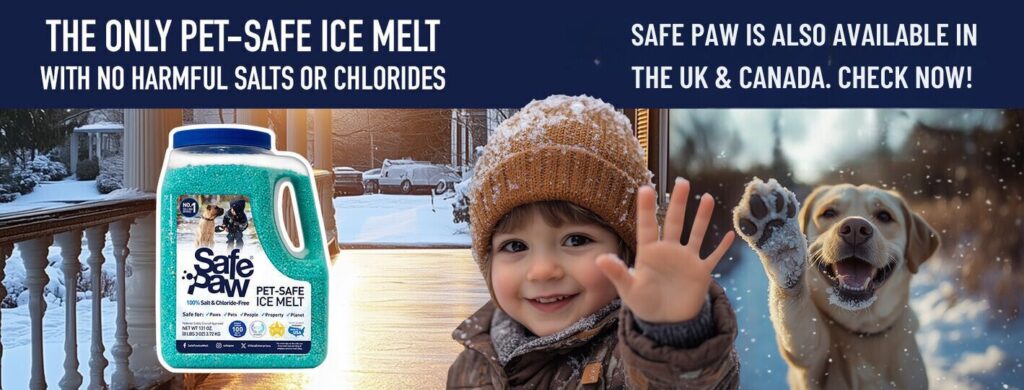
Pet Safe Ice Melt
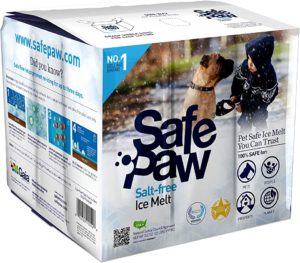
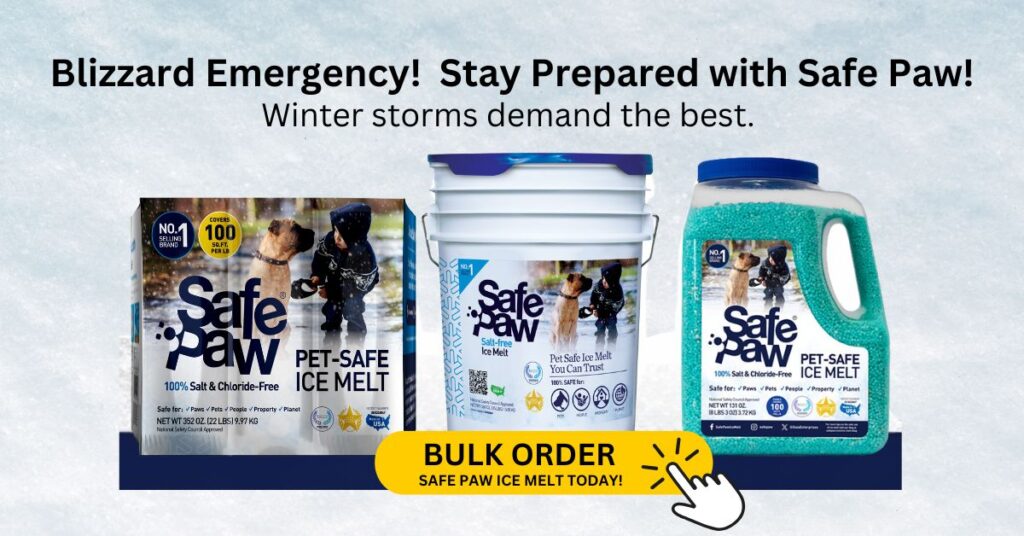
Pet Friendly Ice Melt – Safe Paw!
The Original and the #1 Child and Pet Safe Ice Melt for over 20 years. Guaranteed environmentally safe – will not harm waterways and sensitive wetlands.
Why Go Homemade?
Before diving into the recipes, it’s pivotal to understand the why of the matter. Why homemade sidewalk de icer? Cost-effectiveness and readily available ingredients are two biggies. No need to make that extra run to the store. Got it? Good. But while DIY has its charm, does it always mean it’s the best? Mmm… read on.
Three Homemade Sidewalk Deicer Methods Explained
Vinegar and Water
Vinegar is an aqueous acetic-acid solution rather than a standard roadway deicer. It may change the freezing behavior of a water mixture, but its performance should not be presented as equivalent to purpose-designed deicers. Repeated acidic exposure can also be relevant to concrete and nearby vegetation.
Pure acetic acid actually has a melting point around 16.6°C/62°F, which is another reason not to explain vinegar deicing simply by saying “acetic acid has a very low freezing point.” (NIST WebBook)
Rubbing Alcohol and Water
Rubbing alcohol can depress the freezing point of a water mixture, but the result depends on alcohol concentration. The -127°F figure commonly cited for isopropyl alcohol refers to pure isopropanol and should not be used as the working temperature of this diluted sidewalk mixture.
Dish Soap + Rubbing Alcohol + Water
In this mixture, rubbing alcohol is the component with an established freezing-point-depressing effect. Dish soap may help wet or spread a liquid, but I would not describe dish soap itself as an ice-melting chemical without supporting pavement-deicing evidence..
Homemade Sidewalk Deicer Recipes: Pros and Cons Comparison
| DIY Sidewalk Method | Potential Advantage | Important Limitation |
| Vinegar + water | Inexpensive household ingredients | Acidic; limited evidence as a strong pavement deicer |
| Rubbing alcohol + water | Can depress freezing temperature | Flammable; pet-ingestion risk; performance is concentration-dependent |
| Dish soap + alcohol + water | Easy to mix and spread | Alcohol remains the main freezing-point depressant; soap residue can require cleanup |
| Mechanical removal | No chemical residue | Requires labor/equipment |
| Sand or grit | Immediate traction | Does not chemically melt ice |
| Chloride-free formulated deicer | Avoids chloride salts | Performance depends on the specific formulation |
FHWA distinguishes chemical deicers from traction materials such as abrasives, while Poison Control likewise categorizes sand and gravel as traction rather than melting products. (EPA NEPIS)
Homemade Sidewalk Deicer vs Ice Melt and Traction Methods
| Winter Method | Melts Ice? | Main Safety Consideration | Best Use |
| Vinegar DIY solution | Limited / variable | Acidic exposure | Small experimental areas |
| Alcohol DIY solution | Can depress freezing point | Flammable; ingestion risk | Limited targeted use |
| Rock salt | Yes | Chloride, paw and runoff exposure | Conventional deicing |
| Sand / grit | No | Sediment/cleanup | Immediate traction |
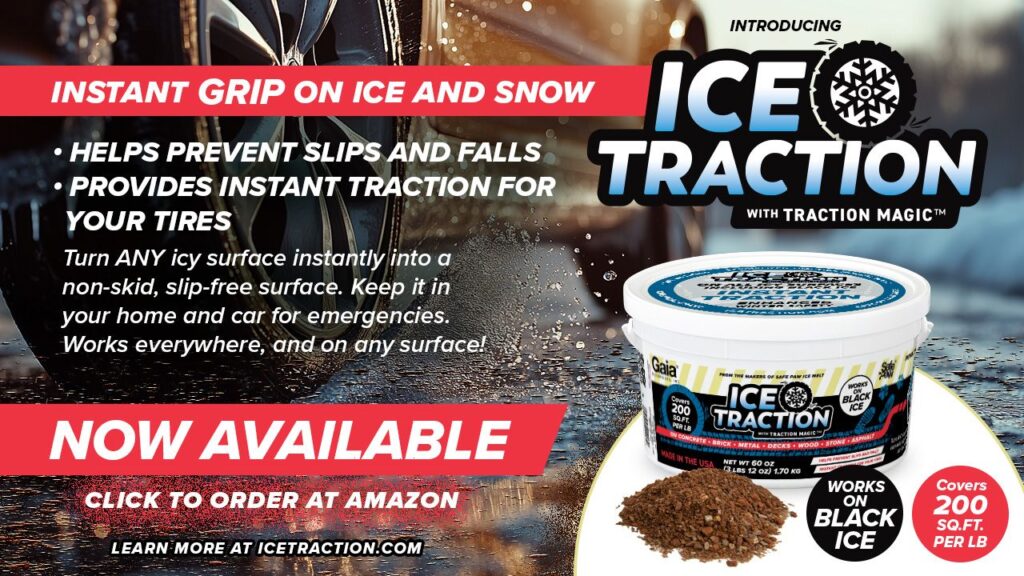
| Ice Traction | No | Follow current product directions | Immediate grip |
| Walk On Ice | No | Follow current product directions | Residential traction |
| Chloride-free ice melt | Yes | Depends on full formulation | Areas where chloride reduction is desired |
EPA documents the environmental trade-offs of conventional salt, while ASPCA discusses paw irritation and ingestion risks with deicing salts. (US EPA)
Which Sidewalk Ice-Control Method Fits Your Situation?
For thick snow, recommend mechanical removal first. For immediate slip reduction, discuss traction. For users specifically avoiding chloride salts, direct them to verified chloride-free formulations. For pet-used walkways, emphasize residue exposure and paw cleaning. For concrete under 12 months old, keep the current traction/mechanical-removal guidance rather than recommending a liquid DIY mixture.
The Not-So-Sunny Side Of Diy De-Icers
Whoa there! Before you mix and match everything in your kitchen cabinet, let’s talk downsides:
- Environmental Concerns: Did you know that vinegar can alter soil pH? Yep. And that means harm to plants and grass. A bummer, isn’t it?
- Surface Damage: Continual use of homemade concoctions might not be your driveway’s best friend. They can weaken the concrete over time. Ouch.
- Residue and Mess: DIY solutions can often leave a messy residue. And honestly, who wants to deal with a slippery, soapy driveway?
- Questionable Efficacy: Sometimes, nature’s fury is too wild. The ice too thick. And the homemade remedy? Well, it can’t always keep up.
- Pet and People Peril: If your fur baby decides the icy patch you just treated is their next snack, some ingredients might not sit well in their belly.
Pet Safe Ice Melt – Safe Paw
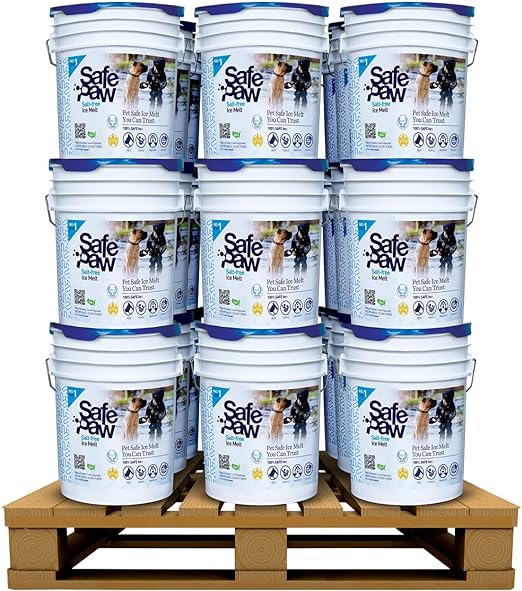
Safe Paw, Child Plant Dog Paw & Pet Safe Ice Melt -35lb, 36 Pails

Safe Paw, Child Plant Dog Paw & Pet Safe Ice Melt -22lb, 100Bboxes
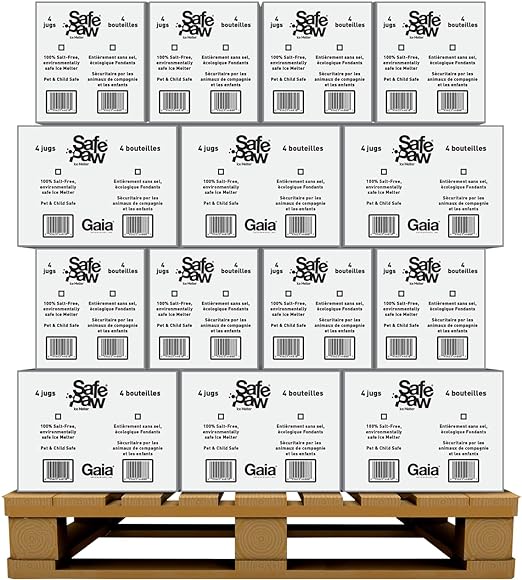
Safe Paw, Child Plant Dog Paw Pet Safe Ice Melt, 160 Jugs

Pet Products Powered By EzPz.pet
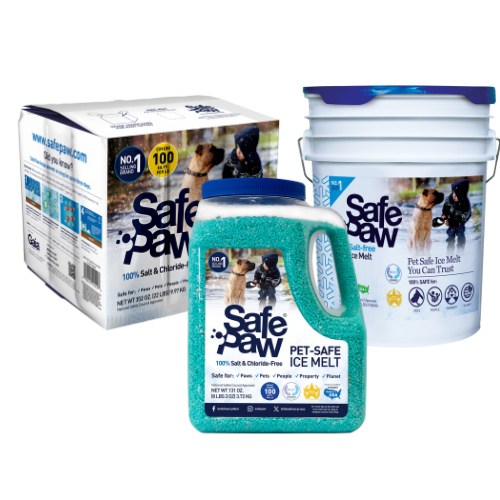

Safe Paw: The Ice Melt Maestro
Ever heard of Safe Paw? If not, let today be your enlightening day! It’s like the superhero of ice melts. Here’s the deal:
- PEOPLE & PET SAFE: No toxins? Check. Safe for furry paws and tiny human hands? Double-check.
- LOW-TEMP MELTING: At a chilly -2°F, this granular wonder is still out there, battling the icy foes.
- NON-CORROSIVE: Say goodbye to damaged surfaces and hello to a product that’s gentle on your property.
- EXCELLENT SPREAD RATE: A little goes a long way. Frugality meets function.
- LONG SHELF LIFE: Stock up and sit tight. Safe Paw has got your winters covered for years to come.
Gaia Enterprises Inc. delivers 100% pet-safe and environmentally friendly winter products. Safe Paw, our flagship product, is the #1 selling pet-safe ice melt that does not harm pets, safe if ingested, and safe on all types of concrete.
To DIY Or Not To DIY, That Is The Question
Homemade recipes have their charm. It feels good, whipping up a potion and watching ice melt away. But is it the most effective or safe method? Maybe not. And while the appeal of “homemade sidewalk deicer” or “DIY deicer” may initially draw you in, perhaps it’s worth considering a solution like Safe Paw. Not only will it be easier, but it’s designed to do the job right, without the messy side effects or dangers. Your sidewalk, pets, and peace of mind will thank you.
Frequently Asked Questions About Homemade Sidewalk Deicer
Other Ice Melt Products
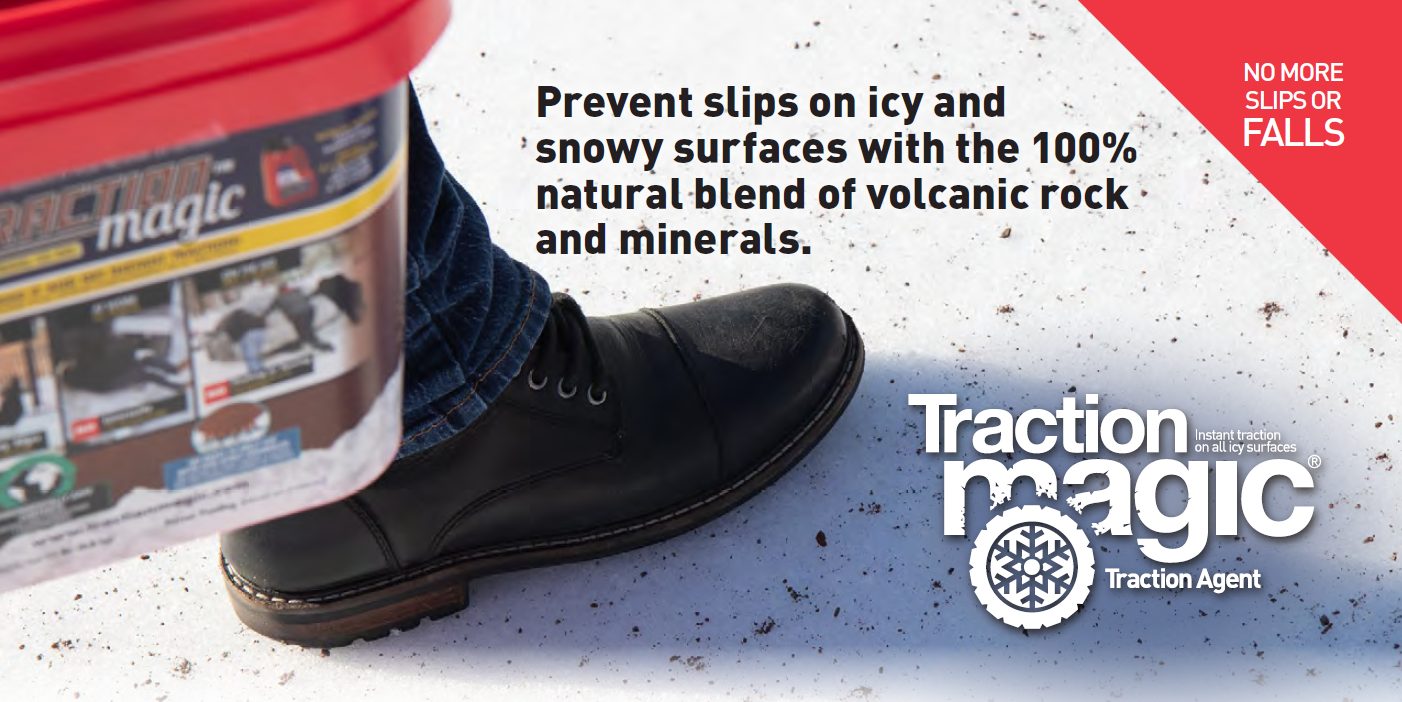
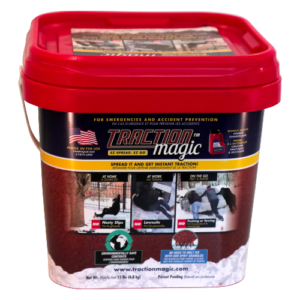
Traction Magic
Stay safe on slippery surfaces with a product that’s 100% natural and safe for pets, people, and your property. Use Traction Magic on sidewalks, steps, or as instant traction for your car.
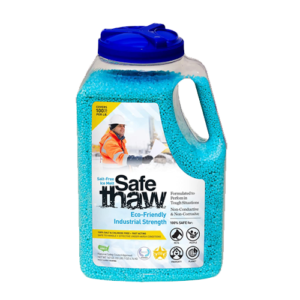
Safe Thaw
Imagine an ice melt you can put down and never worry about. It won’t harm pets, kids and your property. That’s Safe Thaw. Unlike anything else on the market, Safe Thaw can change how winter affects our planet.
Ice Traction (with Traction Magic™)
Ice Traction (with Traction Magic™) is your go-to winter solution for driveways, walkways, parking lots — and even black ice on the road. Unlike salt or ice melts, it delivers instant grip on snow and slippery surfaces with no wait time. Just spread and go.

Safe Thaw
Imagine an ice melt you can put down and never worry about. It won’t harm pets, kids and your property. That’s Safe Thaw. Unlike anything else on the market, Safe Thaw can change how winter affects our planet.
Related Articles
- Homemade Ice Melt Safe For Pets And Concrete
- Best Home Made Ice Melt for Driveways | Safe DIY Deicers
- Homemade Ice Melt with Salt and Vinegar: Easy DIY De-Icing Solutions
- 7 Vital Tips For Walking On Ice Safely And Avoiding Injuries
- Making Your Own Sidewalk De-Icer Vs. Using Safe Paw: A Comparative Study