



5 Tips To Store Your Ice Melt Bags Safely
How should ice melt be stored?
Store ice melt in its original, clearly labeled package and close the package tightly after each use. Place opened bags inside a lidded, moisture-resistant container in a cool, dry location. Keep the product elevated above damp floors, use only clean and dry scoops, avoid mixing different products, and restrict access by children and animals. Before reusing stored ice melt, check the packaging and granules for moisture, contamination, or damage.
Key Takeaways: How to Store Ice Melt
- Keep ice melt dry; moisture is a common cause of clumping and package deterioration.
- Preserve the original label and storage instructions.
- Close opened bags tightly and place them in a lidded secondary container.
- Store bags on a shelf or raised platform rather than directly on a potentially damp floor.
- Use a clean, dry scoop and never mix leftover products.
- Inspect stored ice melt before the next season because shelf life varies by formulation and storage conditions.
In low-temperature areas, ice accumulation during the winter season is a general problem, resulting in accidents all through the season. To tackle it people make use of ice melts or deicer for maintaining traction on ice that is highly important for slippery surfaces. As with any other product, ice melt’s optimal functioning and efficiency in melting ice would depend on how you store and use the product over a slick surface. Thus, such that your ice melt gives cent percent and long-term deicing results, you need to store it properly during periods when it is not in use or its use is not essential. Also, proper storage of ice melt would result in cost savings for you.
Why Proper Storage of Your Pet Safe Ice Melt Matters
Wondering how to store ice melt effectively through off-seasons? You’re not alone. Here’s how you can ensure your ice melt remains potent and ready for when winter returns.
Why Moisture Matters in Ice Melt Storage
Some granular ice-melt ingredients can absorb moisture from the surrounding air. Moisture may cause clumping, make the product more difficult to spread, damage paper packaging, or create leaks. The degree of moisture sensitivity depends on the formulation, so the package label and current product documentation should remain the primary storage references.
How to Inspect Stored Ice Melt Before Reuse
Check the bag or container for tears, water marks, leaks, missing labels, foreign material, and severe clumping. Dry, uncontaminated granules may remain usable when the applicable product instructions allow it. If the contents are wet, unlabeled, mixed with another material, or otherwise uncertain, do not assume that normal performance has been preserved.
Humidity and Sunlight: How to Store Ice Melt Safely at Home and Avoid Moisture
- Humidity – Let’s talk about humidity. It’s arguably the biggest threat to your ice melt’s shelf life. If you’re storing your ice melt in a place like a shed or garage, consider using a dehumidifier during damp seasons. Why? Because storing ice melt safely means keeping it dry. Humidity can turn your efficient ice melt into a solid block, unusable and frustrating when you most need it. Humidity of the place or the room where the ice melt is stored should be a prime consideration as it may cause the ice melt to perform marginally and hamper its effectiveness in melting ice.
- Sunlight – And sunlight? Keep it away from your ice melt. UV rays can break down the chemicals in ice melt, diminishing its melting capabilities. If your storage area has windows, think about using curtains or placing the ice melt in an opaque container to shield it from light exposure. Likewise, sunlight can also be eroding the efficiency of your ice melt. Being a chemical, any external treatment or input such as heat or/and water causes the ice melt to react, and the problem with such a reaction is that the ice melt then functions with less efficacy when applied over a slick surface in the next winter season.
Worth mentioning, proper ice melt storage will be primarily dependent on the composition of the product.
5 Ice Melt Storage Tips for Keeping Bags Dry
1. Retain the Original Package and Label
Keep unopened ice melt in its intact original package. The label identifies the contents and provides product-specific handling and storage information.
2. Reseal Opened Bags
Remove excess air where practical, fold or close the opening securely, and use a closure appropriate for the package. Place the resealed bag inside a compatible lidded container for additional moisture protection.
3. Choose a Cool, Dry, Elevated Location
Store the container away from leaks, standing water, condensation, and direct weather exposure. Use a shelf, rack, or raised platform if the floor may become damp.
4. Use Clean, Dry Handling Tools
Keep the scoop free of water, dirt, and residue from other materials. Close the package promptly after measuring the amount needed.
5. Inspect and Rotate Seasonal Stock
Mark the date opened, place older usable stock where it will be selected first, and inspect all stored material before the next winter season.
Selecting a Concrete Safe Ice Melt with a Long Shelf Life
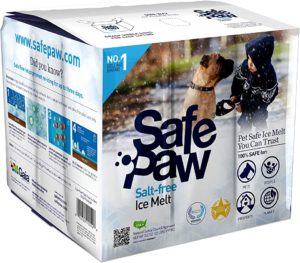
Pet Friendly Ice Melt – Safe Paw!
The Original and the #1 Child and Pet Safe Ice Melt for over 20 years. Guaranteed environmentally safe – will not harm waterways and sensitive wetlands.
Ice Melt Storage Containers: Advantages and Limitations
| Storage method | Advantages | Limitations |
| Intact original bag | Preserves the label and requires no transfer | May be vulnerable if the outer packaging becomes wet or torn |
| Resealed bag inside a lidded bin | Preserves identification while adding moisture and impact protection | Requires enough space for the complete bag |
| Original pail with a tightly closed lid | Easy to reopen and close when the lid remains undamaged | A loose or damaged lid can allow moisture entry |
| Unlabeled secondary container | May appear convenient | Loses identification and product-specific instructions; not recommended |
| Open bag without secondary protection | Quick access | Greater exposure to humidity, spills, contamination, and package damage |
Ice Melt Storage Warnings and Limitations
- Do not store ice melt in an open bag or in a location exposed to rain, snow, leaks, or standing water.
- Do not transfer it into a food, beverage, or other easily confused container.
- Do not remove or discard the original label.
- Do not mix different ice-melt formulations or combine unknown leftovers.
- Do not return wet or contaminated granules to the main container.
- Do not use a damp scoop.
- Do not assume that every clumped product is unusable—or that every stored product remains effective indefinitely.
- Storage temperature, container compatibility, and shelf life can vary by formulation. Follow the instructions for the specific product.
5 Best Ways to Store Safe Paw Pet Safe Ice Melt Bags to Keep Them Dry and Effective
1. Best storage practice for unopened ice melt product at the season end:
Supposing you have an unopened ice melt bag at the season end, you may keep or store it as it is. Nevertheless, we advise you to cover the product with a dark wrap to offer an extra layer of protection from moisture. The dark wrap will also prevent the ice melt from turning brittle due to exposure to ultra-violet or UV rays.
2. Storage tip for open ice melt bags:
When you have opened ice melt bags, ensure that you store the same in air-tight containers and away from air, moisture and sunlight. Note you need to fully seal ice melt bags, as, on exposure, they will draw moisture from the air, leading it to harden and degrade in quality. Ice melters with compositions such as magnesium chloride and calcium chloride are hygroscopic and tend to draw moisture from the air.
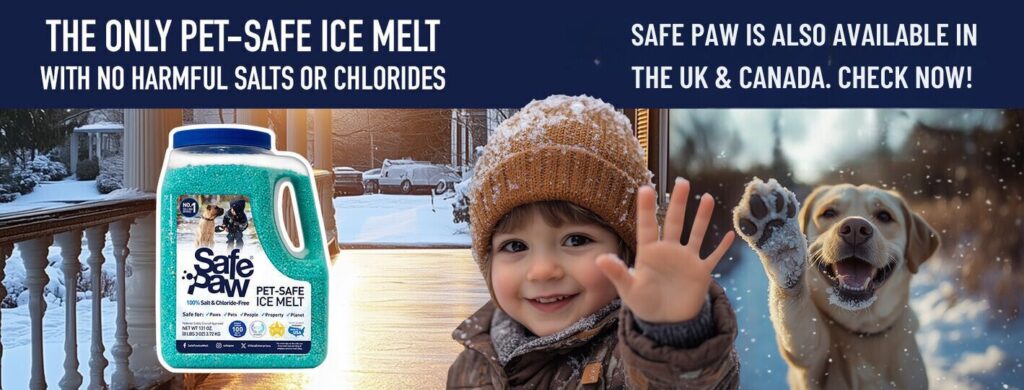
Safe Paw ice melt on the other hand ensures that you need not make an extra effort in storing the open ice melt bags with its Safe Paw ice melter 35 lbs pail packaging. This is because Safe Paw features an extra layer that checks its reaction with any external element, including air, moisture, and sunlight for that matter. Moreover, Safe Paw ice melt offers a safe way of providing traction on ice in the ice caped regions, enabling mobility in such areas.
3. The appropriate place for storing ice melt:
A controlled environment such as a garage, shed, or basement will be the most appropriate place for storing the ice melt. Some ice melts are packaged or sealed in UV and water-resistant packaging to ensure that they remain safe-guarded against these natural elements.
4. Rule of thumb when storing ice melt:
Ice melt should be kept or preserved in air-tight containers in a humidity-controlled environment and away from sunlight, air and moisture.
5. Choose top quality ice melt product for longer shelf life:
Your optimal storage condition for ice melt will work only if the product is of at least good quality. So, go for better quality ice melt products such that your ice melt does not become damaged during the off-season months.
Good vs. Poor Ice Melt Storage Conditions
| Storage factor | Better condition | Condition to avoid | Why it matters |
| Package | Original package, tightly closed | Open, torn, or unlabeled package | Preserves identification and reduces exposure |
| Moisture | Dry shelf or cabinet | Leak-prone or humid area | Moisture can cause clumping and package damage |
| Floor position | Elevated on a shelf or platform | Directly on a damp floor | Reduces contact with water and condensation |
| Secondary protection | Compatible lidded bin | Open cardboard box | Provides added moisture and impact protection |
| Handling tools | Clean, dry, dedicated scoop | Wet or contaminated scoop | Helps prevent moisture and foreign material entering the package |
| Inventory | Dated, labeled, inspected | Unidentified leftover material | Improves traceability and seasonal rotation |
| Access | Controlled storage location | Freely accessible location | Reduces accidental contact or misuse |
Best Ice Melt Storage Setup by Situation
| Situation | Best-fit setup | Important condition |
| Unopened seasonal bag | Intact original bag on an elevated dry shelf | Inspect the outer package periodically |
| Opened household bag | Tightly closed original bag inside a lidded bin | Preserve the complete label |
| Original pail | Original pail with the lid pressed fully closed | Inspect the lid and rim for damage |
| Damp garage | Lidded secondary container on a raised shelf | Keep away from leaks and condensation |
| Facility inventory | Labeled, segregated stock with opening dates | Use older suitable stock first |
| Small amount remaining | Original labeled package inside a compact lidded container | Do not move it into an unlabeled household container |
Ice Melt Storage for Winter Supplies: Setting Up the Ideal Temperature
First things first: keeping your ice melt in a controlled environment is key. What does this mean? Essentially, avoid extreme temperature fluctuations. Ice melt doesn’t like it too hot or too cold; it thrives in moderate temperatures. Why? Extreme cold can cause some types of ice melt to harden, while excessive heat can trigger it to clump or even degrade. A basement or a shaded part of your garage might just be the perfect spot.
Containers Matter: Choose Wisely
Now, onto containers. The best containers for ice melt? They need to be airtight. This is not just a suggestion—it’s a must if your ice melt bag has been opened. If left exposed, ice melt can absorb moisture from the air, leading to clumping and a reduction in effectiveness. Plastic bins with tight lids or dedicated storage pails are ideal choices. Just scoop your ice melt into these containers and seal them up tight. It’s that simple, but it makes a huge difference.
Consistent Checks: Stay Ahead of the Game
Regular checks are also a good idea. Every few months, inspect your storage area and containers for any signs of damage or exposure. Catching issues early can save you a lot of hassle and ensure your ice melt is effective when winter rolls around again.
Incorporating these storage tips will not only extend the life of your ice melt but also maximize its performance during the cold months. It’s all about understanding and controlling the environment around your ice melt to keep it in peak condition. Simple steps, big payoff—ensure your walkways and driveways remain safe every winter without the last-minute rush to buy new ice melt.
All-Season Tips for Storing Ice Melt:
- Invest in Storage Containers: Use storage containers designed for ice melt to keep it dry and easily accessible.
- Label and Rotate: Label your ice melt containers with purchase dates and rotate them to use older stock first.
- Keep Away from Moisture: Avoid storing ice melt near water sources or in damp areas to prevent clumping.
- Regular Inspections: Periodically inspect stored ice melt for signs of moisture or clumping, and reseal containers as needed.
- Choose Safe Products: Opt for ice melt products like Safe Paw that are safe for pets, surfaces, and the environment.
Keep Ice Melt Bags Dry and Safe: Best Practices for Magnesium Chloride and Salt-Free Melts
Here’s the key to moving from a seasonal rookie to a winter-ready pro: know your products and store them like they’re worth their weight in safety—which they are. If you’re using potassium chloride ice melt, remember that it can be aggressive on concrete and vegetation if misapplied. That’s why a non corrosive ice melt like Safe Paw offers superior benefits—no chloride, no damage, and no risk to pets or plants.
Storage-wise, always keep your ice melt sealed, in shaded areas, and away from damp corners. Even the best non corrosive ice melt can degrade in quality if left in humid or sunlit environments. The packaging matters too. If it didn’t come in a protective pail, upgrade to one. Avoiding UV exposure extends the product’s life, and so does rotating your stock regularly.
Let’s not forget, climate matters. If you’ve ever wondered what degree does it have to be to snow, keep this in mind: snow can sneak in above freezing when upper atmosphere temps are low enough. This means early winter preparedness is crucial. Don’t stash your melt in the back corner of the shed—make it part of your seasonal setup, and inspect it often.
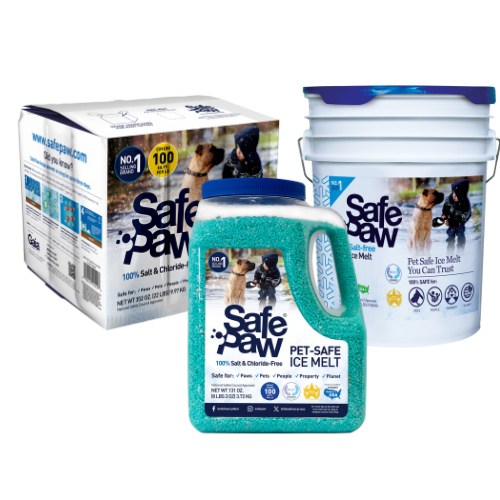
Pet Safe Ice Melt – Safe Paw
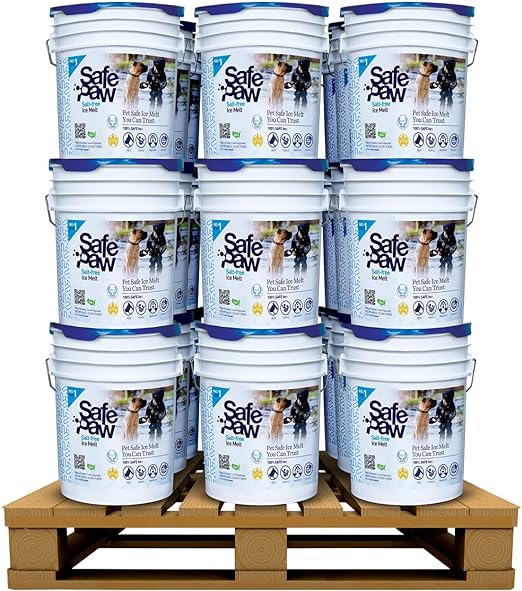
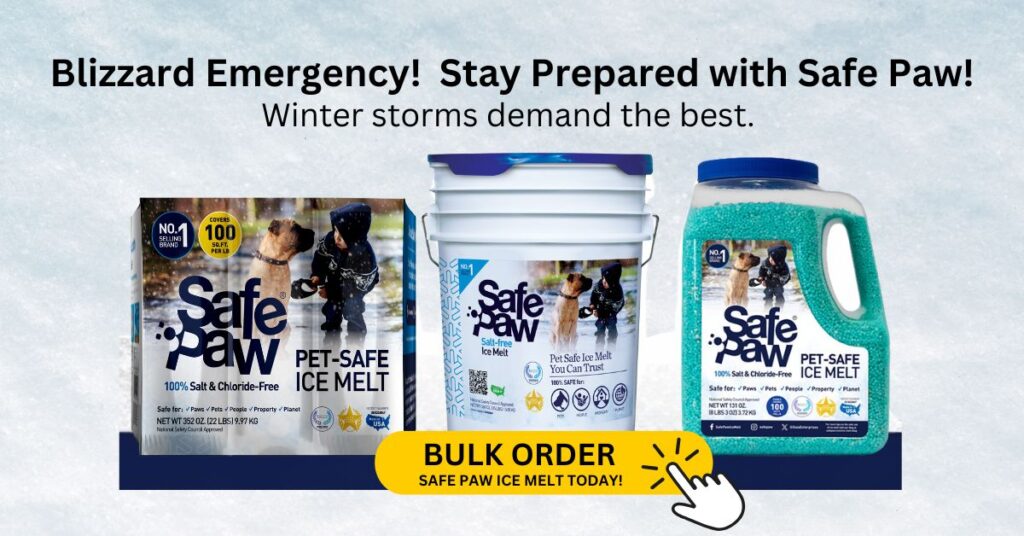
Safe Paw, Child Plant Dog Paw & Pet Safe Ice Melt -35lb, 36 Pails

Safe Paw, Child Plant Dog Paw & Pet Safe Ice Melt -22lb, 100Bboxes
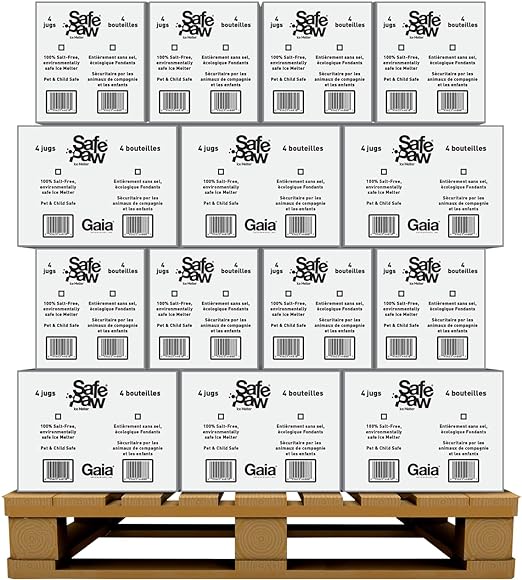
Safe Paw, Child Plant Dog Paw Pet Safe Ice Melt, 160 Jugs

Pet Products Powered By EzPz.pet

Conclusion: Mastering Your Ice Melt Storage Pet Safe Routine
Whether you’re a self-proclaimed snow bunny or just someone prepping for the next big freeze, storing your ice melt the right way is non-negotiable. Knowing the pitfalls of potassium chloride ice melt, choosing non corrosive ice melt options, and staying alert to temperature changes like what degree does it have to be to snow will keep you ahead of icy dangers. And while snow bunny slang might sound lighthearted, your approach to ice melt storage shouldn’t be. Invest in airtight containers, manage humidity, and opt for pet-safe products like Safe Paw. These small actions ensure big peace of mind when winter hits hard.
Gaia Enterprises Inc. delivers 100% pet-safe and environmentally friendly winter products. Safe Paw, our flagship product, is the #1 selling pet-safe ice melt that does not harm pets, safe if ingested, and safe on all types of concrete.
FAQ: Frequently Asked Questions About Ice Melt Bag Storage Tips
Other Ice Melt Products
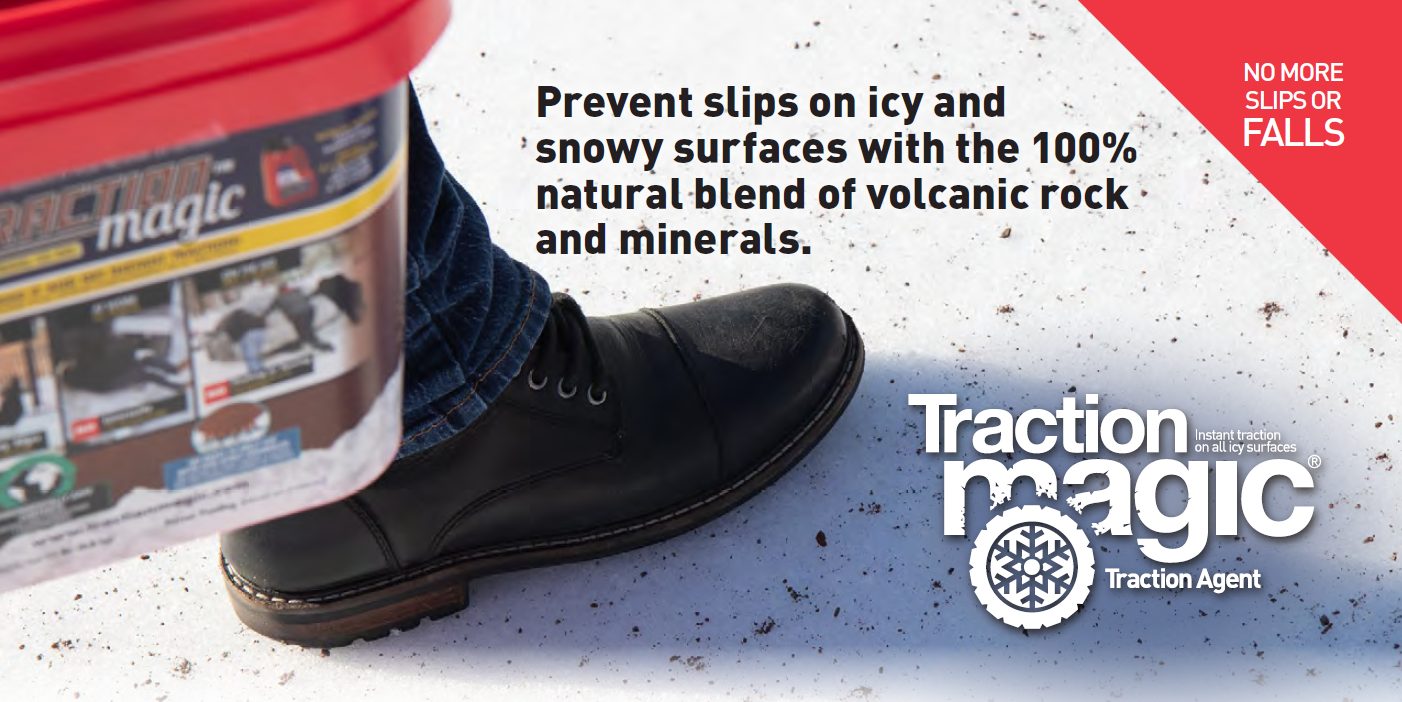
Traction Magic
Stay safe on slippery surfaces with a product that’s 100% natural and safe for pets, people, and your property. Use Traction Magic on sidewalks, steps, or as instant traction for your car.
Safe Thaw
Imagine an ice melt you can put down and never worry about. It won’t harm pets, kids and your property. That’s Safe Thaw. Unlike anything else on the market, Safe Thaw can change how winter affects our planet.
Ice Traction (with Traction Magic™)
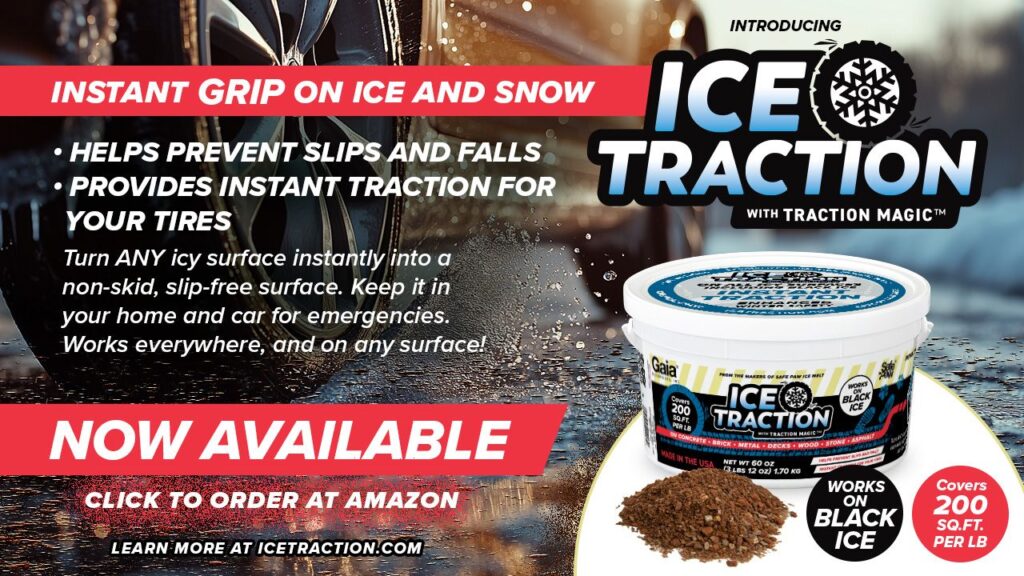
Ice Traction (with Traction Magic™) is your go-to winter solution for driveways, walkways, parking lots — and even black ice on the road. Unlike salt or ice melts, it delivers instant grip on snow and slippery surfaces with no wait time. Just spread and go.

Safe Thaw
Imagine an ice melt you can put down and never worry about. It won’t harm pets, kids and your property. That’s Safe Thaw. Unlike anything else on the market, Safe Thaw can change how winter affects our planet.
Related Articles
- Parking Your Car Outside in Cold Weather: Risks and Precautions
- Top 5 Bags For Ice Storage: Keeping Your Winter Supplies Dry And Accessible
- Is Safepaw Ok For Car Tires?
- Where to Buy Ice Melt Near Me: Finding the Safest Products For Your Home