


Who Left The Gate Open? The Unexpected Winter Danger That Causes Pet Escapes

The holidays are here, the weather is turning icy, and the last thing on your mind is your dog running away. Escapes, you think, are a summertime thing—when doors are left open and fence posts rot.
But professional trainers and emergency veterinarians agree: Winter is actually one of the riskiest times for a pet to bolt.
The danger isn’t an unlatched gate; it’s a series of subtle, seasonal changes that combine to make your secure home feel chaotic and threatening to your pet. If you’ve ever had that sudden, icy wave of panic when the door didn’t quite latch during a cold blast, this article is your “oh, I need to fix that right now!” moment.
Let’s look at the unexpected winter dangers that cause escapes and what you can do immediately to secure your home.
The Unexpected Trigger: Sensory Overload and Chaos
Winter brings two elements that fundamentally change your home environment: extreme weather and holiday chaos. Both are powerful escape motivators.
1. The Holiday Stressors: Noise
You love the sudden influx of visiting family, the doorbell constantly ringing, and the loud cheer of football games. Your pet, however, experiences this as a disruptive sensory assault.
- The Problem: Anxious dogs (and cats!) are prone to bolting when frightened or overwhelmed. A slam of a door, an uncle’s booming laugh, or a sudden burst of music can trigger a fight-or-flight response. Flight often means a dash for the nearest exit, regardless of the cold.
- The Solution: Create a safe, quiet zone—a bedroom or crate—away from the main chaos, especially during large gatherings.
Veterinary behaviorists note that acute increases in household noise and traffic, common during the holiday season, are significant triggers for escape-related panic and subsequent pet loss.
2. Snow and Ice Build-up
This is the physical danger that often gets overlooked.
- The Problem: Snow and ice prevent doors and gates from fully closing and latching. That garage door you assume is secure? A buildup of ice at the threshold can hold the door slightly ajar, creating a gap just large enough for a determined dog to nose their way out. The same applies to back gates that swell or seize up with freezing water.
- The Action: Physically check every exterior exit after a deep freeze or snow event to ensure the latch mechanism engages fully. Never assume a frozen door is a closed door.
Pet-Friendly Ice Melt
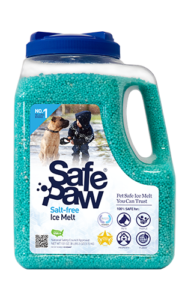
Pet Safe Ice Melt – Safe Paw
The Original and the #1 Pet and Child Safe Ice Melt for over 20 years. Guaranteed environmentally safe – will not harm waterways and sensitive wetlands.
The Behavioral Shift: Curiosity and Hyperosmia
Your pet’s nose is highly active in winter, and new scents are a powerful lure that overrides training.
3. The Salt and Scent Trails
- The Problem: The salt and chemicals used to treat roads and sidewalks leave powerful, novel scents that dogs are desperate to investigate. Plus, cold weather actually increases a dog’s sniffing activity (hyperosmia) as they work harder to capture scent molecules in the cold air.
- The Danger: Your dog’s curiosity about a new, interesting scent trail on the driveway or sidewalk can cause them to pull harder, slip out of a collar, or dart out of an open door to follow the smell.
- Action: Ensure your pet is always wearing a secure harness, not just a collar, when venturing outside, as harnesses are much harder to slip out of under sudden tension.
Studies on canine olfaction suggest that dogs may exhibit increased sniffing intensity in colder temperatures due to slower evaporation rates, leading to greater environmental exploration and potential distraction from owner cues.
4. The Delivery Driver Disaster
The delivery person is the single biggest cause of door darts during the November-December shopping rush.
- The Problem: You’re expecting a package, the porch light is dim, and the moment you open the door, your dog—overexcited by the sudden noise and the scent of a stranger—makes a run for it.
- The Action: Institute a “Barrier Protocol.” Place your dog behind a baby gate or secured in a separate room before opening the door, every single time. This is a non-negotiable step during peak delivery season.
Prevention is the Only Cure
The best escape prevention is ensuring your pet is always properly identifiable.
Data confirms that microchipped pets wearing current ID tags are retrieved and returned to their owners at rates exceeding 90%, emphasizing that robust identification is the best defense against permanent loss.
Conclusion: Don’t Let Winter Be the Culprit
Don’t let the busy winter season lull you into a false sense of security. The threat isn’t a malicious force; it’s a combination of physical barriers failing and your pet’s emotional and sensory systems going into overdrive.
By actively managing the holiday noise, checking latches for ice and snow buildup, and implementing a strict Barrier Protocol for visitors, you ensure that the only thing getting through your doors this winter is holiday cheer, not a panicked pet.
FAQs
Other Ice Melt Products
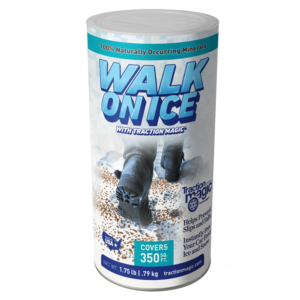
Walk On Ice
Prevent slips at home, work or on the go, The handy disposable canister can be taken everywhere, with the same 100% naturally occurring minerals that provide instant traction on ice or snow.
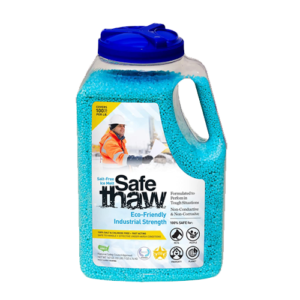
Safe Thaw
Imagine an ice melt you can put down and never worry about. It won’t harm pets, kids and your property. That’s Safe Thaw. Unlike anything else on the market, Safe Thaw can change how winter affects our planet.