


Thankful for My Dog Day: 10 Ways to Make Your Home Safer for the One Who Loves You Most

The holidays are upon us. The scent of pine and cinnamon is in the air, the family is gathering, and you’re starting to make your list of everything you’re grateful for. Right at the top, of course, is that furry, four-legged creature who greets you like you’ve been gone for a decade, even if you just stepped out for five minutes.
Today is our chance to turn that gratitude into action.
We spend so much time protecting our homes from our dogs (hello, baby gates!), but when was the last time we secured our homes for them? You might think your house is safe, but we’re about to give you the relatable moment by revealing the sneaky, quiet dangers lurking in the corners, closets, and kitchens of even the most loving homes.
Ready to make your home the safest, most comfortable sanctuary for the one who loves you most? Let’s dive into 10 essential home safety checks.
10 Ways to Puppy-Proof Your Home (No Matter Their Age)
1. Ditch the Toxic Plants
Holiday greenery is beautiful, but many common seasonal plants are toxic. Mistletoe, lilies, and certain types of holly are popular choices that pose a serious risk if chewed.
- Action: Before decorating, check every plant against the ASPCA’s definitive list.
2. Secure the Trash Can
This seems obvious, but kitchen and bathroom trash often contain items that cause obstructions or introduce toxins: chicken bones, dental floss, cleaning wipe residue, and food packaging.
- Action: Upgrade to a heavy, secure, or hands-free lid that your dog can’t paw open.
3. Review Medications (Human and Pet)
This is a leading cause of pet emergency visits. Pills often smell sweet or look like small treats.
- Action: Never leave bottles on counters or bedside tables. Use child-proof containers and ensure all medication is stored high in locked cabinets.
The majority of pet poisoning emergencies involve over-the-counter and prescription human medications that were accidentally ingested after being left within a dog’s reach.
4. Manage Electrical Cords
Puppies chew and older dogs can trip. Exposed cords present a risk of electrocution or strangulation.
- Action: Use cord concealers or wrap excess lengths with durable plastic ties and route them along baseboards.
5. Switch to Pet-Safe Cleaners
Standard floor and counter cleaners often contain volatile organic compounds (VOCs) or ammonia, which irritate paws and respiratory systems.
- Action: Choose non-toxic, pet-specific or vinegar-based cleaners for floor surfaces where your dog spends the most time.
Pet-Friendly Ice Melt
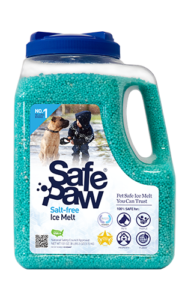
Pet Safe Ice Melt – Safe Paw
The Original and the #1 Pet and Child Safe Ice Melt for over 20 years. Guaranteed environmentally safe – will not harm waterways and sensitive wetlands.
6. Be Mindful of Air Fresheners and Essential Oils
The scent of the season can be overwhelming—and dangerous. Diffused essential oils (especially pine, tea tree, and peppermint) can be toxic if inhaled or absorbed by your dog, particularly if they are near the diffuser.
Veterinary toxicologists strongly advise against the use of essential oil diffusers in homes with pets due to the risk of respiratory irritation and hepatic toxicity upon inhalation or skin contact.
7. Inspect Toy Wear-and-Tear
The well-loved rope toy might be a hazard.
- Action: Regularly check toys for loose strands, sharp edges, or pieces that are small enough to be swallowed, causing an obstruction.
8. Check the Water Heater Temperature
This is often overlooked. If your dog jumps into the tub or shower, extremely hot water can cause scalding.
- Action: Set your home water heater to a maximum of 120°F (49°C) to prevent accidental burns.
9. Secure Garage Chemicals
Antifreeze, paint thinners, and pesticides are highly toxic and often stored in accessible containers.
- Action: Antifreeze is notoriously sweet and attractive to dogs. Ensure all containers are tightly sealed and stored on high shelves or in locked cabinets.
10. Address Slippery Floors
Hardwood and tile floors can be hazardous, especially for senior dogs or large breeds prone to joint issues. Slipping frequently can exacerbate or trigger conditions like arthritis and hip dysplasia.
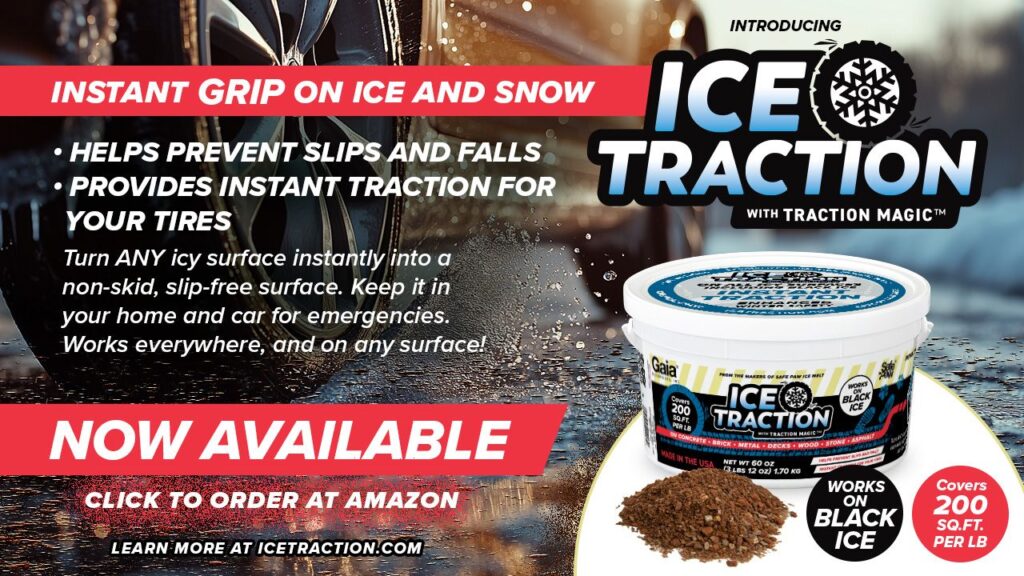
- Action: Place rugs or runners in high-traffic areas and near furniture to provide necessary traction.
Orthopedic veterinarians frequently recommend the use of non-slip flooring solutions in homes with large and senior dogs to minimize joint stress and mitigate the risk of injury from falls.
Conclusion: Gratitude is a Guardrail
This “Thankful for My Dog Day,” let’s go beyond a simple belly rub. By performing these 10 crucial checks, you are translating your love and gratitude into the most reliable form of devotion: their physical safety and comfort.
A safe home is a happy home, and your commitment to these details is the ultimate way to say, “Thank you for being the best part of my life.”
FAQs
Other Ice Melt Products
Walk On Ice
Prevent slips at home, work or on the go, The handy disposable canister can be taken everywhere, with the same 100% naturally occurring minerals that provide instant traction on ice or snow.
Safe Thaw
Imagine an ice melt you can put down and never worry about. It won’t harm pets, kids and your property. That’s Safe Thaw. Unlike anything else on the market, Safe Thaw can change how winter affects our planet.