


Are Pet Safe Ice Melts Safe For Roofs Too?
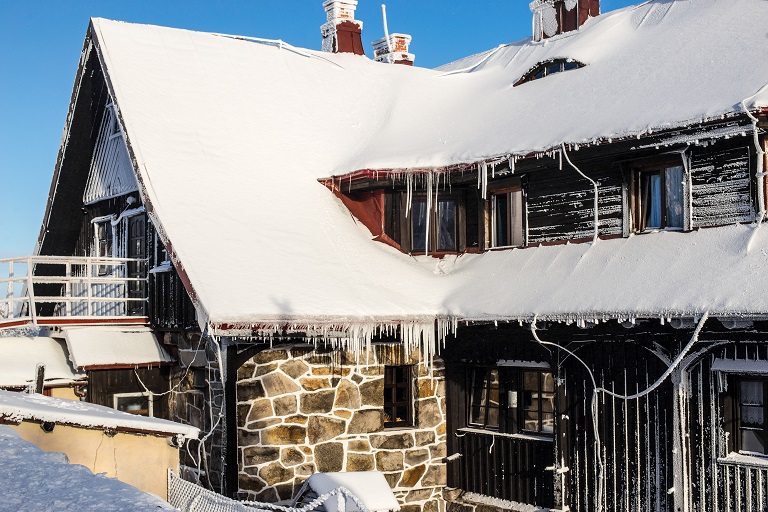
Pet-safe ice melt is not automatically safe for every roof. A deicer should be used on a roof only when its current label permits the application and the roofing manufacturer confirms compatibility with the specific roof material, coating, fasteners, sealants, gutters, drains and warranty.
For metal roofs, chloride-based salts can create corrosion concerns around panels, fasteners and drainage components. For asphalt shingles, flat-roof membranes, wood, tile and slate, chemical compatibility varies by manufacturer and system. Use any deicer only for a limited, approved ice or drainage problem. It does not replace safe snow removal, professional roof assessment or correction of the insulation and drainage conditions that cause ice dams.
Are pet-safe ice melts safe for roofs? Sometimes, but “pet-safe” does not mean “roof-safe.” Check the product label and roof-manufacturer guidance for the exact material. Avoid unapproved salt or chloride products on metal components, and do not spread deicer across a roof as a substitute for removing heavy snow or fixing an ice dam.
Key Takeaways
- A “pet-safe” label does not confirm that a product is suitable for a roof.
- Check both the ice-melt label and the roof manufacturer’s maintenance and warranty instructions.
- Do not assume that every chloride-free or urea-based formula is compatible with every roof.
- Metal panels, coatings, fasteners, flashings and gutters may react differently to deicing chemicals.
- Asphalt shingles, low-slope membranes, wood, tile and slate require roof-specific guidance.
- Use deicer only for a localized, approved ice or drainage problem – not as a whole-roof snow-removal method.
- Ice dams are usually controlled by air sealing, insulation, ventilation and drainage, not by repeated chemical application alone.
- Avoid walking on a snow- or ice-covered roof; use ground-based methods or a qualified professional.
- Do not publish safety, environmental or performance superlatives without a current label, technical data or independent evidence.
IMPORTANT ROOF-SAFETY WARNING:
Do not walk onto a snow- or ice-covered roof simply to apply a deicer. Roof surfaces may be extremely slippery, snow can hide skylights and damaged areas, and a snow-loaded structure may require assessment before access. Use ground-based methods where possible and hire a qualified, insured professional for heavy, frozen, drifted or inaccessible accumulation.
A pet-safe claim does not guarantee compatibility with roofing materials. Before using any ice melt, obtain approval for the exact roof surface, coating, fasteners, sealants, gutters and warranty. Do not apply a product to a roof when the label does not permit that use.
Plan where meltwater and residue will go. Concentrated runoff can enter gutters, landscaping, storm drains or waterways and may refreeze at entrances, sidewalks and driveways. Apply the minimum permitted amount and keep drainage paths clear.
Ice melt is a safe and effective way to keep your walkways and driveways free of ice. Are you using a pet-safe ice melt? But what if you’ve got a roof? Is it safe to use ice melt on your roof? Sometimes. Suitability depends on the product label and exact roof system, as long as you use the right products. There are several types of ice melters on the market today, each with its own set of pros and cons. Each product has a different melting point, so be sure to read the label and choose the best ice melt for roof.
Pet-Safe Does Not Always Mean Roof-Safe
Pet safety and roof compatibility are separate questions. A product may be formulated to reduce risks around paws yet still be unsuitable for a metal coating, shingle sealant, roof membrane, adhesive, fastener or warranty. Evaluate the exact product and exact roofing system rather than relying on a front-label phrase.
Roof-Type Compatibility Guide
| Roof Type | Main Concerns | Recommended Page Guidance | Do Not Claim |
|---|---|---|---|
| Metal roof | Panels, factory coating, exposed fasteners, sealants, flashings, gutters and galvanic/corrosion concerns | Check the panel/coating manufacturer and installer. Use only a specifically approved product and localized method. | “All chloride-free products are safe on metal” |
| Asphalt shingles | Granules, seal strips, asphalt chemistry, underlayment, flashing and warranty | Follow the shingle manufacturer’s maintenance instructions. Do not use the age of the roof as the only decision rule. | “Any roof older than five years cannot use salt” |
| Low-slope membrane: EPDM, TPO, PVC, modified bitumen | Membrane chemistry, seams, adhesives, drains and ponding | Obtain written guidance from the membrane manufacturer or roofing contractor. | “A deicer is safe for all flat roofs” |
| Wood or cedar | Moisture, staining, fasteners, surface residue and biological deterioration | Avoid chemical application unless the roof manufacturer or specialist approves it. | “Pet-safe means wood-safe” |
| Tile or slate | Fragility, metal flashings, underlayment, runoff and difficult access | Use a roofing professional; prioritize drainage and non-damaging mechanical methods. | “Spread product directly over the roof” |
| Gutters and downspouts | Metal/plastic compatibility, concentrated runoff and refreezing below | Confirm component compatibility and ensure meltwater will drain safely. | “More product improves drainage” |
Deicer Is Not a Snow-Load Solution
A roof deicer may help create a localized melt or drainage path when the product and roof system permit it. It does not instantly remove the weight of deep snow, compacted snow or a large ice mass. Heavy, wet, drifted or structurally concerning accumulation should be handled by a qualified snow-removal or roofing professional.
Why Ice Dams Form
Ice dams form when heat from the building warms an upper roof area, melting snow that later refreezes near a colder eave. Long-term control normally involves air sealing, insulation, ventilation, drainage and suitable ice-barrier construction. Professionally installed heat trace may create drainage channels in selected areas, but it does not remove a heavy snow load or repair the underlying building-envelope issue.
What to Check Before Applying Any Product
- Does the product label specifically permit the intended roof or ice-dam use?
- What roofing material, coating or membrane is installed?
- Are the fasteners, flashings, gutters and downspouts compatible?
- Could the product affect sealants, adhesives or a roof warranty?
- Where will the meltwater and residue drain?
- Could runoff refreeze above an entrance, sidewalk or driveway?
- Is the problem localized ice, blocked drainage, heavy snow or structural distress?
- Would a roofing contractor or manufacturer-approved method be safer?
Safe Paw
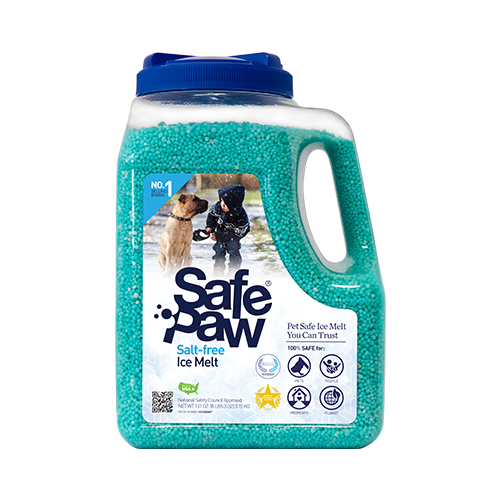
The Original and the #1 Pet and Child Safe Ice Melt for over 20 years. Guaranteed environmentally safe – will not harm waterways and sensitive wetlands.
The Best Ice Melt For Roof
Ice melt is a substance that melts ice and snow, preventing it from causing damage to your home. It’s used on driveways, walkways, stairs, and around the exterior of your home to keep you safe from slip-and-fall accidents. Choose a product with documented suitability for the roof material and the intended application.. It will not harm concrete or other surfaces in your yard or garden. If you have pets or small children in your household, look for products that are labeled “pet safe” or “kid safe.” If you have a roof on your house made of metal shingles or asphalt shingles, check with the manufacturer before using any type of ice melting product because some can cause damage if they drip onto the surface beneath them where they’re applied.
How to Decide Whether to Use Ice Melt on a Roof
1. Identify the actual problem. Is it localized ice, a blocked drain, an ice dam, heavy snow or a suspected structural issue?
2. Avoid unnecessary roof access. Inspect from the ground or inside the building and use a qualified professional when access is hazardous.
3. Identify the roof system. Record the roofing material, coating, panel or membrane manufacturer, fasteners, sealants and drainage components.
4. Read the full product documentation. Check the label, technical data sheet and safety data sheet; do not rely only on a “pet-safe” front label.
5. Check roof-manufacturer guidance. Confirm the exact product or chemistry is permitted and will not affect the warranty.
6. Select the least invasive method. Prefer drainage correction, ground-based snow removal or professional service when these solve the problem without chemicals.
7. Apply only to the approved localized area. Use the minimum label-directed quantity; do not broadcast product across the entire roof.
8. Control runoff. Keep residue away from sensitive landscaping, waterways, doors, vehicles and surfaces where refreezing could create a hazard.
9. Inspect after thawing. Check flashings, seams, gutters, drains and interior ceilings for leaks or damage.
Application Checklist
- Manufacturer approval confirmed
- Current product label reviewed
- Exact roof material and coating identified
- Fasteners, sealants and drainage components considered
- Localized problem area marked
- Runoff path checked
- No structural warning signs present
- No need for the user to walk onto the roof
- Minimum label-directed amount selected
- Post-thaw inspection scheduled
Ice-Melt Categories
| Category | Potential Advantage | Roof / Property Concern | Pet / Environmental Note | Page Recommendation |
|---|---|---|---|---|
| Sodium chloride / rock salt | Widely available and inexpensive | Chloride and corrosion concerns; residue may affect metals and surrounding materials | Salt runoff can contribute to freshwater salinization | Do not recommend for roofs unless the manufacturer specifically permits it |
| Calcium chloride | Works at colder temperatures than rock salt | Chloride-related compatibility and corrosion concerns; heat generation and concentrated residue may affect adjacent materials | Requires label-directed handling and runoff control | Do not call universally unsafe or safe; require roof-specific approval |
| Magnesium chloride | Effective deicer in cold conditions | Still a chloride product; compatibility varies | Manage exposure and runoff according to the label | Require technical approval |
| Potassium chloride | Alternative chloride salt | Still chloride-based and may create material/runoff concerns | Not automatically pet- or roof-safe | Do not recommend by ingredient name alone |
| Urea-based deicer | Generally less corrosive to some metals than chloride salts | Formulation, concentration, coating and residue still matter | Nitrogen-containing runoff may be undesirable in some settings | Do not present as universally roof-safe |
| CMA / acetate-type deicer | Often considered less corrosive than common chloride salts | Cost, temperature performance and material compatibility vary | Check label and runoff conditions | Potential option only with roof approval |
| Proprietary salt-/chloride-free product such as Safe Paw | Avoids sodium, calcium and magnesium chloride chemistry | Complete formula, label and roof-system compatibility still need review | Use as directed and prevent ingestion | Position as an option to evaluate for localized use, not universal roof approval |
Non-Chemical or Preventive Options
| Method | Pros | Limitations | Best Use |
|---|---|---|---|
| Ground-based wheeled/non-abrasive roof rake | Avoids chemical residue and roof walking | Limited reach; incorrect use can damage roofing | Light, reachable snow |
| Qualified professional removal | Appropriate for heavy, drifted or hazardous accumulation | Cost and storm-time availability | Deep snow, ice masses or structural concern |
| Air sealing and insulation | Addresses heat loss that contributes to ice dams | Requires inspection and building work | Recurring ice dams |
| Ventilation and drainage correction | Improves long-term roof performance | Must match roof design and climate | Recurring melt/refreeze and ponding |
| Professionally installed heat trace | Can maintain selected drainage channels | Power use, installation and maintenance; not a snow-load solution | Approved eaves, gutters or drains |
| Ice barrier / roof-system upgrade | Reduces water-intrusion risk during future ice dams | Construction project; does not remove current ice | Roof replacement or major repair |
Ice Melt For Roofs

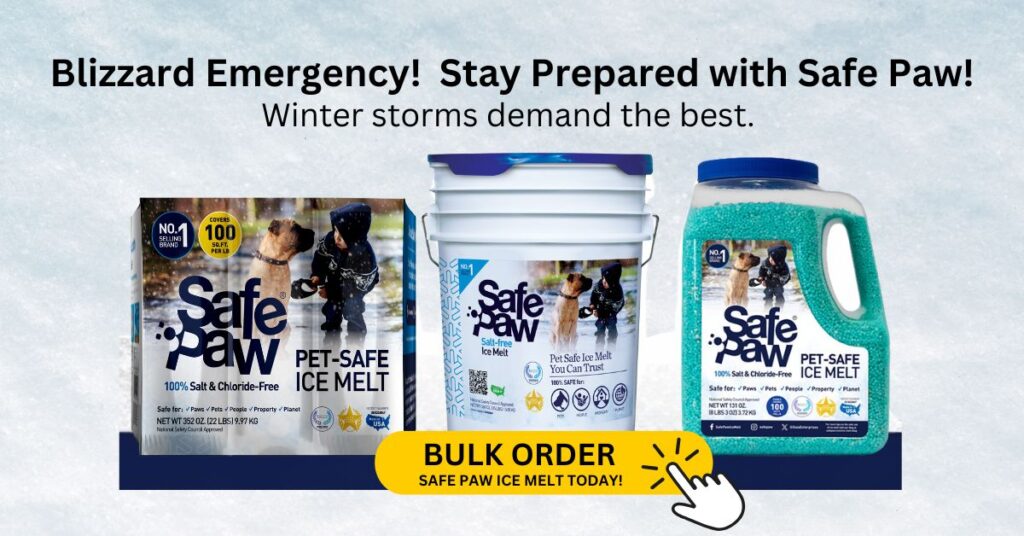
Bulk Purchase With Safe Paw
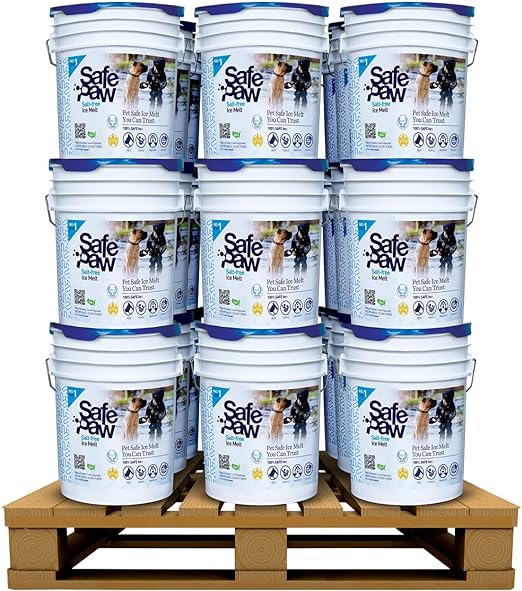
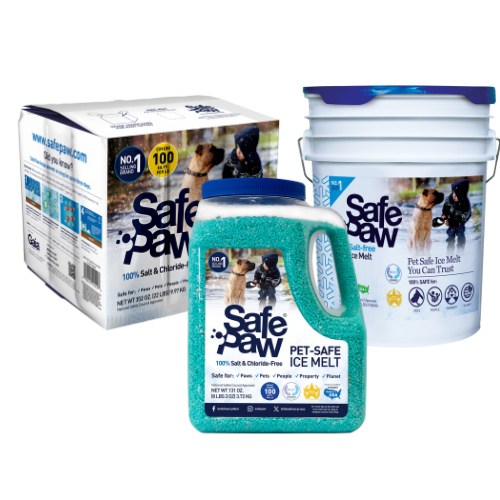
Safe Paw, Child Plant Dog Paw & Pet Safe Ice Melt -35lb, 36 Pails

Safe Paw, Child Plant Dog Paw & Pet Safe Ice Melt -22lb, 100Bboxes
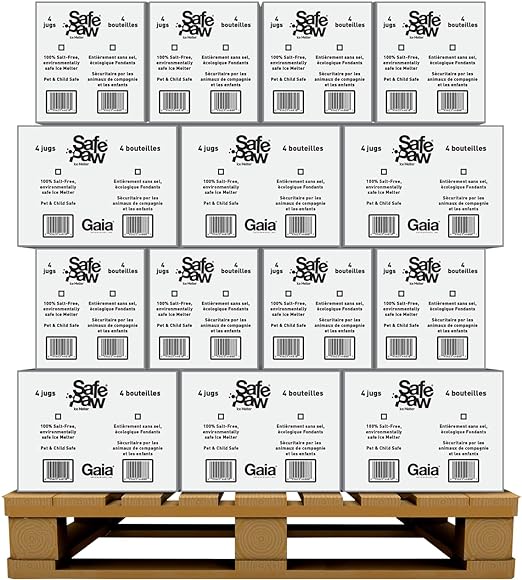
Safe Paw, Child Plant Dog Paw Pet Safe Ice Melt, 160 Jugs


Calcium Chloride
Calcium chloride is a salt, and as such, it is an effective ice melter. However, be aware that calcium chloride can damage metal roofs.
If you want to keep things even safer for your metal roofing material during winter months by using an ice melting product that doesn’t contain any traces of sodium chloride or salts in general —not even in trace amounts—then consider using only urea-based alternatives instead.
What Is the Best Response for Each Roof Problem?
| Problem | First Response | Where Deicer May Fit | When to Call a Professional |
|---|---|---|---|
| Thin localized ice near an approved drain | Clear debris and confirm drainage | A compatible, label-directed product may help open the path | When access is unsafe or drainage is damaged |
| Large ice dam at an eave | Restrict the area below and address heat loss | Only as part of a manufacturer-approved professional method | Usually recommended |
| Heavy or wet roof snow | Remove snow safely using ground methods or contractor | Deicer is not the main solution | Yes |
| Metal roof with salt residue | Follow manufacturer cleaning guidance and inspect components | Do not add more unapproved chloride product | When corrosion or coating damage is visible |
| Asphalt roof leak during thaw | Inspect flashing, ice barrier, gutters and interior | Do not assume chemical treatment will stop the leak | Yes |
| Flat-roof ponding and frozen drain | Inspect the drain and membrane from a safe position | Only an approved localized product or heat-trace method | When membrane or drain condition is uncertain |
| Recurring winter roof ice | Inspect insulation, air sealing, ventilation and drainage | Deicer may be temporary, not corrective | Building-envelope or roofing specialist |
Safe Paw Positioning vs. Common Alternatives
| Option | Primary Role | Salt/Chloride | Roof Guidance | Recommended Positioning |
|---|---|---|---|---|
| Safe Paw | Deicing with traction component | Salt- and chloride-free claim should match current documentation | Confirm label and roof-system compatibility | Option to evaluate for a localized application |
| Rock salt | Low-cost deicing | Sodium chloride | Potential metal, runoff and adjacent-material concerns | Avoid for roof use unless specifically approved |
| Calcium chloride | Cold-weather deicing | Calcium chloride | Requires material and coating approval | Do not recommend by default on roofs |
| Urea-based deicer | Chloride-free deicing | No chloride, but formulation varies | Not universally roof-safe | Evaluate complete product and runoff |
| Heat trace | Maintain selected meltwater channels | No chemical application | Professional design and compatible attachment required | Preventive/targeted tool, not snow-load removal |
| Mechanical/professional removal | Reduce snow and ice mass | None | Tool and access risks must be controlled | Preferred for heavy accumulation |
Best for
Best for a Localized Ice or Drainage Problem
A product that is permitted by its label and approved by the roof manufacturer, applied only to the limited area.
Best for Heavy, Wet or Drifted Snow
Ground-based removal where safe or an insured roof-snow-removal professional. Deicer is not the primary solution.
Best for a Metal Roof
Manufacturer-approved mechanical, snow-retention, drainage or deicing method that protects the panel coating, fasteners and gutters.
Best for an Asphalt Shingle Roof
Shingle-manufacturer guidance, ice-barrier and building-envelope corrections; do not select a chemical based only on roof age.
Best for a Low-Slope Membrane Roof
A membrane-manufacturer-approved method that protects seams, adhesives and drains.
Best for Recurring Ice Dams
Air sealing, insulation, ventilation, drainage and professionally designed heat trace where appropriate.
Best for Pet Safety
A product used according to the current label, stored securely and prevented from being ingested or tracked indoors.
Gaia Enterprises Inc. delivers 100% pet-safe and environmentally friendly winter products. Safe Paw, our flagship product, is the #1 selling pet-safe ice melt that does not harm pets, safe if ingested, and safe on all types of concrete.
Another thing worth mentioning is that if your asphalt shingle roof has gone through heat aging (i.e., if it’s older than five years), avoid using any type of salt. This could damage them over time due to their porous surface nature and lack of chemical resistance against exposure to chemicals like sodium hydroxide.
Safer, Greener Ways To Melt Ice Are Now Available.
If you’re looking for a safer, greener way to melt ice, there are now several options available. As the weather warms up, many homeowners will begin to notice their roofs and concrete surfaces covered in icicles once again. These icy formations not only look bad but can also be dangerous if they fall on people or pets below. Fortunately, there are safer and green alternatives that help prevent icicles from forming while also protecting your roof and concrete from damage caused by melting ice.
Conclusion
It’s important to use the right kind of ice melt for your roof so that you don’t damage it. The good news is that there are many options available today including some best liquid ice melt. Chloride-free and eco-friendly ice melt like Safe Paw is a non-toxic and non-corrosive alternative to salt-based ice melt. It dissolves ice, relieves stress on a flat roof, and channels drainage. While you can fill stockings with the safe ice melt and lay them on the snow and ice after a storm, spreading a layer of non-corrosive ice melt on roofs before a storm is a preventative approach.
Get ready for winter with the ONLY Pet Safe Ice Melt you can trust
Other Ice Melt Products
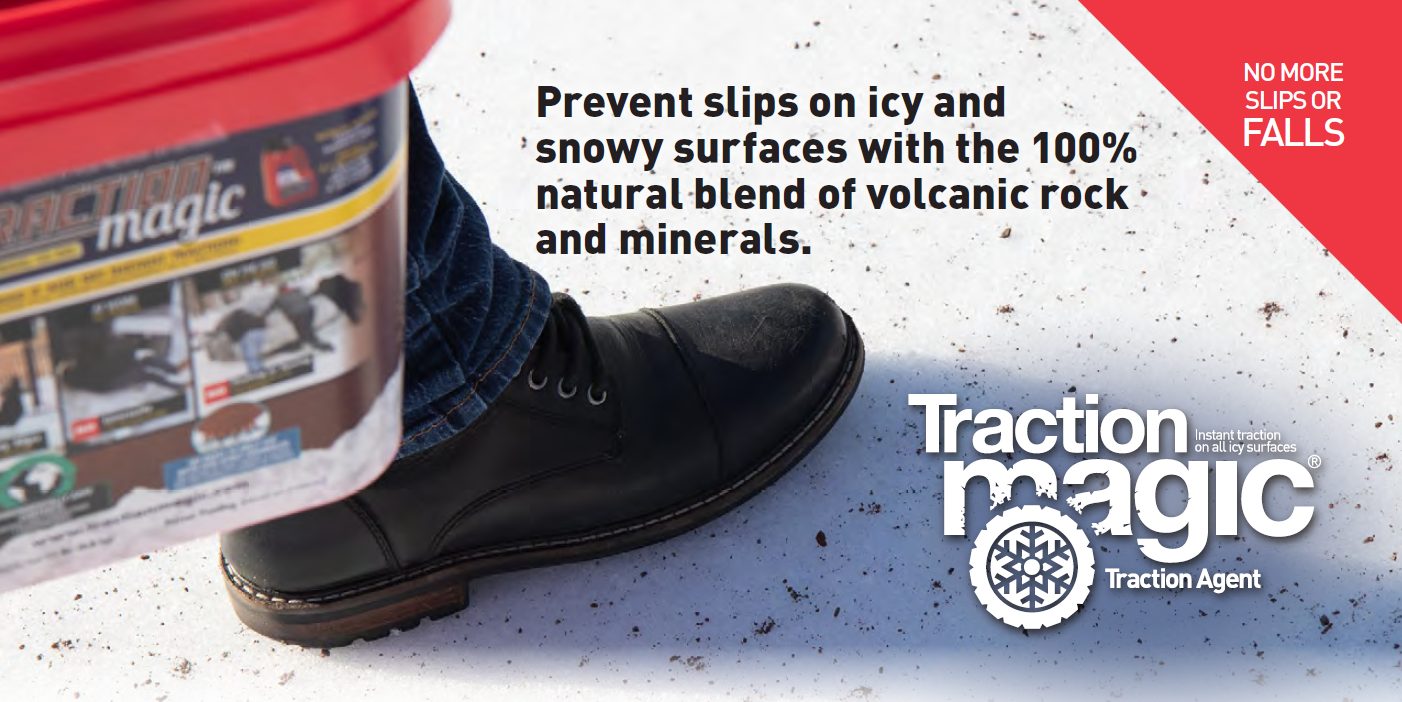
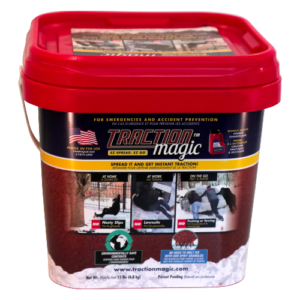
Traction Magic
Stay safe on slippery surfaces with a product that’s 100% natural and safe for pets, people, and your property. Use Traction Magic on sidewalks, steps, or as instant traction for your car.
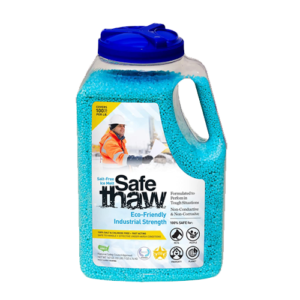
Safe Thaw
Imagine an ice melt you can put down and never worry about. It won’t harm pets, kids and your property. That’s Safe Thaw. Unlike anything else on the market, Safe Thaw can change how winter affects our planet.
Ice Traction (with Traction Magic™)
Ice Traction (with Traction Magic™) is your go-to winter solution for driveways, walkways, parking lots — and even black ice on the road. Unlike salt or ice melts, it delivers instant grip on snow and slippery surfaces with no wait time. Just spread and go.

Safe Thaw
Imagine an ice melt you can put down and never worry about. It won’t harm pets, kids and your property. That’s Safe Thaw. Unlike anything else on the market, Safe Thaw can change how winter affects our planet.
Related Posts
- The Zoomie Dilemma: How to Exercise an Active Dog When It’s Too Cold or Wet To Go Out
- They Sense Our Pain — But Do We Sense Theirs? A Deeper Look For Pet Cancer Awareness Month
- Why Black Cats Deserve The Spotlight Year-Round — And Not Just On The National Black Cat Day
- 7 Real Needs On National Adoption Day — Beyond Finding A Home
- Thankful For My Dog Day: 10 Ways To Make Your Home Safer For The One Who Loves You Most
- Coton de Tulear Day: Warning — The Silent Threat That Destroys Their Silky Coat In Minutes
- National Mutt Day: 5 Hilarious Stories Only Mixed-Breed Owners Will Understand