



The Science of Propylene Glycol Freezing Point: Safer Solutions for Winter Needs

What Is the Freezing Point of Propylene Glycol? Quick Answer
The freezing behavior of propylene glycol depends strongly on how much propylene glycol is mixed with water. Technical data for an inhibited propylene-glycol heat-transfer fluid show approximately 9.2°F (-12.7°C) at 30% propylene glycol by weight, -28.3°F (-33.5°C) at 50%, and -59.9°F (-51.1°C) at 60%. These values apply to specific propylene-glycol/water concentrations and should not automatically be used as the working temperature of an ice-melt product containing glycol. (Dow)
Key Takeaways About Propylene Glycol Freezing Point
- Propylene glycol lowers the freezing point of water through freezing-point depression.
- The freezing point changes significantly with concentration.
- Dow technical data show about 9.2°F at 30 wt%, -28.3°F at 50 wt%, and -59.9°F at 60 wt% propylene glycol. (Dow)
- More glycol does not simply mean proportionally better performance in every application.
- Higher glycol concentrations substantially increase viscosity at low temperatures.
- Propylene glycol is substantially less acutely toxic than ethylene glycol, but “less toxic” should not be rewritten as “non-toxic under every exposure.” (CDC Archive)
- FDA food-use recognition should be discussed specifically in the context of permitted food uses, not as blanket proof of safety for antifreeze or deicing formulations. (FDA HFP App External)
- A formulated ice melt containing propylene glycol cannot be assigned the same freezing point as a simple propylene-glycol/water mixture without product-specific testing.
- Safe Paw’s current first-party information identifies propylene glycol as the glycol used in its proprietary formulation. (Safe Paw Ice Melter)
When temperatures plummet, finding a reliable way to prevent freezing in engines, pipes, and surfaces becomes essential. One compound that excels in this regard is propylene glycol. But what makes propylene glycol so effective in resisting cold? The answer lies in its unique freezing point properties. In this article, we’ll explore the science behind the propylene glycol freezing point, how it works as an antifreeze, and why it stands out as a safer option compared to traditional alternatives.
Propylene Glycol Freezing Point vs Ice-Melt Working Temperature
A propylene-glycol/water freezing point is not the same as an ice melt’s working temperature. A glycol solution used in an HVAC loop remains mixed continuously with water, while a granular pavement deicer must interact with snow, ice, surface moisture, temperature, and other formulation ingredients. A finished ice-melt product therefore needs its own product-specific performance data.
Why Concentration Matters
Propylene glycol molecules interfere with the formation of an ordered ice crystal structure. As the concentration changes, so does the temperature at which the water-glycol mixture freezes. The relationship is not simply linear, which is why concentration-specific tables are used for engineering applications.
This is much clearer than moving directly from antifreeze behavior to sidewalk ice-melt performance.
Understanding Freezing Point Depression
What Is Freezing Point Depression?
Freezing point depression is the process by which the freezing point of a liquid is lowered when a solute, like propylene glycol, is added. This is why mixtures of propylene glycol and water can remain liquid even at sub-zero temperatures.
In pure water, the freezing point is 32°F (0°C). However, when propylene glycol is added, the freezing point can be lowered dramatically depending on the concentration. A 50/50 mixture of propylene glycol and water can lower the freezing point to -28°F (-33°C), making it ideal for harsh winter conditions.
Propylene Glycol Freezing Point by Concentration
| Propylene Glycol Concentration by Weight | Approx. Freezing Point |
| 20% | 19.2°F (-7.1°C) |
| 25% | 14.7°F (-9.6°C) |
| 30% | 9.2°F (-12.7°C) |
| 35% | 2.4°F (-16.4°C) |
| 40% | -6.0°F (-21.1°C) |
| 45% | -16.1°F (-26.7°C) |
| 50% | -28.3°F (-33.5°C) |
| 55% | -42.8°F (-41.6°C) |
| 60% | -59.9°F (-51.1°C) |
These figures come from Dow’s published data for DOWFROST HD aqueous solutions. (Dow)
These are technical freezing-point values for a specific inhibited propylene-glycol heat-transfer-fluid system. They should not be copied directly as working-temperature claims for a different finished product.
Pet Safe Ice Melt
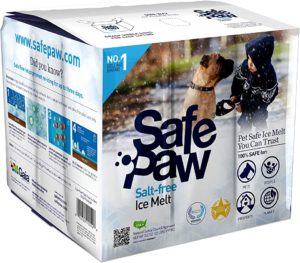
Pet Friendly Ice Melt – Safe Paw!
The Original and the #1 Child and Pet Safe Ice Melt for over 20 years. Guaranteed environmentally safe – will not harm waterways and sensitive wetlands.
Why Propylene Glycol Is Used in Antifreeze
Antifreeze Propylene Glycol vs. Other Solutions
Propylene glycol is widely used in antifreeze due to its excellent performance in maintaining low freezing points and its relative safety. When compared to ethylene glycol, another common antifreeze compound, propylene glycol stands out because it is less toxic and safer for humans, pets, and the environment.
According to the U.S. Food and Drug Administration (FDA), propylene glycol is “generally recognized as safe” (GRAS) when used in food, cosmetics, and certain pharmaceutical applications. Its low toxicity also makes it a popular choice for applications where incidental human or animal exposure may occur.
Industrial and Household Applications
Propylene glycol is not limited to use in vehicle cooling systems. It is also a key component in HVAC systems, industrial cooling, and even ice melts designed to be safe for pets and plants. In these applications, the ability of propylene glycol to lower the freezing point while maintaining non-toxic properties makes it indispensable.
Propylene Glycol Antifreeze: Benefits and Limitations
| Consideration | Potential Advantage | Limitation |
| Freezing-point control | Can substantially lower water’s freezing point | Depends heavily on concentration |
| Toxicity profile | Substantially lower acute toxicity than ethylene glycol | Large or repeated exposures can still cause adverse effects |
| Low-temperature use | Water mixtures can remain liquid at very low temperatures | Viscosity rises as temperature drops |
| Industrial use | Widely used in heat-transfer applications | Finished system needs correct concentration and inhibitors |
| Environmental fate | Propylene glycol can biodegrade | Biodegradation can consume substantial dissolved oxygen |
| Ice-melt formulation | Can contribute freezing-point-depressing properties | Finished deicer performance cannot be predicted from glycol concentration alone |
ATSDR describes propylene glycol as producing markedly fewer adverse effects than ethylene glycol, while EPA notes that biodegradation can impose substantial oxygen demand under some environmental-release conditions. (ATSDR)
Important Limitations When Interpreting Propylene Glycol Freezing-Point Data
- Freezing point, freeze protection, burst protection, and practical operating temperature are different concepts. Engineering technical sheets commonly report them separately.
- Higher concentration is not automatically better. Propylene-glycol solutions become increasingly viscous at low temperatures, which can affect pumping and heat-transfer performance. Dow’s data, for example, show a large increase in viscosity as temperature decreases. (Dow)
- Do not infer the performance of a pavement ice melt from an HVAC antifreeze table. Finished ice melts may contain other active materials, surfactants, traction agents, inhibitors, and proprietary components.
Propylene Glycol vs Ethylene Glycol: Freezing Point and Safety Differences
| Factor | Propylene Glycol | Ethylene Glycol |
| Common use | Heat-transfer fluids, antifreeze, industrial applications | Automotive and industrial antifreeze |
| Freezing-point depression | Strong; concentration dependent | Strong; concentration dependent |
| Acute toxicity | Lower than ethylene glycol | Significantly more acutely toxic |
| Human exposure | Large exposures can still cause adverse effects | Poisoning can be severe |
| Pet concern | Lower toxicity does not mean unrestricted ingestion is appropriate | Major poisoning concern |
| Environmental behavior | Biodegradable but can create oxygen demand | Also biodegradable and can create oxygen demand |
ATSDR explicitly describes propylene glycol as producing far fewer adverse effects than ethylene glycol. (ATSDR)
Where Is Propylene Glycol Commonly Useful?
- Closed-loop HVAC systems: where freeze protection and lower toxicity relative to ethylene glycol are important.
- Heat-transfer systems: where an appropriate water/glycol concentration can be engineered for the expected minimum temperature.
- Applications with possible incidental exposure: propylene glycol may be preferred over ethylene glycol because of its lower toxicity profile.
- Finished winter deicer formulations: evaluate the complete formulation and product testing rather than judging performance solely from the glycol component.
- Pet-used outdoor areas: review the actual finished-product instructions and exposure information rather than assuming pure propylene-glycol toxicology represents the whole product.
How the Freezing Point Varies with Concentration
Finding the Right Mix
The freezing point of a propylene glycol solution depends heavily on its concentration:
- A 30% propylene glycol to 70% water solution lowers the freezing point to around 5°F (-15°C).
- A 50% propylene glycol solution can lower the freezing point to -28°F (-33°C).
- Higher concentrations (60% and above) provide protection even at -60°F (-51°C), making them ideal for extremely cold climates.
However, it’s important to find the right balance. A solution that is too concentrated can become viscous and may not circulate efficiently, potentially reducing its effectiveness in systems like engine coolant lines.
The Benefits of Propylene Glycol-Based Antifreeze
1. Safer for Pets and the Environment
Ethylene glycol, commonly used in older antifreeze products, is highly toxic and can cause fatal poisoning in small amounts. Propylene glycol, however, is much safer. The American Society for the Prevention of Cruelty to Animals (ASPCA) advises pet owners to avoid products with ethylene glycol due to its sweet taste, which attracts animals. Switching to a propylene glycol-based antifreeze reduces the risk of accidental poisoning in pets.
2. Biodegradable and Eco-Friendly
Propylene glycol is biodegradable and breaks down in the environment within a short time, unlike ethylene glycol, which can contaminate water sources and harm aquatic life. This makes propylene glycol a responsible choice for individuals and industries concerned about sustainability.
3. Corrosion Prevention
Many propylene glycol antifreeze solutions contain inhibitors that prevent corrosion of metal components, which helps extend the lifespan of machinery, engines, and HVAC systems. This not only improves efficiency but also reduces long-term maintenance costs.
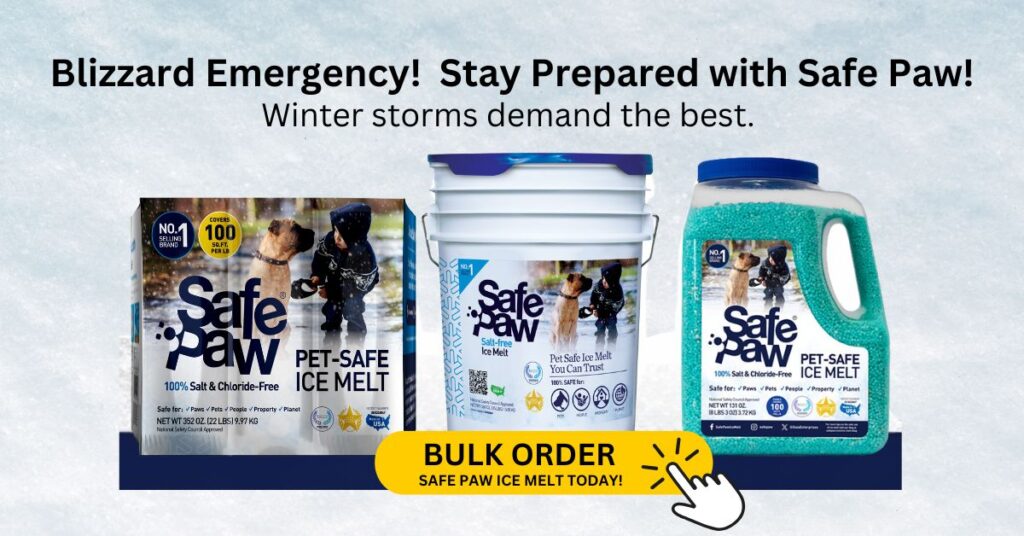
Pet Safe Ice Melt – Safe Paw
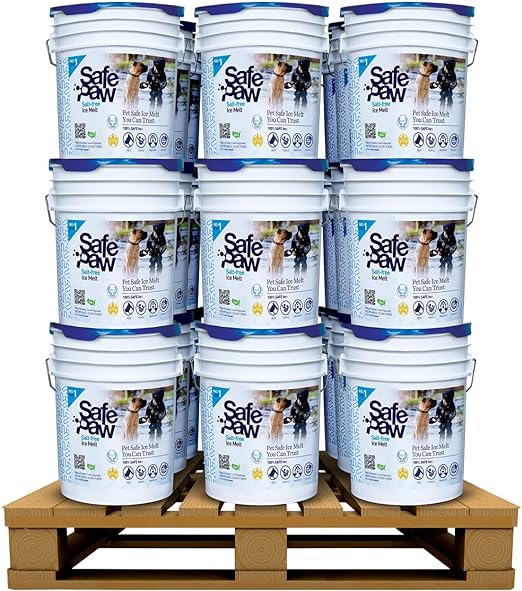
Safe Paw, Child Plant Dog Paw & Pet Safe Ice Melt -35lb, 36 Pails

Safe Paw, Child Plant Dog Paw & Pet Safe Ice Melt -22lb, 100Bboxes
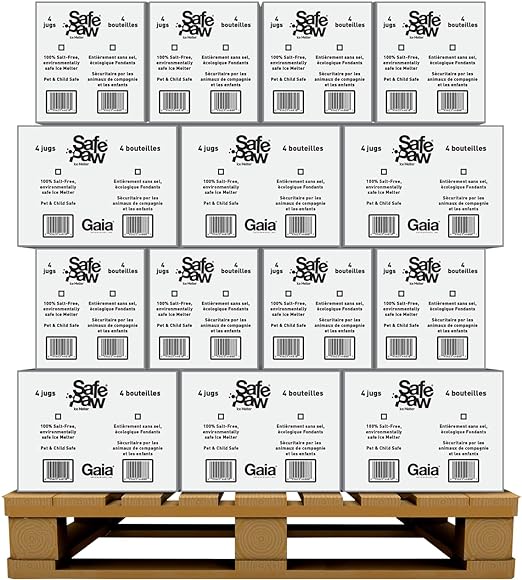
Safe Paw, Child Plant Dog Paw Pet Safe Ice Melt, 160 Jugs

Pet Products Powered By EzPz.pet
Propylene Glycol in Pet-Safe Ice Melts
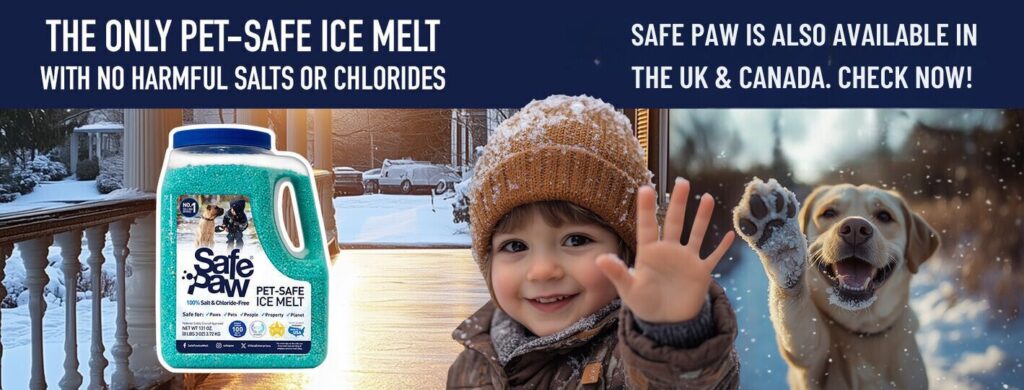
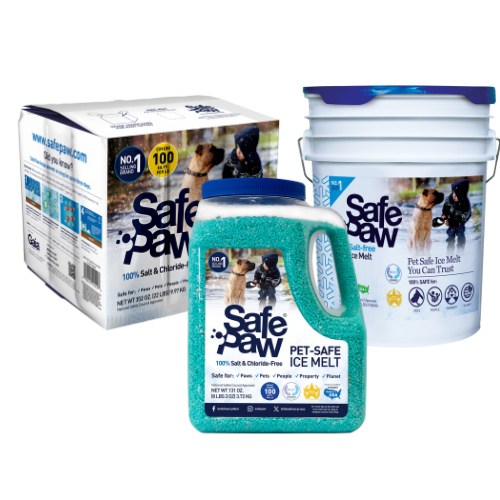
The freezing point properties of propylene glycol make it a key ingredient in pet-safe ice melts. Products like Safe Paw leverage these properties to provide an effective ice-melting solution without harming pets, children, or the environment. Safe Paw’s proprietary blend is chloride-free and uses safe glycols to ensure that your surfaces stay ice-free without toxic runoff or chemical burns to sensitive paws and skin.
Gaia Enterprises Inc. delivers 100% pet-safe and environmentally friendly winter products. Safe Paw, our flagship product, is the #1 selling pet-safe ice melt that does not harm pets, safe if ingested, and safe on all types of concrete.
Common Concerns: Is Propylene Glycol Bad for You?
While propylene glycol is generally safe when used as directed, some people may experience mild skin irritation or allergic reactions. However, according to the Agency for Toxic Substances and Disease Registry (ATSDR), these cases are rare and typically occur with prolonged exposure to high concentrations. Products like antifreeze are formulated to minimize direct contact, making such reactions even less likely.
Conclusion
The science behind propylene glycol freezing point highlights why it remains an essential compound for winter applications. Its ability to lower the freezing point of water, combined with its safety and environmental benefits, makes it an ideal choice for antifreeze and de-icing solutions.
If you’re looking for a pet-friendly, effective way to prevent ice buildup around your home, consider Safe Paw. With a proprietary blend that includes non-toxic glycols, it provides the performance you need without the harmful side effects of traditional ice melts. Whether you’re safeguarding your walkways or maintaining vehicle performance, propylene glycol-based solutions offer an unbeatable combination of safety and efficacy.
Frequently Asked Questions About Propylene Glycol Freezing Point
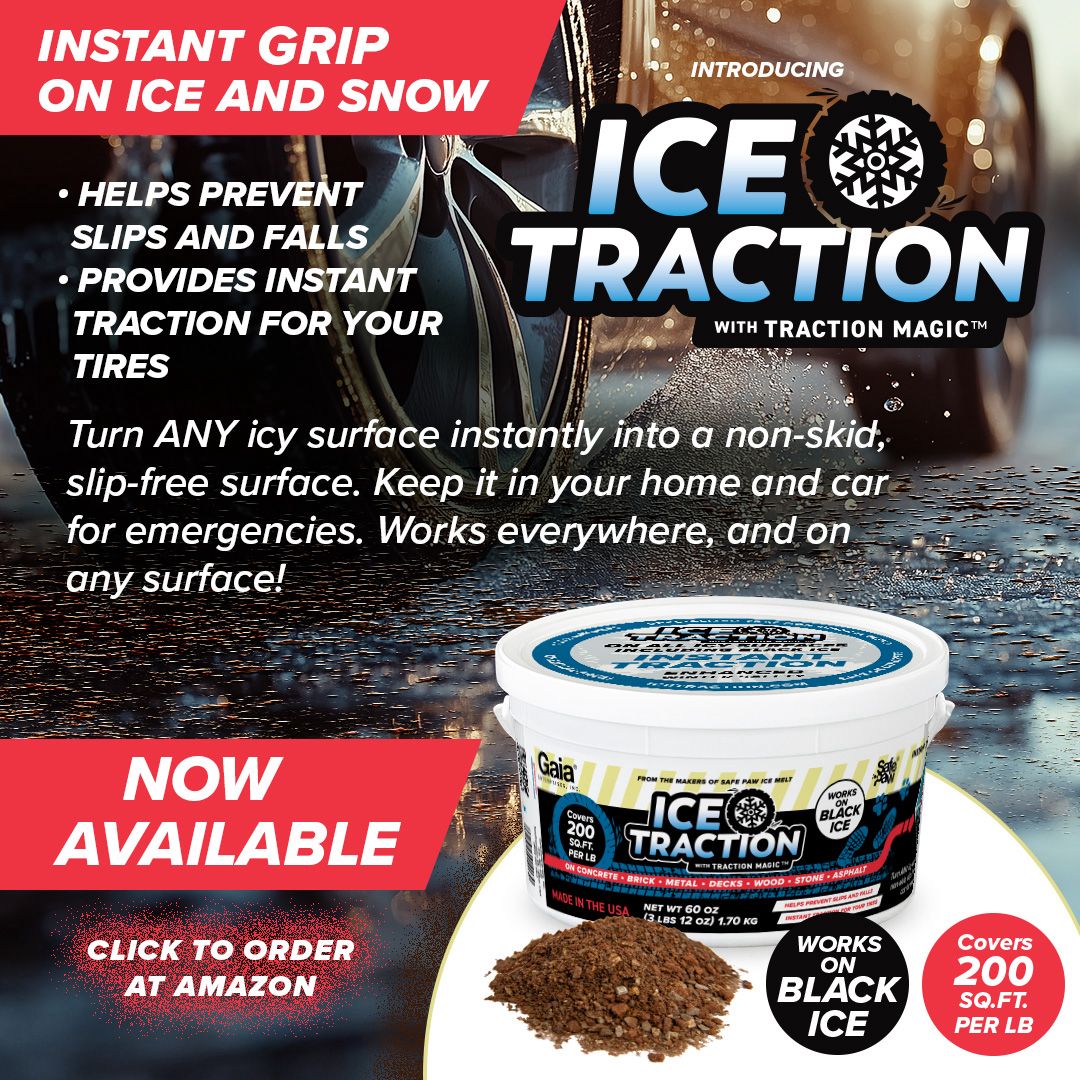
New Product Launch – Ice Traction (with Traction Magic™)
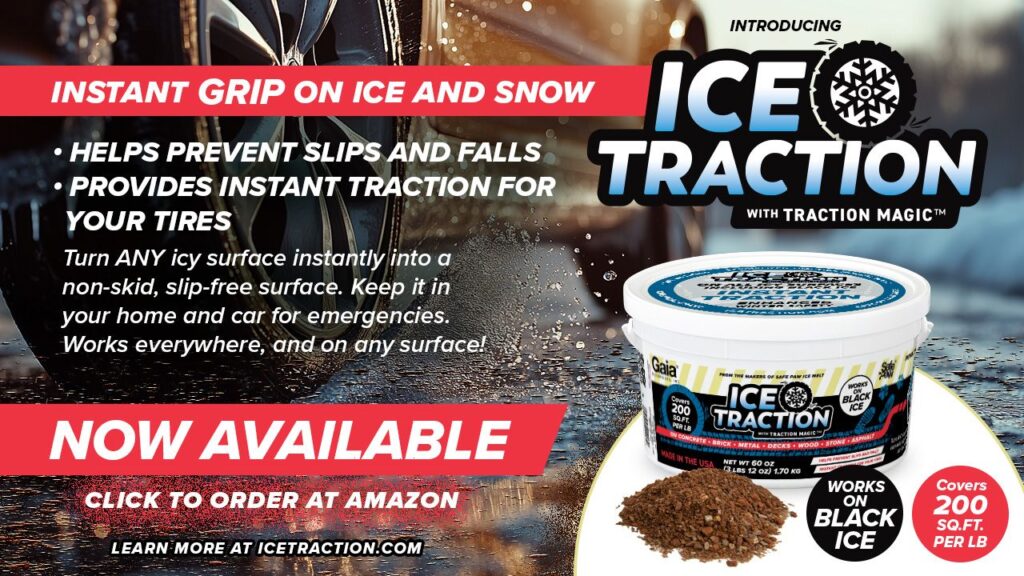
Ice Traction is your go-to winter solution for driveways, walkways, parking lots — and even black ice on the road. Unlike salt or ice melts, it delivers instant grip on snow and slippery surfaces with no wait time. Just spread and go.
Other Ice Melt Products
Walk On Ice
Prevent slips at home, work or on the go, The handy disposable canister can be taken everywhere, with the same 100% naturally occurring minerals that provide instant traction on ice or snow.
Safe Thaw
Imagine an ice melt you can put down and never worry about. It won’t harm pets, kids and your property. That’s Safe Thaw. Unlike anything else on the market, Safe Thaw can change how winter affects our planet.
Related Articles
- Pet-Safe Sidewalk Salt: Best Ice Melt Options for Winter Safety
- Understanding Antifreeze Propylene Glycol: Benefits, Safety, and Freezing Point Control
- Finding the Best Pet Safe Ice Melt for Winter: A Complete Guide
- Is Propylene Glycol Bad for You? Separating Fact from Fiction
- Homemade Pet Safe Ice Melt: Is It Better Than Store-Bought?