



Using Car Defrosters Effectively for Safe Winter Driving
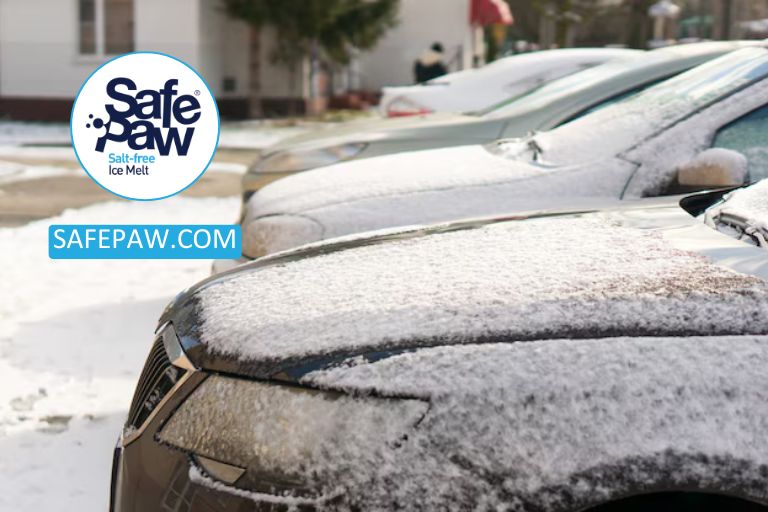
To use a car defroster effectively, select front defrost, increase the fan speed, choose a warmer temperature, and use outside-air mode rather than recirculation when recommended by the vehicle manual. In many vehicles, the air-conditioning compressor operates during defrost mode to remove moisture from cabin air. Clear loose snow and exterior ice with a suitable brush and scraper, and wait until the windshield, windows, mirrors, and lights provide unobstructed visibility before driving. Use the separate rear defogger for the rear glass and heated side mirrors, if equipped.
As winter settles in, the icy grip it holds on our vehicles becomes a daily challenge. Properly defrosting your car is not only essential for clear visibility but also crucial for safe winter driving. In this article, we will delve into the topic of using car defrosters effectively to ensure a safe and comfortable driving experience during the winter months. From understanding the different types of defrosters to implementing best practices for efficient defrosting, we will provide you with the knowledge and techniques necessary to navigate icy roads with confidence. Join us as we uncover the key tips and tricks for using car defrosters effectively and maintaining optimal visibility for a safer winter driving experience.
Key Takeaways
- Use front defrost for the windshield and front side windows.
- Increase airflow and use a warmer temperature for cold-weather fog or frost.
- Allow air conditioning to operate if it activates automatically; it can help remove cabin moisture.
- Outside-air mode generally clears humid cabin air more effectively than continued recirculation.
- Use the separate rear-window defogger for the rear glass and heated mirrors, if connected.
- Remove loose snow and thick exterior ice with appropriate tools; the defroster may not remove them by itself.
- Free frozen wiper blades before activating the wipers.
- Clear all necessary viewing areas before moving the vehicle.
- Check the owner’s manual because automatic settings and button behavior vary.
Understanding The Importance Of Car Defrosters
How Defrosters Work To Clear Visibility
Car defrosters, typically integrated into the heating and ventilation system, work by blowing warm air onto the windows to melt frost and ice, clearing them for improved visibility.
Common Types Of Car Defrosters
There are various types of car defrosters, including front windshield defrosters, rear window defrosters, and side mirror defrosters. Each type serves the purpose of clearing specific windows for better visibility.
Front Defroster vs Rear Defogger vs Heated Mirrors
| System | Main mechanism | Area cleared | Typical control |
| Front windshield defroster | Conditioned HVAC airflow | Windshield and often front side windows | Curved windshield symbol |
| Rear-window defogger | Electrical heating elements | Rear glass | Rectangular window symbol |
| Heated exterior mirrors | Electrical heating | Mirror surfaces | Rear-defogger control or separate switch |
| Windshield wiper de-icer | Localized electrical heating, where equipped | Lower windshield or wiper-rest area | Separate control or automatic system |
Understand What You Are Clearing
Interior fog, exterior frost, and accumulated ice require related but different actions. Interior fog is condensation on the cabin side of the glass. Exterior frost and ice form outside the vehicle. The front defroster can warm the windshield and reduce interior moisture, but heavy exterior ice may still need careful removal with an appropriate scraper.
Why Defrost Mode May Use Air Conditioning
Many vehicles activate the air-conditioning compressor when front defrost is selected. The system is not necessarily cooling the cabin. Air conditioning can remove moisture from the incoming air, after which the vehicle can warm that drier air and direct it toward the windshield.
Why Outside Air Can Clear Fog Faster
Moisture from breathing, wet clothing, snow-covered footwear, and damp floor mats can accumulate inside a closed vehicle. Continued recirculation may retain that moisture. Outside-air mode replaces humid cabin air and is therefore commonly selected automatically during defrosting.
Front, Rear, and Mirror Defrosters
The front system normally uses HVAC airflow. The rear-window system normally uses electrical heating elements in the glass. Heated exterior mirrors may operate with the rear defogger or through a separate control. These systems should be described separately because they do not clear glass in the same way.
Concrete Safe Ice Melt

Safe Paw
The Original and the #1 Pet and Child Safe Ice Melt for over 20 years. Guaranteed environmentally safe – will not harm waterways and sensitive wetlands.
Tips For Using Car Defrosters Effectively
Preparing Your Vehicle Before Driving
Before starting your journey, ensure that your vehicle is adequately prepared for winter conditions. Clear snow and ice from all windows, mirrors, and lights to allow the defrosters to work more efficiently.
Using The Defroster Properly
To effectively use the defroster, turn on the vehicle’s engine and set the climate control to the defrost mode. Adjust the temperature to a comfortable level, and select the appropriate fan speed. Allow the defroster to run until the windows are clear.
How to Use a Car Defroster Effectively
- Remove loose snow from the vehicle. Clear the windshield, windows, mirrors, roof, hood, lights, and other areas that affect visibility.
- Check the wiper blades. Make sure they are not frozen to the windshield.
- Start the vehicle and select front defrost.
- Increase the fan speed. Higher airflow usually clears the glass faster.
- Choose a warmer temperature. This raises the windshield temperature during cold-weather defrosting.
- Use outside-air mode. If recirculation remains selected, switch it off unless the vehicle manual gives different instructions.
- Allow A/C-assisted dehumidification. Do not switch off the compressor merely because the weather is cold if the vehicle activates it during defrost.
- Turn on the rear defogger. Use it for rear-glass fog or frost and heated mirrors, where fitted.
- Use an appropriate scraper for loosened exterior ice.
- Confirm full visibility. Do not move the vehicle until the required glass, mirrors, lights, and cameras are clear.
- Adjust the system after clearing. Reduce the fan or return to the preferred climate setting once visibility is stable.
Toyota’s instructions recommend selecting the windshield defogger, using outside-air mode if recirculation was active, and increasing airflow and temperature for faster clearing. Exact behavior varies by model. Toyota Owners: Windshield Defogging
Get ready for winter with the ONLY Pet Safe Ice Melt you can trust
Common Mistakes To Avoid When Using Defrosters
Using Hot Water Or Sharp Objects
Avoid using hot water or sharp objects to remove ice from the windows, as they can cause damage. Stick to using the defroster and proper ice removal techniques to prevent accidents and maintain the integrity of the windows.
Neglecting Regular Maintenance
Regularly maintain your vehicle’s defroster system by checking for any malfunctions or blockages. Ensure proper functioning by having it inspected and serviced as recommended by the manufacturer.

Bulk Purchase With Safe Paw

Safe Paw, Child Plant Dog Paw & Pet Safe Ice Melt -35lb, 36 Pails

Safe Paw, Child Plant Dog Paw & Pet Safe Ice Melt -22lb, 100Bboxes
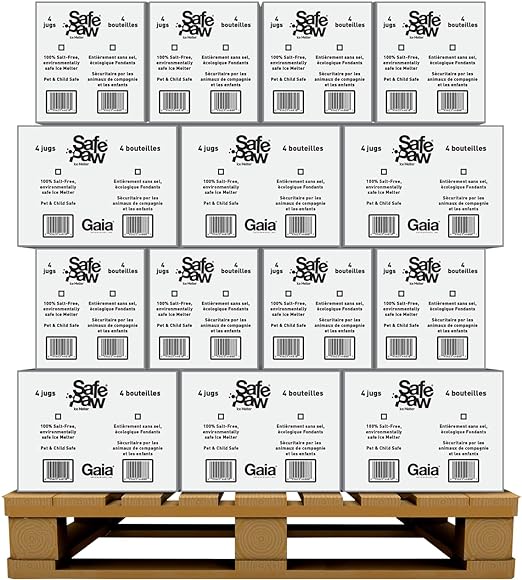
Safe Paw, Child Plant Dog Paw Pet Safe Ice Melt, 160 Jugs




Car Defrost Settings: Benefits and Limitations
| Setting or method | Benefit | Limitation |
| Front defrost mode | Directs conditioned air toward the windshield | May need time to warm very cold glass |
| Higher fan speed | Moves more conditioned air across the glass | Increases cabin noise |
| Warmer temperature | Raises glass temperature and promotes evaporation | Heat alone may be slow if cabin humidity remains high |
| A/C-assisted defrosting | Removes moisture from cabin air | Operation depends on vehicle and outside temperature |
| Outside-air mode | Replaces humid cabin air | Outside conditions can affect performance |
| Rear defogger | Clears rear glass without HVAC airflow | Does not clear the front windshield |
| Heated mirrors | Improves mirror visibility where equipped | May operate only with another control |
| Ice scraper | Removes loosened exterior frost and ice | Incorrect tools can damage glass or seals |
| Automatic climate control | Selects settings with limited driver input | Behavior varies by make, model, and temperature |
Car Defroster Warnings and Limitations
- Do not drive with only a small opening cleared in the windshield.
- Do not rely on the defroster alone to remove deep snow or thick exterior ice.
- Do not pour very hot water on cold automotive glass.
- Do not use sharp metal tools on the windshield.
- Do not activate wipers while the blades are frozen to the glass.
- Do not scrape the inside of the rear window with a sharp tool; the heating elements may be damaged.
- Do not place stickers or objects over rear-window heating lines.
- Do not assume recirculation is appropriate for interior fog; it may retain cabin moisture.
- Do not block dashboard defrost vents with papers, covers, or accessories.
- Do not assume all vehicles automatically activate A/C, outside air, maximum fan speed, or heated mirrors.
- Do not use an outdoor ice-melting product on the windshield, paint, seals, wipers, or vehicle body unless the documentation explicitly identifies that application.
- A defroster may perform poorly if the cabin filter is restricted, airflow is blocked, the HVAC system is not producing heat, or electrical heating elements are damaged.
- Exterior fog can form in warm, humid conditions when the glass is cooler than the outside air. Maximum heat is not necessarily the appropriate response in that situation.
NHTSA recommends checking that defrosters and wipers work before winter travel and carrying a snow brush and ice scraper. NHTSA Winter Driving Tips
Interior Fog vs Exterior Frost and Ice
| Condition | Where it forms | Primary response | Additional response |
| Interior fog | Cabin side of glass | Front defrost and humidity reduction | Outside air and removal of cabin moisture |
| Light exterior frost | Outside of glass | Front defrost to warm the glass | Suitable ice scraper |
| Thick exterior ice | Outside of glass | Warm the glass gradually | Scrape carefully after loosening |
| Exterior fog in humid weather | Outside of cooled glass | Adjust glass temperature | Use wipers when appropriate |
| Rear-window fog | Inside or outside rear glass | Rear electrical defogger | Confirm grid operation |
| Frozen wiper blades | Wiper-to-glass contact area | Warm and free the blades carefully | Use a wiper de-icer feature if equipped |
Ensuring Clear Visibility For Safe Winter Driving
Additional Techniques For Clearing Frost And Ice
In addition to using the defroster, you can use a scraper or de-icer spray to remove stubborn frost and ice from the windows. Allow enough time for the vehicle to warm up before driving.
Importance Of Clearing Snow Off The Vehicle
Before hitting the road, clear snow off the entire vehicle, including the roof, hood, and lights. This prevents snow from falling onto the windshield or obstructing the view of other drivers.
Best Defroster Settings for Common Winter Conditions
| Situation | Best starting settings | Additional action |
| Interior fog on a cold morning | Front defrost, warm temperature, higher fan, outside air | Allow A/C-assisted dehumidification |
| Light exterior frost | Front defrost | Scrape after frost begins loosening |
| Thick windshield ice | Front defrost with gradual warming | Remove loose snow and use a suitable scraper |
| Rear-glass fog | Rear defogger | Confirm the heating grid is operating |
| Fogged side mirrors | Heated mirrors, if equipped | Clear exterior obstruction carefully |
| Persistent cabin moisture | Outside air and front defrost | Dry wet mats and remove snow from footwear |
| Exterior fog in warm humidity | Reduce excessive glass cooling | Use wipers if appropriate |
| Weak front airflow | Confirm fan and vent settings | Inspect the cabin filter or HVAC system |
| Rear grid not clearing evenly | Activate rear defogger and inspect its pattern | Damaged grid lines may require attention |
Get ready for winter with the ONLY Pet Safe Ice Melt you can trust
Conclusion
Effective winter defrosting combines the correct climate-control settings with complete exterior snow and ice removal. Start with front defrost, increase airflow, select a warmer temperature, and use outside air when recommended by the vehicle manual. Allow air-conditioning-assisted dehumidification to operate if the system activates it. Use the separate rear defogger for the rear glass and heated mirrors, and remove loosened exterior ice with an appropriate scraper. Before moving the vehicle, confirm that the windshield, windows, mirrors, lights, and other visibility-related surfaces are clear.
Gaia Enterprises Inc. delivers 100% pet-safe and environmentally friendly winter products. Safe Paw, our flagship product, is the #1 selling pet-safe ice melt that does not harm pets, safe if ingested, and safe on all types of concrete.
Frequently Asked Questions About Using Car Defrosters
Other Ice Melt Products
Traction Magic
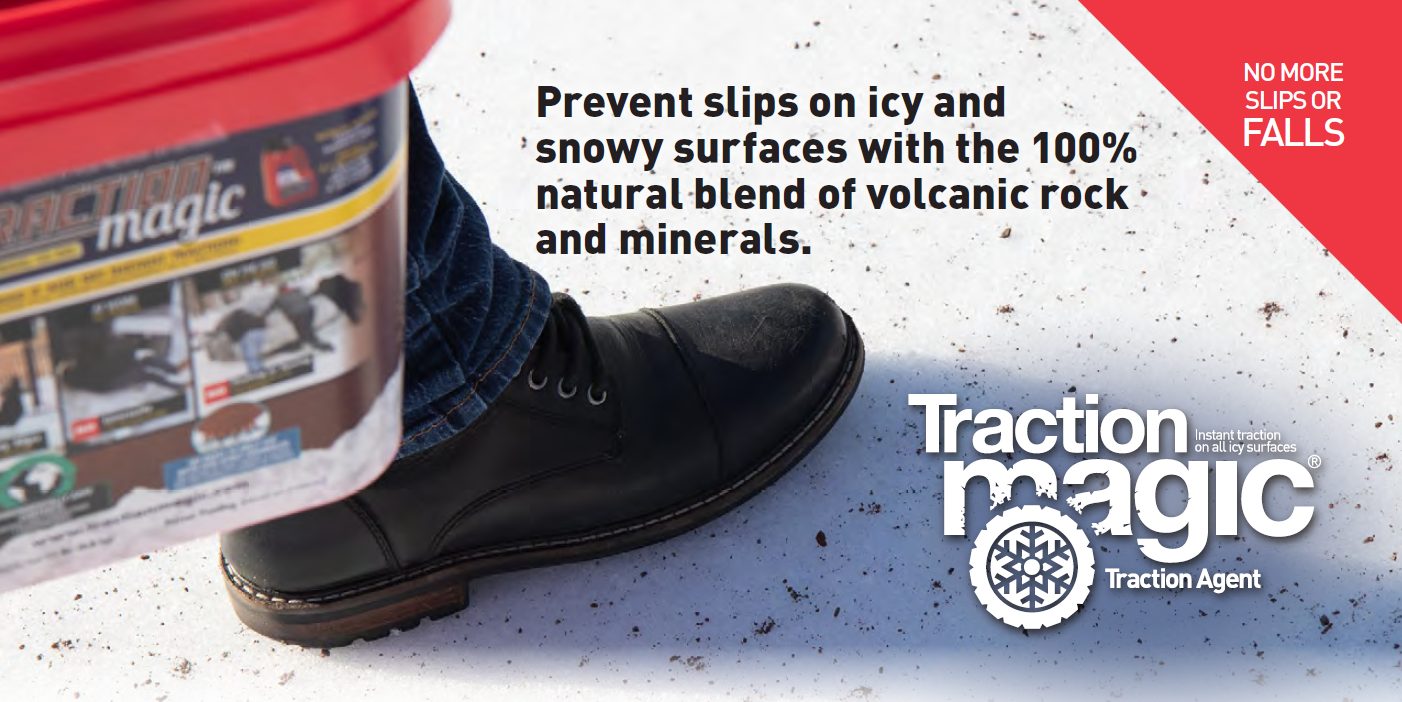
Stay safe on slippery surfaces with a product that’s 100% natural and safe for pets, people, and your property. Use Traction Magic on sidewalks, steps, or as instant traction for your car.
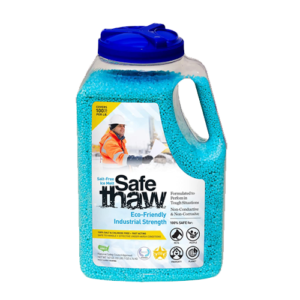
Safe Thaw
Imagine an ice melt you can put down and never worry about. It won’t harm pets, kids and your property. That’s Safe Thaw. Unlike anything else on the market, Safe Thaw can change how winter affects our planet.
Ice Traction (with Traction Magic™)
Ice Traction (with Traction Magic™) is your go-to winter solution for driveways, walkways, parking lots — and even black ice on the road. Unlike salt or ice melts, it delivers instant grip on snow and slippery surfaces with no wait time. Just spread and go.

Safe Thaw
Imagine an ice melt you can put down and never worry about. It won’t harm pets, kids and your property. That’s Safe Thaw. Unlike anything else on the market, Safe Thaw can change how winter affects our planet.

Related Articles
- How to Defrost Your Car: Quick Methods and Winter Parking Tips
- Parking Your Car Outside in Cold Weather: Risks and Precautions
- Leaving a Car Outside in Winter: Risks and Defrosting Tips
- Is Parking Your Car Outside in Winter Harmful? Risks and Prevention Tips
- How Long Does It Take to Defrost Your Car? Efficient Winter Tips