



Safest Ice Melt For Brick Pavers
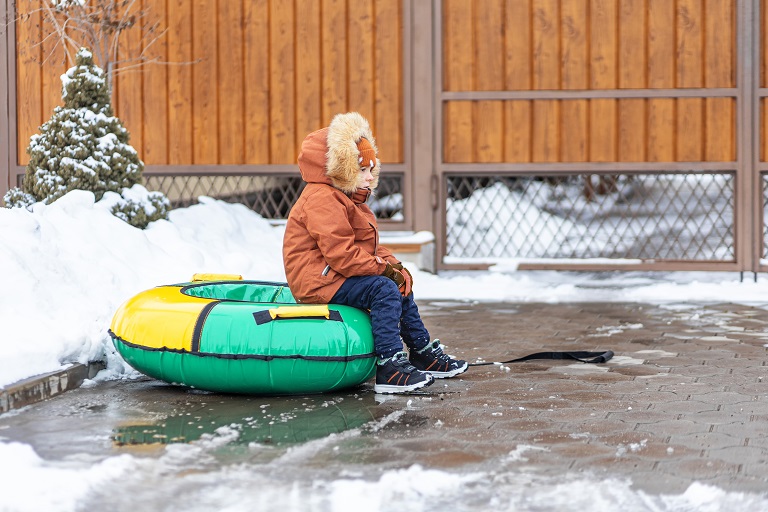
Which Ice Melt Is Safe for Brick Pavers and Pets? Quick Answer
For brick pavers and areas used by pets, look for an ice melt that is compatible with masonry and does not contain chloride salts if reducing chloride-related surface and environmental concerns is a priority. Chloride-based deicers can contribute to deterioration of masonry under repeated exposure, while traction materials such as sand provide grip but do not melt ice. Application amount and runoff management also affect surface safety.
What to Look For
- Chloride-free formulation
- Salt-free formulation, where applicable
- Surface compatibility information
- Appropriate application instructions
- Pet-use guidance
- Clearly identified ingredients
Outdoor walkways are beautiful. Not only do they look elegant, but they also don’t make a hole in your pocket. However, they do require some care and in the snowy weather. Shoveling is one of the most popular ways of getting rid of the snow. But is it safe? And what about those chemical-based ice melt products? Are those ice melt products safe for brick pavers?
As winter descends and icy conditions prevail, safeguarding your outdoor spaces becomes paramount, particularly when it comes to pavers. Choosing the best ice melt for pavers is not only about safety but also about preserving the integrity of your pavers. In this comprehensive guide, we will navigate the realm of paver-safe ice melt. We’ll address various concerns, such as the suitability of magnesium chloride, the impact of rock salt, and the effectiveness of Safe Paw. By the end, you’ll have a clear understanding of the best ice melt for pavers.
You may already know that using salt is not safe to use on brick and concrete. You may have also heard people using fertilizer for ice melt also. Then how do you remove ice without damaging the bricks and affecting their longevity?
Key Takeaways: Ice Melt for Brick Pavers and Pets
- Brick pavers can be affected by repeated freeze-thaw cycles and deicer exposure.
- Chloride-containing ice melts can contribute to salt accumulation and masonry deterioration.
- Sand can improve traction but does not melt ice.
- Pet considerations should include both the ingredients and the possibility of material remaining on paws.
- Applying more ice melt than necessary does not necessarily improve performance.
- Pre-treatment, controlled application, and post-treatment cleanup can reduce unnecessary residue.
- Product labels should be checked for ingredients and surface-use instructions.
How Can Rock Salt Damage Brick Pavers?
Rock salt can contribute to brick-paver deterioration when dissolved salts and moisture repeatedly enter porous masonry and are exposed to freeze-thaw cycles. Repeated moisture movement and freezing can contribute to cracking, scaling, joint deterioration, and surface damage.
Simple process:
Salt + Moisture + Freeze-Thaw Cycle
Deicer applied
↓
Salt dissolves in moisture
↓
Solution enters porous areas/joints
↓
Temperature falls below freezing
↓
Repeated freeze-thaw exposure
↓
Potential masonry and joint deterioration
Let us try to understand this from a scientific viewpoint.
How Does Rock Salt Damage Brick Pavers? The Science of Joint Expansion
Before we talk about the ice melt safe for brick pavers, let’s first learn how snow and pavers interact.
In the liquid form, water molecules (oxygen and hydrogen) move freely. However, once frozen, they bond together in a perfect structure, creating ice. Sodium Chloride breaks these icy molecules or structures or other blends to loosen and melt the ice.
Rock salt when comes in contact with the ice, releases heat resulting in the melting of the ice.
If higher the salt concentration, the lower the freezing point because salty water has a better freezing threshold than regular water.
That may sound good, but here are the problem using rock salt to melt ice on pavers:
- The quick heat reaction and repeated exposure to rock salt cause the joints in between the pavers to contract and expand.
- Every time the ice melts, it seeps in between the joints. And when it refreezes, it expands the concrete bit by bit. Over time, this results in wider gaps in between your pavers.
- Salt is a corrosive material and eventually rusts metal, damages concrete, and causes cracks.
- Overusing the ice melt for pavers can result in damaging the vegetation around the house as well.
However, you can avoid the stress altogether with the proper ice melt safe for brick and concrete pavers.
Winter can be tough on your property, especially when it comes to maintaining brick surfaces like driveways and walkways. Choosing the right ice melt product is essential, not only for safety but also to minimize damage to your masonry. Here’s what you need to know:
Ice Melt Ingredients and Brick Paver Considerations
| Ingredient Type | Brick-Paver Consideration | Pet/Exposure Consideration | Key Point |
| Sodium chloride | Can contribute to salt-related masonry deterioration | Salt residue may remain on treated surfaces | Common traditional deicer |
| Calcium chloride | Chloride exposure remains a consideration for masonry | Follow product-specific handling instructions | Can perform at lower temperatures than sodium chloride |
| Magnesium chloride | Also introduces chloride into the environment | Residue should be managed appropriately | Temperature performance varies |
| Calcium magnesium acetate | Generally associated with lower corrosiveness than traditional chloride salts | Evaluate complete formulation | Can have cost and temperature limitations |
| Chloride-free formulation | Avoids chloride salt exposure | Evaluate complete ingredient list and directions | May be considered where chloride reduction is important |
Finding a Brick-Safe Ice Melt: Protecting Your Masonry from Cracks
Brick pavers look elegant and durable, but winter conditions expose them to specific mechanical and chemical stresses. Proper deicing protects walkways and driveways without sacrificing the long-term integrity of pavers, the mortar or jointing sand, surrounding landscaping, or the health of pets and people. This guide explains which products are safe for pavers, why some common choices cause damage, and how to apply safe deicers effectively.
Is Pet-Safe Ice Melt Also Safe for Brick Pavers and Environment?
When it comes to your furry friends and the planet, environmentally friendly ice melt and pet-safe ice melt are essential. Products containing glycol and urea rather than salts can be safer for both pets who may walk on the treated surfaces and the surrounding greenery.
What post-winter care extends paver life?
Maintaining brick surfaces after ice melt use involves thorough cleaning in the spring. Wash down the areas to remove any residual deicing product, which can continue to cause damage long after the ice has melted. Inspect for any loosened mortar or cracked bricks and repair them to prevent further water ingress. This is another reason why you should not choose chloride-based ice melt products.
| Masonry conservation best practices call for prompt spring cleaning and joint maintenance to prevent water ingress over subsequent seasons. |
Is Magnesium Chloride Safe for Brick Pavers?
Use a qualified answer rather than an absolute statement:
Magnesium chloride is still a chloride-based deicer, so it should not automatically be considered harmless to brick pavers. Repeated exposure, concentration, moisture movement, and freeze-thaw conditions should be considered when evaluating its use on masonry.
- It contains chloride.
- Chloride can remain in runoff.
- Repeated application can increase exposure.
- Paver type and condition matter.
- Application rate matters.
| Transportation and materials studies show magnesium chloride contributes to moisture retention and chemical changes in cementitious materials and masonry. |
How Does Salt Damage Brick Pavers? Understanding Surface Scaling and Pitting
Salt-based deicers work by lowering the freezing point of water, producing a brine that prevents ice from forming or melts existing ice. That chemical action also creates the pathway for damage: brine penetrates joints and pores, then refreezes and expands, causing internal pressure and surface failure.
When brine repeatedly cycles between liquid and solid inside paver joints, the joints loosen, mortar deteriorates, and individual pavers shift.
Salt residues also attract moisture and carry corrosive ions that affect adjacent concrete or metal fixtures.
| Stone and masonry conservation studies document significant mass loss and surface scaling in porous materials subjected to repeated salt–freeze cycles. |
| Salt residues increase moisture retention and accelerate corrosion of embedded metals and nearby concrete elements. |
How to Apply Ice Melt on Brick Pavers: Best Practices for Surface Safety
Proper application preserves both safety and paver condition. Follow these steps:
1. Pre-Treat When Appropriate
Apply a light amount before a storm when the product instructions recommend pre-treatment.
2. Remove Loose Snow First
Shovel or clear loose snow so the ice-control product can contact the remaining ice.
3. Apply Sparingly and Evenly
Use only the recommended amount. More product does not automatically mean faster or better results.
4. Remove Residue After Melting
Sweep away remaining material where practical to reduce unnecessary residue around pavers, entrances, landscaping, and pet-access areas.
5. Manage Runoff
Pay attention to where meltwater flows, particularly near landscaping and drainage areas.
Post-storm cleanup removes residue that could otherwise leach into the subbase or landscaping.
Brick Paver Ice Melt Do’s and Don’ts
| Do | Don’t |
| Check the ingredient list | Assume every ice melt is suitable for masonry |
| Follow the application instructions | Apply excessive amounts |
| Remove loose snow first | Expect traction material to melt ice |
| Apply evenly | Allow large amounts of residue to accumulate |
| Sweep excess material when practical | Direct concentrated runoff toward landscaping |
| Consider pet-access areas | Assume “pet-safe” automatically means “paver-safe” |
| Pavement maintenance guidance emphasizes pre-treatment, calibrated application, and post-event cleanup to minimize chemical exposure and abrasion. |
| Environmental guidance highlights that removing deicer residue reduces runoff loading to soils and storm systems. |
Is Pet-Safe Ice Melt Automatically Safe for Brick Pavers?
No. “Pet-safe” and “paver-safe” describe different considerations. A product should be evaluated separately for its ingredients and potential exposure to pets and its compatibility with brick, mortar, joints, and other masonry surfaces.
What is a Paver-Safe Ice Melt? Essential Features of Salt-Free Formulas
A paver-safe ice melt is salt-free, chloride-free, and non-corrosive, formulated to break the bond between ice and paver surfaces without introducing corrosive ions into joints or pores. Typical safe formulations use a controlled blend of modified urea and special glycol (or equivalent non-chloride agents) plus traction additives to deliver melt performance and grip without abrasive sand.
These formulations also reduce the frequency of reapplication by preventing rapid refreeze for hours after treatment.
Safe Paw’s feature set aligns with this category: salt-free, chloride-free, non-corrosive, rated to –2°F, pet-safe if accidentally contacted or ingested in small amounts, and formulated with traction agents to avoid sand abrasion.
| Independent product analyses show glycol-based, salt-free deicers provide effective melting and leave minimal corrosive residue compared with chloride salts. |
Choosing the Best Ice Melt for Brick Pavers: Safe Paw vs. Calcium Chloride
No—marketing claims overlap, and some “pet-safe” products still contain chlorides or salts in blended formulas. A product that is both pet-safe and paver-safe must be explicitly salt-free and chloride-free, and use benign chemistries that do not burn paws or corrode mortar.
Selecting a formula with non-toxic components that leave minimal residue protects pets and masonry alike.
| Veterinary sources document paw irritation and ingestion risks from chloride residues and emphasize ingredient transparency when selecting deicers. |
Application Tips
Knowing how to apply ice melt on bricks properly is as important as choosing the right type. Always apply a thin, even layer. Excessive use of deicers can lead to runoff and increased damage. After the ice has melted, promptly remove slush and residue to prevent the ice melt from penetrating deeper into the brickwork.
Post-Winter Care: Maintaining Brick Surfaces After Deicer Use
Maintaining brick surfaces after ice melt use involves thorough cleaning in the spring. Wash down the areas to remove any residual deicing product, which can continue to cause damage long after the ice has melted. Inspect for any loosened mortar or cracked bricks and repair them to prevent further water ingress. This is another reason why you should not choose chloride-based ice melt products.
Choosing the Best Products
When it comes to selecting the best ice melt for brick surfaces, it’s crucial to opt for products that are explicitly marketed as safe for masonry. While products like Calcium Magnesium Acetate (CMA) are often touted for being less corrosive than chloride-based deicers, they are not without their drawbacks. CMA can still lead to a slick surface, making it potentially hazardous in terms of slip-and-fall accidents. It’s also significantly more expensive than other deicers, making it a less economical choice for large areas.
Instead, consider a product like Safe Paw, which offers a specialized formula tailored for safety and effectiveness on various surfaces, including brick. Safe Paw is free from salts and chlorides, eliminating the risk of masonry damage due to chemical reactions that can lead to cracking and spalling. This product is also environmentally friendly, ensuring that it won’t harm surrounding vegetation or pose a risk to pets and wildlife. Safe Paw’s unique formulation not only melts ice effectively but also provides a protective layer to prevent re-freezing, which is crucial for maintaining the integrity and beauty of brick driveways and walkways throughout the winter.
Rock Salt and Brick Damage: Identifying the Risks of Traditional Deicers
Be aware of the ice melt damage to brick. Deicers can exacerbate freeze-thaw cycles that brick structures undergo in winter climates, leading to accelerated deterioration. Rock salt and brick damage is a common issue, where the hygroscopic nature of salt attracts moisture that expands upon freezing, exerting pressure within the brick and causing it to crack or split.
Winter Protection Strategies: How to Protect Brick Driveways from Corrosion
To protect brick driveways and other masonry during winter, consider using safer products instead of salt-based products, or opt for newer formulations that combine efficacy with lower chemical concentrations to safeguard both your masonry and the environment.
How does freeze–thaw frequency affect paver longevity?
Frequent cycles of thawing and refreezing are the single greatest weather-related threat to paver joints and masonry surfaces, especially when aggressive deicers are present.
Reducing the period that water remains liquid on the surface—by choosing an effective low-temp deicer—shortens the damage window.
| Materials research confirms that repeated freeze–thaw events, exacerbated by deicer salts, accelerate joint loss and surface spalling. |
Ice Melt For Pavers
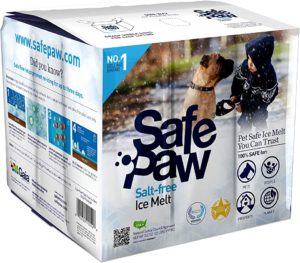
Pet Friendly Ice Melt – Safe Paw!
The Original and the #1 Child and Pet Safe Ice Melt for over 20 years. Guaranteed environmentally safe – will not harm waterways and sensitive wetlands.
By understanding the needs of your specific surface and choosing products wisely, you can keep your brick driveways and walkways ice-free and undamaged through the winter months. Always prioritize products that align with the safety of your environment, pets, and the longevity of your masonry structures.
Brick Paver Ice Melt Safety Checklist
☐ Check the active ingredients.
☐ Confirm compatibility with brick or masonry.
☐ Avoid excessive application.
☐ Remove loose snow before treatment.
☐ Prevent concentrated runoff toward landscaping.
☐ Keep treated surfaces and residue away from unnecessary pet exposure.
☐ Remove excess material after melting when practical.
☐ Store remaining product in a dry location.
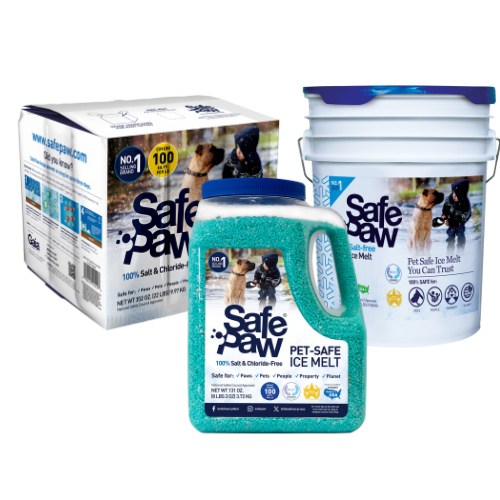
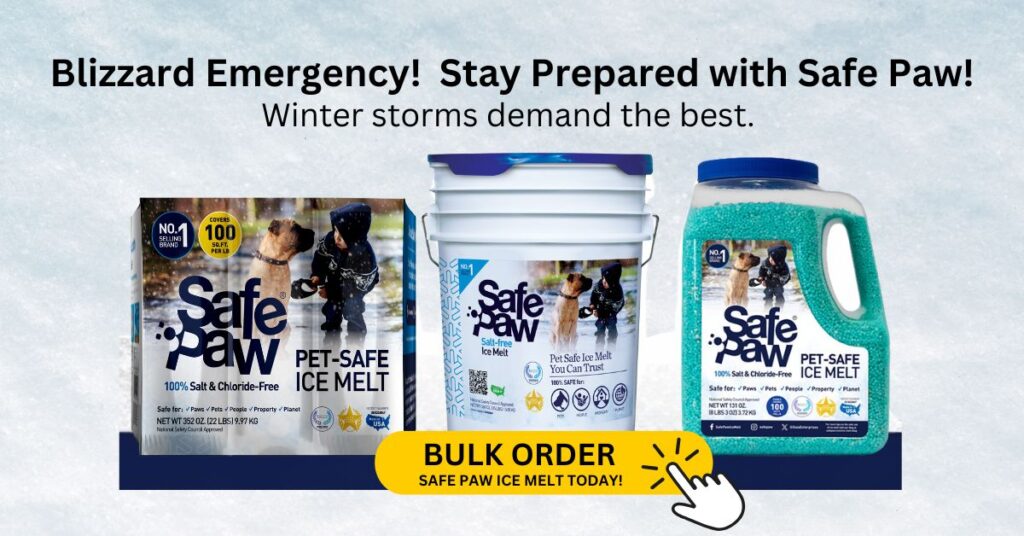
Pet Safe Ice Melt – Safe Paw
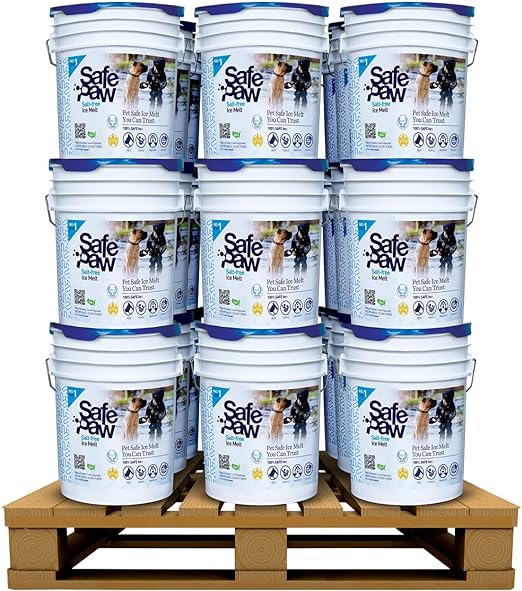
Safe Paw, Child Plant Dog Paw & Pet Safe Ice Melt -35lb, 36 Pails

Safe Paw, Child Plant Dog Paw & Pet Safe Ice Melt -22lb, 100Bboxes
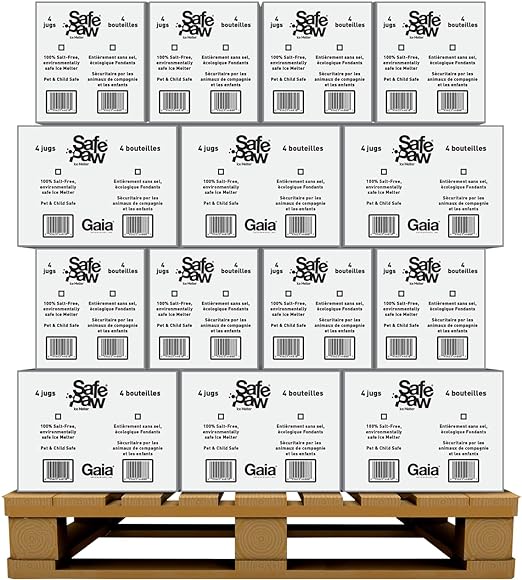
Safe Paw, Child Plant Dog Paw Pet Safe Ice Melt, 160 Jugs

Pet Products Powered By EzPz.pet


How to Choose Ice Melt for Brick Pavers and Pets
| Factor | What to Check |
| Ingredients | Identify the active deicing compounds |
| Chloride content | Determine whether the formulation contains chloride salts |
| Surface compatibility | Look for documented brick/masonry compatibility |
| Pet considerations | Review ingredient and exposure guidance |
| Application rate | Follow the manufacturer’s stated amount |
| Temperature range | Check the stated operating conditions |
| Runoff | Consider where melted snow and ice will flow |
| Cleanup | Determine whether residual material should be removed |
So, Is There Any Safe Ice Melt That You Can Use On Bricks?
Yes, there are. There are non-chloride, available in the market that are non-toxic, pet-friendly, and non-corrosive. These are safe to use on bricks and are the best ice melt for the driveway as they act as pre-treatment also. Few ice melts can prevent ice from sticking to surfaces for up to three days, making it easy to clear the snow later.
Key Terms in Brick Paver Ice Melt Safety
- Freeze-thaw cycle: Repeated freezing and thawing of moisture within or around a masonry surface.
- Chloride salt: A salt containing chloride ions, including common deicing compounds such as sodium chloride, calcium chloride, and magnesium chloride.
- Salt accumulation: The buildup of soluble salts in soil, joints, or surface areas following repeated application and evaporation.
- Paver joint: The space or material between individual paving units that can be affected by moisture movement and freeze-thaw conditions.
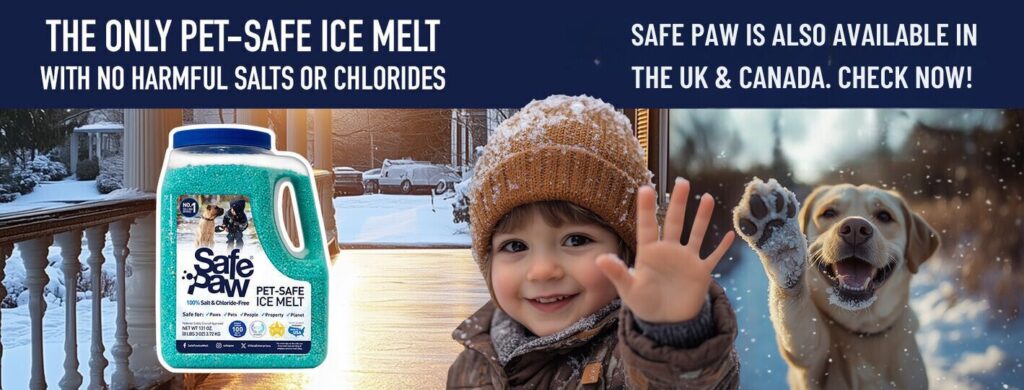
Since these ice melts are chloride-free and salt-free, they do not cause efflorescence or leave crystal deposits. They are also safe for plants & vegetation and pets.
Often our walkways, patios, and even driveways are made of bricks. Choosing the best ice melt for a driveway can help you extend its lifespan. So, look for an ice melt that will keep melted ice in a liquid state for a longer duration. It means that ice melt will not refreeze as easily or as often, thus preventing the freeze-thaw cycle.
Which Ice-Control Approach Fits Your Situation?
| Situation | Approach to Consider |
| Brick pavers + pet access | Evaluate chloride-free formulations and pet exposure guidance |
| Need to melt bonded ice | Use an ice-melting product appropriate for the surface |
| Need immediate traction | Consider a traction material |
| Concern about chloride runoff | Consider chloride-free options |
| Heavy snow already accumulated | Remove loose snow before applying deicer |
| Sensitive landscaping beside pavers | Pay particular attention to runoff and application amount |
How should homeowners choose products and read labels?
When evaluating products:
- Read ingredient lists for chloride or salt terms. Avoid any product naming sodium, calcium, magnesium, or potassium chloride.
- Prefer explicit labels stating salt-free, chloride-free, non-corrosive, and pet-safe.
- Check the rated melt temperature; a –2°F rating covers most severe winter conditions without resorting to chlorides.
| Consumer protection guidance recommends checking ingredient panels and melt-temperature ratings to match product to application and climate. |
Winter Myths: What is Snow Bunny Slang and What Temp Does Salt Not Melt Ice?
While we’re focused on preserving pavers, let’s address a trending curiosity—what is a snow bunny slang? In pop culture, “snow bunny” often refers to someone who enjoys winter sports and loves spending time on the slopes, typically in fashionable ski gear. But in icy climates like yours, a snow bunny might just be that savvy homeowner who’s mastered winter prep—armed with the right tools, a proper car defroster, and an ice melt that protects surfaces rather than destroying them. You, perhaps?
As for salt—most people assume it’s a universal fix for all ice. But what temp does salt not melt ice? Regular rock salt (sodium chloride) stops working effectively below 15°F. That means if temperatures plunge further, you’re basically scattering tiny white pebbles over your driveway for no good reason. It won’t melt the ice—it’ll just sit there, possibly damaging your bricks as the freeze-thaw cycle intensifies. Even calcium chloride, a stronger alternative, starts struggling when temps go subzero and tends to wreak havoc on paver joints and surrounding soil.
Safe Paw sidesteps these limits entirely. With a patented formula that doesn’t rely on salt, it maintains traction and melting power well below salt’s limit. It also forms a protective barrier to prevent re-icing, so you’re not out there sprinkling every two hours or wondering why the snow hasn’t budged. If you’re looking to be your neighborhood’s go-to “snow bunny,” skip the rock salt and go straight for the smart solution.
Finding Sidewalk Salt Near Me: Protecting Your Car and Pavers from Rust
Your vehicle and walkway both deserve winter-safe treatment. While many people scramble to find sidewalk salt near me during the first freeze, the smarter move is choosing an ice melt that works before the panic buying begins. Most common “sidewalk salts” contain either sodium or magnesium chloride—both harmful to pets and destructive to paver surfaces over time.
When deicing brick surfaces or walkways near your car, keep in mind that the runoff often affects your vehicle too. Chloride-based products can increase rusting on undercarriages, especially when slush splashes up while you drive. Combine that with improperly functioning car defrosters, and you’ve got a recipe for windshield frustration and roadside hazards.
Instead, think ahead: apply a chloride-free solution like Safe Paw not just on pavers but also near entryways and garage thresholds. This minimizes salt tracking and corrosion risk while giving your car defroster an easier time clearing windows. Safe Paw’s non-corrosive formula ensures you won’t be cleaning chemical residue off your driveway—or your car—for weeks.
It’s also worth noting that Safe Paw is easy to store and apply even before snowfall begins. Unlike traditional sidewalk salt, which often cakes up or clumps, Safe Paw maintains its texture and effectiveness in storage. When winter storms hit, you’re ready—not searching “sidewalk salt near me” while shelves sit empty.
Conclusion: Safeguarding Your Home with a Paver-Safe Ice Melt
Selecting the right ice melt for your pavers involves more than just immediate ice removal. It’s about ensuring the durability and visual appeal of your outdoor spaces. By embracing paver-safe options like Safe Paw, you prioritize the safety and lifespan of your pavers. With a commitment to paver protection, you can confidently face winter’s icy challenges, knowing that your pavers are shielded by an ice melt that cares.
FAQ: Frequently Asked Questions About Ice Melt for Brick Pavers
Other Ice Melt Products
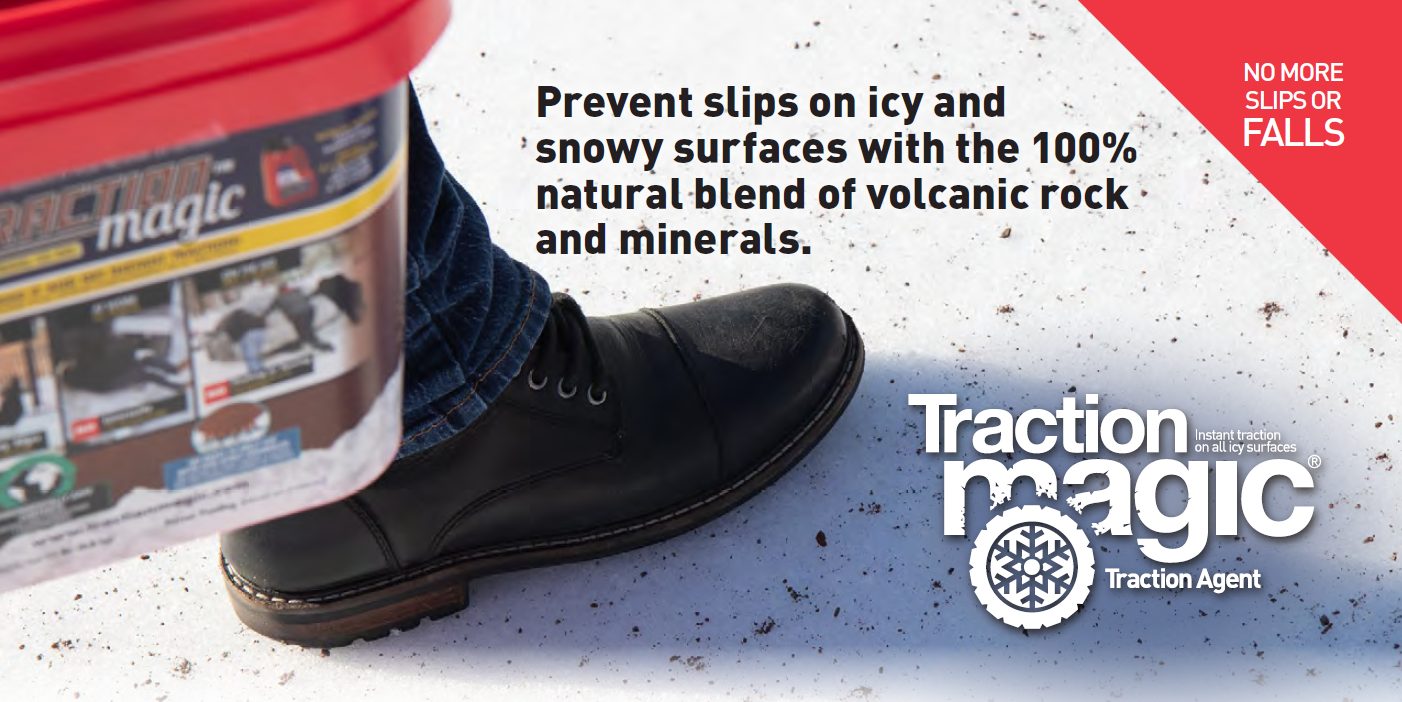
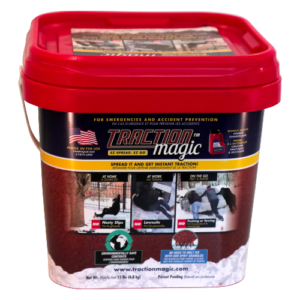
Traction Magic
Stay safe on slippery surfaces with a product that’s 100% natural and safe for pets, people, and your property. Use Traction Magic on sidewalks, steps, or as instant traction for your car.
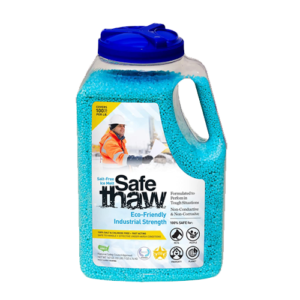
Safe Thaw
Imagine an ice melt you can put down and never worry about. It won’t harm pets, kids and your property. That’s Safe Thaw. Unlike anything else on the market, Safe Thaw can change how winter affects our planet.
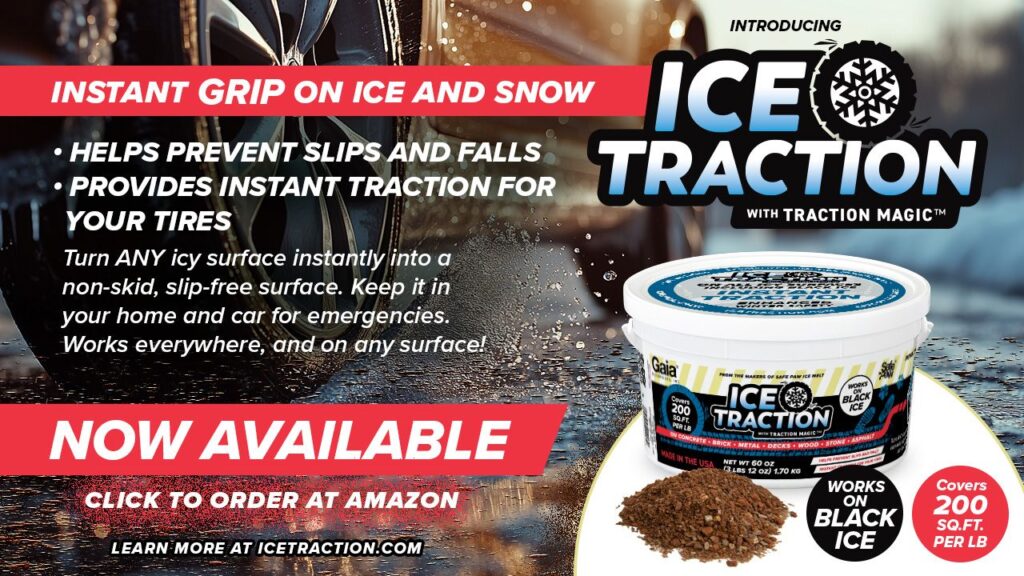
Ice Traction (with Traction Magic™)
Ice Traction (with Traction Magic™) is your go-to winter solution for driveways, walkways, parking lots — and even black ice on the road. Unlike salt or ice melts, it delivers instant grip on snow and slippery surfaces with no wait time. Just spread and go.

Safe Thaw
Imagine an ice melt you can put down and never worry about. It won’t harm pets, kids and your property. That’s Safe Thaw. Unlike anything else on the market, Safe Thaw can change how winter affects our planet.
Related Articles
- What Are Concrete Pops and What Causes Them?
- How Poor Concrete Work Increases the Risk of Deicer Damage
- What Factors Determine Whether Damaged Concrete Needs Resurfacing or Full Replacement?
- If Concrete Is Well Maintained, Yet It Was Damaged—Was the Product at Fault?
- Why Resurfacing is Often Better Than Replacing Scaled Concrete