


5 Ways to Support Local Shelters During Winter Prep
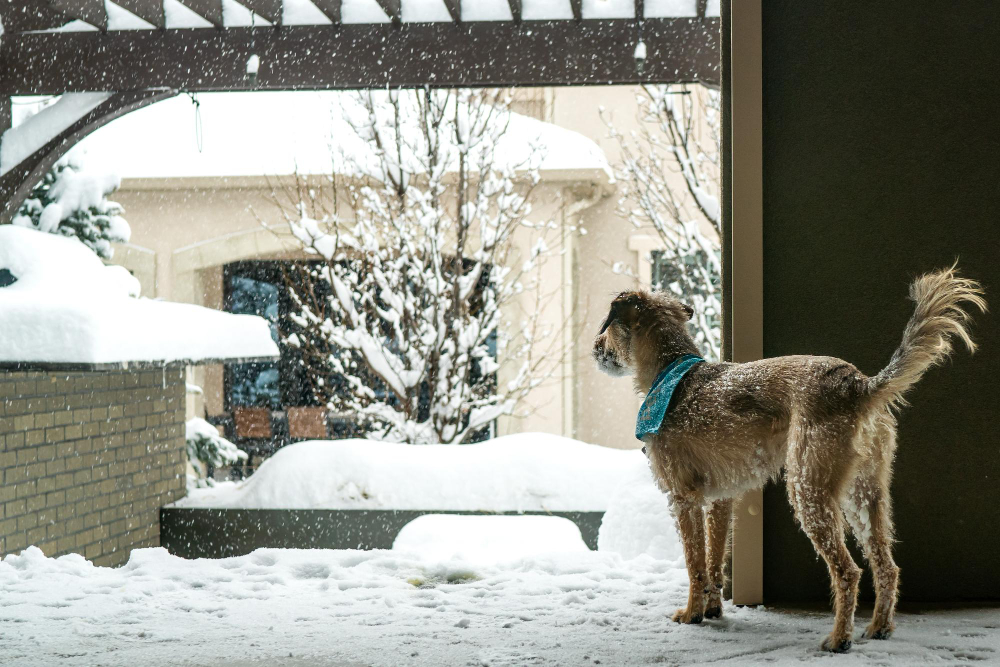
The days are getting shorter, temperatures are dropping, and the first whisper of winter is in the air. As we cozy up our homes and prepare for colder months, it’s easy to forget about the unsung heroes working tirelessly to protect vulnerable animals: our local shelters and rescues.
Winter is arguably the toughest season for animal shelters across the USA. Not only do they face increased heating bills, but the challenges of caring for animals in cold weather multiply.
This Animal Shelter Appreciation Week (typically the first full week of November, November 3-9, 2024)—a perfect time to shine a light on their incredible efforts—let’s explore five impactful ways you can support your local shelters as they brace for winter.
1. Provide Essential Winter Supplies
During winter, shelters have an acute need for specific items to keep animals warm and comfortable.
- Blankets & Towels: These are always in high demand. Old blankets, towels, comforters, and even durable sheets provide crucial warmth and bedding.
- Heated Beds & K&H Outdoor Items: For outdoor cat colonies or dog houses, heated outdoor pet beds or insulated shelters (like those from K&H Pet Products) can be life-saving. While a bigger ask, these are invaluable donations.
- Cleaning Supplies: Winter means more muddy paws and more indoor time, which translates to a higher need for pet-safe cleaning solutions, bleach, paper towels, and laundry detergent. Keeping enclosures clean is paramount to preventing illness.
Check your local shelter’s website or social media for their specific “wish list.” Many have Amazon wish lists or partnerships with local stores for easy donation.
Animal shelters face increased demand for blankets, heated bedding, and cleaning supplies during winter to ensure animal welfare and hygiene in colder conditions.
Pet-Friendly Ice Melt
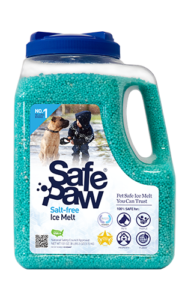
Pet Safe Ice Melt – Safe Paw
The Original and the #1 Pet and Child Safe Ice Melt for over 20 years. Guaranteed environmentally safe – will not harm waterways and sensitive wetlands.
2. Donate Critically Needed Funds
While physical donations are wonderful, financial contributions offer the most flexibility. Shelters can use funds to cover their most pressing and often escalating winter expenses.
- Heating Bills: Keeping kennels and catteries warm is a massive undertaking, and utility costs skyrocket in winter.
- Emergency Vet Care: Cold-weather injuries (like frostbite) and illnesses (such as upper respiratory infections) can increase, requiring costly veterinary treatment.
- Specialized Food: Some animals require specific diets, especially if they are elderly or have health conditions exacerbated by cold.
- Data Point: The ASPCA highlights that financial donations are crucial for operational costs, allowing shelters to allocate resources where they are most needed, especially during peak seasons like winter.

3. Volunteer Your Time (Indoors & Out)
Your time can be just as valuable as monetary donations, especially when winter weather hits.
- Indoor Help: Shelters often need help cleaning kennels, socializing animals, walking dogs indoors, or helping with administrative tasks.
- Outdoor Help (Weather Permitting): Clearing snow from pathways, filling outdoor cat shelters, or helping with transport to vet appointments (if you have a suitable vehicle) can be invaluable.
- Foster a Pet: The ultimate volunteer act. Fostering a pet, even for a short period, frees up critical kennel space, reduces stress on the animal, and allows them to decompress in a warm home environment. This is especially vital for vulnerable animals (sick, elderly, or very young).
Fostering pets provides essential relief to overcrowded shelters, significantly reducing animal stress and freeing up critical resources during challenging winter months.
4. Advocate for Responsible Pet Ownership
One of the best ways to support shelters long-term is to reduce the influx of animals.
- Spay/Neuter: Support or promote low-cost spay/neuter programs to control pet overpopulation, which eases shelter burden year-round.
- Microchip & ID: Advocate for proper identification for all pets. Winter weather, with its potential for lost pets, underscores the importance of updated microchips and ID tags.
- Educate Others: Share information about cold-weather pet safety, including the dangers of leaving pets exposed to the elements.
5. Share Their Stories & Needs
Social media is a powerful tool. Use your platforms to amplify your local shelter’s message.
- “Share” is a Donation: Share posts about adoptable animals, urgent needs, or specific winter drives. A single share can connect an animal with a forever home or a crucial donor.
- Fundraisers: Start an online fundraiser for your local shelter on platforms like Facebook or Instagram.
Conclusion
This Animal Shelter Appreciation Week, remember that the true spirit of caring for animals extends beyond our own homes. Local shelters are a lifeline for countless pets, and winter brings immense challenges that stretch their resources to the limit.
By offering financial aid, donating crucial supplies, volunteering your time, advocating for responsible pet ownership, or simply sharing their stories, you can make a tangible and profound difference—perhaps even donating specialized Safe Paw ice melt to keep their walkways safe and non-corrosive.
Your support helps ensure that every animal has a warm, safe, and loving environment, even when the snow falls. Let’s make this winter a little brighter for them all!
FAQs
Other Ice Melt Products
Walk On Ice
Prevent slips at home, work or on the go, The handy disposable canister can be taken everywhere, with the same 100% naturally occurring minerals that provide instant traction on ice or snow.

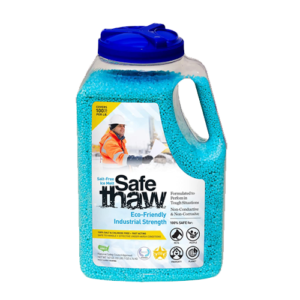
Safe Thaw
Imagine an ice melt you can put down and never worry about. It won’t harm pets, kids and your property. That’s Safe Thaw. Unlike anything else on the market, Safe Thaw can change how winter affects our planet.