


They Sense Our Pain — But Do We Sense Theirs? A Deeper Look for Pet Cancer Awareness Month
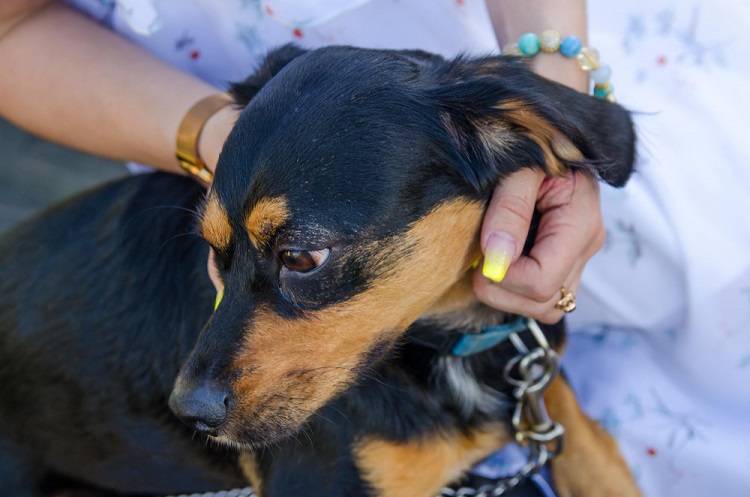
We know the moment our dog senses our sadness. They nudge our hand, curl up close, or simply refuse to leave our side when we’re feeling down. Their emotional radar is sharp, confirming what science has shown: they are the true emotional geniuses of the animal kingdom.
But as we recognize Pet Cancer Awareness Month this November, we need to ask ourselves a crucial question: Are we as good at reading their pain as they are at reading ours?
The unfortunate answer, for many, is no. Pets, especially cats, are masters of disguise. They instinctively hide pain or illness—a survival trait from their wild ancestry—meaning the symptoms of something serious, like cancer, are often subtle. This month, we’re flipping the script. It’s time to turn our awareness outward and learn the signs our beloved companion may be desperately trying to hide.
The Science of Emotional Intelligence
We previously explored how pets use their incredible senses to decode our emotions.
- Dogs: Integrate complex cues—facial expressions, vocal tones, and cortisol (stress hormone) scents—to assess our state.
- Cats: Often express empathy through subtle shifts, like staying closer or adjusting their routine, and also use their sense of smell to gauge our hormones.
This deep emotional link gives us an advantage: we know what “normal” looks and feels like for them. But when it comes to illness, we must look for changes in routine, not just overt pain.
Pet-Friendly Ice Melt
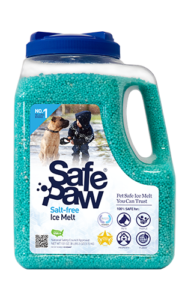
Pet Safe Ice Melt – Safe Paw
The Original and the #1 Pet and Child Safe Ice Melt for over 20 years. Guaranteed environmentally safe – will not harm waterways and sensitive wetlands.
Why Pets Hide Cancer Symptoms
A healthy pet is an active pet. An animal showing weakness in the wild is vulnerable. This ingrained survival mechanism means your pet will minimize discomfort and mask symptoms until the illness is quite advanced.
The key signs of pet cancer are often non-specific and mimic aging. This is the moment where owners realize they missed a subtle shift:
- Weight Loss: Losing weight without a change in diet.
- Lumps & Bumps: Any new or changing mass under the skin.
- Lethargy: Not wanting to take the usual walk or play session.
Feline patients, due to their strong survival instincts, are particularly adept at masking signs of chronic pain and illness, often presenting to the veterinary clinic only when the disease is highly progressed.

5 Critical Signs We Must Actively Look For
We must use our human observational skills to compensate for their evolutionary impulse to hide pain.
- Lumps, Bumps, or Swellings: These are the most direct signs. Perform a “lump check” while grooming every week. Feel their neck, chest, abdomen, and limbs. Don’t just look; feel.
- Unexplained Weight Changes: Pay attention to a sudden loss or gain. If they’re losing weight despite eating normally, it could be a metabolic issue caused by a tumor diverting energy.
- Changes in Toilet Habits: Difficulty urinating, straining, or significant changes in stool quality or frequency.
- Persistent Lameness or Stiffness: A limp that doesn’t resolve after a few days, or a sudden reluctance to jump or use stairs, can be a sign of bone cancer, especially in large breeds.
- Non-Healing Sores: Any wound that doesn’t heal within a week needs immediate veterinary attention.
Early detection of common canine cancers, such as hemangiosarcoma and mast cell tumors, relies heavily on owner vigilance regarding subtle changes in appetite, energy levels, and the presence of new masses.
The Role of Emotional Contagion in Illness
We know that our stress affects our pets’ cortisol levels. But when a pet is ill, their discomfort can also increase our stress, creating a negative feedback loop that harms both parties.
The best way to break this loop is through early, proactive intervention. Knowing what is wrong (even if it’s the worst news) gives you control, reduces anxiety, and allows you to focus on effective pain management and quality of life.
The increasing sophistication of veterinary oncology necessitates a strong partnership between owners and clinicians; timely reporting of clinical signs is paramount to successful treatment outcomes and managing quality of life.
Our Responsibility: Reciprocating the Love
This November, as we mark Pet Cancer Awareness Month, let’s commit to being the active, vigilant partner our pets are for us. They read our sadness and rush to comfort; we must learn to read their subtle withdrawal and act quickly.
Be the empath your pet deserves. Be observant, be consistent with your checks, and never hesitate to ask your veterinarian about that “just a little off” feeling. Your proactive attention is the ultimate act of love.
FAQs
Other Ice Melt Products
Walk On Ice
Prevent slips at home, work or on the go, The handy disposable canister can be taken everywhere, with the same 100% naturally occurring minerals that provide instant traction on ice or snow.

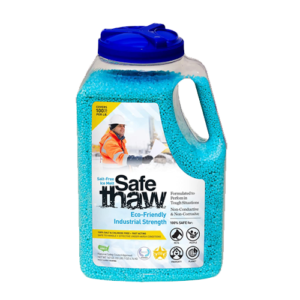
Safe Thaw
Imagine an ice melt you can put down and never worry about. It won’t harm pets, kids and your property. That’s Safe Thaw. Unlike anything else on the market, Safe Thaw can change how winter affects our planet.