



The Real Utility Of The Defrost Button In Cars
The front defrost button clears fog and helps loosen frost on the windshield by directing conditioned airflow toward the windshield and, in many vehicles, the front side windows. The system commonly increases airflow, uses warmer air, selects outside air, and may activate the air-conditioning compressor to reduce cabin humidity. The rear defrost button works differently: it uses electrically heated lines in the rear glass and may also activate heated side mirrors. Exact operation varies by vehicle, so check the owner’s manual for model-specific instructions.
There’s a moment every driver has experienced at least once: a chilly morning, a hurried schedule, and a windshield completely fogged up or covered in frost. Enter the savior – the defrost button in cars. While most drivers have used this button, not everyone is acquainted with how it operates and its actual benefits. Let’s dive deep into the real utility of this remarkable feature.
Key Takeaways
- The front defrost setting directs airflow toward the windshield and usually the front side windows.
- Warm air helps raise the glass temperature, while air conditioning can remove moisture from cabin air.
- Outside-air mode is generally more effective than recirculation when moisture is trapped inside the vehicle.
- The rear defrost button normally heats electrical elements in the rear glass rather than directing air toward it.
- A defroster can clear interior fog and help loosen exterior frost, but it may not remove thick ice by itself.
- Use an appropriate ice scraper for exterior ice after the glass begins warming.
- Do not drive until the windshield, windows, mirrors, lights, and other required viewing areas are clear.
- Vehicle controls differ, so the owner’s manual should be checked for the exact sequence and symbols.
Interior Fog and Exterior Frost Are Different Problems
Interior fog forms when moist cabin air contacts cooler glass and water vapor condenses on the inside surface. Exterior frost or ice forms on the outside of the glass. The front defrost setting can address both conditions by warming the windshield, but thick exterior ice may also require careful mechanical removal.
Interior Windshield Fog vs Exterior Windshield Frost
| Condition | Interior fog | Exterior frost or ice |
| Location | Inside surface of glass | Outside surface of glass |
| Main cause | Moist cabin air condensing on cold glass | Exterior moisture freezing on cold glass |
| Useful control | Front defrost with conditioned airflow | Front defrost combined with exterior clearing |
| Air conditioning | Can help remove cabin moisture | Not the primary removal mechanism |
| Outside-air mode | Often helpful | Indirect benefit |
| Scraper needed | No | Often needed for thick ice |
| Wipers | Use only after glass is clear enough and blades are free | Do not activate if frozen to the glass |
Why Air Conditioning May Turn On During Defrosting
In many vehicles, selecting front defrost also activates the air-conditioning compressor. This does not necessarily mean the system is trying to cool the cabin. The air-conditioning system can remove moisture from the air before that air is warmed and directed toward the windshield. Drier air can absorb moisture from the inside surface of the glass more effectively.
Why Outside Air Usually Helps
Recirculation retains cabin air, which may contain moisture from breathing, wet clothing, snow, or damp floor mats. Defrost mode commonly selects outside air because colder outside air often contains less total moisture and can be heated before reaching the windshield. Some vehicles make this change automatically.
How Rear Defrosting Works
The rear defrost button generally activates conductive heating elements attached to or embedded in the rear glass. These lines warm the glass to clear condensation and frost. In some vehicles, the same control also activates heated exterior mirrors.
How to Defog a Windshield Efficiently
- Start the vehicle and select front defrost mode.
- Increase the fan speed. More airflow generally speeds moisture removal.
- Select a warmer temperature. Warm air helps raise the glass temperature.
- Allow the air-conditioning function to operate if the vehicle activates it. This can reduce humidity.
- Use outside-air mode rather than recirculation when recommended by the vehicle manual.
- Remove sources of excess moisture where practical. Wet coats, snow-covered footwear, and damp floor mats add humidity.
- Clear exterior snow and loosened ice with suitable tools.
- Wait until visibility is fully restored before moving the vehicle.
- Return the climate controls to the preferred setting after the glass is clear.
Toyota’s vehicle instructions, for example, recommend selecting the windshield defogger, using outside-air mode where recirculation was active, and increasing airflow and temperature for faster clearing. Toyota Owners: Windshield Defogging Instructions
Front Defrost vs Rear Defrost in Cars
| Feature | Front defrost | Rear defrost |
| Primary area | Windshield and often front side windows | Rear window |
| Main mechanism | Conditioned airflow from the HVAC system | Electrical heating elements in the glass |
| Heat source | Vehicle heating system | Electric resistance grid |
| Humidity control | May use the A/C compressor | Does not dehumidify cabin air |
| Air intake | Often selects outside air | Not applicable |
| Fan operation | Usually required | Not required for the rear glass |
| Exterior frost | Helps warm and loosen it | Heating elements melt or loosen it |
| Automatic shutoff | Varies by vehicle | Common on many vehicles |
| Additional function | May clear front side windows | May activate heated side mirrors |
Best Defrost Setting for Common Windshield Conditions
| Situation | Best starting approach | Additional action |
| Interior fog in cold weather | Front defrost, warmer temperature, higher fan speed, outside air | Allow A/C-assisted dehumidification if activated |
| Light exterior frost | Front defrost | Use a suitable scraper after the glass begins warming |
| Thick exterior ice | Front defrost and vehicle-approved winter preparation | Remove loose snow and scrape carefully |
| Fog on rear glass | Rear defrost | Confirm heating lines are working |
| Fog on side mirrors | Heated-mirror control, if equipped | Wipe only when appropriate and without damaging the surface |
| Repeated interior fog | Front defrost plus moisture reduction | Dry wet mats and check cabin airflow |
| Exterior fog in warm, humid weather | Reduce excessive windshield cooling | Use wipers if appropriate |
| Defrost system not producing airflow | Check control settings and vents | Consult the vehicle manual or obtain system inspection |
Car Defrost Mode Benefits and Limitations
| Feature | Benefit | Limitation |
| Airflow directed at windshield | Concentrates conditioned air on the glass | May take time when the engine and glass are very cold |
| Heated air | Warms the glass and helps evaporate interior moisture | Heat alone may be slow if cabin humidity remains high |
| Air-conditioning-assisted dehumidification | Removes moisture from cabin air | Compressor operation varies by vehicle and temperature |
| Outside-air mode | Helps replace humid cabin air | Very humid outside conditions may reduce the advantage |
| High fan speed | Moves more conditioned air across the glass | Can increase cabin noise |
| Rear heating grid | Clears rear-glass fog and frost without airflow ducts | Does not clear the front windshield |
| Automatic shutoff | Limits unnecessary rear-grid operation | Shutoff timing varies between vehicles |
| Windshield defrosting | Helps loosen frost and improve visibility | Does not replace an ice scraper for thick exterior ice |
Pet Safe Ice Melt – Safe Paw

Safe Paw, Child Plant Dog Paw & Pet Safe Ice Melt -35lb, 36 Pails

Safe Paw, Child Plant Dog Paw & Pet Safe Ice Melt -22lb, 100Bboxes
Safe Paw, Child Plant Dog Paw Pet Safe Ice Melt, 160 Jugs

Pet Products Powered By EzPz.pet


Understanding the Basics of Having defroster in car
The defrost button in cars activates the defroster system, designed to remove frost, ice, or condensation from the car’s windshield and rear window. But how does it work?
- Directing Airflow: When you activate the defrost button, the car’s ventilation system channels airflow directly to the windshield and sometimes the rear window.
- Warm Air: The air is often heated to enhance the defrosting process, speeding up the removal of frost or condensation.
- Air Conditioning: Surprisingly, in many vehicles, pressing the defrost button also activates the air conditioner. This helps dehumidify the air, which aids in defogging the interior of the windshield.

Defrosting Warnings and Limitations
- Do not rely on a small cleared opening in the windshield; clear the complete viewing area.
- Do not drive while fog, frost, snow, or ice continues to obstruct visibility.
- Do not pour very hot water onto cold automotive glass because rapid temperature change may damage the glass.
- Do not use an ice-melting product on the windshield or vehicle unless the vehicle documentation and product instructions explicitly identify that application.
- Do not activate windshield wipers while the blades are frozen to the glass.
- Do not use sharp metal tools to scrape automotive glass.
- Do not scrape the inside of the rear window with a sharp object because the heating lines can be damaged.
- Do not attach stickers or other objects over rear-window heating lines.
- Do not assume every defrost button activates the same components.
- Do not leave climate-control equipment running unnecessarily while the vehicle is off if the vehicle manual warns of battery discharge.
- Exterior fog can occasionally occur in warm, humid weather when the glass becomes cooler than the outside air. In that situation, using maximum heat may not be the appropriate response.
- A defroster that produces little airflow, no heat, or no rear-grid response may require inspection.
NHTSA recommends confirming that defrosters and windshield wipers work before winter travel and carrying a snow brush and ice scraper. NHTSA: Winter Driving Tips
Eco Friendly Ice Melt
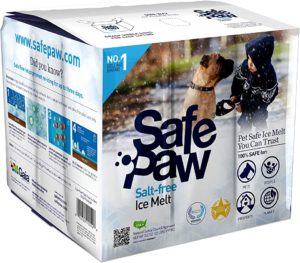
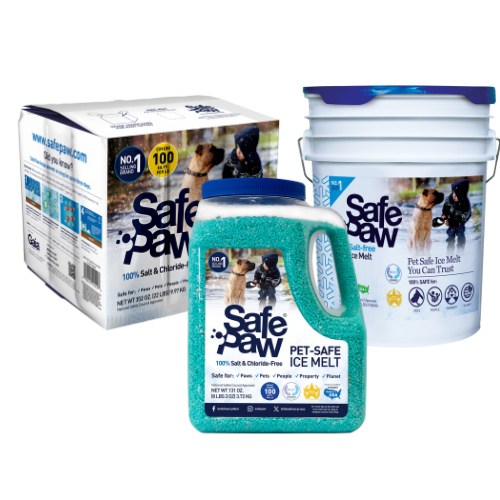
Pet Friendly Ice Melt – Safe Paw!
The Original and the #1 Child and Pet Safe Ice Melt for over 20 years. Guaranteed environmentally safe – will not harm waterways and sensitive wetlands.
Why It’s Indispensable
- Safety First: A clear windshield is essential for safe driving. Obstructed views can lead to misjudgments and accidents.
- Comfort: No one enjoys driving in a cold car with foggy windows. The defrost button ensures you have a clear, comfortable drive.
- Protection: Constant frost on the windshield can degrade its quality over time. Regularly using the defroster can prolong the lifespan of your car’s windshield.
Common Misconceptions
Many people assume that they can use anything to remove ice, including hot water or even salt. While these might seem effective, they can harm your vehicle and the environment.
- The Problem with Salt: It’s not uncommon for people to throw salt on their cars to melt the ice. But here’s why it’s a bad idea:
- Corrosion: Salt can be corrosive. Sprinkling it can lead to corrosion of metal components, reducing the vehicle’s longevity.
- Environmental Impact: The runoff from cars eventually finds its way to the environment. Excessive salt can contaminate water sources and harm aquatic life.
- Residue: Salt can leave residue on your car and can be challenging to clean off.
A Better Alternative: Safe Paw
For those who live in extremely cold climates where a defrost button might not be enough to combat heavy icing, Safe Paw is a commendable alternative:
- No Damage: Unlike salt, Safe Paw’s non-corrosive formula ensures your car and driveway remain intact. Its non-conductive nature makes it safe on cured concrete.
- Safety First: Made with pets and kids in mind, Safe Paw ensures no harm, even if ingested. You can comfortably use it around your home without any worries.
- Cost-Effective: Thanks to its concentrated formula, you’ll use less of it as compared to traditional salt, ensuring an ice-free surface for up to 72 hours.
- Eco-Conscious: With a formula that’s salt-free, chlorine-free, and acetate-free, Safe Paw is a green choice.
- User-Friendly: The product comes in an easy-to-use jug, ensuring immediate application for driveways and cars, promising safety and efficiency.
Gaia Enterprises Inc. delivers 100% pet-safe and environmentally friendly winter products. Safe Paw, our flagship product, is the #1 selling pet-safe ice melt that does not harm pets, safe if ingested, and safe on all types of concrete.
In Conclusion
The front defrost button improves windshield visibility by directing conditioned air toward the glass. Depending on the vehicle, the system may add heat, increase airflow, select outside air, and use air conditioning to reduce humidity. The rear defroster is a separate electrical heating system and may also warm the side mirrors. Defrosting can clear interior fog and loosen exterior frost, but thick snow or ice still requires appropriate exterior removal. Because systems differ, use the vehicle owner’s manual for the exact controls and operating sequence.
Frequently Asked Questions About Car Defrosting
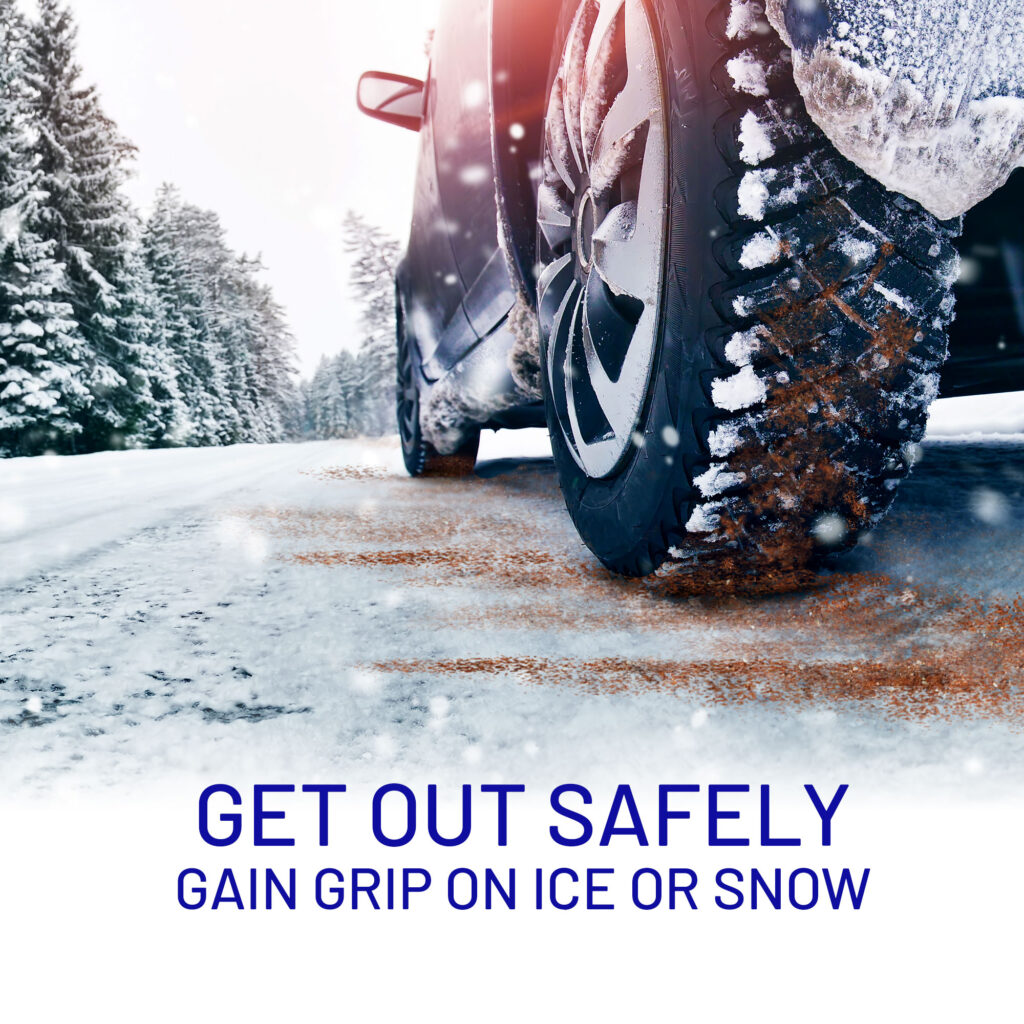
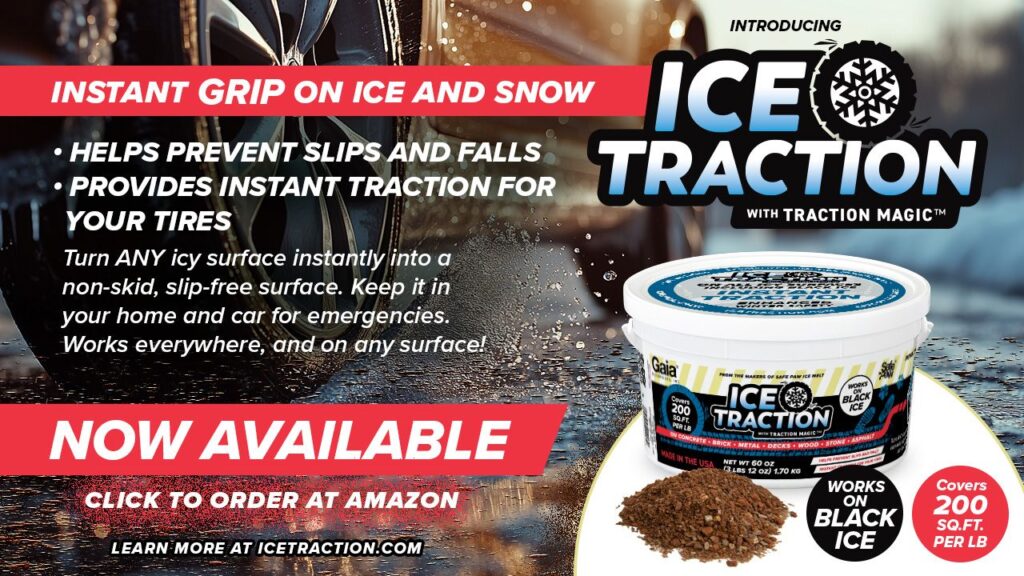
Stay safe and confident this winter with Traction Magic!
This innovative, 100% natural product offers instant traction on any icy surface. Whether you’re navigating your sidewalk, steps, or driveway, Traction Magic helps you stay upright and prevents falls.
Try Our Other Winter Safety Products
Walk On Ice
Prevent slips at home, work or on the go, The handy disposable canister can be taken everywhere, with the same 100% naturally occurring minerals that provide instant traction on ice or snow.
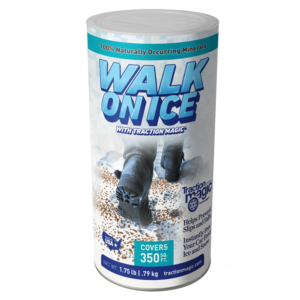
Traction Magic
Stay safe on slippery surfaces with a product that’s 100% natural and safe for pets, people, and your property. Use Traction Magic on sidewalks, steps, or as instant traction for your car.
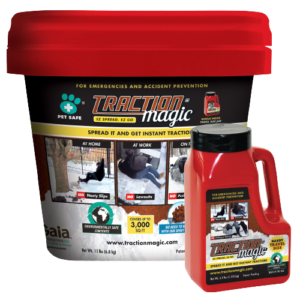
Walk On Ice
Prevent slips at home, work or on the go, The handy disposable canister can be taken everywhere, with the same 100% naturally occurring minerals that provide instant traction on ice or snow.
Safe Thaw
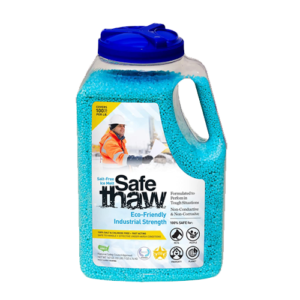
Imagine an ice melt you can put down and never worry about. It won’t harm pets, kids and your property. That’s Safe Thaw. Unlike anything else on the market, Safe Thaw can change how winter affects our planet.

Related Articles
- How to Defrost Your Car: Quick Methods and Winter Parking Tips
- Parking Your Car Outside in Cold Weather: Risks and Precautions
- Leaving a Car Outside in Winter: Risks and Defrosting Tips
- Is Parking Your Car Outside in Winter Harmful? Risks and Prevention Tips
- How Long Does It Take to Defrost Your Car? Efficient Winter Tips