



Best Snow Shovel – Plastic Or Metal: What To Choose?
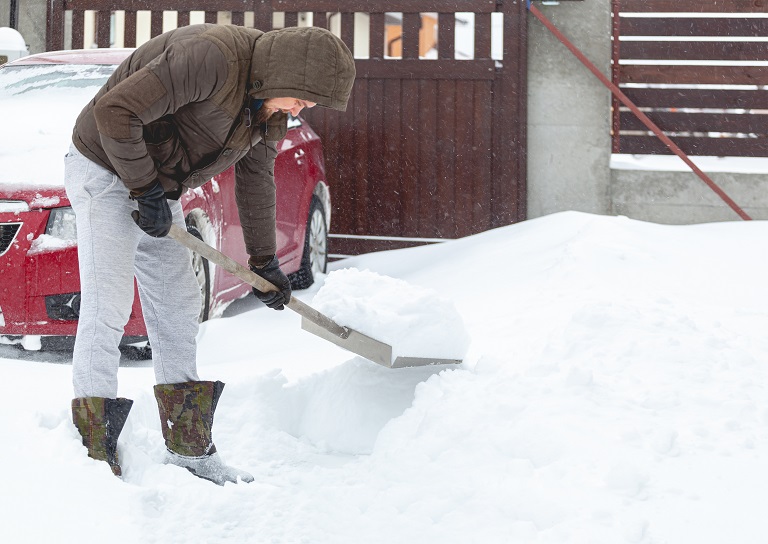
The best snow shovel depends on the type of snow and surface you need to clear. Plastic snow shovels are lightweight and easier to handle for regular snowfall, while metal snow shovels provide stronger scraping ability for packed snow and hard ice. Many homeowners choose based on snow conditions, driveway material, and physical effort required.
Choose Plastic Snow Shovel If:
✔ You need a lightweight option
✔ You clear regular snowfall
✔ You want easier handling
Choose Metal Snow Shovel If:
✔ You remove packed snow or ice
✔ You need stronger scraping ability
✔ You need a more durable edge
Key Takeaways: Plastic vs Metal Snow Shovels
- Plastic snow shovels are lightweight and reduce physical strain during regular snow removal.
- Metal snow shovels provide stronger scraping performance for packed snow and ice.
- Plastic blades are less likely to scratch delicate surfaces.
- Metal blades may handle frozen surfaces better but require more care around sensitive materials.
- Snow conditions, driveway surface, and user comfort should guide selection.
- Ice-control products address slippery ice separately from snow removal tools.
The snow shovel is an essential winter tool. We often have to remove snow from our homes, sheds, and cars in addition to maintaining the driveway and walks clear of snow so that they are not damaged by heavy snowfall. A snowblower can be an alternative to shoveling snow, but the best snow shovel –plastic or metal, on the other hand, is and always will be the most prevalent method for residential properties.
Plastic vs Metal Snow Shovel Comparison
| Feature | Plastic Snow Shovel | Metal Snow Shovel |
| Weight | Lightweight and easier to handle | Usually heavier |
| Best Use | Fresh snowfall and routine clearing | Packed snow and hard ice |
| Scraping Ability | Moderate | Stronger scraping ability |
| Durability | Can crack under heavy stress | Generally more durable |
| Surface Protection | Less likely to scratch surfaces | May scratch delicate surfaces |
| Snow Release | Often less snow sticks | Snow may stick more easily |
| Physical Effort | Lower effort | Requires more effort |
Metal Snow Shovels: Durability and Chipping Power for Hard Ice
Metal shovels were first presented as steel shovels, which were extremely heavy and oversized. They were often small due to their weight; the more significant the blade, the more serious the shovel. However, they are now made of lightweight aluminum. Metal shovels are prone to bending or warping, and snow tends to stick to them. It makes them considerably easier to use and enables a wide range of forms and sizes. An alternative to shoveling snow is using Safe Paw ice melt which is non-toxic, pet safe, and environment friendly.
Metal Snow Shovels: Stronger Scraping for Packed Snow and Ice
Modern metal snow shovels, often made from lightweight aluminum, provide durability and stronger scraping ability for packed snow and icy surfaces. However, they may require more effort to handle and can be less suitable for delicate surfaces.
Metal Snow Shovel Pros and Cons
| Pros | Cons |
| Cuts through packed snow and ice | Heavier than plastic |
| Strong scraping edge | May scratch delicate surfaces |
| Durable construction | Snow may stick more easily |
Plastic Snow Shovels: Lightweight and Easy to Handle
Plastic snow shovels are lightweight, easy to maneuver, and often reduce snow sticking because of their smooth surfaces. Their main limitation is that plastic blades may crack or break under heavy stress or when used on hard ice.
Plastic Snow Shovel Pros and Cons
| Pros | Cons |
| Lightweight | Less effective on hard ice |
| Easier for frequent use | Can crack under stress |
| Less likely to scratch surfaces | Lower scraping strength |
Safe Paw Eco-friendly Ice Melt
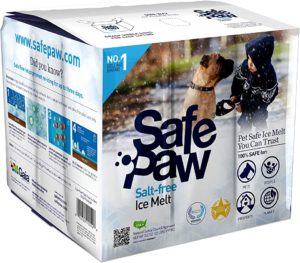
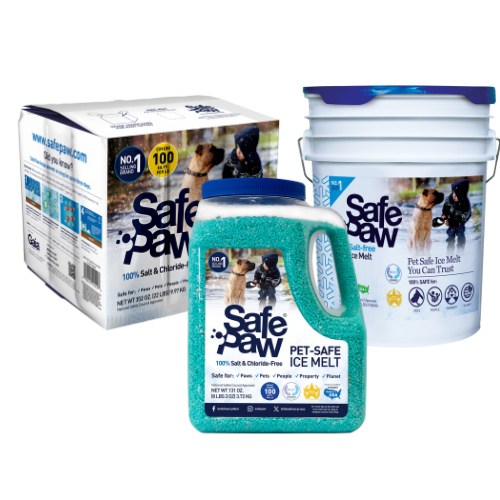
Pet Friendly Ice Melt – Safe Paw!
The Original and the #1 Child and Pet Safe Ice Melt for over 20 years. Guaranteed environmentally safe – will not harm waterways and sensitive wetlands.
Plastic Snow Shovels: Lightweight and Non-Stick Solutions for Winter
Plastic shovels are incredibly light when it comes to how to remove ice. They’re also available in a variety of forms and sizes. They also come in a variety of hues, giving you endless options. Snow does not adhere to plastic shovels as much as metal shovels since they are commonly coated with a non-stick coating. They won’t bend or warp, either. A plastic shovel’s most significant issue is that it will shatter or snap. The quality and kind of plastic used in constructing a shovel will significantly impact the shovel’s ability to break.
Is a Metal Snow Shovel Better for Ice?
Metal snow shovels are generally more effective for breaking through packed snow and thin ice because their edges provide stronger scraping power. However, they may not be the best choice for every surface or user because of weight and scratching concerns.
Best Snow Shovel Based on Driveway Type
| Driveway Surface | Recommended Consideration |
| Concrete driveway | Choose a shovel that removes snow without damaging the surface |
| Asphalt driveway | Consider durability and scraping needs |
| Gravel driveway | Avoid aggressive scraping that may disturb loose material |
| Brick/paver driveway | Use tools suitable for delicate surfaces |
Snow Shovel Buying Checklist
✔ Average snowfall amount
✔ Type of snow (light, wet, packed, icy)
✔ Driveway material
✔ User strength and comfort
✔ Storage space
✔ Handle design and ergonomics
How to Reduce Strain While Shoveling Snow
- Choose a shovel size appropriate for your strength.
- Avoid lifting excessively heavy loads.
- Push snow when possible instead of lifting.
- Keep a stable stance.
- Take breaks during heavy snowfall.
Expert Snow Shoveling Tips for a Safer and Faster Winter Routine
Whether you’re clearing a driveway or sidewalk, these snow removal tips can help make the process smoother:
- Shovel Early and Often: Don’t wait for the snow to pile up too high. It’s much easier to clear snow in layers. Shoveling fresh snow prevents it from packing down, which can make removal much harder and increase the risk of slipping.
- Use Proper Technique: It’s not just about moving snow but doing it safely. Stand with your feet hip-width apart, bend your knees slightly, and use your legs to lift. Avoid twisting your back as you shovel; instead, try to push the snow to the side.
- Take Breaks: Shoveling is physically demanding. If you’re working in cold conditions, taking a break every 15-20 minutes can prevent overexertion. Also, be mindful of signs of fatigue, as they can make you more prone to injury.
Snow Shovel vs Ice Melt: Different Winter Tasks
| Task | Tool/Product Type |
| Remove snow accumulation | Snow shovel |
| Break packed snow | Metal shovel edge |
| Reduce slippery ice | Ice-control products |
| Improve traction | Traction materials |
Ergonomic Snow Shovel Guide: How to Reduce Back Strain and Fatigue
An ergonomic snow shovel can reduce stress on your back and make snow removal more manageable. Ergonomic designs typically feature bent handles to reduce the need to bend over as much, which minimizes strain.
- Opt for Lightweight Materials: Look for shovels made of lightweight materials like plastic or aluminum. These are easy to lift and maneuver but sturdy enough to handle heavy snow.
- Choose the Right Size: If the blade is too large, it can be challenging to lift, especially if the snow is dense. Smaller blades, while requiring more passes, reduce the amount of weight per scoop, making it easier on your body.
- Consider a Bent or Adjustable Handle: A bent-handle shovel can help keep your back straighter as you lift and throw snow. Adjustable handles can be beneficial because they allow you to change the height according to your preference.
Shoveling snow places sudden stress on the heart, making it a high-risk activity for people with underlying cardiac conditions.
Snow Shovel Maintenance: Tips to Make Your Winter Tools Last Longer
Your snow shovel maintenance routine will ensure the tool is ready when you need it most.
- Keep the Blade Sharp: If your shovel has a metal blade, keep it sharp for easier cutting through hard snow. Regularly inspect it for nicks and sand down any rough edges.
- Lubricate the Blade: Snow can stick to the blade, making shoveling more difficult. To reduce sticking, apply a light coat of non-stick spray or cooking oil to the blade before you start. It’s a small trick but effective!
- Store Properly: Avoid leaving your snow shovel exposed to moisture or extreme cold, as this can damage the handle or cause the metal to rust. Hang it in a dry space to prolong its life.
Why Choosing the Best Snow Shovel Matters for Driveway Snow Removal
Once snow sticks, removal becomes essential for preventing slips, protecting driveways, and maintaining accessibility. Your snow shovel is the frontline tool — and the right material (metal or plastic) determines how well you handle different types of snow and ice.
Although snowblowers help, the snow shovel remains the most commonly used winter tool for households.
Although snowblowers help, the snow shovel remains the most commonly used winter tool for households.
- The right shovel reduces strain on your back and shoulders, lowering the risk of winter injuries.
- A well-designed shovel blade clears snow faster, reducing the time you spend in freezing temperatures.
- Ergonomic handles improve grip and stability, especially when lifting heavy, wet snow.
- Correct shovel width helps you navigate narrow walkways, steps, and tight areas more easily.
- A durable shovel prevents scratches on delicate surfaces like wooden decks or decorative concrete.
- Lightweight materials reduce fatigue, allowing you to work longer without overexertion.
Snow begins to accumulate when surface temperatures fall to 32°F or below.
Exposure to salt-based ice melts can cause chemical burns to pet paws and gastrointestinal distress if licked.
Pet Safe Ice Melt – Safe Paw
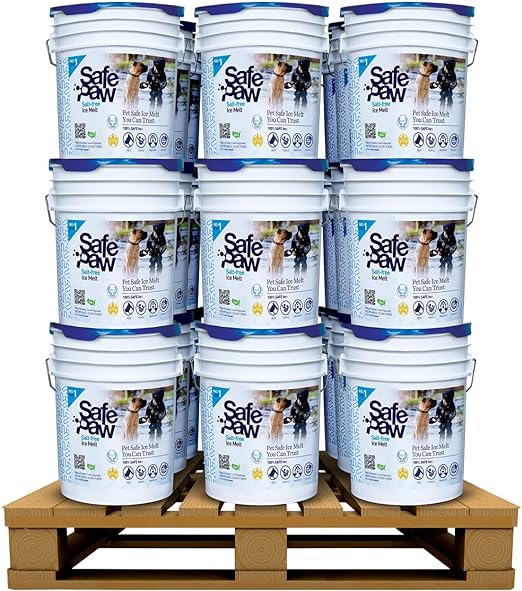
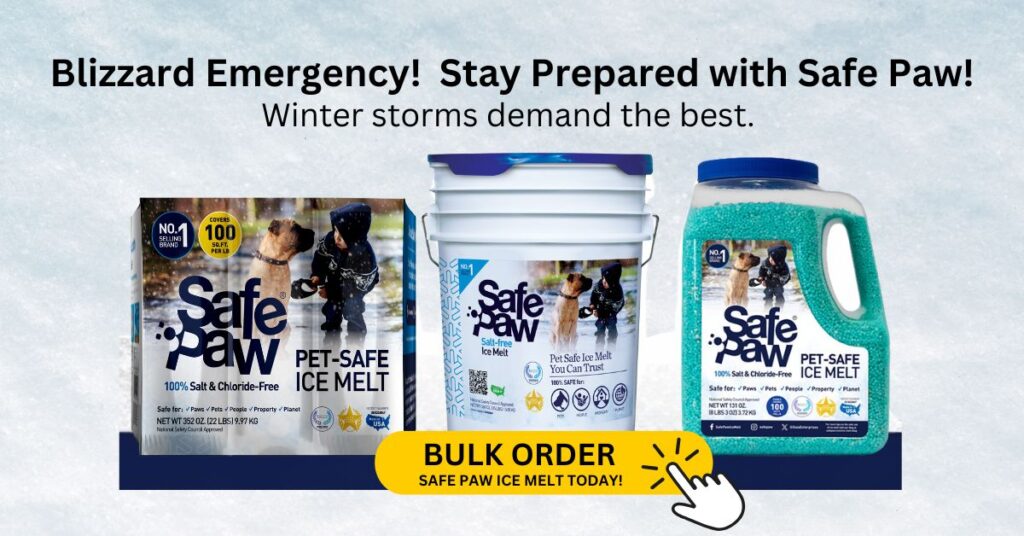
Safe Paw, Child Plant Dog Paw & Pet Safe Ice Melt -35lb, 36 Pails

Safe Paw, Child Plant Dog Paw & Pet Safe Ice Melt -22lb, 100Bboxes
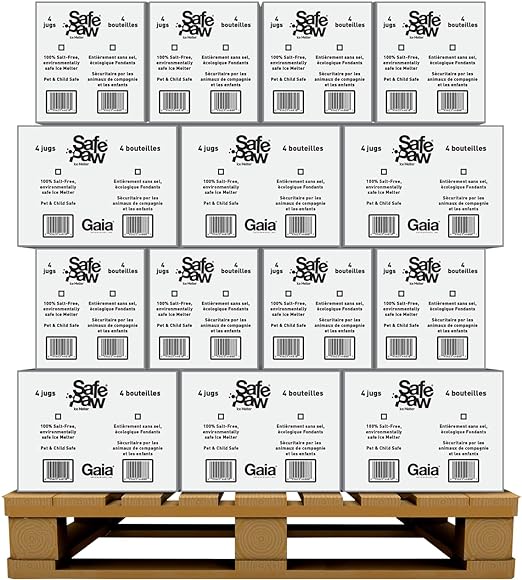
Safe Paw, Child Plant Dog Paw Pet Safe Ice Melt, 160 Jugs

Pet Products Powered By EzPz.pet


How to Choose the Best Snow Shovel for Driveways and Sidewalks
Consider the following when choosing a snow shovel:
- Shovel Type: Decide between plastic and metal based on your priorities.
- Handle Length: Opt for a handle length that suits your height and prevents excessive bending.
- Blade Size: Choose a blade size that matches your strength and the area you need to clear.
- Ergonomics: Look for ergonomic designs that minimize strain on your back and shoulders.
- Weight: Choose a shovel with a weight you can comfortably lift and maneuver.
When the white stuff starts to fall, it’s always wise to be prepared as a homeowner. Nobody likes to be stuck with a snow-covered sidewalk or driveway and no way to get out of the house or garage. It is when a basic snow shovel comes in handy. Using safe deicers is another excellent choice. Safe Paw is a non-toxic ice melter that is safe not only for your home but also for your pet and children.
Metal vs. Plastic: Is a Metal Snow Shovel Better for Packed Ice?
Metal Shovel Advantages
- Cuts through packed snow and ice
- Excellent scraping ability
- Durable aluminum options now lighter
Metal Shovel Disadvantages
- Heavier → more back strain
- Snow sticks more frequently
- Can scratch decks, wood, or delicate surfaces
Metal shovels are the best choice for thick ice, but not ideal for users needing lighter tools.
Metal blades provide better chipping power but increase weight and user fatigue.
When is a Plastic Snow Shovel Better Than a Metal One?
Plastic shovels are popular for being lightweight and easy to maneuver.
Plastic Shovel Advantages
- Very light → reduces fatigue
- Snow sticks less
- Won’t damage surfaces
- Easier for repeated lifting
Plastic Shovel Disadvantages
- Can crack in extreme cold
- Not good for chipping ice
- Prone to snapping depending on plastic quality
Choose plastic for fresh, light snow or for users who prioritize easy lifting.
Should You Choose a Hybrid Snow Shovel Instead?
Hybrid Snow Shovels: Combining Plastic Blades with Metal Wear Strips
- Plastic blade for lightweight handling
- Metal cutting strip for scraping power
This is ideal for homeowners who want both easy use and durability. Hybrid blades glide easily over decks and walkways without scratching, while the metal edge breaks through compacted snow and thin ice more effectively than plastic alone. They also last longer than all-plastic shovels and are easier to control than fully metal versions, making them a smart middle-ground option for mixed winter conditions.
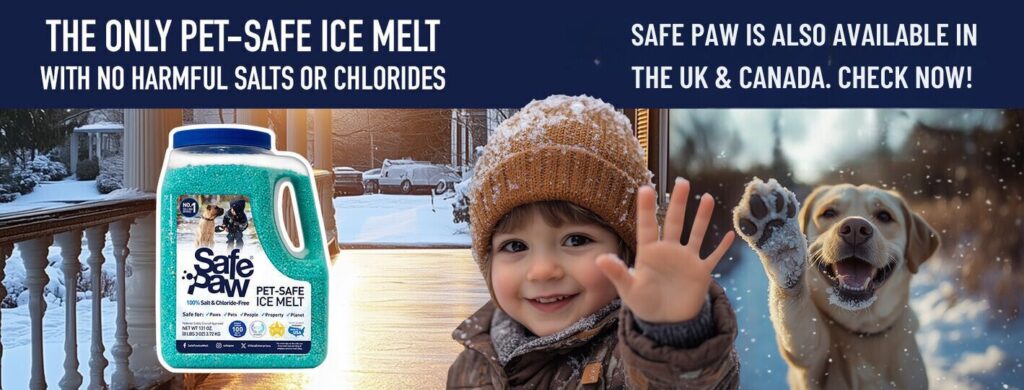
Gaia Enterprises Inc. delivers 100% pet-safe and environmentally friendly winter products. Safe Paw, our flagship product, is the #1 selling pet-safe ice melt that does not harm pets, safe if ingested, and safe on all types of concrete.
Metal Vs Plastic Material Best for Snow Shovel Blade?
- A metal blade will be more robust and powerful when you are thinking about how to remove ice. It’s made to slash through thick snow or ice. It will be able to transport more snow, but it will also be heavier. Your back may be strained.
- Plastic shovel blades are more lightweight and easy to operate. They’re flexible, which makes it easier for the snow to slide off. If you have a hard driveway or a lot of rock or gravel, plastic is not a good choice for chipping away ice and will damage more readily.
- A hybrid best snow shovel –plastic or metal is a great option. It is with a plastic blade and a metal strip at the end. It has the strength of metal for cutting through ice or shielding the blade’s end from screws, rocks, or other debris.
Proven Snow Shoveling Techniques for Efficiency and Heart Safety
Smart Techniques:
- Shovel early and often
Clearing snow before it compacts prevents heavy buildup, making each round easier and reducing strain on the back and shoulders. - Push rather than lift
Sliding snow forward uses body weight instead of muscle force, lowering the risk of muscle pulls and reducing heart strain. - Bend knees — not your back
Squatting keeps your spine aligned and lets your stronger leg muscles handle the load, preventing lower-back injuries. - Take breaks every 15–20 minutes
Short pauses allow your heart rate to recover, especially important during wet, heavy snowfall that increases exertion. - Wear traction boots
Good grip reduces slip risk on icy surfaces, improving stability and helping you keep proper posture while shoveling.
These upgraded techniques significantly reduce effort, protect your back and joints, and make winter cleanup much safer.
Shoveling is physically demanding and requires warm-ups, breaks, and correct lifting methods to avoid injury.
Push snow rather than lift it; when lifting is necessary, keep loads small and lift with your legs.
Why Using a Pet-Safe Ice Melt is Essential After Shoveling Your Driveway
Shovels remove the bulk of snow — but they don’t stop meltwater from refreezing, which can quickly turn your clean pathway into a slick hazard. Ice melt plays the crucial role of breaking the bond between residual moisture and the surface, preventing the thin, invisible ice layer that causes most slip-and-fall accidents.
Concrete faces similar danger — chloride salts dramatically accelerate scaling, surface loss, and structural deterioration during freeze–thaw cycles.
Salt-based deicers damage:
- Concrete
- Wood
- Metal fasteners
- Plants
- Pets’ paws
Most homeowners don’t realize how destructive chloride salts can be — which is why choosing a chloride-free, salt-free product is essential for both safety and long-term property protection.
According to research, wood absorbs water easily, and once that water freezes inside the pores, it expands and increases long-term cracking risk.
Safe Paw vs. Rock Salt: Why the Best Ice Melt Must Be Pet-Safe
Rock salt may be the most common winter deicer, but it comes with serious downsides for homes, pets, and the environment. According to long-term research from the USGS:
This means every handful of rock salt doesn’t simply “go away.” It enters soil, plants, streams, and drinking water systems — where chloride levels stay elevated for years. For homeowners, this creates long-term damage far beyond winter.
Rock salt also poses a direct risk to animals. PetMD confirms:
Pets walking across salted surfaces can experience cracked paws, chemical burns, vomiting, and serious health complications. Even small exposures happen daily — especially when pets lick their paws after walks.
Because of these dangers, Safe Paw has become the preferred alternative for families who want real winter safety without the chemical risks.
Safe Paw Benefits: Why It’s the Better Choice
- 100% salt-free & chloride-free
No corrosive salts that damage concrete, wood, metal, soil, or groundwater. - Non-toxic and safe if ingested
Extremely important for pets, children, and wildlife exposed to treated areas. - Works at –2°F
Performs reliably in harsh winter conditions while remaining eco-friendly. - Safe for concrete, wood, plants, and pets
No freeze–thaw acceleration, no surface scaling, and no paw irritation. - Leaves no residue
Keeps decks, walkways, and interiors clean — unlike messy rock salt crystals.
Rock salt melts ice, but harms everything else. Safe Paw melts ice without poisoning soil, without corroding your deck or driveway, and without risking your pets’ health. For any home — especially one with children, pets, or decorative surfaces — Safe Paw is the safest winter partner for any snow shovel.
Chloride salts persist in groundwater, accumulate over time, and harm local ecosystems.
Salt-containing ice melts can irritate or burn pet paws and cause illness if licked.
Weather Facts: What Temperature Does Snow Melt At and How to Speed It Up?
Snow technically melts at 32°F (0°C) — but in real outdoor conditions, melting can happen faster, slower, or not at all, depending on what the snow is sitting on and the weather around it. Even if the air is slightly below freezing, strong sunlight or warm surfaces can still cause snow to soften and turn slushy.
Here’s how real-world factors change melt speed:
- Sun warms surfaces
Direct sunlight can heat decks, patios, cars, and driveways above air temperature, making snow melt even if the air feels cold. - Shade slows melting
Snow in shaded areas can stay frozen for hours or even days longer, especially near fences, trees, or on the north side of homes. - Wood cools faster than asphalt
Wood decks lose heat quickly, so snow stays frozen longer on wooden surfaces than on darker, denser materials like asphalt or concrete — which absorb and hold solar heat much better. - Wind can accelerate cooling
Wind removes surface heat, preventing melting even when temperatures hover near freezing. - Humidity and air moisture matter
Dry, cold air increases evaporation, sometimes sublimating snow instead of melting it.
In short, 32°F is only the starting point — actual melt time depends heavily on sun exposure, wind, surface material, and local micro-climates.
Snow begins melting at 32°F, but environmental factors significantly change melt behavior.
How Long Does It Take for Snow to Melt on Different Surfaces?
As much as a great snow shovel helps, understanding how long does it take for snow to melt plays a key role in effective winter prep. The short answer? It depends. Sunlight, surface temperature, snow depth, wind, and the use of ice melt products all influence the melt rate. Fresh, fluffy snow can vanish in a matter of hours on a sunny 40°F day. But packed, icy snowbanks? They can linger for days—even weeks—especially on shaded driveways or wooden decks.
Now, what temperature does snow melt at? Technically, the melting point of snow is 32°F (0°C), but real-world melting is rarely that straightforward. Surfaces like asphalt and wood retain heat differently, meaning snow on darker materials may melt faster, while snow in shaded or elevated areas like decks might take longer. Adding a pet-safe ice melt like Safe Paw can accelerate the process significantly, especially on days that hover just above freezing.
Safe Paw creates an insulating barrier and begins working even below freezing temperatures—without damaging surfaces or harming pets. So if you’re staring out the window, wondering how long does it take for snow to melt, the smarter question might be: “What can I use to melt snow faster—without side effects?” Safe Paw is your answer.
Sodium chloride (rock salt) accelerates metal corrosion, damaging vehicles, fasteners, railings, and outdoor structures over time.
Wet, heavy snow can exert more than 20 pounds of pressure per cubic foot, increasing strain on roofs, decks, and walkways.
Science of Winter: What Temperature Does Ice Melt and “Snow Bunny” Slang Explained
You might also ask, what temperature does ice melt compared to snow? Ice generally requires temperatures above 32°F to break down effectively, though again, material and exposure matter. Ice on metal stairs might start melting sooner than ice trapped in gravel. This is where tools like snow shovels and chloride-free deicers tag-team to speed up the job.
While we’re on the topic—ever heard someone call themselves a “snow bunny”? Wondering what does snow bunny mean? It’s not a technical term, but in winter culture, a “snow bunny” usually refers to someone who loves snowy environments, often spotted at ski resorts in fashionable cold-weather gear. It’s a fun nickname, but being a snow bunny means staying safe too. Whether you’re shoveling, skiing, or just walking the dog, it’s smart to know when and how fast snow or ice will melt under certain conditions.
Pet-safe snow removal, combined with smart shovel selection and surface awareness, puts you in control—not the weather.
Chloride from road salt is absorbed by tree roots, causing leaf burn, stunted growth, and long-term decline in roadside vegetation.
Conclusion: Preparing for Winter with the Best Snow Shovel and Pet-Safe Ice Melt
Snow management isn’t just about effort—it’s about knowledge. By choosing the right snow shovel for your physical needs and the surfaces you’re clearing, you ensure efficient snow removal. But even the best shovel needs a partner: understanding how long does it take for snow to melt helps you plan smarter and safer. Whether you’re contending with hard-packed ice or fluffy flurries, knowing what temperature does snow melt or what temperature does ice melt equips you with insight to act fast and protect your property.
Add to that the charm of embracing winter like a true snow bunny—prepared, equipped, and safe. With Safe Paw ice melt, you go beyond just clearing snow—you protect pets, wood, concrete, and the environment. This winter, pair the best shovel with the smartest melt strategy for a season of confidence and peace of mind.
Frequently Asked Questions About Snow Shovels
Other Ice Melt Products
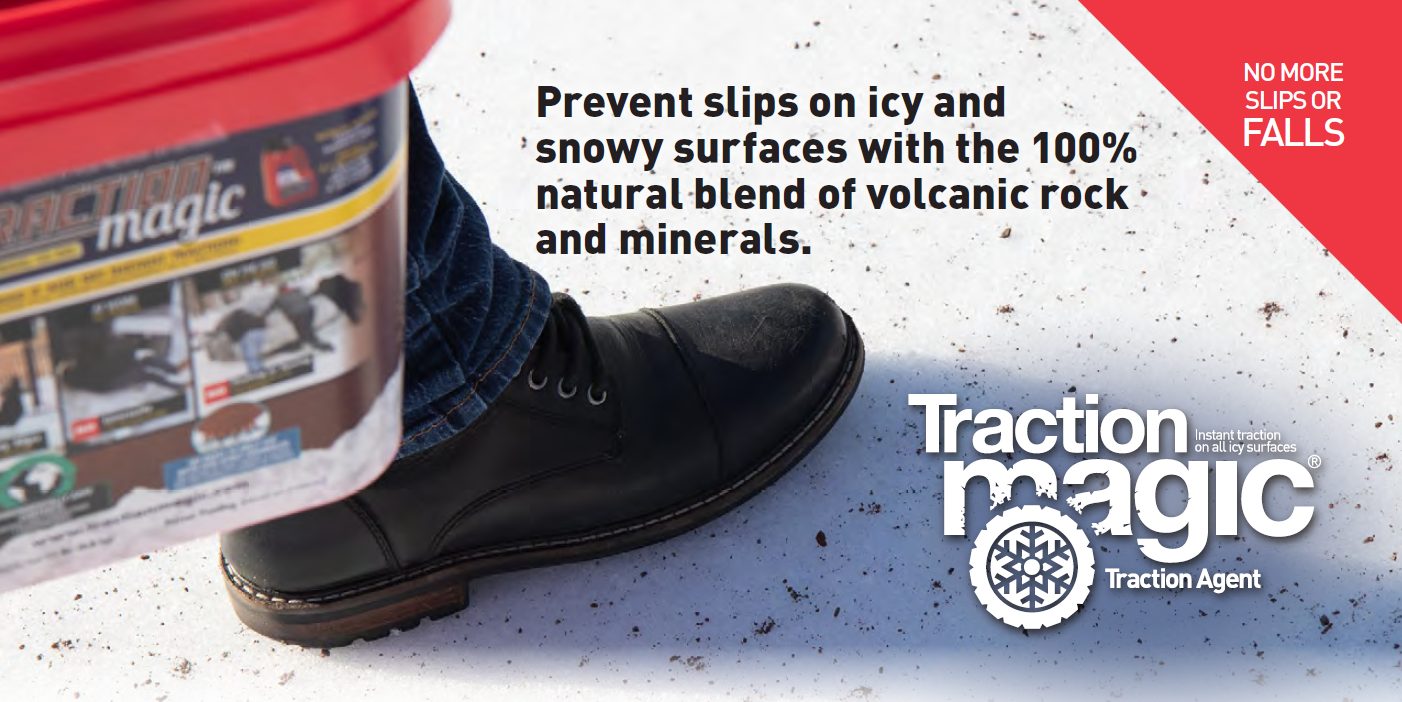
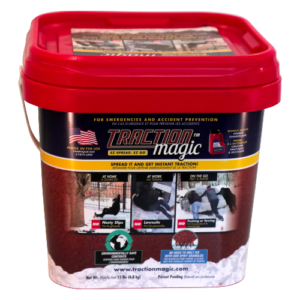
Traction Magic
Stay safe on slippery surfaces with a product that’s 100% natural and safe for pets, people, and your property. Use Traction Magic on sidewalks, steps, or as instant traction for your car.
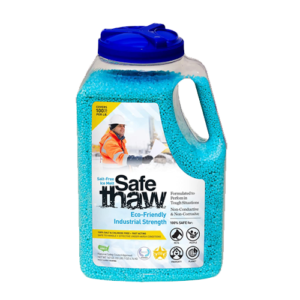
Safe Thaw
Imagine an ice melt you can put down and never worry about. It won’t harm pets, kids and your property. That’s Safe Thaw. Unlike anything else on the market, Safe Thaw can change how winter affects our planet.
Ice Traction (with Traction Magic™)
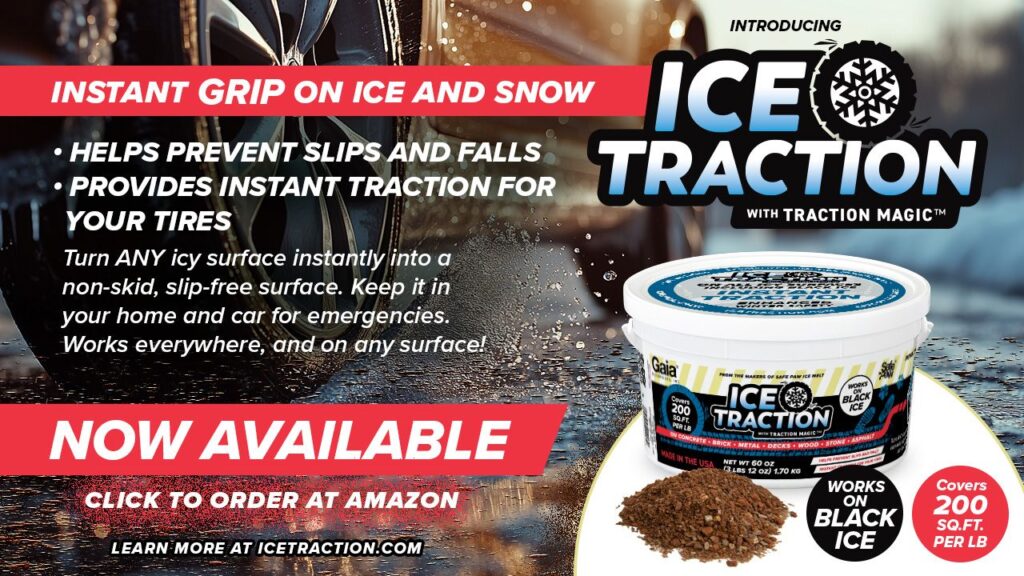
Ice Traction (with Traction Magic™) is your go-to winter solution for driveways, walkways, parking lots — and even black ice on the road. Unlike salt or ice melts, it delivers instant grip on snow and slippery surfaces with no wait time. Just spread and go.

Safe Thaw
Imagine an ice melt you can put down and never worry about. It won’t harm pets, kids and your property. That’s Safe Thaw. Unlike anything else on the market, Safe Thaw can change how winter affects our planet.
Related Articles
- Household Items That Melt Ice: Safe and Practical Solutions
- Snow Temperature: How Cold Does It Need to Be to Snow & Time to Shovel Snow
- 6 Best Snow Shovels of 2023: Durability Meets Design
- Top 5 Shovels For Snow Removal: Making Winter Easier
- 5 Ways To Selecting A Durable Plastic Shovel For Snow.