


Why Resurfacing Is Recommended for Concrete with Widespread Popping or Damage
When your concrete begins to show signs of popping, scaling, or surface-level deterioration, it’s easy to panic and assume total replacement is your only option. But here’s the reality: in most cases, that kind of damage is superficial. The structural integrity of the slab is usually still intact—and that’s exactly why resurfacing becomes the smart, practical choice.
Surface Damage vs. Structural Damage
Let’s clarify what popping and scaling mean. Popping occurs when small fragments of the top layer break away, often due to freeze-thaw cycles, moisture intrusion, or surface wear. Scaling is similar, but it typically involves a more uniform flaking or peeling of the top layer. Both are forms of surface degradation—not full-depth failure.
The key here is that this damage usually doesn’t go deeper than the top 1/8 to 1/4 inch of concrete. If the base layer of the slab is still solid and structurally sound, then there’s no need to demolish and replace the entire structure. Resurfacing allows you to restore the look and functionality of the surface without digging everything up.
What Is Resurfacing and Why Does It Work?
Resurfacing is the process of applying a new thin layer—usually a polymer-modified or cementitious overlay—directly over the existing concrete surface. It’s not just a cosmetic fix; it renews the finish, fills in minor imperfections, and creates a durable new top coat that adheres to the base slab.
It’s especially effective in cases of:
- Widespread popping or spalling
- Uniform scaling across large areas
- Aged but structurally stable concrete
This method saves time and money. You’re not paying for demolition, hauling, and re-pouring an entire slab. Plus, there’s minimal disruption to your daily routine or landscaping.
Pet-Friendly Ice Melt
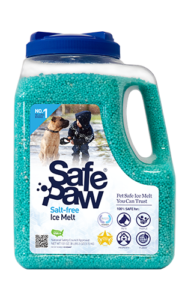
Pet Safe Ice Melt – Safe Paw
The Original and the #1 Pet and Child Safe Ice Melt for over 20 years. Guaranteed environmentally safe – will not harm waterways and sensitive wetlands.
When Resurfacing Isn’t Enough
While resurfacing is the recommended solution for surface-level damage, it’s not the answer to everything. If your slab is cracked through, sinking, or has structural issues (such as poor sub-base support or deep vertical fissures), resurfacing won’t solve the problem. In those rare cases, full replacement may be necessary.
That said, most concrete problems that appear after winter—especially in driveways, sidewalks, or patios—are surface problems, often caused by freeze-thaw cycles, deicing agents, or lack of sealing. And in those cases, resurfacing is not only appropriate, it’s ideal.
Final Thought: Resurfacing Is Smart Maintenance
Concrete is tough, but it’s not invincible. Over time, exposure to water, ice, salt, and foot or vehicle traffic can wear down the surface. Resurfacing gives you a second chance at a smooth, durable finish without the high cost or labor of replacement. If your concrete base is sound, resurfacing is the smart, sustainable, and cost-effective route.
Not only does it restore aesthetic appeal, but it also extends the lifespan of the existing slab by creating a renewed barrier against weather and moisture. With proper sealing and care, a resurfaced area can perform like new for years to come—making it an investment in both function and curb appeal.
FAQs
Other Ice Melt Products
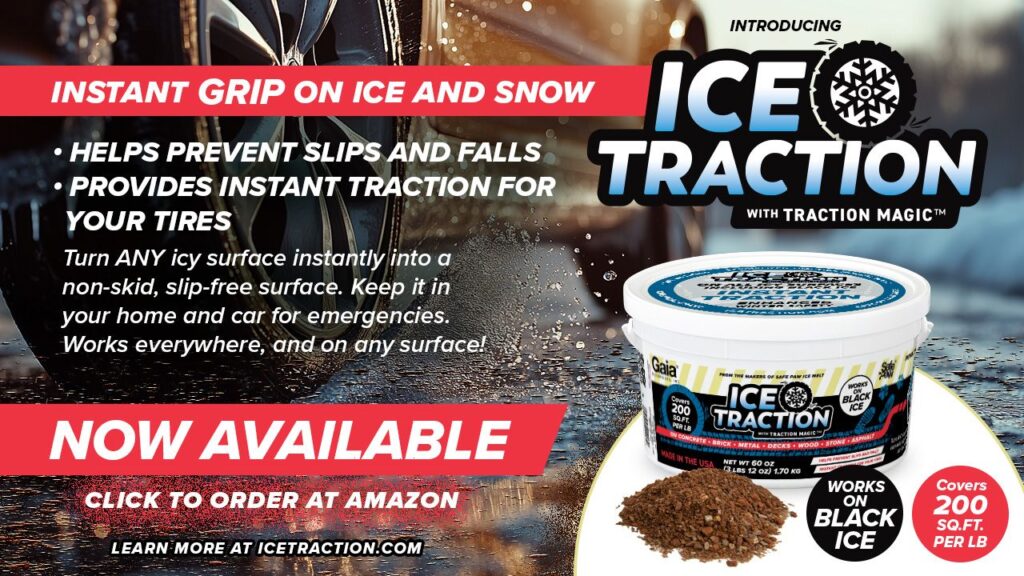
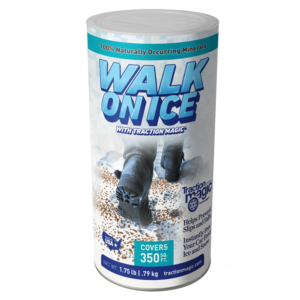
Walk On Ice
Prevent slips at home, work or on the go, The handy disposable canister can be taken everywhere, with the same 100% naturally occurring minerals that provide instant traction on ice or snow.
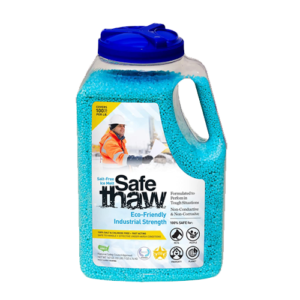
Safe Thaw
Imagine an ice melt you can put down and never worry about. It won’t harm pets, kids and your property. That’s Safe Thaw. Unlike anything else on the market, Safe Thaw can change how winter affects our planet.