


What Are Concrete Pops and What Causes Them

Concrete surface damage often shows up in different forms—popping, pitting, and scaling—but these terms are more connected than most homeowners realize. While they may look different at first glance, these surface flaws all stem from similar root causes: moisture infiltration, freeze-thaw cycles, and vulnerable concrete surfaces. Let’s break down what each one means, how they’re related, and what you can do to prevent them.
Concrete Popping: A Close-Up View
Concrete popping refers to small, localized eruptions on the surface of concrete. These “pops” create tiny craters or pits that can expose the aggregate (the small stones or gravel mixed into concrete). Popping is typically caused by:
- Moisture penetrating the surface, freezing, and expanding.
- Trapped air or water vapor during the curing process.
- Lack of sealing, allowing deicing agents or water to seep into the surface.
As temperatures fluctuate, moisture inside the slab freezes and expands, popping off small bits of the concrete surface. These minor explosions not only affect aesthetics but can grow worse if left untreated.
Pitting: Concrete’s “Cousin” to Popping
Pitting looks similar to popping but is generally more random and rougher in texture. While pops may be isolated and deeper, pitting appears as a series of small holes or divots across the surface. It’s often caused by:
- Poor concrete mix or improper curing
- Long-term exposure to deicers or salts
- Abrasive wear from foot traffic or snow shoveling
Pitting, like popping, starts small but can widen or deepen over time, especially if the surface isn’t sealed or protected from repeated moisture intrusion.
Pet-Friendly Ice Melt
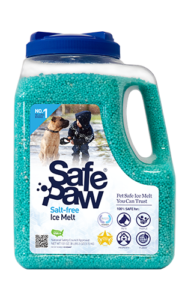
Pet Safe Ice Melt – Safe Paw
The Original and the #1 Pet and Child Safe Ice Melt for over 20 years. Guaranteed environmentally safe – will not harm waterways and sensitive wetlands.
Scaling: The Uniform Flake-Off
While popping and pitting appear as localized surface flaws, scaling refers to a more uniform peeling or flaking of the concrete’s top layer. It’s usually a sign of:
- Extensive freeze-thaw damage
- Poor finishing techniques
- Inadequate air entrainment or curing
Scaling is especially common in older or unsealed concrete exposed to snow, ice, and deicers. The surface begins to delaminate, leaving behind patchy, brittle layers that can easily crumble underfoot or shovel.
Why These Issues Matter
Popping, pitting, and scaling all expose the interior structure of your concrete, making it more vulnerable to further weather damage, moisture intrusion, and even chemical exposure. They also:
- Decrease your property’s visual appeal
- Increase risk of slips and injuries
- Cost more to repair the longer they’re ignored
How to Prevent Surface Damage
The good news? These issues are largely preventable with a few smart strategies:
- Seal your concrete regularly to keep moisture out.
- Ensure air entrainment is part of the initial concrete mix.
- Use chloride-free deicers like Safe Paw or Safe Thaw to minimize surface stress.
- Avoid harsh tools like metal shovels that scrape and wear down surfaces.
- Once a surface flaw appears, consider resurfacing the area to smooth it out and reseal for continued protection
Conclusion
Know Your Surface
While popping, pitting, and scaling may seem like separate problems, they’re actually close relatives—each signaling that your concrete needs better protection. Stay proactive with sealing, choose safe deicers, and don’t overlook those small craters. What looks like a minor imperfection now could grow into a costly repair later.
FAQs
Other Ice Melt Products
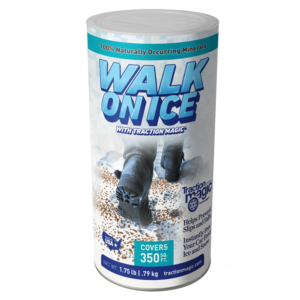
Walk On Ice
Prevent slips at home, work or on the go, The handy disposable canister can be taken everywhere, with the same 100% naturally occurring minerals that provide instant traction on ice or snow.
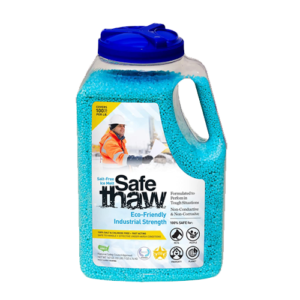
Safe Thaw
Imagine an ice melt you can put down and never worry about. It won’t harm pets, kids and your property. That’s Safe Thaw. Unlike anything else on the market, Safe Thaw can change how winter affects our planet.