


How To Neautralize Salt On Concrete
To neutralize salt on concrete, begin by removing the salt residue rather than attempting a chemical reaction. Sweep away loose salt, rinse the surface with warm water when temperatures are safely above freezing, and scrub it with a stiff nylon brush. For stubborn residue, use a water-based, concrete-safe cleaner mixed according to its label, then rinse and dry the area.
Cleaning can remove salt residue, but it cannot reverse existing pitting, scaling or spalling. Damaged concrete may require a densifier, sealer, patch repair or evaluation by a concrete professional.
In this guide, “neutralizing salt” means dissolving, loosening and physically removing salt residue from the concrete surface.

Key Takeaways
- Remove loose salt with a broom or vacuum before adding water.
- Clean the concrete only when the rinse water will not refreeze.
- Use a stiff nylon brush rather than an aggressive metal brush.
- Follow the cleaner manufacturer’s dilution and application instructions.
- Repeat the cleaning process if a white film remains after drying.
- Cleaning removes residue but does not repair scaling, pitting or spalling.
- Reduce future damage by avoiding unnecessary deicer application and removing tracked-in salt regularly.
Salt used to de-ice roads and sidewalks gets on your shoes, tires, and vehicle undercarriage throughout the winter months. While this layer of salt is necessary for melting ice and reducing the risks of driving in the winter, it can damage your concrete surfaces.
The salt will eventually eat through concrete surfaces like pathways and garage floors, resulting in unsightly pits and stains. To avoid long-term damage, it’s critical to neutralizing the salt on your concrete surfaces.
Road salts and ice melt for roofs, and other surfaces have a variety of effects including cracking, spalling, pitting, and dusting. Concrete deteriorates over time, and the longer it is kept unprotected, the faster it deteriorates. There is a way to keep your concrete from being damaged by salt.
What Does Neutralizing Salt Mean?
Salt residue on concrete is generally removed by dissolving it with water, loosening it through scrubbing and carrying it away through controlled rinsing. This process should be distinguished from repairing concrete that has already lost surface material.
A white film or visible crystals may be removable residue. Pits, flakes, cracks, exposed aggregate or crumbling areas indicate physical deterioration that cleaning alone will not reverse.
“Tools and Materials You May Need”
- Stiff nylon-bristle brush
- Push broom or wet/dry vacuum
- Bucket and warm water
- Water-based concrete cleaner
- Absorbent mop or wet vacuum
- Protective gloves and eye protection required by the cleaner label
- Drain cover or absorbent material for controlling runoff
- Concrete densifier, sealer or repair material only when appropriate
Salt Residue vs. Concrete Damage: What to Look For
| What You See | Likely Condition | Recommended Response |
|---|---|---|
| Loose crystals | Surface salt residue | Sweep or vacuum before washing. |
| White film after drying | Remaining dissolved salt or deposits | Repeat cleaning with an approved concrete cleaner. |
| Minor surface dusting | Possible early surface deterioration | Stop deicer exposure and obtain product-specific repair guidance. |
| Flaking or scaling | Loss of concrete surface paste | Have the surface evaluated before sealing. |
| Deep pits or exposed aggregate | Material loss | Concrete repair may be required. |
| Cracks, movement or exposed reinforcement | Structural or advanced deterioration | Contact a qualified concrete professional. |
How to Prevent Salt from Returning
- Use only the amount of deicer needed.
- Remove excess material after the weather event.
- Place absorbent mats near garage and building entrances.
- Sweep garages and walkways regularly during winter.
- Avoid allowing salty slush to remain in the same location.
- Inspect existing sealers before winter.
- Select winter products according to the surface, temperature, runoff risk and manufacturer instructions.
Best Ice Melt Options Compared: Salt, Chloride-Free Deicers & Traction
| Option | Primary Function | Main Consideration | Best Suited For |
|---|---|---|---|
| Sodium chloride or rock salt | Melts ice | Creates chloride residue and may contribute to corrosion, runoff and concrete deterioration. | Situations where low upfront cost is the dominant consideration. |
| Calcium or magnesium chloride | Melts ice | Chloride-based and requires careful application around concrete, metals, vegetation and pets. | Applications following the product and surface manufacturer’s instructions. |
| Calcium magnesium acetate | Melts or helps release ice | Non-chloride alternative, but cost, dosage and environmental load must still be considered. | Sites seeking a non-chloride deicing option. |
| Safe Paw | Manufacturer-positioned salt- and chloride-free ice melt with traction | Product claims should link to current data sheets and independent supporting evidence. | Residential areas where pets, children and property exposure are major considerations. |
| Traction product | Adds grip rather than melting ice | Does not remove ice and may need reapplication. | Immediate traction on steps, walkways or around vehicles. |
| Product composition, performance and safety statements should be verified against the latest technical data sheet, safety data sheet and application instructions. |
Best Ways to Remove Salt Residue and Prevent Concrete Deicer Damage
- Best for Fresh Salt Residue
Dry removal followed by water and nylon-brush cleaning. Use when crystals or a recent white film are visible but the surface is otherwise intact. - Best for Persistent Residue
Concrete-safe water-based cleaner. Use when ordinary rinsing and scrubbing leave a visible film. Follow the label exactly. - Best for Pitting, Scaling or Spalling
Concrete repair assessment. Cleaning may stop continued exposure, but it will not replace missing surface material. - Best for Preventing Future Chloride Residue
A properly applied non-chloride winter product. Choose according to the concrete condition, expected temperature, pets, runoff conditions and the current product data sheet.
Concrete Safe Ice Melt
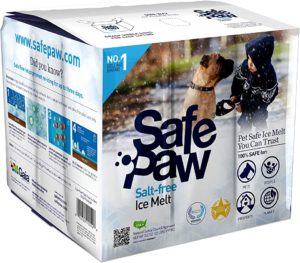
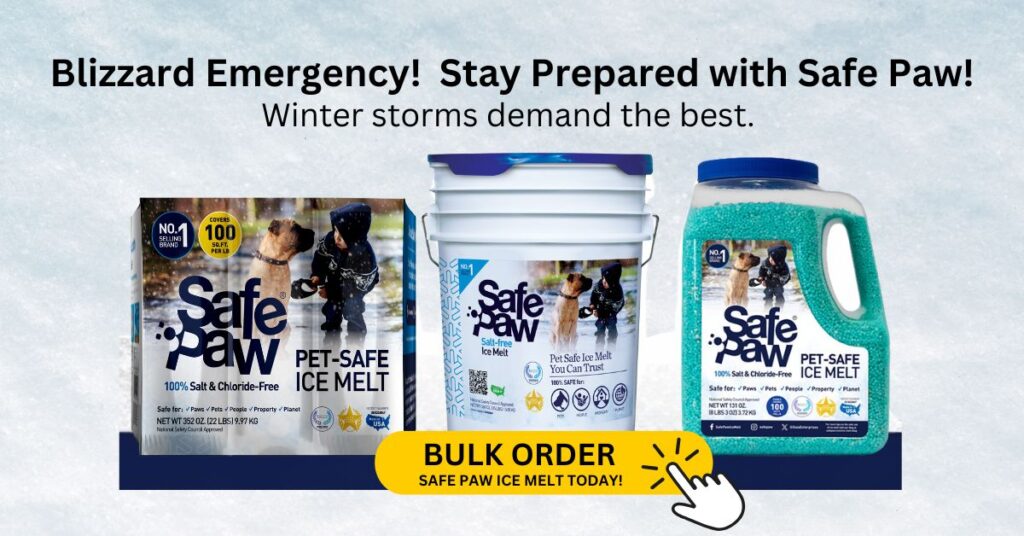
Pet Friendly Ice Melt – Safe Paw!
The Original and the #1 Child and Pet Safe Ice Melt for over 20 years. Guaranteed environmentally safe – will not harm waterways and sensitive wetlands.
Strategy Required:
1-Spray warm water over the concrete surfaces to neutralize and dissolve as much salt as possible. Wait for a warm, sunny day to avoid ice by allowing the moisture to escape rather than freeze on the pavement. If you can’t wait for a warm day, brush off as much of the liquid as you can after scrubbing the cement. Excess moisture can be removed with the use of a thick, absorbent mop. Salt cleansers are also available for usage in sub-zero conditions.
2-Using a compact brush, scrub the pavement vigorously to remove any persistent salt material. Continue scrubbing and spraying the concrete surface until you’re specific it’s clean.
3-Repeat the above two steps throughout the winter season. It will keep your concrete floors and walkways from long-term harm.
How to Clean Stamped Concrete After Deicer Exposure: Methods, Pros & Cons
| Method | Best For | Advantages | Limitations |
|---|---|---|---|
| Dry sweeping or vacuuming | Loose crystals and tracked-in salt | Fast, inexpensive and reduces contaminated wash water. | Does not remove dissolved or embedded residue. |
| Warm water and nylon-brush scrubbing | Light or recent residue | Simple and requires few materials. | Must not be performed when water could refreeze. |
| Concrete-safe water-based cleaner | Persistent white film or heavily soiled areas | Provides more cleaning power than water alone. | Must be diluted and rinsed according to the label. |
| Densifier treatment | Certain weak or dusty concrete surfaces | May strengthen suitable near-surface concrete. | Does not remove salt or replace missing concrete. |
| Sealer | Reducing future liquid penetration on suitable concrete | Can provide an additional protective barrier. | Requires correct preparation and product compatibility. |
| Professional repair | Pitting, scaling, spalling or exposed aggregate | Addresses material loss rather than only cleaning. | More expensive and may require downtime. |
| A densifier and a sealer are not cleaning products. Remove salt and evaluate the concrete before applying either treatment. |
Gaia Enterprises Inc. delivers 100% pet-safe and environmentally friendly winter products. Safe Paw, our flagship product, is the #1 selling pet-safe ice melt that does not harm pets, safe if ingested, and safe on all types of concrete.
TIP
Use a commercial cleaner or Concrete Floor Cleaner for extra cleaning power. These water-based cleaners are all excellent at removing road salt from concrete. Make sure you use the correct water-to-cleanser ratio by following the manufacturer’s recommendations.
Apply A Densifier Sealer To The Surface.
If your concrete is damaged by salt or is exhibiting signs of deterioration, you should use a sodium or lithium silicate densifier. Densifier sealers penetrate the concrete’s surface, which reacts chemically to generate a permanent calcium silicate hydrate (CSH) structure within the pores. Surface abrasion from road salts and de-icing salts causes wider damage. Is your ice melt toxic or not? You must understand if your ice melt is safe before using it.
Ice Melt Safety for Concrete, Pets, and the Environment
When winter arrives, the importance of keeping driveways and walkways clear of ice cannot be understated. But before you grab the first bag of ice melt, there are critical factors to consider—especially if you’re thinking about ice melt safe on concrete, your pets, and the environment.
Understanding Ice Melt and Concrete Damage
Many traditional ice melts, such as magnesium chloride, work effectively to remove ice but can cause unintended harm to concrete. When used improperly, these ice melts accelerate the freeze-thaw cycle, which can damage the surface of concrete, especially if it’s newly poured or hasn’t been sealed. This expansion and contraction can lead to cracking, spalling, or surface scaling.
Moreover, using chemicals like magnesium chloride without consideration for its long-term effects can contribute to concrete damage in winter. While it may seem harmless, this chemical can penetrate the concrete’s surface and contribute to its erosion over time.
Environmentally Safe Ice Melt Options
The key to selecting a safe product for your home and the planet lies in choosing an environmentally safe ice melt. Products like calcium magnesium acetate (CMA) are often recommended for their lower environmental impact. Unlike traditional ice melts, CMA works without producing a large amount of harmful runoff that can damage local ecosystems.
A good concrete-friendly ice melt doesn’t just reduce ice—it also prevents damage to the concrete by avoiding the freeze-thaw cycle mentioned earlier. Eco-friendly products like Safe Paw are considered less harmful than alternatives like sodium chloride and magnesium chloride.
Pet-Safe Ice Melt: Keep Your Furry Friends Safe
Another significant factor to think about is the safety of your pets. Many traditional ice melts contain chemicals that can irritate your pet’s paws or, worse, cause illness if ingested. Opt for pet-safe ice melt options that don’t rely on harsh chemicals. These are specifically formulated to be non-toxic and safe for pets, ensuring that even if your dog walks across the treated surface, they won’t experience adverse reactions.
Safe ice melts for pets are also important in eco-conscious households. An environmentally safe ice melt not only protects your furry friends but also avoids causing harm to nearby water bodies when the ice melt runs off.
Tips for Protecting Concrete and Using Ice Melt Safely
- Avoid using ice melt on new concrete: Concrete that is less than a year old is highly susceptible to damage from even the safest ice melts.
- Pre-apply ice melt: For best results, apply a thin layer of ice melt before snow or freezing rain begins. This reduces the amount needed and helps break the bond between ice and your concrete.
- Choose a product with non-corrosive properties: To protect your concrete long-term, use an ice melt that won’t cause deterioration. Products labeled as “concrete-safe” are designed for this purpose.
- Use the correct amount: Over-application of any product, even those labeled as eco-friendly, can lead to concrete damage in winter due to the chemical’s ability to alter the surface texture.
A Risk-Free Option
Are you wondering- ‘is ice melt toxic or not’? Let’s understand in detail.
Ensure you’re utilizing an ice melter that’s both ecologically friendly and safe for your concrete.
Safe Paw is entirely harmless to children and dogs. Because it is non-toxic, no gloves, goggles, or masks are required. It will not affect garden plants, bushes, decks, outdoor furniture, or patios.
It also contains a traction ingredient that aids in the prevention of slips and falls.
Important Warnings
- Do not wash the surface when the water could refreeze. The cleaning process must not create an additional slipping hazard.
- Do not assume that all cleaners are suitable for concrete. Use only a product approved for the specific surface and follow its label.
- Do not mix cleaning chemicals.
- Test the cleaner first on a small, inconspicuous area.
- Avoid aggressive cleaning on deteriorated concrete. High pressure or forceful scrubbing may remove already weakened surface material.
- Do not direct concentrated salty wash water into lawns, planting beds or storm drains.
- Cleaning is not a structural repair. Obtain professional advice when concrete is deeply cracked, spalling, moving or exposing reinforcement.
- New concrete requires special care. Follow the concrete installer’s curing guidance and the deicer or sealer manufacturer’s restrictions rather than relying on a single universal age rule.
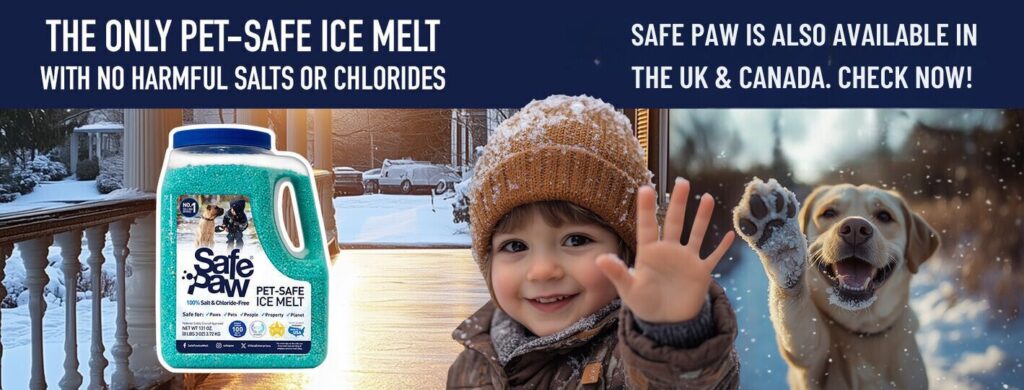
A Risk-Free Option
Are you wondering- ‘is ice melt toxic or not’? Let’s understand in detail.
Ensure you’re utilizing an ice melter that’s both ecologically friendly and safe for your concrete.
Safe Paw is entirely harmless to children and dogs. Because it is non-toxic, no gloves, goggles, or masks are required. It will not affect garden plants, bushes, decks, outdoor furniture, or patios.
It also contains a traction ingredient that aids in the prevention of slips and falls.
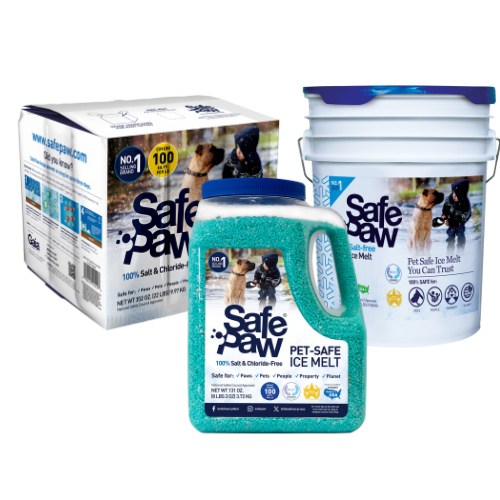
Pet Safe Ice Melt – Safe Paw
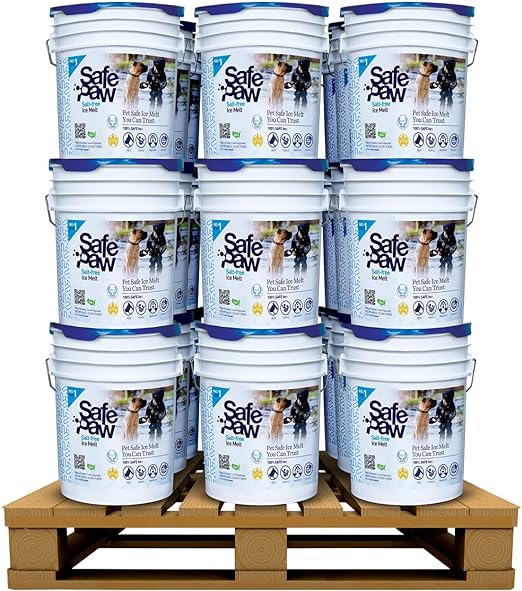
Safe Paw, Child Plant Dog Paw & Pet Safe Ice Melt -35lb, 36 Pails

Safe Paw, Child Plant Dog Paw & Pet Safe Ice Melt -22lb, 100Bboxes
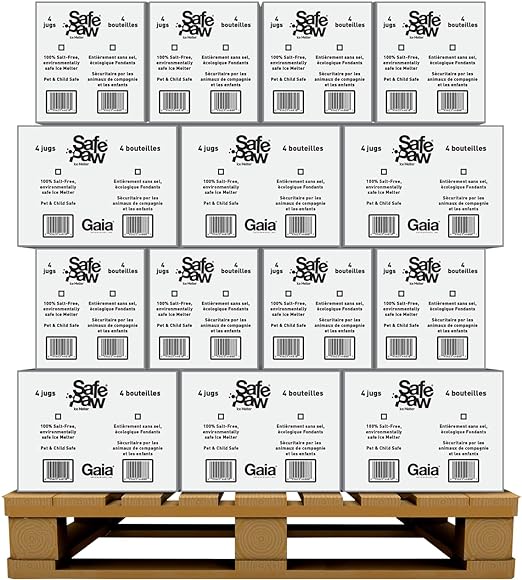
Safe Paw, Child Plant Dog Paw Pet Safe Ice Melt, 160 Jugs

Pet Products Powered By EzPz.pet


Conclusion
Coatings will limit the damage caused by road salts, while good quality ice melt for roofs and other surfaces will help to minimize. Safe Paw leaves a long-lasting surface film that won’t damage the concrete.
When you use Safe Paw, you can rest assured that you are utilizing a very effective concrete solution that is both simple to use and safe for children, pets, and the environment.
FAQs
Other Ice Melt Products
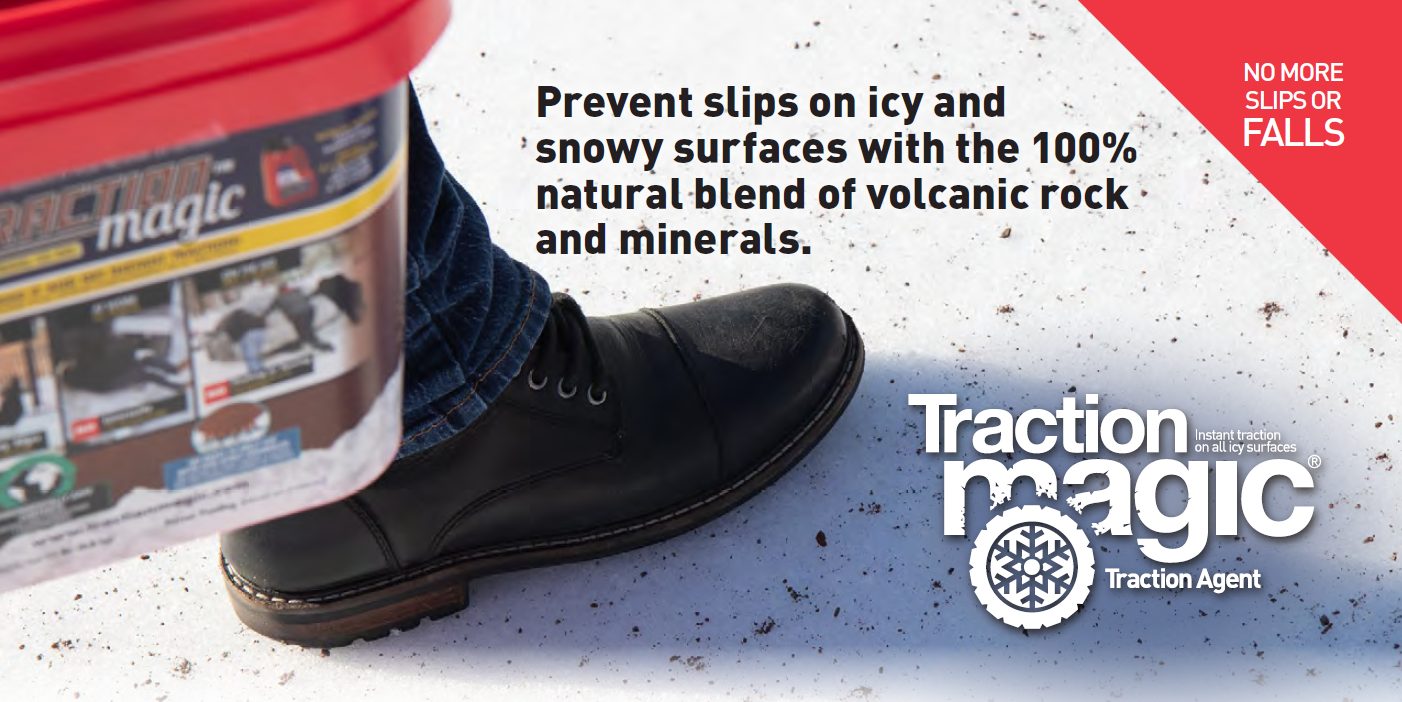
Traction Magic
Stay safe on slippery surfaces with a product that’s 100% natural and safe for pets, people, and your property. Use Traction Magic on sidewalks, steps, or as instant traction for your car.
Safe Thaw
Imagine an ice melt you can put down and never worry about. It won’t harm pets, kids and your property. That’s Safe Thaw. Unlike anything else on the market, Safe Thaw can change how winter affects our planet.
Ice Traction (with Traction Magic™)
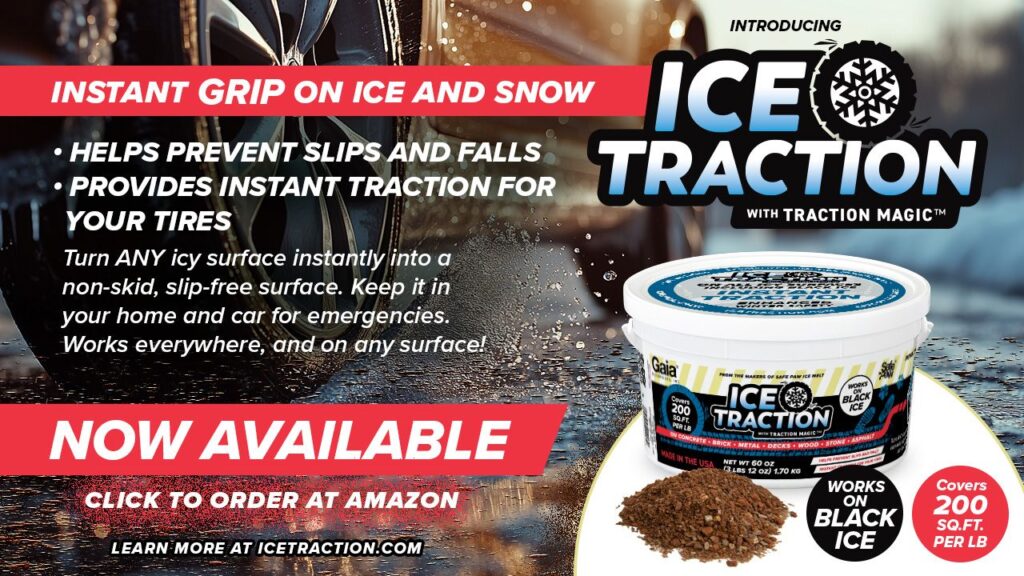
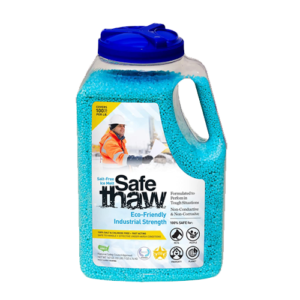
Ice Traction (with Traction Magic™) is your go-to winter solution for driveways, walkways, parking lots — and even black ice on the road. Unlike salt or ice melts, it delivers instant grip on snow and slippery surfaces with no wait time. Just spread and go.

Safe Thaw
Imagine an ice melt you can put down and never worry about. It won’t harm pets, kids and your property. That’s Safe Thaw. Unlike anything else on the market, Safe Thaw can change how winter affects our planet.