



3 Unique Techniques On How To Keep Ice From Melting.

To keep ice from melting for longer, reduce the amount of heat entering its container. Use a well-insulated cooler, pre-chill the cooler and its contents, pack it as fully as practical, and keep the lid closed and out of direct sunlight. Bubble wrap or another dry insulating layer can help fill empty space. Reflective foil is most useful when it faces an air gap or radiant heat rather than being pressed directly against the ice.
Pre-chill the cooler, minimize empty air space, use large blocks or frozen packs, keep the cooler shaded, and open it as infrequently as possible.
We’ve all been there: packing a cooler for a picnic, only to find the ice has transformed into a watery mess by the time you get to your destination. Worry not! There are some cool tricks (pun intended) up our sleeves to help your ice stay frozen for longer. And while we’re on the topic of how to keep ice from melting, let’s chat about the pros and cons of different ice melts for those chilly months.
Key Takeaways for Making Ice Last Longer
- Ice melts when it absorbs heat from the surrounding air, container, food, drinks, or sunlight.
- A thicker, well-sealed insulated cooler generally slows heat transfer better than an uninsulated container.
- A full cooler maintains its temperature longer than a partially empty one.
- Larger ice blocks usually last longer than the same mass divided into small cubes because they have less exposed surface area.
- Keeping the cooler closed and shaded reduces warm-air exchange and radiant heating.
- Bubble wrap can reduce air movement and fill empty space, but it should remain clean, dry, and separated from unpackaged food or drinking ice.
- Aluminum foil is reflective but is not a strong insulator by itself.
- Ice retention varies with outdoor temperature, cooler construction, ice quantity, contents, and how often the lid is opened.
Why Ice Melts Inside a Cooler
Ice melts when heat moves from warmer surroundings into the colder ice. Heat can enter through the cooler walls and lid, warm contents, direct sunlight, outside air entering when the lid opens, and contact with warmer surfaces. Ice lasts longer when these heat-transfer pathways are reduced.
Prepare the Cooler Before Adding Ice
- Store the cooler in a cool location before packing it.
- Pre-chill the interior with temporary ice or frozen packs.
- Chill food and drinks before placing them inside.
- Remove the temporary ice or water if needed.
- Add the final ice, frozen packs, and chilled contents.
- Fill unnecessary empty space with clean, dry insulating material.
- Close the lid firmly and keep it closed.
Additional Ways to Keep Ice Frozen Longer
- Use large blocks of ice for slower melting.
- Use smaller cubes when rapid cooling is more important than maximum retention.
- Freeze some drinking-water containers to serve as contained cold mass.
- Pack frequently accessed drinks separately from perishable food.
- Keep the cooler in shade.
- Avoid placing it directly on hot pavement, metal, or sand.
- Open the cooler only when necessary.
- Replace melted ice when maintaining a safe food temperature is required.
The USDA states that a full cooler maintains cold temperatures longer, while the FDA recommends keeping perishable food at 40°F/4°C or below. See the USDA cooler-packing guidance and FDA outdoor food guidance.
Technique 1: Use Bubble Wrap to Fill Empty Space
- What it does: Traps pockets of air and reduces air movement in unused space.
- How to use it: Place clean, dry bubble wrap above or around sealed contents after the cooler is packed.
- Best use: Filling empty space in a partially loaded cooler.
- Limitation: It does not replace the cooler’s main insulation and should not touch unpackaged food or drinking ice.
Technique 2: Use Reflective Foil With an Air Gap
- What it does: A reflective surface can reduce radiant heat transfer when it faces an air space.
- How to use it: Position a reflective layer inside the cooler lid or around a secondary insulated layer without compressing it directly against the ice.
- Best use: Supplementing insulation where radiant heat is a concern.
- Limitation: Ordinary foil is thin and provides little resistance to conductive heat by itself.
Technique 3: Use a Cooler Within a Cooler
- What it does: A second container creates additional layers through which heat must travel.
- How to use it: Place a sealed smaller cooler inside a larger cooler and fill the dry gap with insulating material.
- Best use: Situations where additional bulk and weight are acceptable.
- Limitation: Poorly fitted containers may add little benefit, and the method reduces usable storage space.
Pet Safe Ice Melt
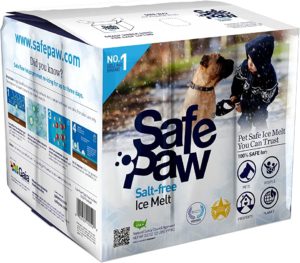
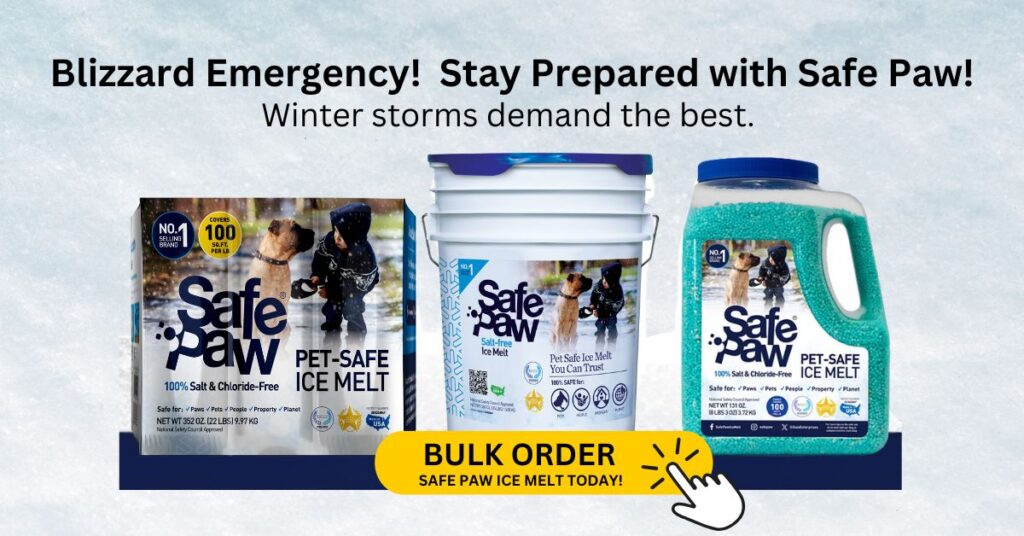
Pet Friendly Ice Melt – Safe Paw!
The Original and the #1 Child and Pet Safe Ice Melt for over 20 years. Guaranteed environmentally safe – will not harm waterways and sensitive wetlands.
Ice-Preservation Techniques: Pros, Cons, and Best Uses
| Technique | Advantages | Limitations | Best for |
| Bubble wrap | Lightweight; fills empty space; traps air | Limited benefit if compressed or wet | Partially filled coolers |
| Reflective foil with an air gap | Can reduce radiant heat transfer | Weak insulator when used alone | Supplementing an existing insulated setup |
| Cooler within a cooler | Adds another insulating boundary | Reduces space and adds weight | Long trips where portability is less important |
| Pre-chilling | Reduces heat initially absorbed by the ice | Requires advance preparation | Most cooler uses |
| Large block ice | Lower exposed surface area than small cubes | Slower to cool items initially | Longer retention |
| Small ice cubes | Rapid contact and faster cooling | Melt more quickly | Short trips and fast chilling |
| Frozen gel packs | Contained and reusable; less loose water | Performance varies by size and formulation | Packed food and short trips |
| Keeping the cooler full | Reduces warm air space | Requires enough cold contents or filler | Nearly all uses |
| Keeping the lid closed | Limits warm-air exchange | Requires organization and planning | Picnics, travel, and camping |
Important Warnings and Limitations
- Do not confuse ordinary water ice with dry ice. They require different handling and container guidance.
- Do not place packaging bubble wrap in direct contact with unpackaged food or ice intended for drinks.
- Use only clean materials inside a food cooler.
- Do not rely on aluminum foil alone as the main insulation.
- Do not seal dry ice in an airtight container.
- Confirm that a cooler is compatible with dry ice before using it.
- Avoid sharp foil edges near flexible cooler liners.
- Keep meltwater away from food unless the food is in a sealed, watertight container.
- Use a refrigerator or properly monitored cold-storage system when a cooler cannot reliably maintain the required temperature.
- Cooler performance varies considerably; do not promise a fixed number of hours without controlled testing.
- If transporting perishable food, use a cooler thermometer rather than judging safety by whether some ice remains.
Pet Safe Ice Melt – Safe Paw
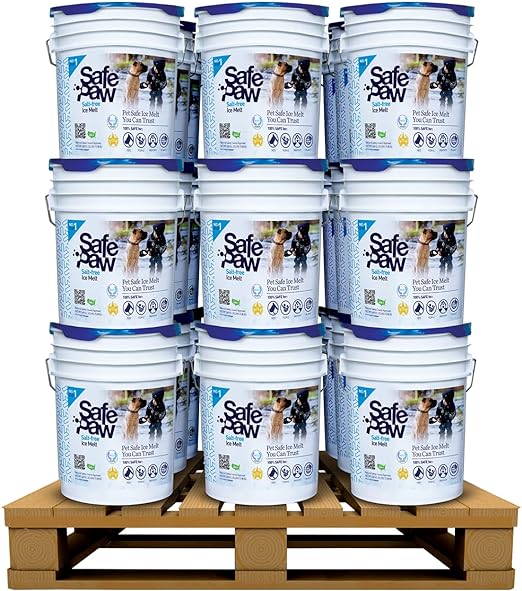
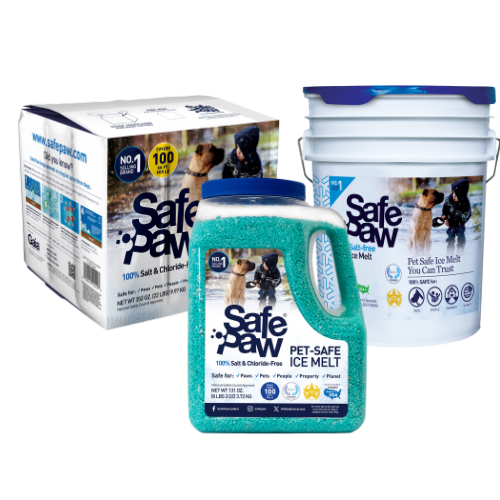
Safe Paw, Child Plant Dog Paw & Pet Safe Ice Melt -35lb, 36 Pails

Safe Paw, Child Plant Dog Paw & Pet Safe Ice Melt -22lb, 100Bboxes
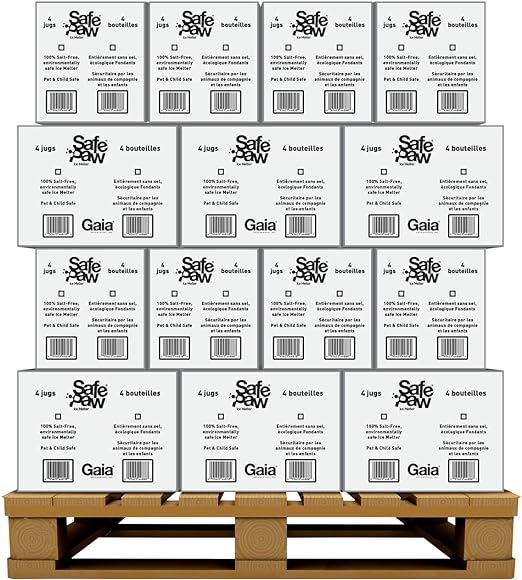
Safe Paw, Child Plant Dog Paw Pet Safe Ice Melt, 160 Jugs

Pet Products Powered By EzPz.pet

Bubble Wrap vs. Foil vs. Nested Coolers for Ice Retention
| Comparison factor | Bubble wrap | Reflective foil | Cooler within a cooler |
| Main mechanism | Trapped air and reduced air movement | Reduced radiant heat transfer when facing an air gap | Multiple material and air layers |
| Provides strong insulation alone? | No | No | Depends on both coolers and the gap |
| Adds weight | Very little | Very little | Substantial |
| Reduces storage capacity | Slightly | Slightly | Significantly |
| Moisture sensitivity | Works less effectively when compressed or wet | Can tear or retain water in folds | Gap should remain dry |
| Food-contact consideration | Keep separate from unpackaged food and drinking ice | Avoid sharp edges and unsuitable contact | Keep the inner cooler clean |
| Most suitable use | Filling empty space | Supplementing insulation against radiant heat | Long trips with adequate space |
| Primary limitation | Small effect compared with a good cooler | Commonly overstated as an insulator | Bulky and not always efficient |
The Slippery Slope Of Traditional Ice Melts
Turning our attention to winter, when we’re trying to melt ice rather than preserve it, it’s vital to know the facts:
- The Downside of Salt and Chemicals: Though they can do the job, these melts can be meanies to Mother Nature. They can leach into the soil, disrupt plants, and even find their way into our waterways, causing havoc for aquatic creatures. Plus, salt can eat away at cars, roads, and buildings over time.
- Furry Friends and Kids Alert: Standard ice melts aren’t exactly pet-paw or child-hand friendly. Residues can lead to abrasions, and if ingested, can pose health risks.
Which Ice-Preservation Method Is Best?
- Best overall approach: Use a pre-chilled insulated cooler, cold contents, sufficient ice, shade, and minimal lid opening.
- Best for maximum retention: Use larger ice blocks with a well-sealed cooler.
- Best for fast chilling: Use smaller cubes around already chilled items.
- Best for filling unused space: Add clean, dry bubble wrap or another suitable lightweight insulating layer.
- Best for reducing radiant heat: Use a reflective layer facing an air gap.
- Best for separating frequently opened drinks: Use a second beverage cooler.
- Best for perishable food: Use sealed containers and monitor the cooler at 40°F/4°C or below.
- Best for long trips: Combine pre-chilling, block ice, minimal opening, shade, and temperature monitoring.
- Best when ice retention cannot be assured: Use an appropriate refrigerated system rather than relying only on a cooler.
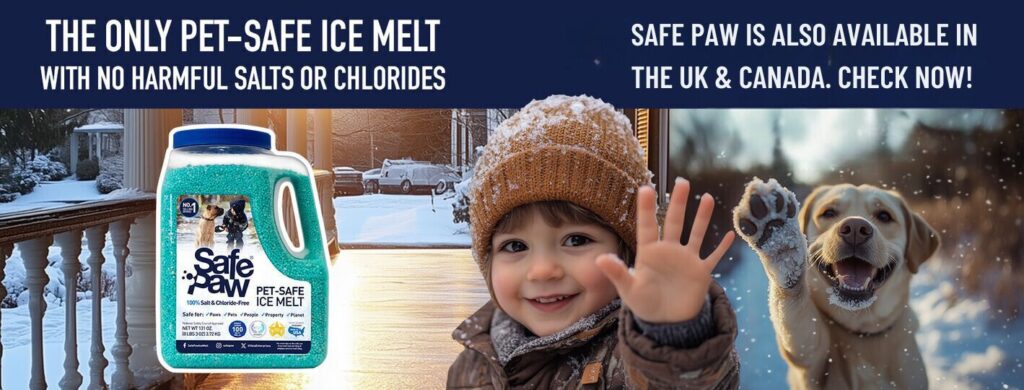
Get ready for winter with the ONLY Pet Safe Ice Melt you can trust
Gaia Enterprises Inc. delivers 100% pet-safe and environmentally friendly winter products. Safe Paw, our flagship product, is the #1 selling pet-safe ice melt that does not harm pets, safe if ingested, and safe on all types of concrete.
Enter Safe Paw: Winter’s Best Buddy
Amid the ice melt confusion, there’s one shining star:
- Gentle Yet Effective: Safe Paw ensures a slip-free driveway or pathway without the usual environmental and health concerns.
- A Greener Choice: Embracing Safe Paw isn’t just about today; it’s about safeguarding the environment for the generations to come.
Wrap Up: From Sunshine Picnics To Snowy Mornings
Keeping ice frozen is mainly a matter of slowing heat transfer. Bubble wrap can fill empty space and trap air, reflective foil may reduce radiant heat when it faces an air gap, and a smaller cooler inside a larger one can add insulating layers. These techniques work best when combined with a pre-chilled, well-insulated cooler, cold contents, large ice blocks or frozen packs, shade, and minimal lid opening. If the cooler contains perishable food, monitor the temperature and keep it at 40°F/4°C or below rather than relying only on the presence of unmelted ice.
Frequently Asked Questions About Keeping Ice Frozen
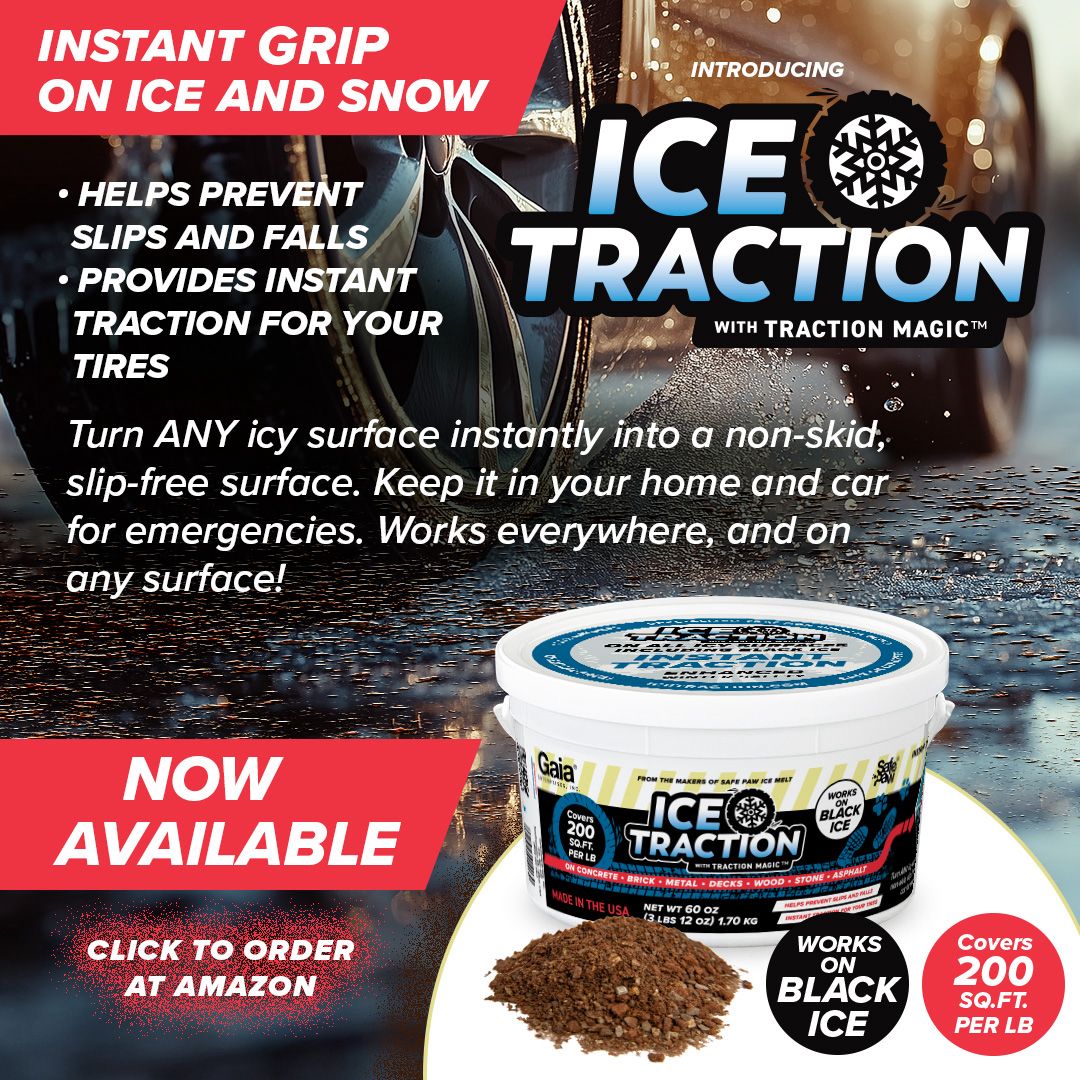
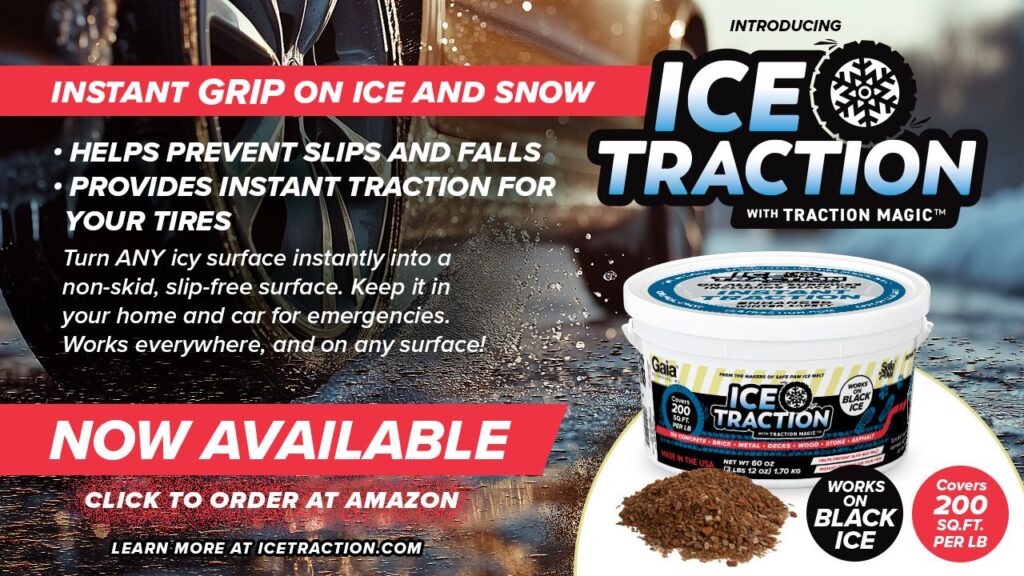
New Product Launch – Ice Traction (with Traction Magic™)
Ice Traction is your go-to winter solution for driveways, walkways, parking lots — and even black ice on the road. Unlike salt or ice melts, it delivers instant grip on snow and slippery surfaces with no wait time. Just spread and go.
Other Ice Melt Products
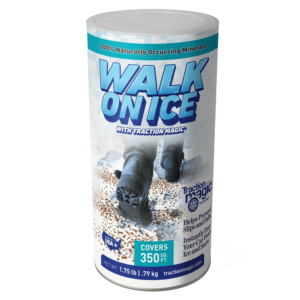
Walk On Ice
Prevent slips at home, work or on the go, The handy disposable canister can be taken everywhere, with the same 100% naturally occurring minerals that provide instant traction on ice or snow.
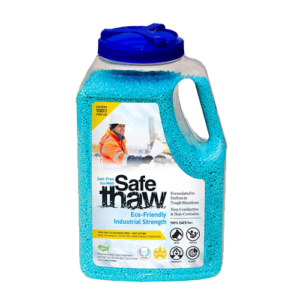
Safe Thaw
Imagine an ice melt you can put down and never worry about. It won’t harm pets, kids and your property. That’s Safe Thaw. Unlike anything else on the market, Safe Thaw can change how winter affects our planet.
Related Articles
- Local Bulk Rock Salt Wholesalers: What You Need To Know
- How Reading Ice Melt Labels Can Save You Time And Money
- Proper Storage Solutions: How To Safely Store Ice Melt Products To Last All Winter
- Global Perspective: Diverse Ice Melt Solutions From Around The World
- The Next Big Thing: Anticipating Trends and Technologies in Ice Melt