



Why Dogs Get Moody in the Fall (and What to Do About It)

You’re walking your dog, the leaves are turning, the air is crisp, and everything should be perfect. Instead, your normally happy-go-lucky pup is acting… moody. Maybe the dog is extra clingy, suddenly anxious on walks, or just seems less enthusiastic about their favorite toy.
If a shift in a dog’s demeanor has been noticed as summer turns to fall, the owner is not imagining it. Fall moodiness in dogs is a genuine phenomenon that pet experts and veterinary professionals see every year. It’s not about missing the heat; it’s about a dog’s sensitive biological clock reacting to the drastic changes in their environment.
The Biological Clock Tweak: Melatonin and Light
The most powerful trigger for seasonal changes in mood is the reduction in daylight hours. Dogs, like humans, rely on light exposure to regulate their sleep-wake cycles and mood.
As the sun sets earlier, two things happen inside a dog’s system:
- Melatonin Overdrive: The darkness triggers the release of melatonin, the “sleep hormone.” With shorter days, a dog’s body produces more melatonin for longer periods. This can lead to increased lethargy, excessive napping, and a general lack of motivation. While this isn’t clinical depression, it certainly contributes to the “winter blues” for dogs.
- Serotonin Dip: Conversely, less sunlight means less production of serotonin, the “feel-good” hormone. This imbalance can manifest as irritability, lower tolerance for other dogs at the park, or even increased separation anxiety. A study on canine behavioral changes emphasized that reduced light exposure directly impacts neurochemical balance, affecting temperament and emotional regulation.
The seasonal reduction in daylight hours increases melatonin production and can decrease serotonin levels in dogs, leading to changes in activity and mood.
The Great Outdoors Shift: Boredom and Anxiety
In the fall, owners often unknowingly contribute to the moodiness by changing routines:
1. The Sudden Drop in Exercise
Summer involved long evening walks, trips to the lake, and backyard play. When the weather gets chilly or rainy, those activities often shorten or stop entirely. This means pent-up energy suddenly has nowhere to go.
A dog who used to be well-behaved starts chewing the furniture, pacing the house, or demanding attention with incessant barking. This isn’t naughtiness; it’s frustration and under-stimulation.
2. Barometric Pressure Sensitivity
Fall is hurricane and storm season in many US areas, meaning rapid and frequent drops in barometric pressure. Just like in spring thunderstorms, dogs can feel this physical change long before humans notice it. This sensitivity is particularly pronounced in dogs with noise or storm phobias and can manifest as generalized anxiety, shaking, or clinginess.
Pet-Friendly Ice Melt
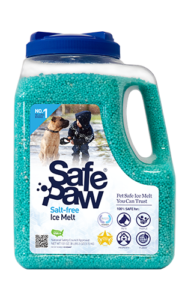
Pet Safe Ice Melt – Safe Paw
The Original and the #1 Pet and Child Safe Ice Melt for over 20 years. Guaranteed environmentally safe – will not harm waterways and sensitive wetlands.
Rapid fluctuations in barometric pressure during the fall and storm seasons can trigger anxiety and storm phobias in sensitive dogs.

Helping Your Dog Beat the Fall Funk
Don’t wait until winter sets in to address the mood shift. Implement these professional strategies now:
1. Maximize Light Exposure
- Morning Sun: Open curtains and blinds immediately after sunrise. If possible, take the main walk during the brightest part of the day.
- Light Therapy: For dogs with severe seasonal lethargy, talk to a veterinarian about using a full-spectrum light lamp (SAD lamp) for 30-60 minutes daily, mimicking natural light.
2. Prioritize Mental Enrichment
Since physical outdoor time is often reduced, switch the focus to brain games. Mental stimulation burns calories and energy just as effectively as physical exercise.
- Sniff Games: Hide treats or kibble around the house and let the dog use their nose to find them (“Find it!”).
- Puzzle Toys: Serve meals in slow feeders or puzzle balls to make the dog work for their food. This transforms mealtime into a 15-minute mental workout.
3. Maintain Routine and Socialization
Keep training sessions consistent—even short 5-minute drills help provide structure and connection. If the dog park is too cold, schedule indoor playdates with trusted, familiar dogs to maintain crucial social activity and reduce isolation.
By recognizing that a dog is reacting biologically to the changing seasons, owners can proactively adjust their environment and activities, ensuring the dog stays happy, engaged, and well-balanced all the way through winter.
Conclusion
The fall funk is real, but it is manageable. By understanding that a dog’s moodiness is rooted in biological changes—from melatonin levels to barometric pressure dips—owners can stop treating the symptoms (like chewing) and start addressing the cause (under-stimulation and anxiety).
The key to a happy dog this season lies in proactive mental engagement and light management. Don’t let the shorter days shorten your dog’s zest for life; use the strategies outlined here to ensure they stay happy, engaged, and well-balanced all the way through winter.
FAQs
Other Ice Melt Products
Walk On Ice
Prevent slips at home, work or on the go, The handy disposable canister can be taken everywhere, with the same 100% naturally occurring minerals that provide instant traction on ice or snow.

Safe Thaw
Imagine an ice melt you can put down and never worry about. It won’t harm pets, kids and your property. That’s Safe Thaw. Unlike anything else on the market, Safe Thaw can change how winter affects our planet.