


What Would Animals Say If They Had Rights? (A Creative Thought Experiment)
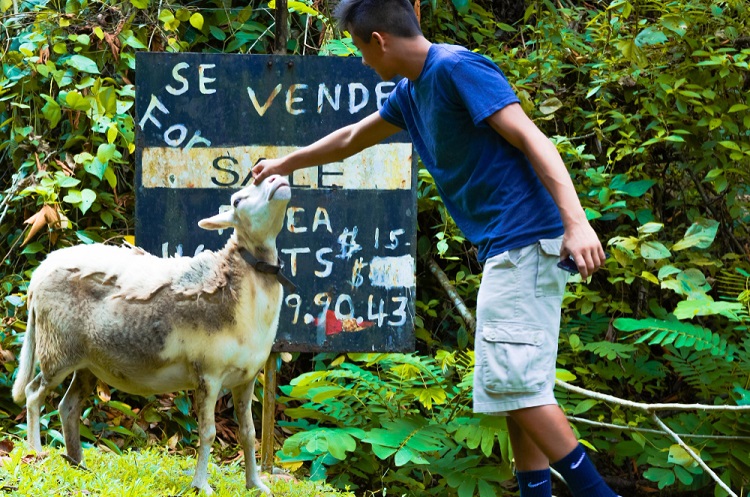
Imagine waking up one morning and discovering that every animal — every dog, every shelter cat, every bird on the telephone wire, every farm animal in a distant field — could speak. Not in barks or meows, but in full sentences. Imagine they could tell humans what they feel, fear, love, and hope for. What would they say?
The thought alone reveals something surprisingly important: if animals had voices, many human habits would look different. The world would shift. Policies would change. Compassion would feel less optional and more urgent.
That’s the purpose of this creative thought experiment — to explore what animals might ask for if their needs mattered as much as ours.
The World Today: Why This Thought Experiment Matters
America is a pet-loving nation. Nearly 94 million U.S. households now share life with at least one animal companion.
But owning a pet is only part of the story. Modern research shows animals experience far more emotional complexity than once believed. They feel stress, excitement, fear, comfort, frustration, even grief.
If animals are sentient — truly capable of experiencing life — then imagining their voices is more than creativity. It’s empathy training.
| Pet ownership continues to rise, with U.S. households reporting record adoption numbers and deeper emotional bonds with their animals. |
| Scientific reviews confirm that many animals demonstrate emotional responses, cognitive awareness, and social behaviors once thought to be “uniquely human.” |
If Animals Had Rights, What Might They Say?
“See me as more than a responsibility.”
A dog curled on the living-room floor might say: “I’m part of your family. Treat me as such.”
A shelter cat watching people pass by might whisper: “Give me time. I’m not broken. I’m just scared.”
Respect would go beyond feeding and watering; it would include emotional consideration.
“Give me stability, not convenience.”
Too many animals are surrendered due to lifestyle changes — moving, new babies, less time, rising costs.
If animals could speak, they might say: “Please choose me for life. Not for a season.”
“Protect me when I cannot protect myself.”
Wild animals displaced by construction, farm animals subjected to overcrowding, strays navigating danger on the streets — all would have something to say.
Granting rights would mean recognizing not just the presence of pain but the moral obligation to reduce it.
| Growing research on animal welfare emphasizes that most species — including mammals, birds, and fish — display distress when exposed to suffering or poor environments. |
Pet-Friendly Ice Melt
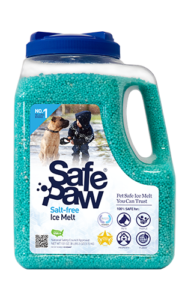
Pet Safe Ice Melt – Safe Paw
The Original and the #1 Pet and Child Safe Ice Melt for over 20 years. Guaranteed environmentally safe – will not harm waterways and sensitive wetlands.
Shelter Animals: Perhaps the Loudest Voices
Millions of pets still enter shelters each year. Many never find a home.
If they could speak, they might say:
- “Don’t judge me by my past. Judge me by my potential.”
- “Teach me, don’t punish me. I was never taught what you expect.”
- “Be patient. I want to trust you — I simply need time.”
Their message would not be anger. It would be hope.
| An estimated 6.5 million dogs and cats enter U.S. shelters annually, with far too many waiting long periods for adoption. |

What This Means for Pet Owners
This thought experiment isn’t about imagining talking animals for entertainment. It’s about reframing everyday choices.
If pets had rights — and voices — the average owner might:
- Rethink how long a dog waits for a walk
- Add enrichment instead of relying solely on food and water
- Treat a scared rescue with gentleness, not frustration
- Choose adoption instead of purchasing
- Spay and neuter pets to prevent accidental litters
- Advocate against cruelty or neglect
- Support policies that reduce suffering in farm and wildlife environments
In other words, the thought experiment becomes action.
The Larger Question: Would the World Improve?
If animals could speak, humans might hear truths they avoid:
- “Your choices affect me more than you realize.”
- “Your convenience shouldn’t be my suffering.”
- “My feelings matter.”
But even without literal voices, the message is still visible — in the wag that slows with age, the cat that hides after trauma, the dog that flinches from a raised hand, the rescue that blooms after patience.
Animals already communicate. Humans simply need to listen.
Conclusion
Imagining animals with voices forces a revealing question: what would change if their rights were clearer, louder, undeniable?
Perhaps the better question is: why wait for imaginary voices at all?
Treating animals with dignity, compassion, and respect doesn’t require them to speak. It only requires humans to hear what is already there — the quiet signals, the emotional truths, the innate value of a life that depends on our choices.
If animals had rights, they might ask for fairness, safety, trust, patience, and understanding. But the deeper truth is this: they already deserve those things. And humans already have the power to give them.
FAQs
Other Ice Melt Products
Walk On Ice
Prevent slips at home, work or on the go, The handy disposable canister can be taken everywhere, with the same 100% naturally occurring minerals that provide instant traction on ice or snow.

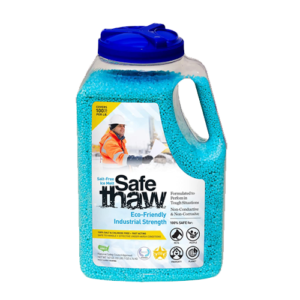
Safe Thaw
Imagine an ice melt you can put down and never worry about. It won’t harm pets, kids and your property. That’s Safe Thaw. Unlike anything else on the market, Safe Thaw can change how winter affects our planet.