



Unpacking Weather Myths: Can It Snow At 40 Degrees?
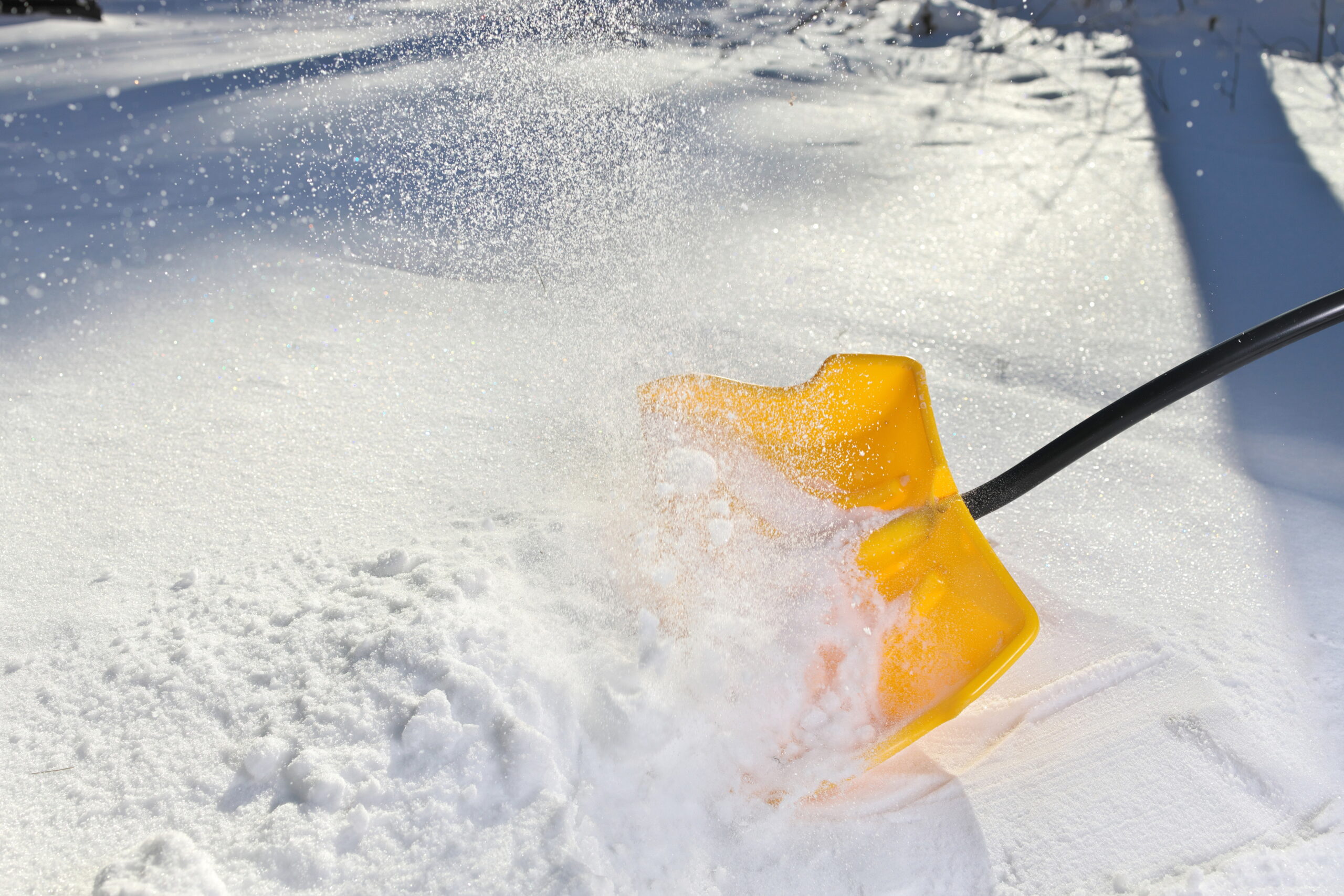
Yes, snowflakes can occasionally reach the ground when the surface air temperature is around 40°F (4.4°C), although this is uncommon. Snow forms in subfreezing clouds, and some flakes can survive a shallow layer of above-freezing air near the ground. Humidity, wet-bulb temperature, precipitation intensity, and the depth of the warm layer all affect whether the flakes melt. At 40°F, lasting accumulation is generally much less likely than briefly seeing snow fall.
Key Takeaways
- Snow can occasionally fall when a surface thermometer reads 40°F, but this is not a typical snowfall condition.
- Snow forms higher in the atmosphere, where temperatures can be below freezing even when surface air is warmer.
- A shallow warm layer gives snowflakes less time to melt than a deep warm layer.
- Dry air can cool as precipitation evaporates or sublimates, lowering the wet-bulb temperature.
- Seeing flakes at 40°F does not mean that roads, sidewalks, or lawns will develop lasting snow cover.
- Ground temperature, snowfall rate, solar exposure, and recent weather affect accumulation.
Winter weather can be a mysterious creature. The sparkling snowflakes drifting gently from the sky seem to follow their own set of rules, prompting questions like “Can it snow at 40 degrees?” or “What temperature does it have to be to snow?” Let’s unravel the myths and dig into the science of snowy weather.
Snow Forms Aloft, Not at the Surface
A surface temperature reading does not show the conditions throughout the atmosphere. Snow crystals develop in cold cloud layers well above the ground. After forming, they pass through every intervening layer of air. Whether they arrive as snow, sleet, freezing rain, or rain depends on the depth and temperature of those layers.
Falling Snow Is Not the Same as Accumulating Snow
Snowflakes may be visible at 40°F without producing measurable accumulation. Warm air can partially melt the flakes, while warm pavement or soil can melt them after landing. Accumulation becomes more plausible when snowfall is sufficiently intense, the ground is already cold, solar heating is limited, and temperatures are falling.
Why Wet-Bulb Temperature Matters
The wet-bulb temperature accounts for both air temperature and moisture. When the air below a cloud is relatively dry, evaporation and sublimation can cool that air as precipitation begins. As a result, the effective temperature experienced by falling snow may be lower than the initial dry-bulb reading.
Snowfall Factors: Air, Wet-Bulb, and Ground Temperature
| Measurement | What it describes | Why it matters |
| Surface air temperature | Air temperature near the measuring instrument | Explains immediate near-ground conditions, but not the full atmosphere |
| Temperature aloft | Conditions within and below the cloud | Determines snow formation and how much melting occurs during descent |
| Wet-bulb temperature | Cooling potential based on temperature and humidity | Helps explain why precipitation can cool initially dry air |
| Ground temperature | Temperature of pavement, soil, grass, or other surfaces | Affects whether flakes melt or accumulate after landing |
| Dew point | Moisture content of the air | Helps indicate how much evaporative cooling may be possible |
Conditions That Can Allow Snow at 40°F
- A subfreezing cloud layer: Snow crystals must first form in sufficiently cold air aloft.
- A shallow warm layer near the ground: Flakes have less time to melt when the above-freezing layer is limited in depth.
- Relatively dry low-level air: Evaporation and sublimation can cool the air toward its wet-bulb temperature.
- Moderate or heavy precipitation: A greater concentration of falling snow can cool the surrounding air and allow more flakes to reach the surface.
- Falling temperatures: A cold front or other weather transition can change the vertical temperature profile during the event.
- Cold ground or shaded surfaces: These conditions can slow melting after flakes land, although accumulation at 40°F remains difficult.
SEO table title: Snow at 40°F: Supporting Factors and Limitations
| Factor | How it can support snow reaching the ground | Limitation |
| Cold air aloft | Allows snow crystals to form in the cloud | Does not ensure they will survive warmer air below |
| Shallow warm layer | Provides less time for complete melting | A deeper or warmer layer can change snow to rain |
| Dry low-level air | Evaporative or sublimational cooling can reduce temperature | The effect weakens as the air becomes saturated |
| Heavy snowfall rate | Can cool the local air and deliver more flakes | Warm surfaces may still prevent accumulation |
| Cold ground | Slows melting after flakes land | Exposed pavement may remain warmer than nearby grass |
| Falling surface temperature | Makes continued snowfall or accumulation more plausible | A single earlier 40°F reading may not describe later conditions |
The 32°F Rule: Why Snow Forms Above Freezing and Ice Melt Tips
The most straightforward answer to the question of snow’s relation to temperature begins with the freezing point of water: 32°F (0°C). Generally, we associate snow with freezing temperatures, but the story is a bit more complicated than that.
Important Limitations
- A temperature reading from one location may not represent conditions several hundred or several thousand feet above the ground.
- “Snow at 40°F” may mean a few visible flakes rather than continuous snowfall or measurable accumulation.
- Temperatures can vary between weather stations, shaded locations, rooftops, lawns, and paved surfaces.
- Snowflakes observed near a warm boundary layer may be partially melted.
- There is no single surface-temperature cutoff that predicts precipitation type in every storm.
- A brief observation should not be used to infer the temperature of the entire atmosphere.
Pet Safe Ice Melt
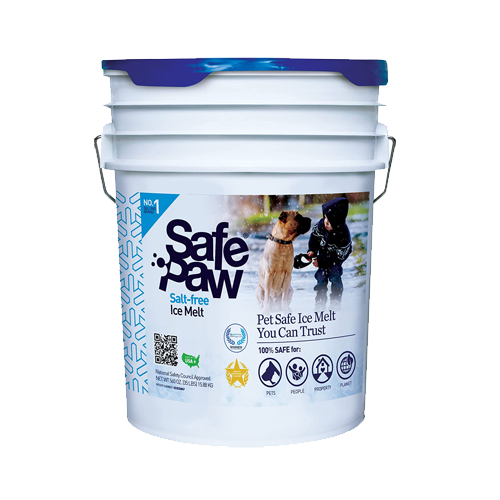
Safe Paw
The Original and the #1 Pet and Child Safe Ice Melt for over 20 years. Guaranteed environmentally safe – will not harm waterways and sensitive wetlands.
Snow, Sleet, Freezing Rain, and Rain Compared
| Precipitation | Simplified atmospheric profile | What reaches the ground |
| Snow | Mostly subfreezing from cloud to surface | Ice crystals or snowflakes |
| Sleet | Snow melts, then refreezes in a sufficiently deep cold layer | Ice pellets |
| Freezing rain | Snow melts into rain, followed by a shallow cold layer near the surface | Supercooled liquid drops that freeze on contact |
| Rain | Snow or ice melts and remains liquid | Liquid drops |
Best Weather Measurement for Common Snow Questions
| Reader’s question | Best information to check | Why |
| Can snow form? | Cloud and upper-air temperatures | Snow formation occurs aloft |
| Can flakes reach the ground? | Vertical temperature and humidity profile | These determine melting during descent |
| Can snow accumulate? | Ground temperature, snowfall rate, shade, and recent weather | Accumulation depends on surface energy and melting rate |
| Could precipitation change type? | Temperature profile over time | Layers can warm or cool as a storm develops |
| Could wet surfaces later become slippery? | Surface temperature and short-term forecast | Surface conditions can change after precipitation ends |
Can Snow Occur Above Freezing? Unraveling the 40-Degree Myth
You step outside, and the thermometer reads a crisp 40°F. Surely it’s too warm for snow, right? Not necessarily. While it’s uncommon, snow can, under certain conditions, fall when temperatures are above freezing, even at 40°F. Here’s how:
- Layered Atmosphere Conditions: The temperature at ground level can be significantly different from the temperature higher up in the atmosphere. Snowflakes form in clouds where the temperature is below freezing. If this cold layer is thick enough and the warmer layer near the ground is shallow, snow can reach the surface before it melts.
- Dry Air Factor: When the air near the ground is exceptionally dry, snowflakes can survive the journey down, even through a layer of air warmer than 32°F. As they fall, they cool the surrounding air, a process called evaporative cooling, which can bring the temperature down, allowing the snow to reach the ground.
- Rapid Temperature Drop: Sometimes a cold front can move in so quickly that snowflakes don’t have time to melt before reaching the ground, despite starting their descent in above-freezing temperatures.
Get ready for winter with the ONLY Pet Safe Ice Melt you can trust
Winter Weather Snow vs. Ice Melt Products: Why Moisture Matters More Than Temp
But let’s flip the script for a moment. Despite popular belief, a temperature below 32°F doesn’t guarantee snow. You could have freezing temperatures but lack the necessary moisture in the air to produce snow. Or the atmospheric conditions might lead to other forms of winter precipitation, like freezing rain or sleet.
Pet Safe Ice Melt – Safe Paw
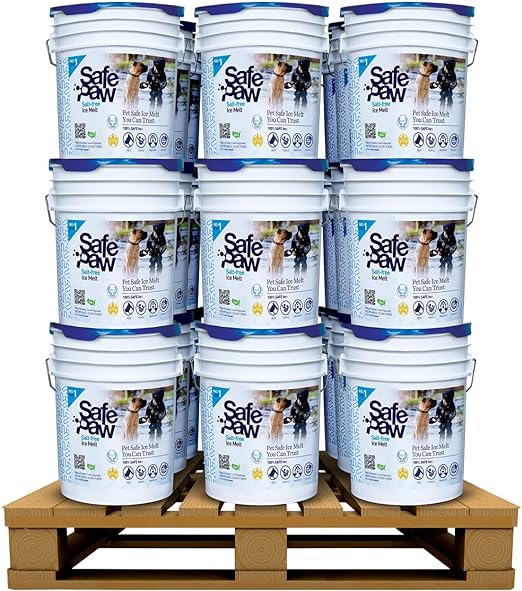
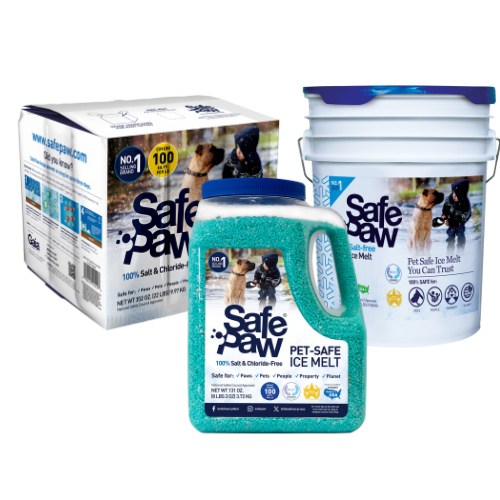
Safe Paw, Child Plant Dog Paw & Pet Safe Ice Melt -35lb, 36 Pails

Safe Paw, Child Plant Dog Paw & Pet Safe Ice Melt -22lb, 100Bboxes
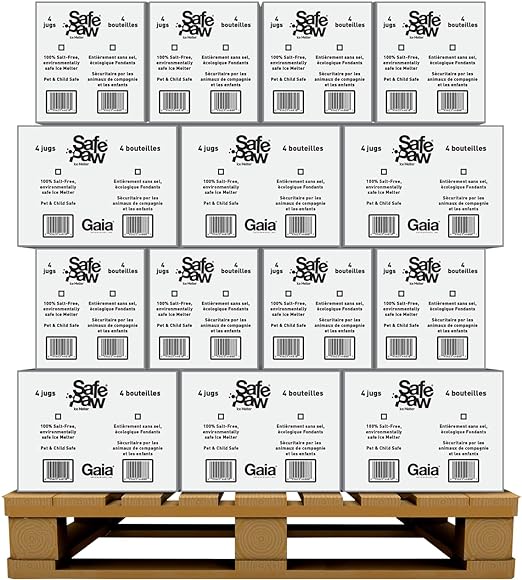
Safe Paw, Child Plant Dog Paw Pet Safe Ice Melt, 160 Jugs

Pet Products Powered By EzPz.pet


Real-World Cases: Applying Safe Ice Melt for Mild Winter Temperatures
History has given us several instances where snow made a surprising appearance in relatively warm conditions. For example, in 1991, Charleston, South Carolina, saw significant snowfall with temperatures in the upper 30s and low 40s.
Get ready for winter with the ONLY Pet Safe Ice Melt you can trust
Winter Snow Safety: Choosing a Pet-Safe Ice Melt for Snowy Conditions
Whether it’s a surprising snowfall at 40 degrees or a predictable storm in the depths of winter, safety is paramount. This is where Safe Paw comes in as a recommended solution. Unlike traditional rock salt or other chemical melts, Safe Paw is a chemical and toxin-free ice melt. When snow surprises you, even in seemingly warmer conditions, it’s essential to have a product like Safe Paw on hand. It ensures your walkways are clear and safe, without causing harm to your pets, children, or the environment.
Gaia Enterprises Inc. delivers 100% pet-safe and environmentally friendly winter products. Safe Paw, our flagship product, is the #1 selling pet-safe ice melt that does not harm pets, safe if ingested, and safe on all types of concrete.
Ice Melt Strategies After Snow at 40 Degrees: Protecting Your Home and Pets
So, can it snow at 40 degrees? The answer is yes, albeit under specific conditions. The world of weather is full of fascinating exceptions and surprising phenomena. It reminds us to expect the unexpected and, most importantly, to always be prepared.
As we unpack these weather myths and seek to understand the intricate ballet of conditions that result in snowfall, one constant remains: the need for safe and effective solutions when winter weather does arrive. And with Safe Paw by your side, you’re not just prepared—you’re protecting your family and your four-legged friends in the best way possible.
Weather is full of surprises, but with knowledge and the right tools, like Safe Paw, you can face those frigid forecasts with confidence and security.
Frequently Asked Questions

New Product Launch – Ice Traction (with Traction Magic™)
Ice Traction is your go-to winter solution for driveways, walkways, parking lots — and even black ice on the road. Unlike salt or ice melts, it delivers instant grip on snow and slippery surfaces with no wait time. Just spread and go.
Other Ice Melt Products
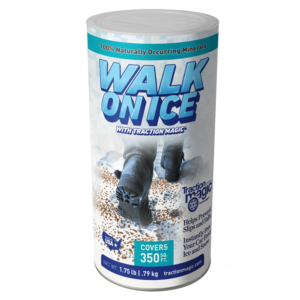
Walk On Ice
Prevent slips at home, work or on the go, The handy disposable canister can be taken everywhere, with the same 100% naturally occurring minerals that provide instant traction on ice or snow.
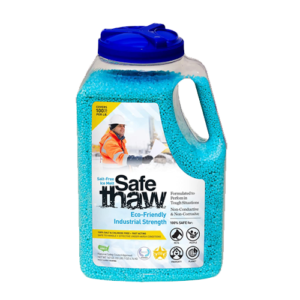
Safe Thaw
Imagine an ice melt you can put down and never worry about. It won’t harm pets, kids and your property. That’s Safe Thaw. Unlike anything else on the market, Safe Thaw can change how winter affects our planet.

Related Posts
- Houghton Weather: Preparing Your Home for Harsh Winter Conditions
- Winter Weather Forecast and Safe Ice Melt Solutions
- Weather Austin: Freezing Temperatures & Icy Road Conditions in DFW
- Raleigh Weather: Winter Storm Causes School Closures and Hazardous Road Conditions
- 2025 Atlantic Hurricane Season Forecast and Tulsi Gabbard’s Relief Initiatives
- Tornado Warning Near Me: What to Do and How to Stay Safe
- Cyclone Alfred Disrupts Australia: Flash Floods and Travel Impact