


The ‘Zoomie’ Dilemma: How to Exercise an Active Dog When It’s Too Cold (or Wet) to Go Out

It’s happened to every dedicated pet parent. You look out the window, and it’s either a gray, freezing drizzle, or a full-on blizzard. You look back at your dog, and they’re staring at you—eyes wide, tail slightly twitching, a bundle of unspent energy just waiting to explode into a full-house zoomie disaster.
You know the drill: an under-exercised dog isn’t just a restless dog; they’re a problem-solving dog, and their solution often involves your favorite rug, the leg of the dining table, or a relentless round of barking. We call it “cabin fever,” and it’s a real struggle for high-energy breeds.
The secret? When you can’t tire out the legs, you must exhaust the brain. Fifteen minutes of intense mental work can be as tiring as an hour-long walk. This is your playbook for turning bad weather days into focused fun days, keeping your dog sane, happy, and non-destructive.
The Expert Secret: Mental Exercise is the Real Calorie Burn
Many people focus only on physical activity (fetch, running), but a dog’s mental health is directly tied to their need to work. Their brains are hardwired for scenting, hunting, and problem-solving. When they can’t do that outside, they must do it inside.
In fact, studies have found a significant link between exercise and mood: Physical activity triggers the release of feel-good hormones and is a key factor in managing canine anxiety. According to a 2015 study published in PLOS ONE, dogs with higher anxiety levels had surprisingly less daily exercise. The solution to the “zoomie dilemma” is to combine physical movement with intense mental focus.
Research consistently shows that engaging a dog’s natural foraging and hunting instincts through mental puzzles can decrease stress hormones and reduce the prevalence of destructive behaviors.
Pet-Friendly Ice Melt
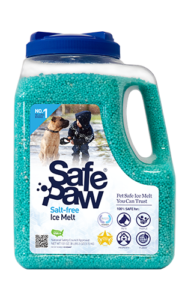
Pet Safe Ice Melt – Safe Paw
The Original and the #1 Pet and Child Safe Ice Melt for over 20 years. Guaranteed environmentally safe – will not harm waterways and sensitive wetlands.
Your Indoor Survival Toolkit: 3 Games to Master
You don’t need fancy equipment, just a hallway, a staircase, and a few treats.
1. The Flirt Pole Blitz (High-Intensity Physical)
This is the secret weapon of dog trainers. A flirt pole is simply a long stick with a toy attached to a rope. It lets you mimic prey movement in a tight space.
- How to Play: Move the toy quickly across the floor in a large figure-eight pattern. Let your dog chase and briefly catch the toy as a reward. This encourages short, intense bursts of running, jumping, and stopping, engaging every muscle without needing a backyard.
- Safety Note: Only play on rugs or carpet to prevent slipping and injury. Always end the game before your dog is totally spent to prevent overexertion.
2. Sniffing and Hunting (Mental & Calming)
This is arguably the most tiring activity you can do. The scent-processing part of a dog’s brain is massive, and using it is instantly calming.
- “Find It” Game: Use your dog’s daily kibble or small, healthy treats. Put your dog in a “stay” or behind a gate, and scatter the treats widely across a room, under a towel, behind a sofa cushion, or even inside a rolled-up rug.
- The Result: They must slow down, use their nose, and think to earn their reward. The American Kennel Club strongly advocates for scent work as a primary form of mental enrichment.
Dog trainers often refer to the ‘power of the nose,’ noting that just 15 minutes of scent work can be as mentally exhausting as 60 minutes of physical running, leading to a quieter, more relaxed dog.
3. The Staircase Sprint (Cardio & Obedience)
If you have a staircase, you have a vertical gym. This is an incredible cardio workout that also reinforces focus.
- How to Play: Ask your dog to “stay” at the bottom. Walk to the top and call them up. Once they reach you, make them “sit,” give a treat, and immediately send them back down with a verbal cue like “Go!” or “Down.” Repeat 5-10 times.
- The Benefit: It burns huge amounts of energy quickly. The stop-start nature, coupled with the obedience commands, engages both their body and their brain’s impulse control center.
Don’t Forget the Smart Puzzles
When you’re busy, you need something they can do alone. Puzzle toys and slow feeders are essential boredom busters. Don’t buy a new one every week; instead, increase the difficulty of the puzzles you already own:
- DIY Puzzles: Place treats in a muffin tin and cover each hole with a tennis ball. Your dog has to use its nose and paws to solve the problem.
- Frozen Fillings: Stuff a puzzle toy, like a KONG, with peanut butter mixed with kibble and freeze it. This turns a 5-minute snack into a 30-minute mental task.
In dogs with diagnosed separation anxiety, providing a predictable schedule of high-value, slow-release mental toys (like frozen food puzzles) has been shown to reduce destructive behavior by creating a positive association with ‘alone time.
Conclusion: A Quiet House is a Confident Dog
The next time you see that rain-streaked window and feel the dread of the impending zoomies, remember this: the storm outside is the perfect invitation to train the brain inside. By trading a portion of physical exercise for structured mental work, you’re not just managing a behavior problem; you’re building a deeper bond and raising a smarter, calmer, and more confident companion.
FAQs
Other Ice Melt Products
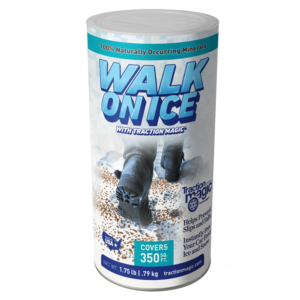
Walk On Ice
Prevent slips at home, work or on the go, The handy disposable canister can be taken everywhere, with the same 100% naturally occurring minerals that provide instant traction on ice or snow.
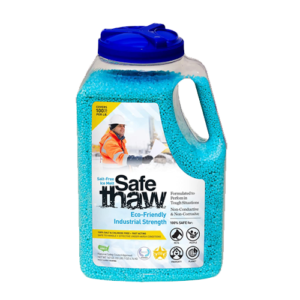
Safe Thaw
Imagine an ice melt you can put down and never worry about. It won’t harm pets, kids and your property. That’s Safe Thaw. Unlike anything else on the market, Safe Thaw can change how winter affects our planet.