



The Future of Pet Medicine: AI, Apps & At-Home Health Kits
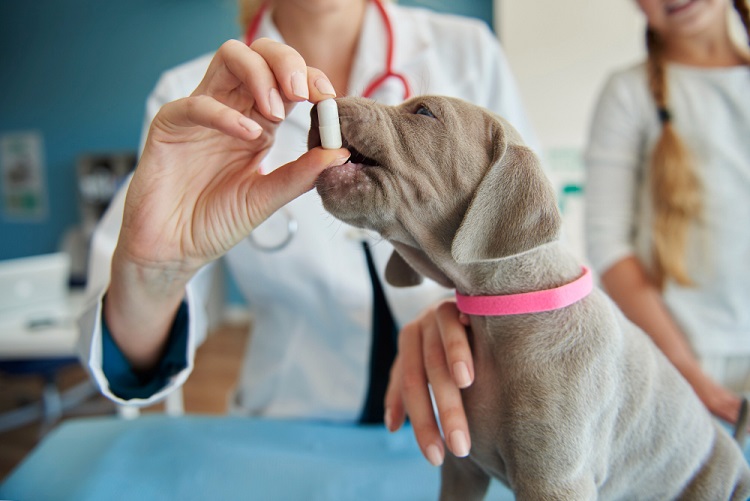
A few years ago, the idea of checking a dog’s heart rate from a phone or scanning a cat’s skin for early disease signs with an app sounded like science fiction. Now it’s becoming standard. Pet owners no longer have to wait for something to “look serious” before acting. Technology is shifting pet care from reactive to proactive — and, in many cases, preventative.
The next generation of pet medicine may not happen only in clinics. It might happen in living rooms, on smartphones, and through data-driven tools that spot health issues long before symptoms appear.
Pet Tech Is Growing Faster Than Ever
The U.S. pet industry continues to expand, driven by a population that increasingly views pets as family members. As this shift accelerates, technology companies and veterinarians are responding with new tools designed to improve health, extend longevity, and reduce emergency crises.
Meanwhile, wearable technology and AI health apps are becoming mainstream. This isn’t a trend. It’s the foundation of a new healthcare model for pets.
| The U.S. veterinary telehealth market was valued at USD 49.5 billion in 2023, with strong projected growth as digital care becomes more widely adopted. |
AI Tools: What They Can Do Today
24/7 Smart Monitoring
Smart collars and health-monitoring wearables now track heart rate, activity levels, breathing patterns, calorie burn, stress indicators, sleep cycles, and even early behaviors linked to illness.
When a deviation from a pet’s baseline appears, apps can notify owners instantly.
These tools act like a silent guardian — not replacing vets, but supporting them with continuous data that no human could gather manually.
| AI-enabled smart collars already offer real-time monitoring of dog and cat health, including vital signs and behavioral alerts. |
AI Image & Symptom Analysis
Some apps now analyze photos of a pet’s skin, eyes, gums, or body posture to detect early signs of infection, inflammation, or pain. Others use symptom-checker algorithms to estimate potential concerns and provide guidance on whether a vet visit is needed.
This is particularly helpful for first-time pet owners who may not yet know which symptoms matter.
| AI health apps can screen photos of pets to detect abnormalities such as skin disease or early-stage medical concerns, offering owners earlier insights into potential issues. |
Pet-Friendly Ice Melt
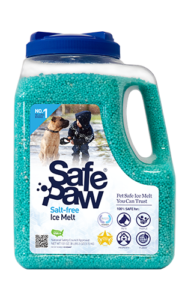
Pet Safe Ice Melt – Safe Paw
The Original and the #1 Pet and Child Safe Ice Melt for over 20 years. Guaranteed environmentally safe – will not harm waterways and sensitive wetlands.
Tele-Vet Care Is Reshaping Access
Telemedicine for pets has rapidly grown, especially for owners who prefer remote consultations or live in areas with limited veterinary access. Virtual visits help evaluate minor symptoms, chronic care conditions, behavior questions, nutrition concerns, or follow-up exams.
The rising demand demonstrates a shift in how owners want to engage with veterinary teams.
Telehealth won’t replace in-person exams, but it removes barriers: long wait times, transportation challenges, and unnecessary stress on pets.
| Tele-veterinary platforms are expanding rapidly due to increased demand for accessible, convenient pet care across the United States. |

At-Home Health Kits: The Next Frontier
At-home diagnostics used to be limited to heartworm tests or stool sample kits. Now companies are developing:
- At-home allergy kits
- Microbiome testing
- DNA-based breed and health-risk analysis
- Early kidney and thyroid screening
- Behavioral assessment tools
- Wearable-linked health histories owners can share with their vet
Combined with smart devices, these tools create a fuller picture of a pet’s health over time — far more accurate than yearly check-ups alone.
What This Means for Pet Owners
The future of pet medicine is not just about technology. It’s about empowerment.
Owners gain:
- Earlier detection of disease
- Fewer emergencies
- Reduced anxiety about “unknown symptoms”
- Better chronic disease management
- A record of daily wellness patterns
- More meaningful, data-rich conversations with veterinarians
Pets gain:
- Less stress
- Faster interventions
- Longer, healthier lives
Technology is becoming a bridge between everyday home life and veterinary expertise. It allows pets to receive attention not only when they are sick, but when they first begin slipping from their normal patterns.
What Tech Cannot Replace
Despite breakthroughs, technology has limits.
AI cannot palpate a lump, interpret subtle behavioral changes in-person, or perform physical exams. At-home kits cannot replace diagnostics. Apps cannot replicate a vet’s experience.
Instead, tech should be seen as a companion to veterinary medicine — a tool that helps owners spot problems sooner, so vets can treat them more effectively.
The future works best when tech and professionals collaborate.
Conclusion
AI, apps, and at-home health kits are reshaping pet medicine into something more proactive, intuitive, and accessible. The next era of pet care is not defined by fear of emergencies but by prevention, convenience, and continuous understanding of a pet’s health.
The tools are here. The market is growing. And for pet owners who want the best for their animals, embracing these innovations is not just exciting — it’s transformative.
FAQs
Other Ice Melt Products
Walk On Ice
Prevent slips at home, work or on the go, The handy disposable canister can be taken everywhere, with the same 100% naturally occurring minerals that provide instant traction on ice or snow.

Safe Thaw
Imagine an ice melt you can put down and never worry about. It won’t harm pets, kids and your property. That’s Safe Thaw. Unlike anything else on the market, Safe Thaw can change how winter affects our planet.