


Pets & SAD: Do Animals Get Seasonal Depression Too?

The sun sets earlier, walks happen in colder air, and the house feels quieter. Suddenly the family dog naps more, the cat ignores toys, and the usual morning zoomies vanish. That uneasy feeling — could pets be experiencing something like Seasonal Affective Disorder (SAD)?
The short answer is: science doesn’t give a neat yes-or-no. What is clear is that seasonal changes affect many animals’ behavior and physiology, and pet owners should know what to watch for and when to act.
What SAD is in humans — and why pets get mentioned in the same sentence
In people, SAD is a seasonal pattern of depression tied to reduced daylight. It’s associated with shifts in serotonin and melatonin, altered sleep-wake cycles, and lowered energy. Because animals also respond to light and photoperiod, it’s reasonable to wonder whether pets experience a comparable seasonal low — but evidence is mixed and cautious.
| There is currently no definitive scientific evidence that companion animals experience Seasonal Affective Disorder in the same way humans do; however, many pets show seasonal behavioral changes that resemble “winter blues.” |
Biology explains why winter can change behavior
Animals’ hormones and circadian rhythms respond to daylight. Dogs, cats and many other species show measurable seasonal changes in melatonin and other photoperiod-linked hormones — which influence sleep, appetite and shedding. Those physiological shifts can change behavior without indicating a psychiatric disorder.
That seasonal hormone pattern helps explain why a pet may sleep more, move less, or show subtle mood shifts as days shorten.
| Research demonstrates clear diurnal and seasonal variations in endogenous melatonin levels in dogs, with melatonin secretion rising during short-day months. |
Pet-Friendly Ice Melt
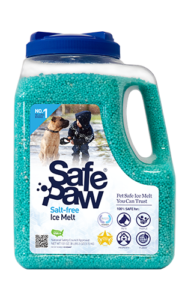
Pet Safe Ice Melt – Safe Paw
The Original and the #1 Pet and Child Safe Ice Melt for over 20 years. Guaranteed environmentally safe – will not harm waterways and sensitive wetlands.
What the data and recent studies show about activity and routine
Pets are sensitive to routine and light exposure. When human schedules shift (for example, with Daylight Saving Time) or outdoor time drops in winter, a measurable change in dogs’ activity patterns occurs — showing how much animals rely on daily cues.
That sensitivity means winter’s shorter, colder days can indirectly lower activity and engagement, especially if owners spend more time indoors.
| Studies that tracked canine activity across time changes found that dogs adjust to shifts like Daylight Saving Time, underlining how daylight and routine influence pet behavior. |

Signs that a pet may be struggling this season (not just “lazy”)
Behavioral changes in winter can be normal — but some signs deserve attention:
- Marked decrease in interest in play, walks, or social interaction
- Excessive sleeping beyond normal patterns
- Appetite loss or significant weight change
- Unusual clinginess, withdrawal, or increased irritability
- Repetitive or destructive behaviors linked to boredom or anxiety
Veterinarians emphasize ruling out medical causes first. Pain, thyroid disease, arthritis, or metabolic problems can mimic seasonal mood changes.
| Any noticeable change in appetite, energy, or behavior should prompt a veterinary examination to rule out underlying medical causes before assuming seasonal mood changes. |
Practical steps to help pets through darker months
- Prioritize light and routine. Keep curtains open during daylight; schedule walks and play during the sunniest parts of the day.
- Boost indoor enrichment. Puzzle feeders, scent games, training sessions and new toys stave off boredom.
- Keep activity consistent. Shorter, more frequent play sessions maintain fitness and mood.
- Watch calories and weight. Less exercise + the same calories = weight gain. Adjust portions if activity drops.
- Consider vet-guided interventions. For some pets, behavioral therapy, environmental changes or, in rare cases, medication or supplements (only under veterinary guidance) are appropriate. Melatonin is used in specific veterinary situations but should never be given without professional advice.
When seasonal changes become a veterinary concern
If behavioral changes are sudden, severe, or accompanied by appetite loss, vomiting, imbalance, or pain signs, immediate veterinary evaluation is necessary. Even gradual but persistent changes warrant a checkup: seasonal timing can mask treatable medical conditions.
Bottom line — awareness, not alarm
Pets likely do not “get SAD” in the exact human clinical sense, but they do react to shortened days, colder weather, and disrupted routines. The result can feel very familiar: less enthusiasm, more sleep, and quieter behavior.
With attentive observation, thoughtful enrichment, and prompt veterinary consultation when needed, owners can help pets stay mentally and physically healthy through the winter months.
FAQs
Other Ice Melt Products
Walk On Ice
Prevent slips at home, work or on the go, The handy disposable canister can be taken everywhere, with the same 100% naturally occurring minerals that provide instant traction on ice or snow.

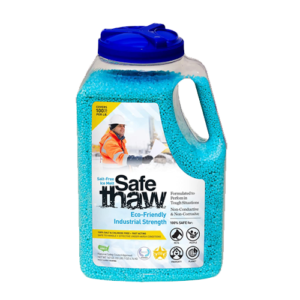
Safe Thaw
Imagine an ice melt you can put down and never worry about. It won’t harm pets, kids and your property. That’s Safe Thaw. Unlike anything else on the market, Safe Thaw can change how winter affects our planet.