


Pet Diabetes Month – 3 Reasons Why Older Pets Often Pay the Highest Diabetes Price

November is Pet Diabetes Month, and while we focus on awareness, we need to talk about the silent population most at risk: our beloved senior pets.
If you own a dog over the age of seven or a cat over ten, you might have noticed the subtle changes: increased thirst, frequent bathroom breaks, or that sudden, frantic search for food. You might think, “They’re just getting old.”
The sobering truth is that these subtle shifts—the ones you chalk up to aging—are often the very early warning signs of Diabetes Mellitus. This is the moment that every senior pet owner needs to heed. Because when diabetes hits an older pet, the consequences are often more complex, more expensive, and more life-threatening than when it affects a younger animal.
Here are the three critical reasons why our older pets tend to pay the highest price for diabetes, and what you can do about it.
1. The Masking Effect: Aging Looks Like Illness
The first and most dangerous reason older pets struggle with diabetes is misdiagnosis—not by the vet, but by the owner. The key signs of diabetes are often dismissed as normal age-related slowdowns:
- Increased thirst (Polydipsia): “They must be hot, or maybe they just drink a lot.”
- Weight loss despite good appetite: “They’re just getting skinny in their old age.”
- Lethargy: “They’re slowing down; they’re a senior now.”
This masking effect causes a critical delay in diagnosis. By the time the owner realizes something is truly wrong, the pet is often in diabetic ketoacidosis (DKA)—a severe, life-threatening complication that requires immediate, expensive emergency hospitalization.
Veterinary research indicates that the average diagnosis of diabetes in senior pets is delayed by 4-6 months compared to younger animals, often due to owners attributing early clinical signs to normal aging processes.
2. The Complication Cascade: The Domino Effect of Co-morbidities
When a dog or cat develops diabetes, it doesn’t happen in isolation, especially in seniors. Older pets often have existing or underlying conditions that diabetes instantly complicates, creating a dangerous cascade.
- Infections: High blood sugar creates a perfect breeding ground for bacteria. Older pets frequently develop severe, recurring urinary tract infections (UTIs) or dental abscesses, making blood sugar control exponentially harder.
- Vision Loss: Dogs are especially prone to diabetic cataracts, which can cause rapid, irreversible blindness. This loss of vision severely impacts their quality of life and mobility during their final years.
- Pancreatitis: This painful inflammation often goes hand-in-hand with diabetes in cats and dogs, requiring complex dietary management and escalating treatment costs.
Approximately 75% of diabetic dogs develop cataracts within one year of diagnosis, emphasizing the urgency of blood sugar stabilization to mitigate vision loss.
Pet-Friendly Ice Melt
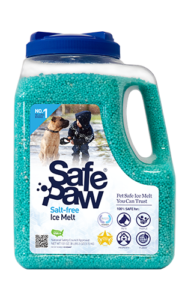
Pet Safe Ice Melt – Safe Paw
The Original and the #1 Pet and Child Safe Ice Melt for over 20 years. Guaranteed environmentally safe – will not harm waterways and sensitive wetlands.
3. The Treatment Challenge: Sensitivity and Resistance
Managing diabetes in a senior pet is technically harder for the owner and the veterinarian.
- Insulin Resistance (Cats): Older cats are often diagnosed with Type 2 Diabetes, which is frequently associated with obesity. While some cats can achieve remission with diet change, others struggle with insulin resistance, making treatment adjustments tricky.
- Handling Issues (Owners): Owners may struggle with the regimen—administering insulin injections twice a day, every day, and performing frequent glucose checks. The daily compliance burden is significant and can lead to burnout, impacting the pet’s care.

Dietary management focused on high protein and low carbohydrates is considered the cornerstone of feline diabetes treatment, offering the highest likelihood of remission for newly diagnosed Type 2 diabetic cats.
Conclusion: Awareness Leads to Action
This Pet Diabetes Month, let the biggest lesson be one of heightened vigilance. Don’t dismiss increased thirst or lethargy as “just old age.” These are calls for help. Early detection through regular senior bloodwork and attentive monitoring of your pet’s routine can prevent the dangerous complication cascade, save thousands in emergency vet bills, and ensure that your pet’s golden years remain truly golden.
If you notice persistent changes in thirst, urination, or weight, please consult your veterinarian immediately—it could be the most important check-up of your pet’s life.
FAQs
Other Ice Melt Products
Walk On Ice
Prevent slips at home, work or on the go, The handy disposable canister can be taken everywhere, with the same 100% naturally occurring minerals that provide instant traction on ice or snow.

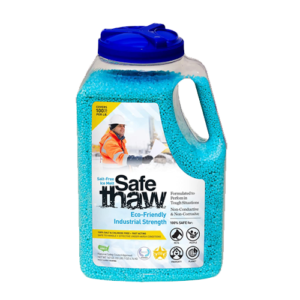
Safe Thaw
Imagine an ice melt you can put down and never worry about. It won’t harm pets, kids and your property. That’s Safe Thaw. Unlike anything else on the market, Safe Thaw can change how winter affects our planet.