


How Does the Age of Concrete Affect Its Resistance to Freeze-Thaw Damage
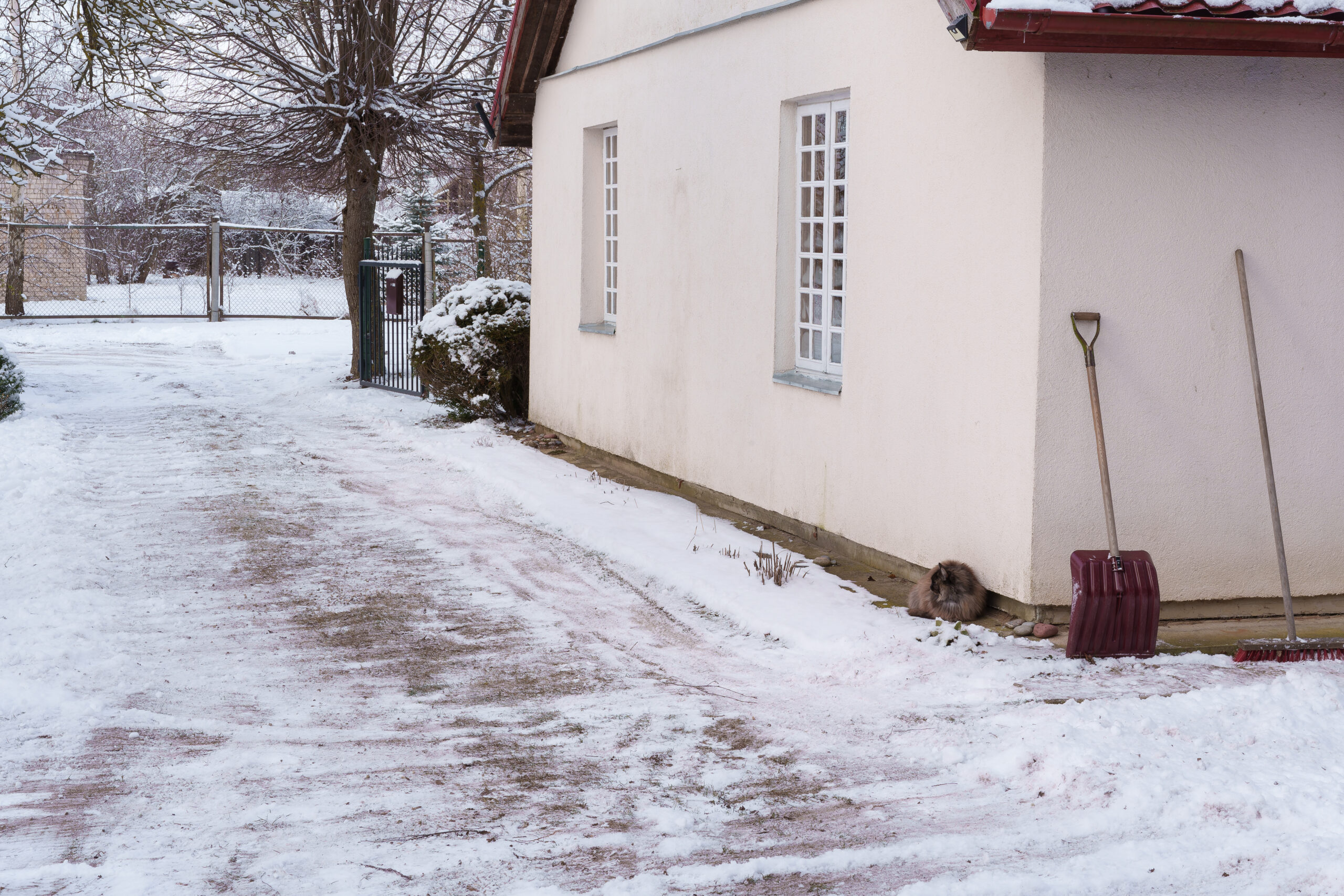
Over time, all concrete begins to change—and not for the better. Age plays a major role in how well a concrete surface can stand up to winter’s most damaging cycle: freeze-thaw stress. If your sidewalk, driveway, or stairs have seen more than a decade or two of use, you may start to notice more cracks, flaking, or popping as the seasons shift.
Why? The answer lies in porosity, flexibility, and environmental wear.
Porosity Increases With Age
As concrete ages, its surface naturally becomes more porous. Just like human skin loses moisture and elasticity over time, concrete becomes drier and more open to water absorption. This porosity allows moisture to penetrate more deeply into the surface layers. When temperatures drop and that water freezes, it expands—causing the concrete to crack, scale, or pop. Repeated cycles of freezing and thawing gradually weaken the integrity of the surface.
Age Makes Concrete More Fragile
Beyond porosity, older concrete becomes less elastic and more brittle. Microcracks that may have formed years earlier begin to widen with stress from weather, foot traffic, or heavy equipment. These cracks allow even more moisture to seep in, accelerating the damage. What once could handle seasonal stress with ease now buckles more easily under pressure.
Pet-Friendly Ice Melt
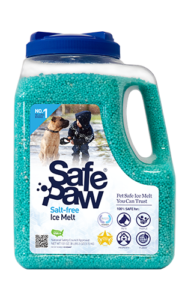
Pet Safe Ice Melt – Safe Paw
The Original and the #1 Pet and Child Safe Ice Melt for over 20 years. Guaranteed environmentally safe – will not harm waterways and sensitive wetlands.
External Forces Make It Worse
Freeze-thaw isn’t the only stressor. As mentioned, earth movements, shifting subgrades, and traffic (whether from people, carts, or machinery) also take their toll. In newer concrete, these forces are absorbed more evenly. But with older slabs, where internal bonding may have weakened and structural cohesion is less reliable, even minor tremors or weight shifts can cause visible cracking.
And once water gets in, the problem compounds. Each new freeze becomes a trigger for more surface failure. Over time, what begins as a cosmetic issue turns into a structural one.
How to Protect Aging Concrete
While you can’t reverse aging, you can take smart preventative steps. The most important? Seal it. A high-quality concrete sealer reduces water infiltration significantly, buying your older concrete more time. Reapply sealers as needed—especially in climates with frequent freeze-thaw cycles.
Also, avoid aggressive ice melts that contain chlorides, salts, or calcium-based ingredients, which can speed up deterioration. Instead, use chloride-free, pet-safe deicers like Safe Paw or Safe Thaw. These are specifically designed to melt snow and ice without breaking down the structural integrity of your concrete—even when it’s old and vulnerable.
Regular inspections, light cleaning, and prompt repairs of hairline cracks can also extend the life of older concrete surfaces. If the surface is significantly worn but the structure is sound, consider resurfacing instead of full replacement.
Conclusion
Age Is a Factor—But Not the End
Concrete doesn’t last forever. As it gets older, it becomes more porous, more fragile, and more vulnerable to freeze-thaw damage. But with smart care, sealing, and safe winter treatments, you can slow the aging process and maintain your surfaces well beyond their expected lifespan. Just like any material, proper maintenance makes all the difference in how well it weathers the years.
FAQs
Other Ice Melt Products
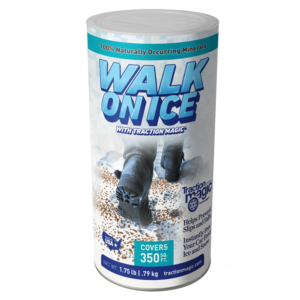
Walk On Ice
Prevent slips at home, work or on the go, The handy disposable canister can be taken everywhere, with the same 100% naturally occurring minerals that provide instant traction on ice or snow.
Safe Thaw
Imagine an ice melt you can put down and never worry about. It won’t harm pets, kids and your property. That’s Safe Thaw. Unlike anything else on the market, Safe Thaw can change how winter affects our planet.