


Household Items That Melt Ice: Safe and Practical Solutions
The current article goes directly into the five household items but doesn’t first tell readers which actually melt ice versus which mainly provide traction. The live article currently covers rubbing alcohol, vinegar, sugar, coffee grounds, and beet juice. (Safe Paw Ice Melter)
Winter brings the challenge of dealing with icy driveways and walkways. While commercial ice melts are available, several household items can effectively melt ice without the need for specialized products like Home Depot Snow Shovel. This article explores common household items that can be used to melt ice and discusses the importance of proper snow removal tools.
What Household Items Can Melt Ice?
Some household materials can lower the freezing point of water, but they do not all work equally well. Rubbing-alcohol solutions can depress freezing temperature, while vinegar and sugar may have more limited practical effects. Coffee grounds primarily add texture or traction rather than chemically melting ice. Beet-based winter treatments are commonly combined with salt or brine, so they are not automatically salt-free. For thick ice or snow, mechanical removal followed by an appropriate deicer or traction material is generally more predictable than relying on household remedies alone.
Key Takeaways
- Rubbing alcohol can lower a water mixture’s freezing point, but effectiveness depends on the actual alcohol concentration.
- Pure isopropyl alcohol freezes at approximately -127°F, but that is not the working temperature of a diluted household recipe. (CDC)
- Isopropyl alcohol is flammable and can poison pets if swallowed. (Pet Poison Helpline)
- Household vinegar normally contains about 4–12% acetic acid, but it is not a standard high-performance pavement deicer. (PubChem)
- Sugar can affect freezing behavior when dissolved, but ordinary sugar is inefficient for large icy surfaces and creates sticky residue.
- Coffee grounds should primarily be described as a traction/texture material, not an ice melter.
- Beet-derived winter treatments are frequently mixed with salt or brine and therefore may still contain chloride. (EPA NEPIS)
- Removing snow before treatment reduces the amount of deicer needed.
- Pet exposure should be evaluated by actual ingredients rather than assuming a household material is automatically safer. (ASPCA)
Do Household Items Melt Ice or Just Improve Traction?
Actual freezing-point depressants
Materials that can change the freezing behavior of water include:
- Alcohol/water solutions
- Dissolved salts
- Dissolved sugars, although practical efficiency varies
Limited or poorly validated household methods
- Vinegar
- Sugar applied directly to ice
- Other improvised household liquids
Primarily traction materials
- Coffee grounds
- Sand
- Grit
- Other granular materials that improve friction
FHWA explicitly states that abrasives increase friction but “are not ice-control chemicals.” (Federal Highway Administration)
Salt-containing additives
Beet-derived materials deserve their own category because EPA describes them being applied with brine or used to treat salt. (EPA NEPIS)
Household Items That Melt Ice
- Rubbing Alcohol (Isopropyl Alcohol): Rubbing alcohol can lower the freezing point of an alcohol-water mixture, but the result depends on both the alcohol concentration in the bottle and how much additional water is added. Pure isopropanol freezes at approximately -127°F, but that figure should not be used as the effective temperature of a diluted driveway mixture. Isopropyl alcohol is also flammable and should be kept away from pets and ignition sources.
- Vinegar: Household vinegar is primarily water containing roughly 4–12% acetic acid. Although an acetic-acid/water solution has different freezing behavior from pure water, household vinegar is not a standard highway or pavement deicer and should not be presented as equivalent to purpose-designed ice-melting chemicals.
- Sugar: Dissolved sugar can lower water’s freezing point, but ordinary household sugar is inefficient as a driveway or walkway deicer because substantial concentrations are required. It can also leave sticky residue and attract insects or animals.
- Coffee Grounds: Used coffee grounds may add temporary texture to an icy surface but should not be treated as a chemical deicer. Their effect is closer to traction than ice melting, and they may also create cleanup or staining concerns.
- Beet Juice: Beet-derived products are commonly added to salt or brine to improve adhesion and help reduce salt loss from treated pavement. If a mixture contains 80% salt brine, it remains a chloride-based treatment and should not be described as a salt-free or chloride-free option.
Pros & Cons
Household Items That Melt Ice: Pros and Cons Comparison
| Household Item | Main Effect | Advantage | Important Limitation |
| Rubbing alcohol + water | Freezing-point depression | Can affect thin ice | Flammable; pet ingestion hazard; concentration-dependent |
| Vinegar | Limited solution effect | Readily available | Weak pavement-deicing evidence; acidic |
| Sugar | Freezing-point depression when dissolved | Common household material | Inefficient; sticky residue |
| Coffee grounds | Primarily traction | May improve surface grip | Does not directly melt ice |
| Beet + salt brine | Salt-based chemical deicing | Can improve brine adherence | Still contains salt/chloride |
| Sand / grit | Traction | Immediate friction | Does not melt ice |
| Mechanical removal | Physical removal | Reduces chemical use | Requires labor/equipment |
Warnings and Limitations
Household availability does not mean a substance has been tested as a pavement deicer. Performance depends on concentration, pavement temperature, ice thickness, moisture, application rate and surface condition.
Do not assume rubbing alcohol is pet-safe. Ingestion of isopropyl alcohol can cause intoxication-like neurological symptoms, low blood sugar, gastrointestinal effects, cardiovascular effects and breathing difficulties in pets. (Pet Poison Helpline)
Do not assume every household method is safer for concrete. FHWA documents concrete scaling and deterioration associated with repeated deicer exposure, with susceptibility also depending on concrete quality, finishing and freeze-thaw conditions. (Federal Highway Administration)
Pet Safe Ice Melt
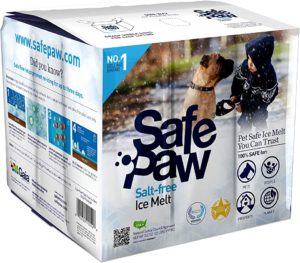
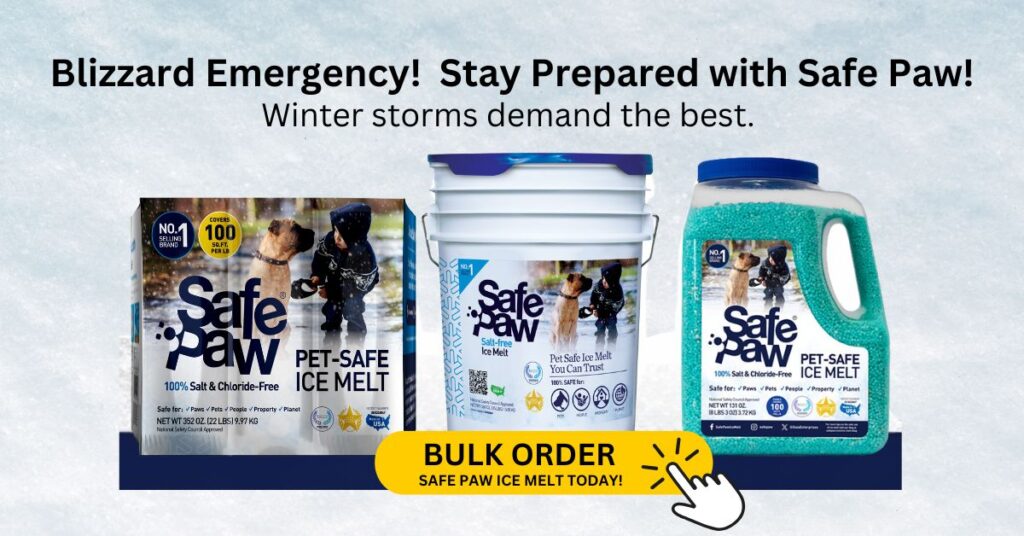
Pet Friendly Ice Melt – Safe Paw!
The Original and the #1 Child and Pet Safe Ice Melt for over 20 years. Guaranteed environmentally safe – will not harm waterways and sensitive wetlands.
The Role of Proper Snow Removal Tools
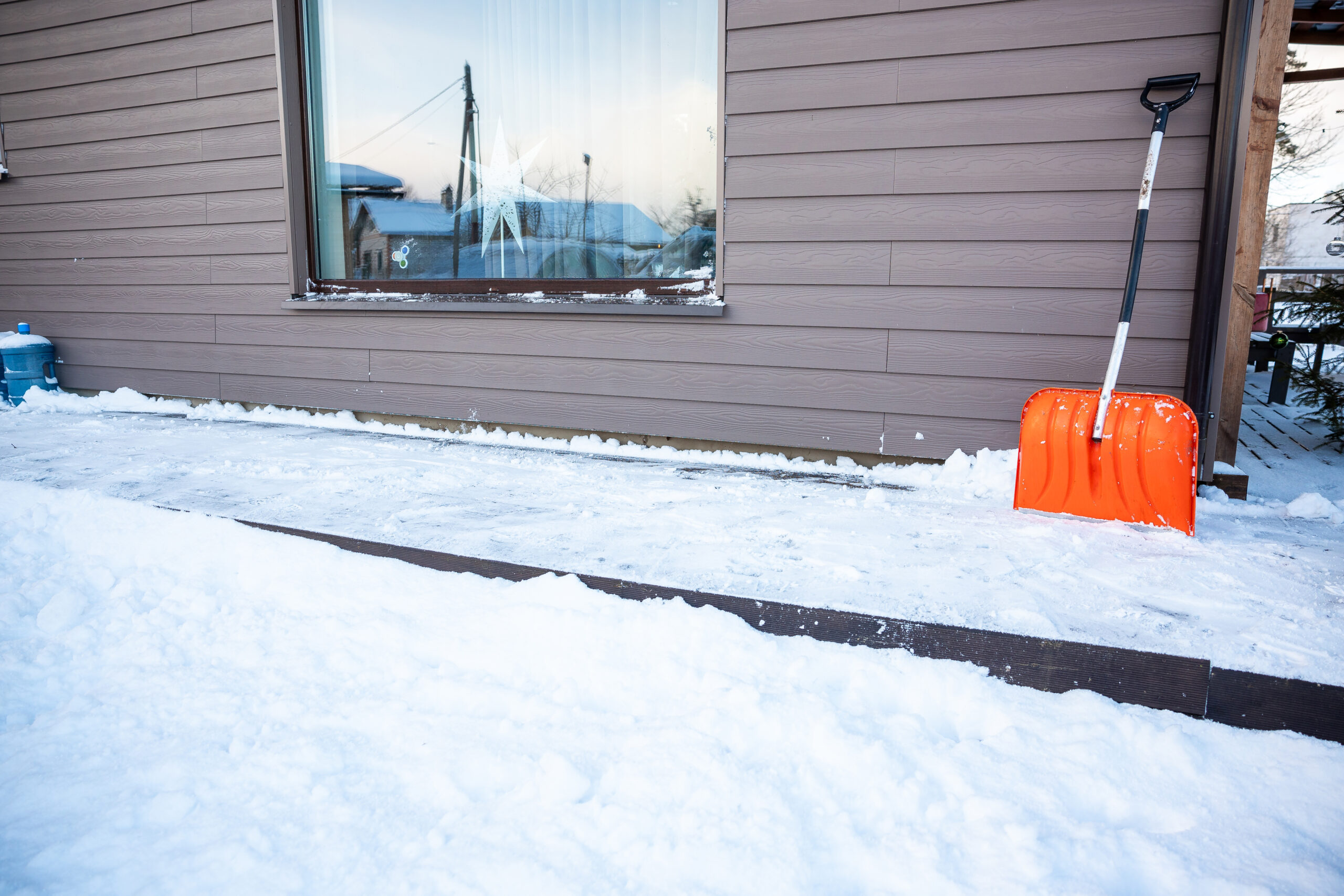
Before applying any ice-melting solutions, it’s essential to remove as much snow as possible. A quality snow shovel is indispensable for this task. Retailers like Home Depot offer a variety of snow shovels suitable for different needs. For instance, the True Temper 24 in. Industrial Grade Snow Pusher with Versa Grip is designed for heavy-duty snow removal, featuring a durable blade and comfortable grip.
Considerations for Concrete Surfaces
When dealing with ice on concrete surfaces, it’s crucial to choose methods that won’t cause damage. Traditional salt can lead to concrete deterioration over time. Household solutions like the rubbing alcohol mixture mentioned above are generally safer for concrete. Additionally, products like Safe Paw offer a pet-friendly, non-corrosive alternative to traditional ice melts, ensuring the safety of both your concrete surfaces and furry friends.
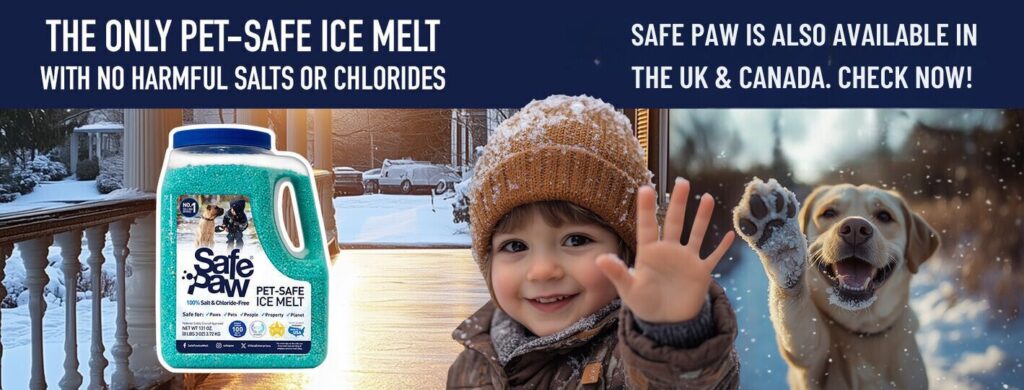
Pet Safe Ice Melt – Safe Paw
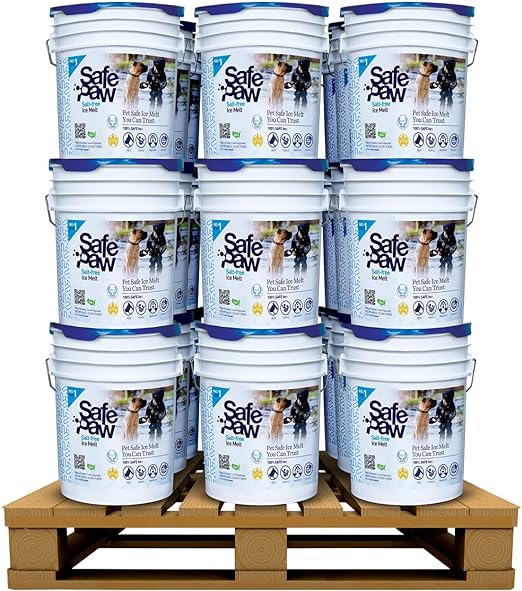
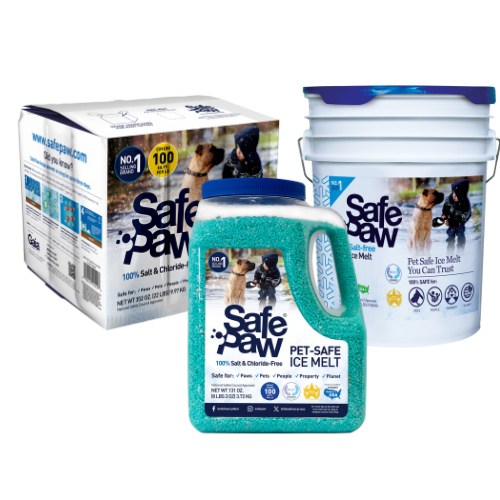
Safe Paw, Child Plant Dog Paw & Pet Safe Ice Melt -35lb, 36 Pails

Safe Paw, Child Plant Dog Paw & Pet Safe Ice Melt -22lb, 100Bboxes
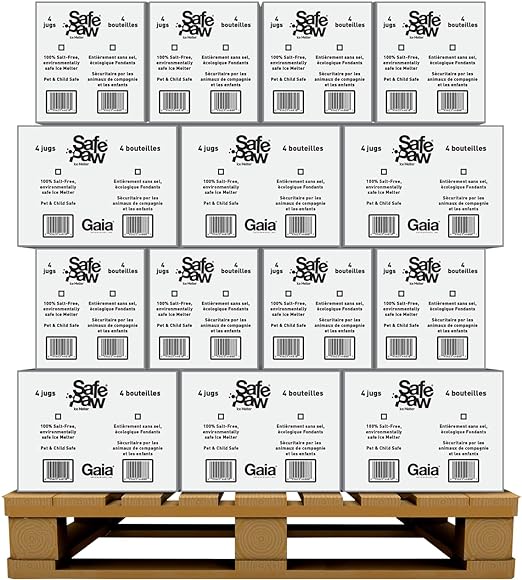
Safe Paw, Child Plant Dog Paw Pet Safe Ice Melt, 160 Jugs

Pet Products Powered By EzPz.pet

Conclusion
Using household items that melt ice is a cost-effective and accessible way to manage slippery surfaces during winter. Items like rubbing alcohol, vinegar, coffee grounds, and beet juice can provide short-term relief from ice buildup, especially when commercial ice melt is unavailable. However, these methods may not be as reliable in extreme temperatures or for long-lasting ice prevention.
For optimal results, pairing these solutions with a Home Depot snow shovel can enhance snow removal efficiency. Clearing snow before applying an ice-melting solution reduces the amount of product needed and minimizes surface damage. Additionally, using an ice melt that won’t damage concrete is crucial, as many traditional de-icers, such as sodium chloride and calcium chloride, can weaken concrete over time, leading to cracks and surface deterioration.
For a safer, non-corrosive alternative, Safe Paw offers a pet-friendly and concrete-safe ice melt solution. Unlike traditional salts, Safe Paw is chloride-free and designed to prevent damage to driveways, walkways, and landscaping.
Gaia Enterprises Inc. delivers 100% pet-safe and environmentally friendly winter products. Safe Paw, our flagship product, is the #1 selling pet-safe ice melt that does not harm pets, safe if ingested, and safe on all types of concrete.
FAQs
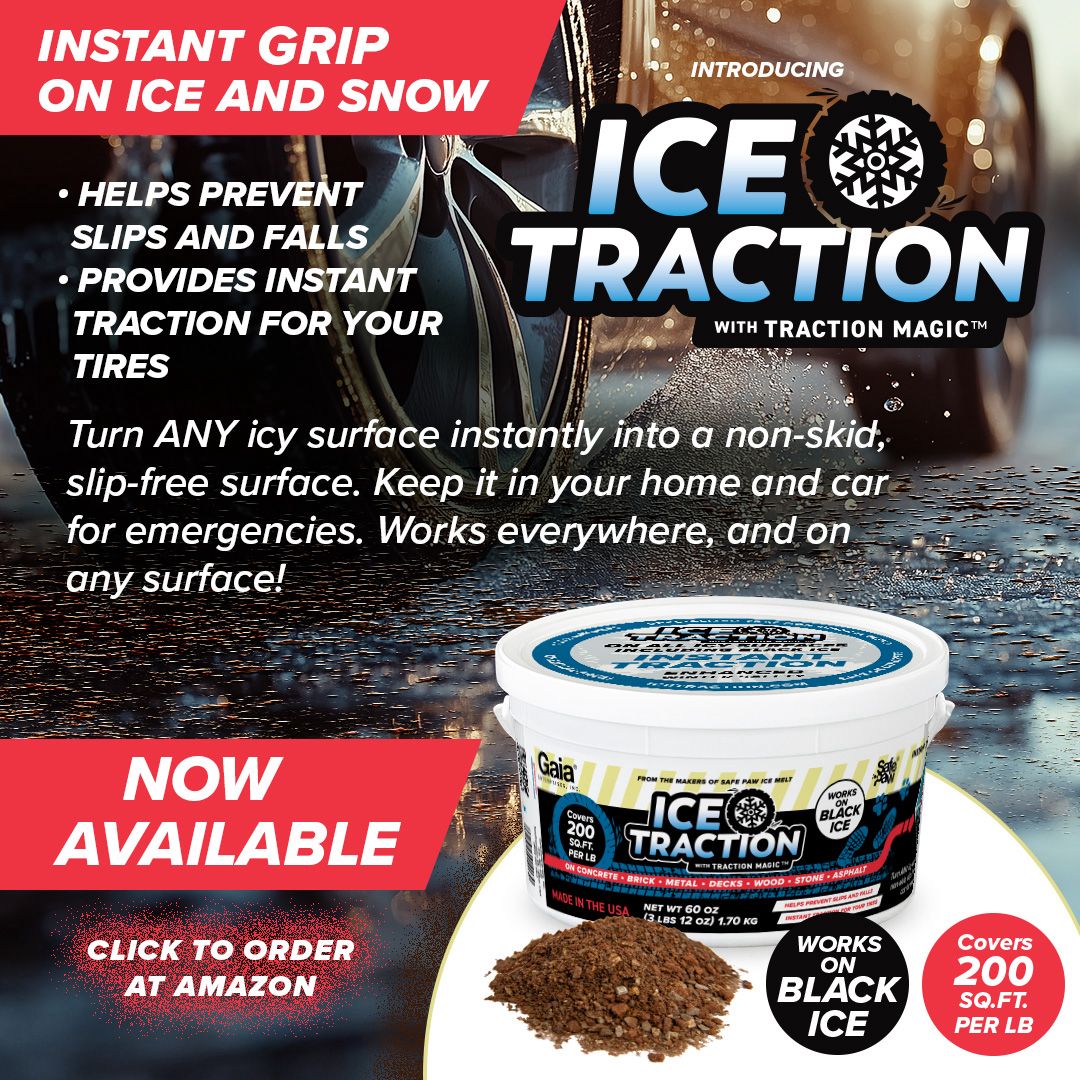
New Product Launch – Ice Traction (with Traction Magic™)
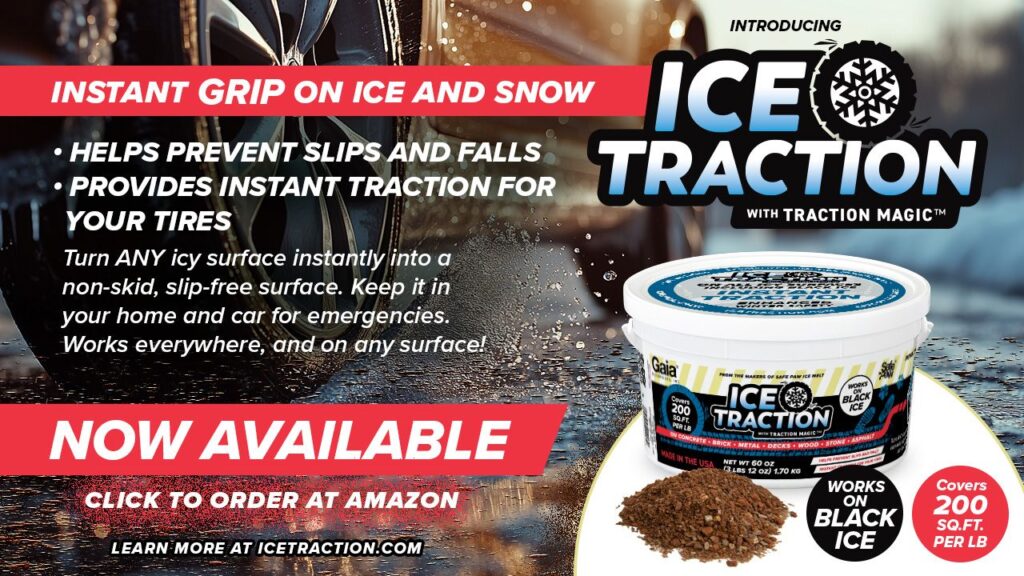
Ice Traction is your go-to winter solution for driveways, walkways, parking lots — and even black ice on the road. Unlike salt or ice melts, it delivers instant grip on snow and slippery surfaces with no wait time. Just spread and go.
Other Ice Melt Products
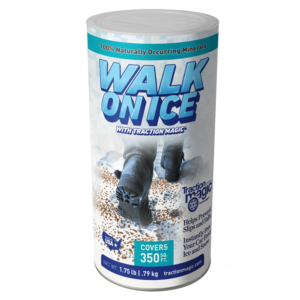
Walk On Ice
Prevent slips at home, work or on the go, The handy disposable canister can be taken everywhere, with the same 100% naturally occurring minerals that provide instant traction on ice or snow.
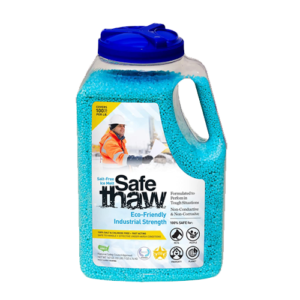
Safe Thaw
Imagine an ice melt you can put down and never worry about. It won’t harm pets, kids and your property. That’s Safe Thaw. Unlike anything else on the market, Safe Thaw can change how winter affects our planet.