


5 Ways Winter Sneaks Up on Your Dog’s Paws

That familiar feeling of winter anxiety that hits every pet owner? It’s completely valid. You’re fighting a daily battle to keep your dog warm, safe, and happy, and the most common battleground is right at the end of their legs: their paws.
You’re meticulous. You wipe their feet, you worry about the cold, and yet, you still see those little signs of distress: a nervous paw shake, a quick lick, or pads that look perpetually dry and stiff. You’re doing everything right, but winter has a few subtle tricks up its sleeve.
The truth is, winter doesn’t just attack with extreme cold; it sneaks up on your dog’s paws in five sneaky ways that most of us overlook.
1. Dry Air & Central Heating
This is the sneaky, 24/7 culprit, and it works against all your outdoor efforts. The moment we crack the heat, we solve one problem (cold) but create another (extreme dryness). Your furnace is actively pulling moisture from the air, turning your cozy home into a low-humidity desert for your dog’s paws.
This continuous exposure to dry air dehydrates your dog’s paw pads, leading to stiffness, flaking, and those painful-looking fissures. Cracked pads aren’t just uncomfortable; they lose their natural elasticity, making them far more susceptible to injury and infection when they step outside. This internal dehydration is what makes all the external threats worse.
Pet-Friendly Ice Melt
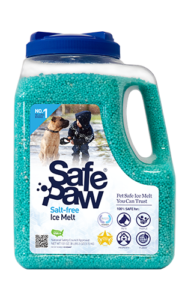
Pet Safe Ice Melt – Safe Paw
The Original and the #1 Pet and Child Safe Ice Melt for over 20 years. Guaranteed environmentally safe – will not harm waterways and sensitive wetlands.
Indoor central heating and low winter humidity compromise the integrity of paw pads, leading to micro-fissures that increase susceptibility to external pathogens.
2. Prolonged Surface Exposure
We tend to focus on the time spent walking, but the danger often lies in the time spent standing still. Think about those quiet moments waiting for your dog to finish their business on a slab of freezing concrete or an icy patch.
When your pet stands motionless on a frozen surface, the temperature exchange is relentless. Prolonged contact with surfaces below freezing increases the risk of frostbite, especially on the thin-skinned areas like the paw pads and ear tips. Frostbite doesn’t look like a simple scrape; it can cause the skin to appear pale, waxy, or gray, potentially leading to long-term tissue damage. If your dog constantly shifts weight or picks up their feet while waiting, they’re telling you the surface is too cold.
3. Snow and Ice Build-Up
This is the classic, frustrating annoyance, especially for dogs with shaggier feet. Snow and ice quickly compact into hard, painful clumps between the toes.
You knew it! These small, frozen ice balls are incredibly uncomfortable. They pull on the sensitive fur, cause pressure on the delicate skin between the pads, and can lead to small cuts or abrasions as the dog tries to chew them out. This is a purely physical irritation, but it’s relentless. Keeping the hair trimmed very short between the pads is a simple yet crucial way to prevent this common winter agony.
4. Slush and Trapped Moisture
The mid-winter slush is the worst—it’s damp, cold, and inescapable. The most significant damage happens after the walk, because the lingering dampness becomes a breeding ground.
As snow melts and refreezes, the moisture gets trapped in the fur. The constant wet-dry-wet cycle softens the skin, making it prone to cracking. Worse, this damp, warm environment—created by their own body heat—is a perfect incubator for bacterial or fungal infections. The lingering moisture is often what causes that musty smell or persistent pink redness, signaling dermatitis or pododermatitis (inflammation of the paws). Drying thoroughly right after the walk is non-negotiable.
5. Sharp Objects Buried in Snow
When a fresh layer of snow falls, it hides everything. This is where your casual park romp turns into an unexpected hazard zone. Snow can conceal anything from sharp gravel and discarded glass to frozen sticks and stones that become hard and sharp enough to cause puncture wounds.
That one random yelp mid-play wasn’t a sudden sprain; it was likely a tiny, hidden object slicing their pad. These seemingly minor cuts are easily missed beneath the fur and snow, but they become critical because they provide a direct pathway for bacteria to enter the paw tissue. Always give paws a thorough, visual inspection for small punctures after every snowy walk.
Conclusion: Your Simple 3-Step Paw Defense
Winter requires diligence, but it doesn’t have to be a daily panic attack. By understanding these five subtle threats, you can adopt a focused defense strategy that covers all the bases:
- Barrier Up: Always apply a protective paw wax or balm before leaving the house to shield against surface contact and dryness.
- Rinse Deep: When you return, use lukewarm water to completely dissolve and rinse away any trapped snow, ice, or debris. A quick towel wipe is not enough.
- Hydrate Inside: Regularly check your dog’s pads. If they look dry or cracked, apply a pet-safe moisturizer to combat the effects of indoor heating.
Keeping paws healthy is all about consistency. Stay ahead of these sneaky winter threats, and you can both enjoy the season worry-free.
FAQs
Other Ice Melt Products
Walk On Ice
Prevent slips at home, work or on the go, The handy disposable canister can be taken everywhere, with the same 100% naturally occurring minerals that provide instant traction on ice or snow.
Safe Thaw
Imagine an ice melt you can put down and never worry about. It won’t harm pets, kids and your property. That’s Safe Thaw. Unlike anything else on the market, Safe Thaw can change how winter affects our planet.