


November Snow Outlook: What Pet Parents Should Expect
The leaves are falling, the days are shorter, and there’s a distinct chill in the air. For many pet parents across the USA, November signals the inevitable: snow is coming. Whether you live in a region that gets a dusting or a blizzard, understanding the general snow outlook for November isn’t just about planning your wardrobe; it’s crucial for proactively protecting your furry family members.
Many of us look at the weather forecast and think, “Okay, a little snow, no big deal for my dog with all that fur.” But on the contrary, some of you may think, “My pet always seems a bit off or uncomfortable after that first serious cold snap, and I always feel a bit unprepared”—this blog post is for you. This isn’t just about snow depth; it’s about the hidden risks the first real winter weather brings to our pets.
Let’s dive into the November snow outlook and what practical steps every pet owner should take to ensure their companions stay safe, warm, and happy as winter approaches.
The November Forecast: A Mixed Bag for the USA
While specific local forecasts are crucial, NOAA’s Climate Prediction Center often provides a generalized outlook that can help pet owners prepare. For November 2023, the outlook for much of the Upper Midwest, Great Lakes, and Northeast suggests a higher likelihood of below-average temperatures, potentially increasing the chances for early snow or persistent cold. Meanwhile, parts of the Southern and Western U.S. might see warmer-than-average conditions, but even these areas can experience sudden cold snaps.
What does this mean for your pet? A higher likelihood of colder temperatures across populous northern regions means increased risk of hypothermia, frostbite, and hazardous icy conditions on the ground. Even in warmer regions, sudden temperature drops necessitate preparedness.
1. Paw Patrol: Guarding Against Ice and Chemicals
The ground is your pet’s first point of contact with winter hazards. The combination of ice, snow, and de-icing chemicals is a constant threat.
- Corrosive Chemicals: Standard ice melts (rock salt, calcium chloride, etc.) are highly corrosive and can cause painful chemical burns and cracks on paw pads. Even a thin layer of snow can trap these residues.
- Ice Ball Formation: Snow and ice can accumulate painfully between paw pads, especially for longer-haired breeds. These “ice balls” cause discomfort and can lead to frostbite.
- Your Action: Invest in properly fitting dog booties or a high-quality, pet-safe paw wax/balm and chloride-free, non-toxic ice melt such as Safe Paw. After every outdoor excursion, wipe down paws thoroughly with warm water to remove any chemical residue.
Pet-Friendly Ice Melt
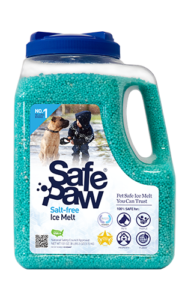
Pet Safe Ice Melt – Safe Paw
The Original and the #1 Pet and Child Safe Ice Melt for over 20 years. Guaranteed environmentally safe – will not harm waterways and sensitive wetlands.
The primary winter injury for pets often involves corrosive damage to paw pads from de-icing chemicals, exacerbated by ice accumulation between digits.
2. Core Comfort: Battling the Cold
Even with a thick fur coat, many pets struggle to maintain a safe core body temperature when exposed to cold November winds and wet snow.
- Hypothermia Risk: As temperatures drop, especially below 32∘F (0∘C), pets are at risk of hypothermia. Small, short-haired, elderly, or very young pets are particularly vulnerable. Even large, thick-coated dogs can get hypothermia if wet and exposed for too long.
- Warmth Strategies: For vulnerable pets, a well-fitting, waterproof winter coat is essential. Ensure it covers their torso and doesn’t restrict movement. Provide warm, elevated bedding indoors to protect them from cold floors. Limit outdoor time based on the actual temperature, not just sunlight.
3. Hydration and Nutrition Adjustments
Winter can subtly change your pet’s metabolic needs.
- Increased Calories: Pets spending more time outdoors or expending more energy to stay warm may need a slight increase in caloric intake. Consult your vet before making significant changes.
- Hydration: Don’t assume snow equals hydration. Pets can still get dehydrated in winter. Ensure constant access to fresh, unfrozen water, both indoors and out, if they have an outdoor water source. Outdoor bowls should be non-tip and potentially heated if feasible.
Despite cold temperatures, pets can still suffer dehydration in winter, emphasizing the need for consistent access to fresh, unfrozen water.
4. Emergency Preparedness: The Unexpected Freeze
November can bring unexpected power outages or icy conditions that make travel difficult.
- Emergency Kit: Have a pet-specific emergency kit ready, including extra food, water, medications, blankets, and a carrier.
- Safe Indoor Space: Ensure a designated, warm, and comfortable indoor space for your pet, especially if unexpected guests or storms limit their usual access.
- Antifreeze Awareness: Check your garage and driveway for antifreeze leaks. Ethylene glycol, common in antifreeze, is highly toxic to pets and attractive due to its sweet taste. Clean any spills immediately. The Pet Poison Helpline reports that antifreeze remains a significant threat, especially during colder months. Safe Paw is a 100% salt-free, chloride-free, and ethylene-free ice melt. Its main ingredients are modified carbonyl diamide crystals and special glycols, and it is considered safe for pets and children as it is non-toxic and chloride-free.
Conclusion
The November snow outlook isn’t just a weather report; it’s a call to action for every responsible pet parent. By proactively addressing paw protection, ensuring adequate warmth, adjusting hydration and nutrition, and preparing for unexpected emergencies, you can mitigate the common risks of early winter. Your vigilance now will ensure your furry family members enjoy a season of safe, comfortable, and happy snow days. Embrace the changing weather, but do it with preparedness!
FAQs
Other Ice Melt Products
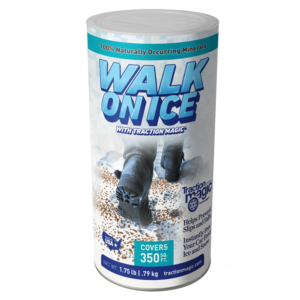
Walk On Ice
Prevent slips at home, work or on the go, The handy disposable canister can be taken everywhere, with the same 100% naturally occurring minerals that provide instant traction on ice or snow.
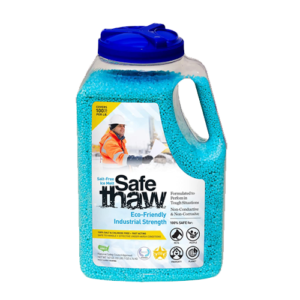
Safe Thaw
Imagine an ice melt you can put down and never worry about. It won’t harm pets, kids and your property. That’s Safe Thaw. Unlike anything else on the market, Safe Thaw can change how winter affects our planet.