Imagine you built a house with all your savings, and then comes the winter and along with it comes ice and snow. Now your home is covered with snow, and you’re inside. While that must be a pretty scene to eyes, in reality, it is very dangerous. The reason is that the snow will damage your house and maybe harm your family if it’s not melted in time.
But here’s a fact– melting ice isn’t that difficult. It is difficult to find anice melt safe for concrete that won’t damage your concrete so that it could last longer.
Choosing an ice melt that is safe for concrete, safe for pets and safe for the environment is critical for both long-term surface health and paw-safety.
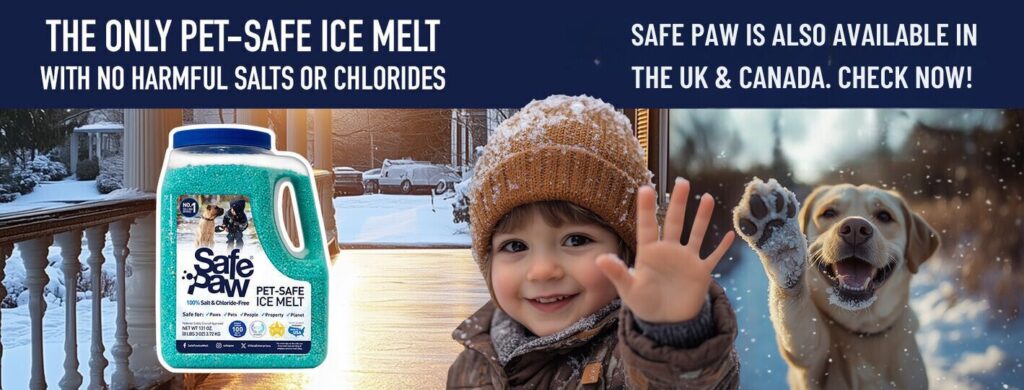
Safe Paw formulation is salt-free, chloride-free, melts to –2 °F, and is designed specifically to protect concrete, pets and walkways.
Ice and Snow Everywhere? Stock Up on Safe Paw – the ONLY Pet Safe Ice Melt you can trust
Does Salt Damage Concrete? Understanding How Deicers Cause Cracks
Yes, most of the ice melts out there can damage concrete in the following ways-
When the ice melts, it turns to water and then gets inside cracks and crevices, and then it freezes and expands the cracks. As a result of the expansion, the pressure on the build-up increases, and eventually, the pressure increases more than the concrete could withstand.
Using rock salt as an ice melt could also get into the cracks and reach the metals inside. Now, this fastens the process of corrosion and damages your house.
While there are several chemicals out there, they can be highly damaging to the concrete. Some of such chemicals include Ammonium Nitrate, Calcium Sulfate, Aluminum Chloride, Magnesium Chloride, Sodium Cyanide, etc.
Using rock salt can also stay on the surface and recrystallize in the surface’s pores and can result in chipping spalling.
The Hidden Risks: Does Calcium Chloride Damage Concrete and Driveways?
Imagine you’ve invested in a home, layered with fresh snow—and now comes the hidden danger: using the wrong deicer can compromise your driveway, your family’s safety and even your pet’s health. The interplay of salt, moisture, and freezing cycles becomes a “triple threat” for concrete health.
In practical terms, when water from melted ice seeps into cracks or pores in concrete and then freezes again, the expansion causes micro-cracks, spalling and even structural weakening. Thus, even if the ice is removed, the underlying damage process can continue silently.
De-icing salts containing sodium chloride or calcium chloride significantly increase a concrete surface’s susceptibility to freeze-thaw deterioration by increasing pore saturation and crystallization pressure.
Research found that concrete specimens exposed to chloride-salt-freeze-thaw cycles show more than a 10-fold increase in surface damage compared to fresh-water freeze-thaw cycles.
When rock salt residue remains on the surface, it can recrystallize inside concrete pores and chip away the surface in a process called scaling or spalling.
Get ready for winter with – the ONLY Pet Safe Ice Melt you can trust
Finding a Salt That Doesn’t Damage Concrete or Outdoor Patios
Yes—there are concrete-safe options available, but choosing the right one requires paying attention to specific criteria. Ice melt is not just about clearing snow quickly; it’s about protecting the structure beneath, safeguarding pets and children who walk on the surface, and preserving surrounding landscaping. The wrong product can silently deteriorate concrete, irritate paws, or introduce harmful chemicals to soil and waterways.
As a responsible house owner, it’s your responsibility to take care of your concrete while managing the peril of icy walkways and driveways. The same goes for businesses as well. They need to be equally responsible for the safety of their premises as well as making sure their property is well-maintained.
How to Identify an Ice Melt That is Safe for Concrete and Pets
✔ Safe for Kids and Pets
A truly pet- and child-safe deicer must avoid corrosive salts, harsh chemical residues, or irritants that can remain on paws or shoes. Chloride-based products often claim to be “pet friendly,” but many still cause paw dryness, cracking, or irritation. This makes ingredient transparency essential—not marketing labels.
✔ Safe for Concrete Surfaces and Structural Reinforcement
The biggest concrete threat comes from chloride salts—like rock salt, calcium chloride, and magnesium chloride—which draw moisture deeper into pores. When that moisture refreezes, the expansion creates internal pressure that leads to cracking and spalling. A concrete-safe ice melt must avoid this damage pathway by eliminating chlorides altogether.
✔ Safe for the Environment
Environmentally responsible ice melt avoids corrosive salts and ingredients that damage vegetation, leach into soil, or contaminate nearby waterways. A safer formula protects lawns, garden beds, and soil health while still performing effectively in winter conditions.
Why Safe Paw is the Ultimate Ice Melt That Won’t Damage Concrete
Unlike chloride-based competitors, Safe Paw uses a salt-free, chloride-free, non-corrosive formula built on a blend of modified urea and special glycol. This unique chemistry allows the product to break the ice surface tension without relying on aggressive salts that attack concrete or irritate paws.
Key Characteristics of Safe Paw’s Formula
100% salt-free — eliminates the risk of surface scaling, pitting, or long-term concrete damage.
100% chloride-free — avoids corrosive reactions that harm metals, concrete reinforcement, vehicles, and surrounding landscaping.
Non-toxic and pet-safe — safe upon contact and if accidentally ingested in small amounts.
Effective in extreme cold — engineered to melt ice down to –2°F, surpassing the performance of many chloride-based blends.
Safe for vegetation — avoids the soil burn and plant dehydration commonly associated with rock salt.
Independent reviews recognize this formula as one of the best pet-safe deicers available, highlighting its non-toxic glycol technology that avoids corrosive salts entirely.
Comparing Chloride-Based Deicers to Pet-Safe Ice Melt Alternatives
Safe Paw’s formula provides a fundamentally different approach to ice management—one that avoids the pitfalls of traditional chloride products.
Increase internal concrete cracking and surface spalling
Leave residues that irritate pet paws
Often damage vegetation and soil
Typically melt only to around –10°F to 20°F depending on the chemical
2. “Pet Friendly” Rock Salt Blends
Often still rely on sodium chloride
May include coloring agents or additives that offer no safety benefit
Frequently marketed as “safer,” yet still carry paw and concrete risks
3. Non-Chloride, Salt-Free Options (Safe Paw)
Avoid corrosion, scaling, and structural damage
Protect paw pads from burning or dryness
Perform in severe cold
Leave no harsh chemical residues
Offer long-term surface and pet safety
Many products marketed as “pet friendly” still contain chloride salts or other irritating additives that can harm paws or cause gastrointestinal upset when residues are ingested.
Winter Safety Guide: Using Concrete Safe Ice Melt on Sidewalks
With the beautiful, breathtaking snowfall, the maintenance and winter safety of the sidewalks has become a top priority for homeowners. No matter how much you like the white, divine snowflakes, everyone dreads the winter safety work that comes with it. Legally, it’s your responsibility to keep your sidewalks free from ice or snow. This also means that you can be held liable in court if any mishap happens on your sidewalk due to ice or snow. That could be a blow to your finances as well. Therefore, it’s absolutely imperative to use an ice melt safe for concrete. It’s essential not just for the safety of pedestrians but also for the longevity of the concrete itself. Regularly applying a safe, effective ice melt can prevent the build-up of ice, keeping your walkways navigable and secure, no matter the weather conditions.
How to Keep Your Walkways Clear — Safely & Effectively
Winter walkway safety is not only about melting ice—it’s about doing so without compromising the structure beneath or the paws of your four-legged friends. Walking over compromised concrete isn’t just unsightly—it’s a liability. Residue matters as much as melt performance.
Three practical steps:
Clear snow first (shovel) to minimise need for deicer.
Apply a concrete-safe, pet-safe deicer, Safe Paw.
Rinse or flush residue from walkways once ice is gone, especially if you have pets.
Homeowners are legally liable for injuries caused by icy walkways, so choosing the right ice melt contributes both to safety and to property maintenance.
Why Magnesium Chloride Ice Melt and Traditional Salts Ruin Pavement
As we discussed already, traditional deicing products, while effective at melting ice, often come with the hidden cost of damaging your concrete. Cheap ice melt definitely has a cost. It’s concrete protection! When ice melt products that contain harsh chemicals like sodium chloride or calcium chloride are used, they can penetrate the surface of your driveway. After reaching the inner surface of your concrete these chemicals absorb moisture. This moisture then freezes and expands, causing cracking and pitting over time. This type of damage not only compromises the appearance of your driveway but also its structural integrity, leading to costly repairs. Therefore, if concrete protection is a priority for you, never use chloride-based ice melt on your concrete.
A major study showed that concrete exposed to road salts and freeze-thaw cycles lost structural integrity and showed brittle fracture far earlier than unaffected concrete.
When chloride salts penetrate concrete, they react chemically with the cement matrix (e.g., Ca(OH)₂) and generate new phases which increase porosity and reduce strength under freeze–thaw stress.
Ice Melt For Concrete
Safe Paw
The Original and the #1 Child and Pet Safe Ice Melt for over 20 years. Guaranteed environmentally safe – will not harm waterways and sensitive wetlands.
Now Here Are Some Of The Most Used Ice Melts And Their Pros And Cons
Calcium Chloride (CaCl)
It’s an effective ice melt that can help in even -25 degrees Fahrenheit. It’s expensive in comparison with other ice melts and is even less dangerous to the environment. However, it has it’s not entirely safe.
Potassium Chloride (KCl)
Potassium Chloride generally isn’t used independently but with some other ice melt like rock salt. Although it’s shown as a harmless ice melt, it’s chloride and has some side effects, and can damage concrete and bricks up to a great extent.
Urea And Sand
While urea for ice melting acts as a fertilizer, sand offers traction. Together, they can be used for melting ice in winter but may not be good for immediate use. However, they are completely safe for the environment and concrete.
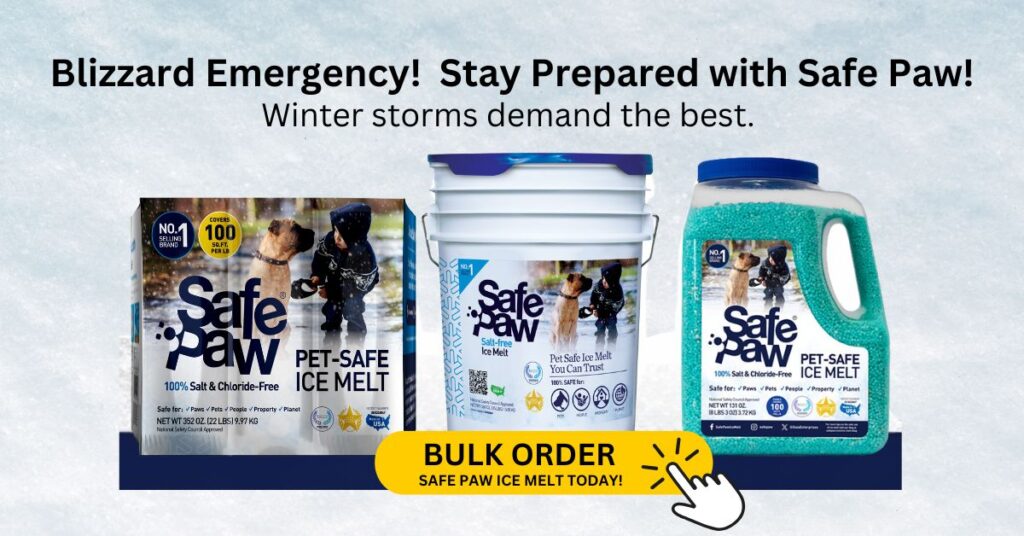
Gaia Enterprises Inc. delivers 100% pet-safe and environmentally friendly winter products. Safe Paw, our flagship product, is the #1 selling pet-safe ice melt that does not harm pets, safe if ingested, and safe on all types of concrete.
How do deicing salts impact concrete?
Another common method used to remove ice from driveways and sidewalks is salt. The obvious reason is its cost and availability. But guess what? It’s even more dangerous than magnesium and calcium chloride. The chemical composition of these deicing salts are too harsh for concrete surfaces. These salts can accelerate the deterioration process by contributing to the freeze-thaw cycles that break down concrete. Understanding the impact of these compounds can help you make more informed choices about the products you use on your property.
Best Practices for Applying Concrete-Friendly Ice Melt at Home
Choosing the right product for deicing is crucial. In order to choose the right ice melt for yourself first, you need to make sure that it is-
With the discussion above, you must have an idea that products, such as those containing urea, are specifically formulated to minimize the risk to concrete while still providing the melting action needed to keep areas clear and safe. Urea-based products, like those found in Safe Paw, ensure that your driveways, walkways, and other concrete surfaces remain intact and undamaged even with regular winter use.
Get ready for winter with the ONLY Pet Safe Ice Melt you can trust
Now you know that urea for ice melting is completely safe for concrete and the environment as well. Safe Paw uses urea as one of the primary components and is 100% to use; plus, it gives immediate results when used. The best part is, it’s easy to use and is very effective for melting ice.
Quick Decision Guide: Which Ice Melt is Safe for Concrete and Kids?
When you’re shopping for an ice-melt, ask yourself:
Is it safe for children and pets?
Is it safe for concrete and other surfaces?
Is it safe for the environment / landscaping?
Quick Decision Guide:
If you have chipped, stained or older concrete → pick a chloride-free, non-corrosive product.
If you have pets or children → ensure non-toxic, residue-minimising formulation.
If you live in severe cold (< –10 °F) → make sure the product explicitly lists nailed low-temp rating.
Some standard salts lose effectiveness or require larger dosage at extreme cold, increasing risk of surface damage and pet exposure.
Comparing Calcium Magnesium Acetate Ice Melt to Chloride Formulas
Below is a quick breakdown of common options, their pros/cons, and how they compare with premium product.
Product Type
Pros
Cons
Calcium Chloride (CaCl₂)
Works to approx. –25 °F; strong melt power
Highly corrosive to metals & concrete; high risk to pets
Salt-free, chloride-free; safe to –2 °F; pet & concrete-safe
Premium cost (but long-term cost savings)
According to industry guides, urea-based deicers are preferred in environments where concrete preservation or plant/pet safety is required—despite being slower acting.
Winter Maintenance: Car Defrosting vs. Concrete-Safe Outdoor Solutions
When your windshield ices over, the first thing you probably reach for is the defrost button in car. It’s a lifesaver on frosty mornings—but it only solves the problem inside your vehicle. For your driveway, steps, and sidewalks, you need an outdoor solution that works fast, stays effective, and doesn’t destroy concrete or harm your pets.
That’s where many people stumble by grabbing the nearest product on the shelf. Some opt for road runner pet friendly ice melt, but here’s the catch—is road runner ice melt pet friendly in the truest sense? While the branding says “pet friendly,” a closer look reveals many formulas still rely on chloride-based ingredients that can irritate paws, corrode concrete, and damage landscaping.
By contrast, Safe Paw remains the benchmark for true safety—no salts, no chlorides, and completely non-toxic. While your defrost button in car helps maintain visibility, Safe Paw helps maintain long-term safety underfoot.
According to the Automobile Association (AA), using hot or even lukewarm water to defrost a windscreen can cause the glass to crack because of rapid thermal expansion and contraction.
Vehicle manufacturers’ guidance states that proper use of the defrost setting—direct warm air to the windshield rather than pouring hot water—is essential for safe defrosting and maintaining visibility in freezing conditions.
Does Table Salt Melt Ice? Why It’s Not a Safe Salt for Concrete
You’ve probably wondered: does table salt melt ice? Technically, yes. Table salt (sodium chloride) lowers the freezing point of water, so it can help break up icy patches in a pinch. But using it regularly as a deicer is a recipe for damage. Table salt is not formulated for outdoor surfaces, and its small granules can seep into concrete pores and refreeze—leading to cracks, scaling, and even corrosion of metal reinforcements.
So, while it may melt ice, it also melts your surfaces and safety along with it. And just like road runner pet friendly ice melt, the label may not match the long-term impact on your concrete or your pets’ paws. The better choice? Stick to an ice melt that’s been proven to be concrete-safe, kid-safe, and pet-safe over decades—Safe Paw is trusted by households that value real winter safety.
A study by Škoda Auto revealed that the average UK driver spends more than three hours each year defrosting their car windscreen, highlighting the importance of efficient and safe de-icing methods.
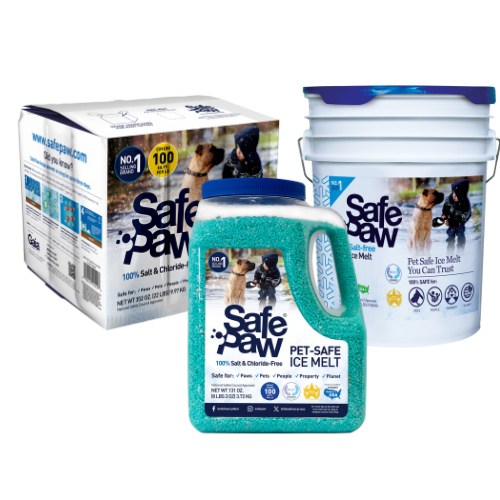
Pet Safe Ice Melt – Safe Paw
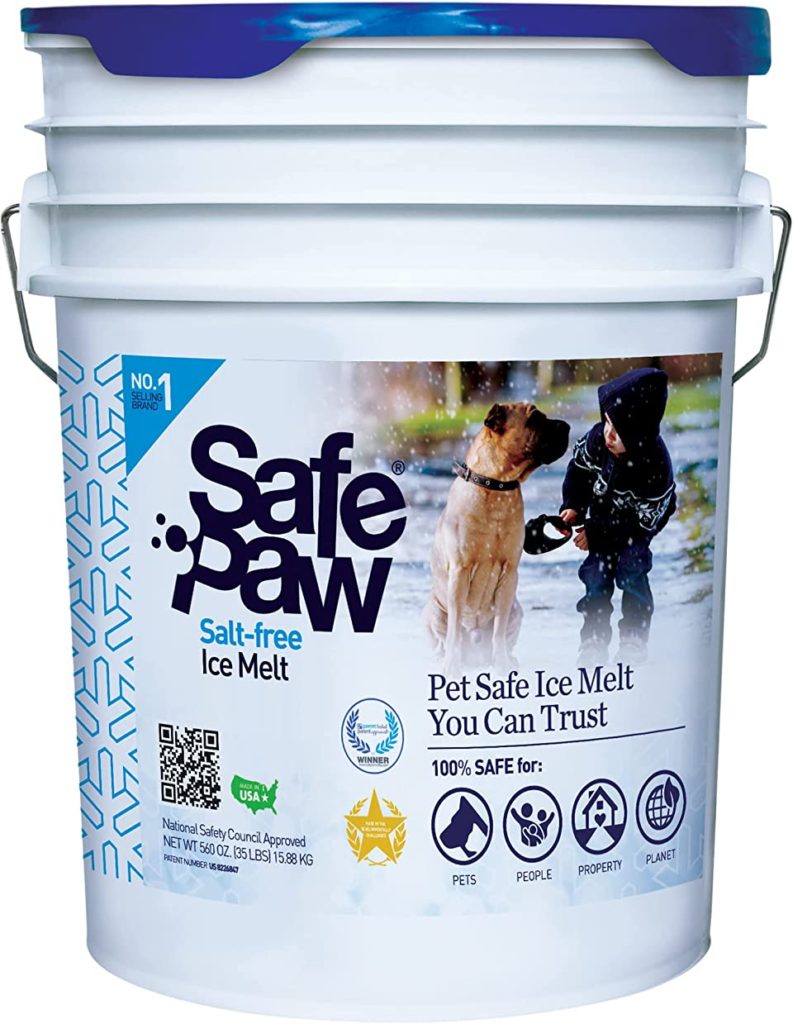
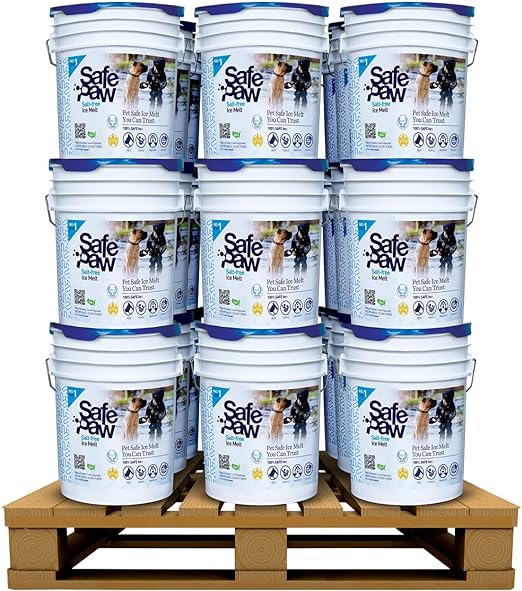
Safe Paw, Child Plant Dog Paw & Pet Safe Ice Melt -35lb, 36 Pails
Conclusion: Safeguarding Your Home with a Pet-Safe, Concrete-Safe Ice Melt
You now have more than enough insight to make the right call this winter. While your defrost button in car handles cabin comfort, it’s what you put on the ground that affects your home’s long-term health and your pet’s safety. Products like road runner pet friendly ice melt may sound reassuring, but when asking is road runner ice melt pet friendly, don’t rely on the label—look at the ingredients. And before grabbing kitchen staples and wondering does table salt melt ice, remember that short-term fixes can lead to long-term damage.
Concrete surfaces, delicate paws, and winter routines deserve more. Choose a chloride-free, urea-based ice melt like Safe Paw that prioritizes effectiveness without compromise. From your car’s defrost button to your front steps, every choice you make this winter adds up. Let safety lead the way.
Ice and Snow Everywhere? Stock Up on Safe Paw – the ONLY Pet Safe Ice Melt you can trust
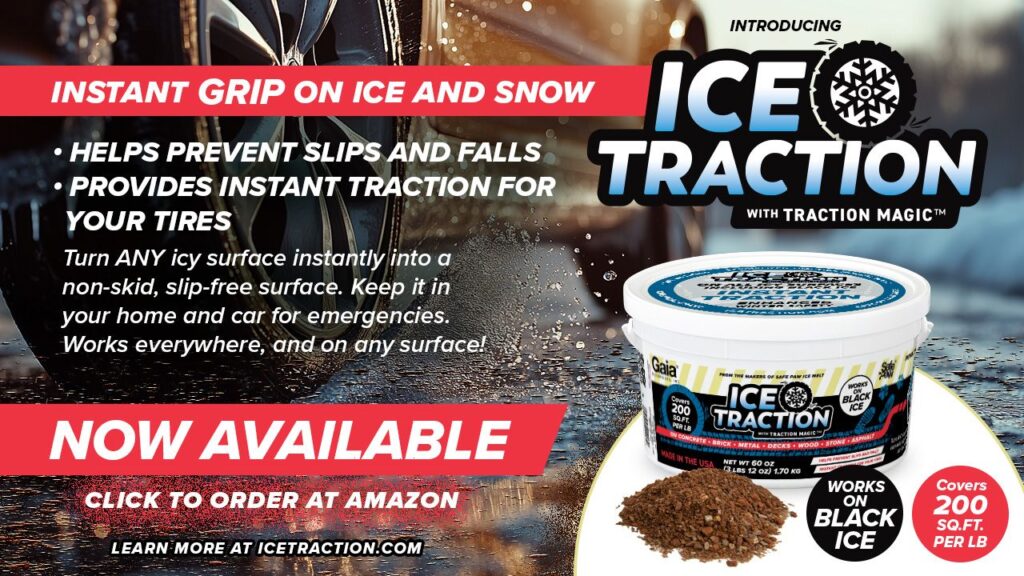
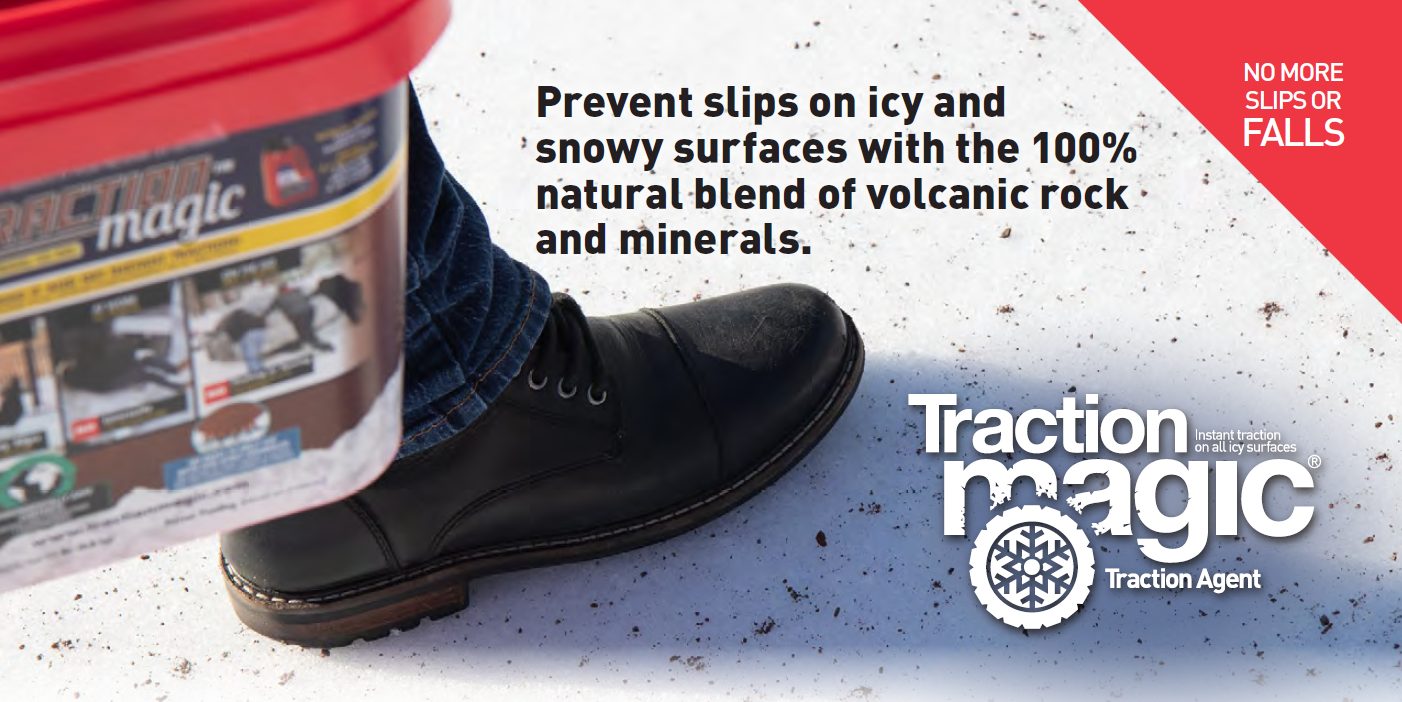
Stay safe on slippery surfaces with a product that’s 100% natural and safe for pets, people, and your property. Use Traction Magic on sidewalks, steps, or as instant traction for your car.
Imagine an ice melt you can put down and never worry about. It won’t harm pets, kids and your property. That’s Safe Thaw. Unlike anything else on the market, Safe Thaw can change how winter affects our planet.
Ice Traction (with Traction Magic™) is your go-to winter solution for driveways, walkways, parking lots — and even black ice on the road. Unlike salt or ice melts, it delivers instant grip on snow and slippery surfaces with no wait time. Just spread and go.
Imagine an ice melt you can put down and never worry about. It won’t harm pets, kids and your property. That’s Safe Thaw. Unlike anything else on the market, Safe Thaw can change how winter affects our planet.
FAQ: Frequently Asked Questions About Concrete Safe Ice Melt
The safest ice melts for concrete are those that are completely salt-free and chloride-free, since chlorides accelerate freeze–thaw damage and lead to cracking or spalling over time. A non-corrosive formula protects both the surface and the underlying reinforcement while still delivering reliable winter performance.
Chloride salts pull moisture into the pores of concrete, and that moisture expands when temperatures drop, which creates internal pressure on the surface. Over repeated cycles, this leads to cracking, surface flaking, and long-term deterioration of driveways and walkways.
Not necessarily. Many ice melts labeled “pet friendly” still rely on sodium or potassium chloride, which may be gentler on paws but can still harm concrete surfaces. To protect both pets and driveways, a formula must be both non-toxic and non-corrosive like Safe Paw, without any chloride content.
The car’s defrost button helps clear the windshield by warming interior air, but it only addresses visibility inside the vehicle. Outdoor surfaces like driveways, steps, and walkways still require a dedicated ice melt product to prevent slips, maintain traction, and protect concrete from cold damage.
Start by checking the ingredient list—products free of salt, chlorides, and harsh chemicals are typically safer for concrete, paws, and landscaping. Then compare melt temperatures, safety certifications, and residue performance to ensure you’re choosing a winter product that protects both your home and your family.
Ice and Snow Everywhere? Stock Up on Safe Paw – the ONLY Pet Safe Ice Melt you can trust
Nature-friendly innovations are Steve’s passion and his products are deeply rooted in this philosophy. “Safe for people, pets, property, and the planet” isn’t just a tagline; it’s the very essence of Steve’s vision.
Driven by a profound respect for our environment, for the last 50 years, Steve is leading the charge towards a future where sustainability isn’t an option but a standard.