


International Week of Science The Chemical Difference That Makes Ice Melt Safe

It’s International Week of Science (observed annually, November 9-15), and while your mind might jump to rockets or CRISPR technology, we’re going to focus on a piece of everyday chemistry that matters directly to you and your best friend: the ice melt on your driveway.
If you’re a dedicated dog owner in the USA, you’ve been there. The forecast calls for ice, you run to the hardware store, and you grab the bag labeled “Pet Friendly!” You feel great, until your dog starts licking their paws obsessively after the walk, or you notice those little pink cracks appearing on their pads. You think, “Wait, I bought the good stuff. Why is this still happening?”
The simple, frustrating answer is that the label is lying to you—or at least, it’s not telling you the whole truth. What you think is a safety measure is often a painful chemical trick. But there is a real, scientific solution, and it comes down to one little word: Chloride.
The Corrosive Lie Hidden in “Pet-Friendly” Salt
This is the moment for every pet owner who has dealt with winter paw irritation. Most commercial ice melts—even the ones that claim to be safe—are still built around a chloride salt. Whether it’s the cheap Sodium Chloride (rock salt), Potassium Chloride, or the slightly better Calcium or Magnesium Chloride, the core problem is the chloride ion.
The Chemical Chain Reaction That Causes the Burn
Here is the microscopic process happening on your pet’s paw:
- The Thaw and the Brine: The salt granule hits the ice and forms a corrosive brine (saltwater solution) that lowers the freezing point of the water.
- The Corrosive Attack: Chloride ions are hygroscopic, meaning they actively draw moisture from their surroundings. When that brine gets on your dog’s paws—especially between the toes or on cracked pads—it draws the essential moisture right out of their skin cells.
- The Hypernatremia Risk: Your dog’s natural instinct is to lick the irritation away. This is where the real danger starts. Large ingestions of these salts, particularly sodium chloride, can lead to hypernatremia (elevated blood sodium levels), causing severe dehydration, gastrointestinal distress, and potentially life-threatening neurologic symptoms like seizures.
Large ingestions of chloride salts, such as sodium chloride, can cause hypernatremia in dogs, which is a life-threatening veterinary emergency.
Pet-Friendly Ice Melt
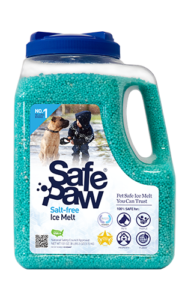
Pet Safe Ice Melt – Safe Paw
The Original and the #1 Pet and Child Safe Ice Melt for over 20 years. Guaranteed environmentally safe – will not harm waterways and sensitive wetlands.
The Science of True Safety: A Chemical Bond, Not a Salt Crystal
So, if salts are out, what is the chemical difference that creates a genuinely pet-safe ice melt? The answer lies in replacing the corrosive ionic bond of salt with a gentler covalent bond found in ingredients approved for food and pharmaceuticals.
The industry-leading, pet-safe deicers like Safe Paw are formulated without the toxic ethylene glycol. Instead, they contain special glycols in permissible quantities.
Why Glycols are Different from Salts
- Propylene Glycol vs. Ethylene Glycol: Propylene Glycol is critical here. It is used as a food additive and a pharmaceutical solvent because of its low acute oral toxicity. This is a stark contrast to its cousin, Ethylene Glycol (the main ingredient in traditional antifreeze), which is highly poisonous and poses a deadly risk to pets. The propylene form is certified as having a robust safety profile.
- Safety Mechanism: Propylene Glycol doesn’t work by corrosive attraction like salt. Instead, its molecules interrupt the formation of the crystalline ice structure, lowering the freezing point of the water. It’s an alcohol-based solvent that simply changes the chemistry of the water without introducing the toxic, dehydrating chloride ion.
Truly pet-safe ice melts replace corrosive chloride salts with low-toxicity, covalently bonded ingredients like Propylene Glycol to lower the freezing point of water.
Conclusion: Stop Relying on the Label, Trust the Chemistry
This International Week of Science, the message is clear: be the educated consumer. The power is in reading the ingredient list, not trusting a marketing claim.
If the bag contains a chloride compound—sodium, calcium, potassium, or magnesium—it is inherently a salt and carries a risk of chemical burn and systemic poisoning. The only true safe solution is a salt-free, chloride-free formula built on non-toxic, food-grade chemistry.
Your dog is family. Don’t let a deceptive label put them at risk this winter. Knowledge is the ultimate protection.
FAQs
Other Ice Melt Products
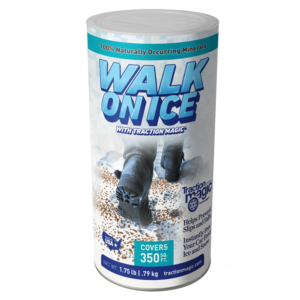
Walk On Ice
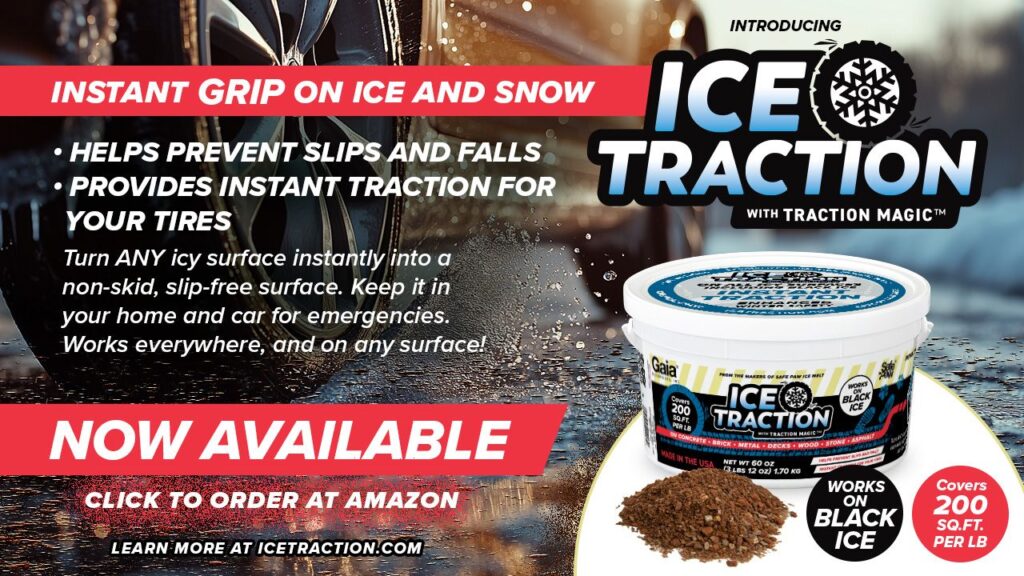
Prevent slips at home, work or on the go, The handy disposable canister can be taken everywhere, with the same 100% naturally occurring minerals that provide instant traction on ice or snow.
Safe Thaw
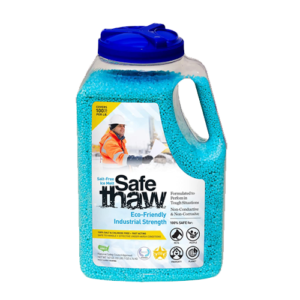
Imagine an ice melt you can put down and never worry about. It won’t harm pets, kids and your property. That’s Safe Thaw. Unlike anything else on the market, Safe Thaw can change how winter affects our planet.