


Guide To Removing Snow From Metal Roofs
To remove snow from a metal roof safely, avoid climbing onto the roof whenever possible. For light, reachable accumulation, use a roof rake with a non-abrasive or wheeled head from the ground, removing small amounts evenly. For deep, wet, compacted or drifted snow – or whenever the roof shows sagging, unusual movement, leaks or cracking sounds – keep people away from the area and hire a qualified roofing or snow-removal professional.
Ice melt is not a substitute for removing heavy snow load. Use a deicer only for a localized ice or drainage problem after confirming that the product is permitted by its label and compatible with the specific metal, coating, fasteners, sealants, gutters and roof warranty. Long-term ice-dam control usually depends on insulation, air sealing, ventilation and properly designed drainage or heat-trace systems.
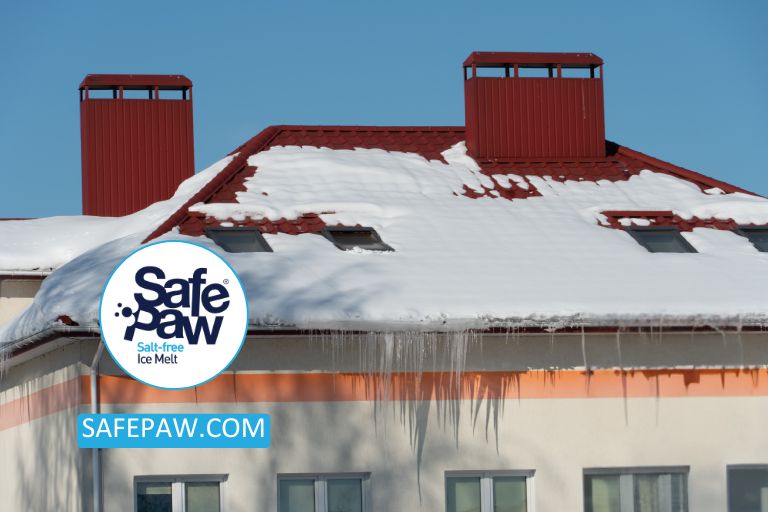
It’s time to get your metal roof ready for the winter, and this guide will walk you through the steps of doing that. If your metal roof is already covered in snow, it can be hard to tell which is the best ice melt for roofs and whether or not it needs to be cleaned. That’s why we’ve created this guide—to help you understand what cleaning your metal roof entails and how you can do it yourself.
Key Takeaways
- Avoid walking on a snow-covered metal roof; snow can conceal skylights, slippery ice and damaged areas.
- Use a non-abrasive or wheeled roof rake from the ground only for light, reachable snow.
- Remove snow in small, balanced amounts; do not create uneven loading or stand below a shedding roof slope.
- Deep, wet, compacted, drifted or frozen accumulation should be assessed by a qualified professional.
- Metal roofs may release snow suddenly. Protect entrances, walkways, vehicles and equipment below the eaves.
- Ice dams are usually a building-envelope and drainage issue, not only a deicer issue.
- Confirm chemical compatibility with the roof manufacturer, coating, fasteners, sealants and warranty before applying any deicer.
- Do not use sharp tools, metal-edged rakes, axes, picks or unapproved power equipment on the roof surface.
- Sagging, cracking sounds, new leaks, bowed framing or sticking doors require immediate professional evaluation.
IMPORTANT SAFETY WARNING:
Do not walk onto a snow-covered metal roof simply to inspect or clear it. Metal panels can be extremely slippery, and snow may conceal skylights, damaged panels, electrical hazards and unstable areas. A roof loaded with snow may also require structural assessment before anyone accesses it. Use ground-based methods where practical and hire a trained, insured professional for hazardous conditions.
Snow on a metal roof can create two different concerns: excessive weight and sudden sliding. The safest response depends on the amount and condition of the snow, the roof pitch, the building design and whether snow guards are installed. Light edge snow may be removable from the ground with a non-damaging roof rake. Heavy, wet, frozen or uneven accumulation should be handled by an insured professional. Do not walk on a snow-covered metal roof without a site-specific safety plan. For ice, address the cause – heat loss, drainage or refreezing – and use only products approved for the roof system.
Should Snow Be Removed From Every Metal Roof?
Not every snowfall requires roof snow removal. Many properly designed metal roofs are intended to carry local design snow loads and may naturally shed snow. Removal becomes more important when snow is unusually deep, wet, compacted or drifted; when drains or valleys are blocked; when the building has a known structural limitation; or when warning signs such as sagging, movement or leaks appear. Because snow-load capacity is building-specific, avoid publishing one universal depth or weight threshold.
How Metal Roofs Behave in Snow
Smooth, sloped metal panels can release accumulated snow suddenly. This may reduce long-term accumulation but can create a hazard below eaves, entrances, loading areas and parked vehicles. Snow guards or engineered retention systems are used to control the release of snow, but they must be designed for the roof profile, attachment method, local snow load and building structure.
Warning Signs That Require Professional Help
- Visible sagging or deflection in the roof or ceiling
- Cracking, popping or creaking sounds
- New or rapidly worsening roof leaks
- Bowed framing, distorted panels or separated seams
- Doors or windows that suddenly stick
- Large drifts around valleys, parapets, rooftop equipment or adjoining roof levels
- Blocked drains, gutters or downspouts with ponding or refreezing
- Snow or ice positioned above a public entrance, walkway, vehicle area or utility equipment
Check the Metal Roof System Before Choosing a Method
Metal roofs vary by panel type, metal, coating, seam design, fasteners, sealants, underlayment, slope and warranty. Standing-seam steel, exposed-fastener panels, aluminum, copper and coated metal systems may have different maintenance restrictions. Before using a rake, heating cable, snow guard or chemical product, check the roof manufacturer’s maintenance instructions and ask the installer which methods are permitted.
Preventing Ice Dams and Recurring Roof Ice
Ice dams commonly develop when heat escaping from the building melts roof snow and the water refreezes at a colder edge. The long-term response is to reduce heat leakage and manage drainage through air sealing, insulation, ventilation and correctly designed roof details. Professionally installed heat-trace cables may create drainage channels in selected areas, but they do not remove heavy snow or correct structural deficiencies.
So, how to use roof ice melters in the right way?
Caring for your metal roof during the winter months is crucial to prevent damage and ensure longevity. Here’s a guide to help you navigate the choices for ice melt products for metal roofs and maintain your roof in pristine condition during harsh weather.
Best Ice Melt Products for Metal Roofs
Choosing the best ice melt for metal roofs is about finding products that are effective without being corrosive. Non-corrosive, chloride-free options, such as Safe Paw and other similar blends, are recommended. These products help melt the ice without the risk of damaging the metal or affecting its durability.
Preventing Ice Dams on Metal Roofs
Preventing ice dams is vital for maintaining the integrity of your metal roof. Proper attic insulation and ventilation are key to preventing warm air from melting snow on the roof, which refreezes at the eaves and forms ice dams. Additionally, installing heated cables along the edges of your roof can actively prevent ice from forming.
Ice Melt Products for Metal Roofs: Options and Applications
When selecting ice melt products for metal roofs, it’s important to consider their application methods. Some products are designed to be spread manually, while others can be used in pellet form and tossed onto the roof where needed. Products labeled as safe ice melt for metal roofs typically do not contain salts that can corrode the metal, ensuring that they are a safe choice for your home.
Metal Roof Maintenance During Winter
Regular metal roof maintenance in winter is essential. This includes clearing debris and snow from the roof to prevent undue stress and checking for any signs of damage or wear. It’s also crucial to inspect and clean gutters and downspouts to ensure proper drainage during thaw cycles.
By choosing the right products and performing regular maintenance, you can ensure that your metal roof withstands the winter without damage. Remember, the goal is not just to melt the ice but to do so in a way that maintains the structural integrity and aesthetic of your roofing system.
Get rid of excess snow
You can use a snow rake to remove the excess snow from the metal roof. Attach a pole extender or telescoping handles and slowly rake the snow off the roof onto the ground. It is advisable not to use any sharp tools or metal rake while removing snow from a metal roof.
What’s the best ice melt for roofs
You can use metal-friendly and rust-free deicer or ice melt before the first snowfall and spread it on the roof. Very few products in the market are safe for your metal roof, but Safe Paw is one of them. It will not allow snow to stick to the roof and will make it easier to slide it off.
How to Remove Snow From a Metal Roof Safely
- Inspect from a safe location. Look from the ground and inside the building for sagging, leaks, unusual sounds, blocked drainage or large drifts.
- Keep the discharge area clear. Move people, pets, vehicles and equipment away from the slope where snow may release.
- Avoid roof access. Use methods that keep the operator on the ground whenever possible.
- Choose a non-damaging rake. Use a lightweight roof rake with a non-metallic, non-abrasive or wheeled head; follow the roof manufacturer’s instructions.
- Remove small amounts evenly. Start near the lower edge and work gradually without scraping the panels or pulling against seams, snow guards, fasteners or flashings.
- Stop if snow is heavy or frozen. Do not force compacted snow or ice from the roof with sharp tools, impact tools or a snow blower.
- Call a professional when needed. Use an insured contractor for deep, wet, drifted or inaccessible accumulation and for any structural warning sign.
- Address ice-dam causes. Check insulation, air leakage, ventilation, gutters, drains and roof details rather than relying only on a melting product.
- Use deicer only where approved. Confirm compatibility, follow the label and apply only to the limited problem area.
- Inspect after the thaw. Check panels, seams, fasteners, flashings, gutters and the building interior for damage or leaks.
Choose the Method by Situation
| Situation | Recommended First Response | Avoid | Professional Help? |
|---|---|---|---|
| Light, fresh snow near the eave | Ground-based non-abrasive roof rake; remove small amounts | Climbing onto roof; metal-edged rake | Usually not, if safely reachable |
| Deep or wet snow | Restrict area below and arrange qualified removal | DIY roof access; sudden large-scale unloading | Yes |
| Large drift or uneven accumulation | Professional/structural assessment | Removing only one area and increasing imbalance | Yes |
| Ice dam at an eave | Address heat loss; create drainage using an approved professional method | Axes, picks, hot water, unapproved salts | Often |
| Blocked gutter or downspout | Safe ground inspection and professional clearing | Standing below shedding snow | When access is unsafe |
| Recurring sudden snow slides | Engineered snow-retention review | Randomly attached guards without load design | Yes |
| Localized compatible ice | Limited label-directed deicer application | Whole-roof broadcast application | Not always |
Ice Treatment Options for Metal Roofs
| Option | Primary Role | Metal / Coating Concern | Pet / Runoff Consideration | Recommendation |
|---|---|---|---|---|
| Safe Paw or another salt-/chloride-free deicer | Localized ice treatment where approved | Still requires compatibility confirmation | Use only according to current label and drainage plan | Potential option after approval |
| Rock salt / sodium chloride | Melting ice | Potential corrosion and coating/fastener concerns | Chloride runoff concerns | Do not use unless explicitly approved |
| Calcium or magnesium chloride | Faster melting at lower temperatures | May affect metals, finishes or adjacent materials | Label and runoff controls required | Roof-manufacturer approval essential |
| Heat trace | Maintain selected drainage channels | Requires compatible attachment and professional design | No chemical runoff; energy use applies | Useful for recurring targeted problems |
| Mechanical removal | Reduce snow/ice mass | Tool contact can damage panels and coatings | No chemical runoff | Use safe tools and trained personnel |
Best Solution for Every Roof Snow and Ice Situation
Best for Light, Reachable Snow
A lightweight, non-abrasive or wheeled roof rake used from a stable ground position.
Best for Heavy, Wet or Drifted Snow
A qualified and insured roof-snow-removal contractor, with structural assessment when warning signs or unusual accumulation are present.
Best for Areas Below a Snow-Shedding Roof
An engineered snow-retention system designed for the specific panel profile, attachment method and expected loads.
Best for Recurring Ice at Eaves or Drainage Points
A building-envelope inspection plus professionally designed insulation, air-sealing, ventilation, drainage or heat-trace correction.
Best for Localized Ice Without Electricity
A roof-compatible, label-directed chloride-free deicer after manufacturer approval; not a substitute for snow-load removal.
Best for Structural Warning Signs
Immediate restriction of the area and evaluation by a qualified roofing professional or structural engineer.
Pre-Winter Metal Roof Checklist
- Review the roof manufacturer’s maintenance and winter-weather guidance.
- Inspect panels, seams, fasteners, sealants, flashings, gutters and downspouts.
- Confirm snow guards or retention systems are secure and properly engineered.
- Clear leaves and debris from valleys and drainage paths.
- Check attic insulation, air sealing and ventilation.
- Identify safe ground positions for roof-rake use.
- Select a qualified and insured snow-removal contractor before a major storm.
- Confirm which deicers, if any, are approved for the metal and coating.
Eco-Friendly Ice Melt
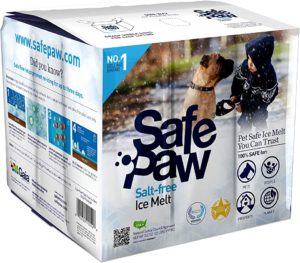
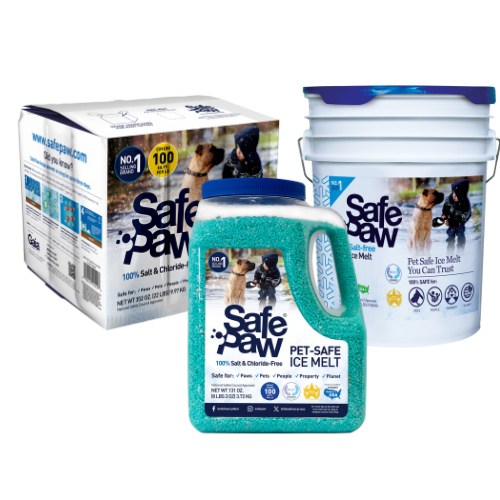
Pet Friendly Ice Melt – Safe Paw!
The Original and the #1 Child and Pet Safe Ice Melt for over 20 years. Guaranteed environmentally safe – will not harm waterways and sensitive wetlands.
As an eco-friendly brand, Safe Paw curated an ice melt product specially for all roofs and driveways. It does not rust, soil, become clumpy, or stain. A 100% urea-modified product, Safe Paw contains special ice boosters that cut through ice on any surface. Its special glycols admixture and unique surfactants do not rust metallic surfaces.
Pros and Cons of Snow Removal Method
| Method | Advantages | Limitations / Risks | Best Use |
|---|---|---|---|
| Roof rake from the ground | Low cost; avoids walking on the roof; useful for light edge snow | Limited reach; can damage coatings, seams or snow guards if used aggressively | Light, reachable accumulation |
| Professional snow removal | Appropriate for heavy, wet, drifted or complex accumulation; trained crew and equipment | Cost and storm-time availability | Hazardous or high-volume conditions |
| Engineered snow-retention system | Controls sudden snow release and protects areas below | Must be designed for panel profile, load path and local conditions; may affect snow distribution | Buildings with entrances, walkways or vehicles below eaves |
| Professionally installed heat trace | Can maintain drainage channels at selected eaves, gutters or drains | Uses power; requires design and maintenance; does not remove structural snow load | Recurring localized ice or drainage issues |
| Compatible chloride-free deicer | Non-electric; may help with localized ice where approved | Compatibility and label restrictions; not a heavy-snow solution | Small, defined ice problem |
| Salt or chloride deicer | May melt localized ice rapidly | Possible corrosion, coating, fastener, runoff and warranty concerns | Only when explicitly approved |
| Snow blower on roof | Moves loose snow quickly in some settings | Major fall, equipment, thrown-object and surface-damage hazards | Generally avoid; use specialist methods if professionally engineered |
what is snowblowing
Snowblowing is the act of blowing snow off a roof. It can be done with a hand-held snow blower or an attached motorized machine. Roofs are not safe for snowblowing because if you fall off the roof and hurt yourself, your homeowner’s insurance won’t cover it.
Stay clear from below.
While we deploy different methods to remove excess snow from metal roofs, one of the foremost things is to stay clear from below the slope while removing it. While removing snow, you must have safe access from inside and outside the house or building. You must time your snow removal. Fresh snow is easier to remove than one piled for longer.
Pet Safe Ice Melt – Safe Paw
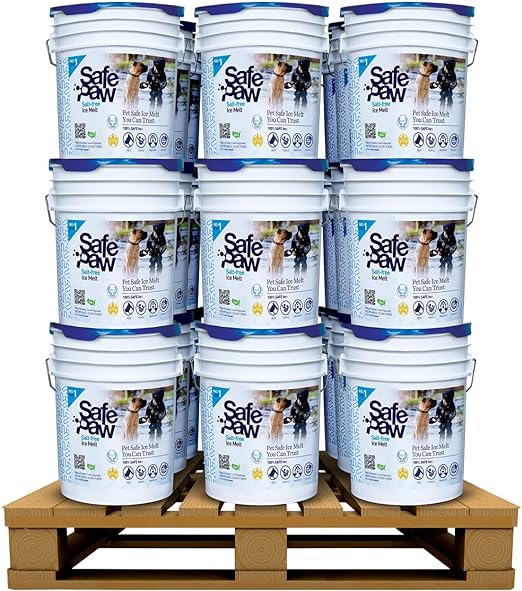
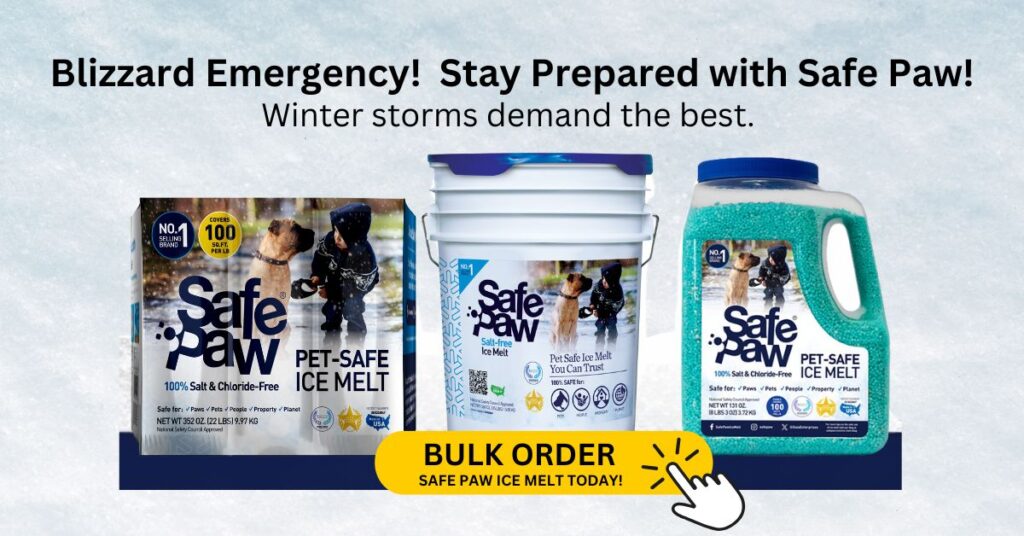
Safe Paw, Child Plant Dog Paw & Pet Safe Ice Melt -35lb, 36 Pails

Safe Paw, Child Plant Dog Paw & Pet Safe Ice Melt -22lb, 100Bboxes
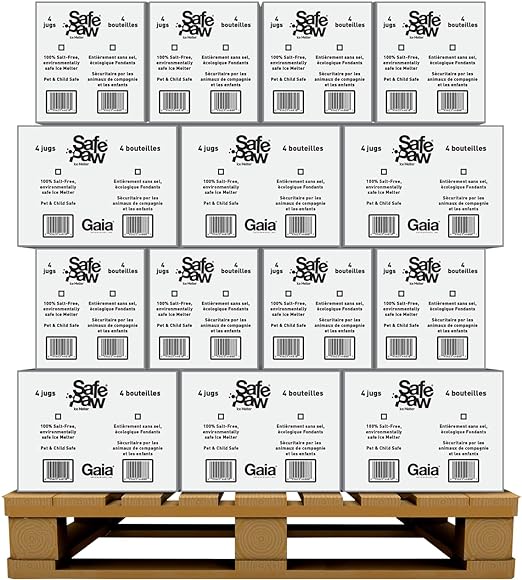
Safe Paw, Child Plant Dog Paw Pet Safe Ice Melt, 160 Jugs
Pet Products Powered By EzPz.pet


Conclusion
Winter can make it difficult to keep up with all the work that needs to be done. Using the best ice melt for roofs is one of the most important steps you can take to prevent your metal roof from leaking or rusting. While it’s tempting to just leave it until spring, there are several reasons why this isn’t a great idea. Now that you know how to do it, it must be a cakewalk!
Gaia Enterprises Inc. delivers 100% pet-safe and environmentally friendly winter products. Safe Paw, our flagship product, is the #1 selling pet-safe ice melt that does not harm pets, safe if ingested, and safe on all types of concrete.
FAQS
Other Ice Melt Products
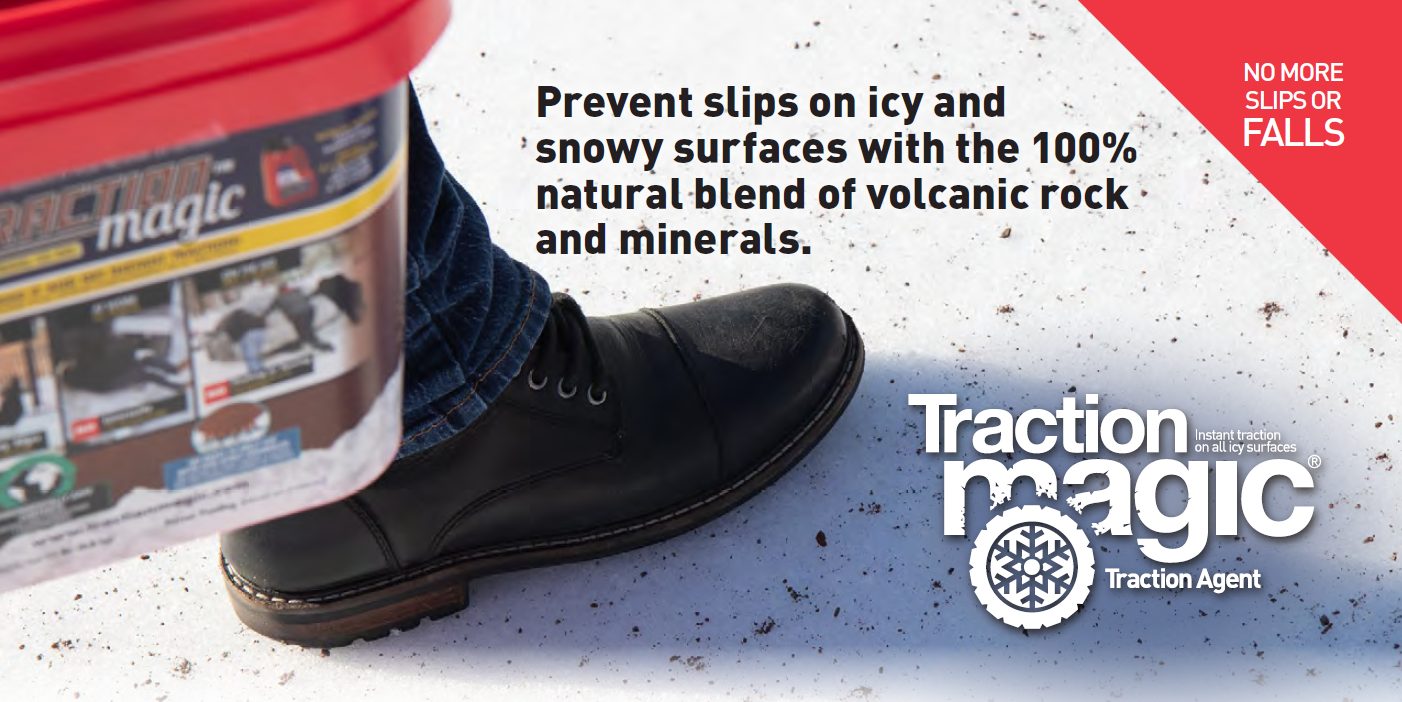
Traction Magic
Stay safe on slippery surfaces with a product that’s 100% natural and safe for pets, people, and your property. Use Traction Magic on sidewalks, steps, or as instant traction for your car.
Safe Thaw
Imagine an ice melt you can put down and never worry about. It won’t harm pets, kids and your property. That’s Safe Thaw. Unlike anything else on the market, Safe Thaw can change how winter affects our planet.
Ice Traction (with Traction Magic™)
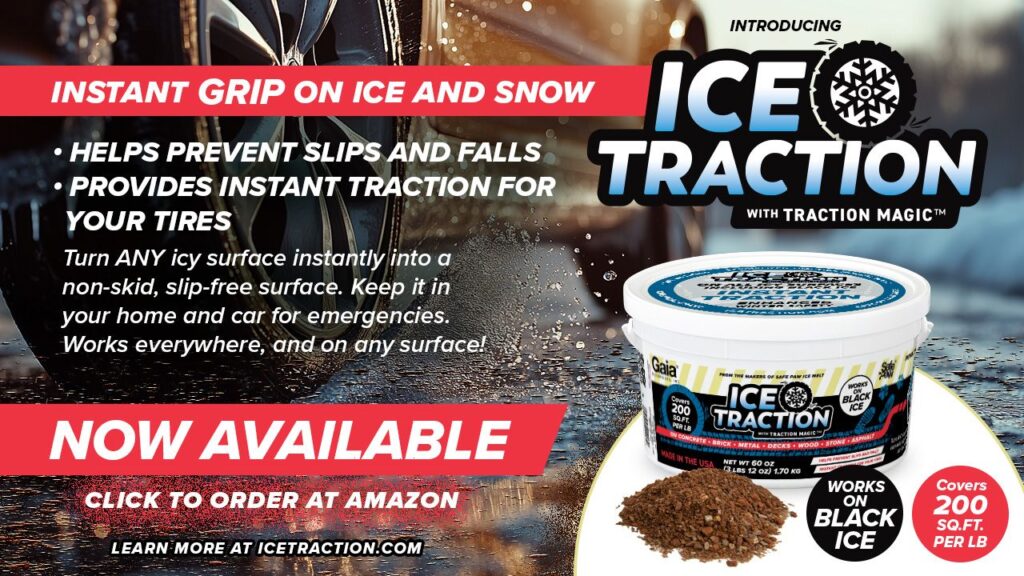
Ice Traction (with Traction Magic™) is your go-to winter solution for driveways, walkways, parking lots — and even black ice on the road. Unlike salt or ice melts, it delivers instant grip on snow and slippery surfaces with no wait time. Just spread and go.

Safe Thaw
Imagine an ice melt you can put down and never worry about. It won’t harm pets, kids and your property. That’s Safe Thaw. Unlike anything else on the market, Safe Thaw can change how winter affects our planet.
Related Posts
- Cold Air and Potential New Weather System Expected in Western U.S. on February 20
- January 23 Snowstorm: Prepare Your Roof for Winter’s Fury
- January 10 Snowstorm Forecast: Heavy Snow and Roof Care Tips
- How Much Snow Can Your Roof Hold? Understanding The Limits
- Would Safe Paw Harm The Rubber Base Of The Roof?